Why Is My Betta Fish Turning Grey
Seeing your betta turn grey can be alarming, but it’s often a sign of stress, water issues, or health problems. By checking tank conditions, diet, and possible illnesses, you can often reverse the fading and keep your fish thriving.
Key Takeaways
- Water quality matters: Poor parameters are the #1 cause of colour loss.
- Stress triggers fading: Over‑crowding, aggressive tank mates, and sudden changes can bleach your betta.
- Nutrition is key: A balanced, high‑protein diet supports vibrant pigments.
- Illness signs: Grey skin often accompanies fungal, bacterial, or parasitic infections.
- Lighting influences colour: Too little or too much light can dull your betta’s hues.
- Genetics play a role: Some bettas naturally lose intensity as they age.
- Quick action helps: Early detection and proper treatment can restore colour fast.
📑 Table of Contents
- Introduction: When Your Betta Starts to Look Like a Cloudy Sky
- 1. Water Quality – The Silent Color Thief
- 2. Stress – The Invisible Enemy
- 3. Nutrition – Feeding the Palette
- 4. Illness – When Grey Is a Symptom
- 5. Lighting – Too Much or Too Little
- 6. Genetics and Age – When Grey Is Normal
- Conclusion: Bringing Back the Rainbow
Introduction: When Your Betta Starts to Look Like a Cloudy Sky
It’s a gut‑wrenching moment – you glance at your prized betta and notice the bright blues, reds, or greens fading into a dull, grey shade. You might wonder if the fish is dying, if you did something wrong, or if it’s just “getting older.” The good news is that grey‑ing is rarely a mystery. Most of the time it’s a clear signal that something in the tank or the fish’s body needs attention.
In this guide we’ll walk through the most common reasons a betta turns grey, how to diagnose the problem, and what you can do to bring back that showroom sparkle. Think of it as a friendly chat over a cup of tea, with plenty of practical tips you can try right away.
1. Water Quality – The Silent Color Thief
Why water matters
Betta fish are native to the shallow, warm waters of Southeast Asia where the water is soft, slightly acidic, and clean. When we keep them at home, we often forget that they are extremely sensitive to ammonia, nitrite, nitrate, and pH swings. Even a small spike can stress the fish and cause its pigments to fade.
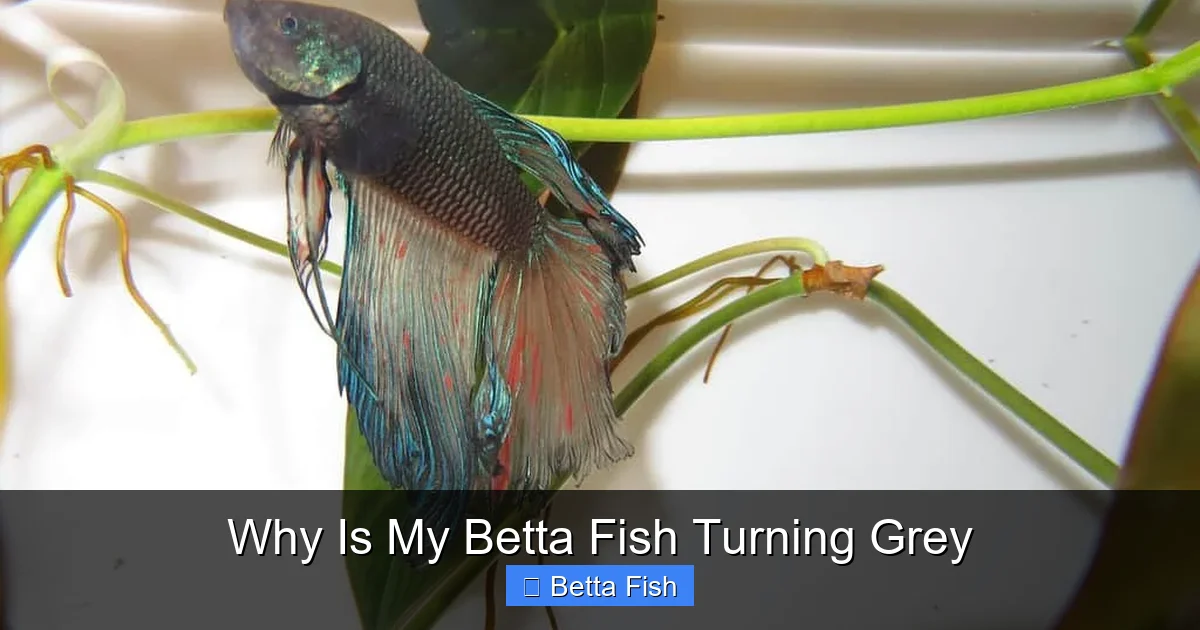
Visual guide about Why Is My Betta Fish Turning Grey
Image source: a-z-animals.com
Key parameters to monitor
- Ammonia (NH₃): Should always read 0 ppm. Any detectable level is toxic.
- Nitrite (NO₂⁻): Also 0 ppm – a sign of an unfinished cycle.
- Nitrate (NO₃⁻): Below 20 ppm for bettas; higher levels cause chronic stress.
- pH: Ideal range 6.5‑7.5. Sudden shifts can bleach colour.
- Temperature: Keep steady at 78‑80°F (25‑27°C). Too cold slows metabolism and dulls colour.
Practical water‑care checklist
- Test water weekly with a reliable aquarium test kit.
- Perform 25‑30% water changes every 2‑3 days if parameters are off.
- Use a gentle, fine‑mesh filter to keep debris down without creating strong currents.
- Consider adding a small amount of Indian almond leaves or driftwood for natural tannins that help stabilize pH.
When to seek help
If you’ve corrected the water but the grey colour remains, the issue may be internal. Read on for other possibilities.
2. Stress – The Invisible Enemy
Common stressors
Betta fish are solitary fighters. Anything that threatens their sense of security can cause stress‑induced colour loss.

Visual guide about Why Is My Betta Fish Turning Grey
Image source: yayasanbinamuslimbekasi.org
- Over‑crowding or placing another betta (even a female) too close.
- Bright, flickering lights or constant daylight.
- Loud noises and vibrations from nearby appliances.
- Frequent rearrangement of décor or sudden temperature changes.
How to create a calm environment
- Give your betta a tank of at least 2.5‑5 gallons with plenty of hiding spots.
- Use a low‑wattage LED on a 10‑hour day/night cycle.
- Avoid placing the tank near windows or speakers.
- Introduce décor slowly – let the fish explore one new piece at a time.
Spotting stress before colour fades
Signs include rapid fin fluttering, hiding under plants, and loss of appetite. If you notice these early, you can intervene before the fish turns grey.
3. Nutrition – Feeding the Palette
Why diet affects pigment
Betta colour comes from pigments called carotenoids and melanin. These are not produced by the fish; they must be obtained from food. A bland diet of low‑quality flakes can make the fish look washed out.

Visual guide about Why Is My Betta Fish Turning Grey
Image source: shopping.c.yimg.jp
Best foods for vibrant bettas
- High‑protein pellets: Look for ≥ 30% protein, no fillers.
- Live or frozen foods: Daphnia, brine shrimp, and bloodworms are rich in carotenoids.
- Colour‑enhancing treats: Some commercial “color boost” foods contain astaxanthin.
Feeding schedule
Offer 2‑3 small meals per day, no more than the amount the fish can eat in 2‑3 minutes. Overfeeding leads to waste, fouling water, and stress.
Link to related nutrition article
For more on why your betta might be spitting out food, see Why Is My Betta Fish Spitting Out Food.
4. Illness – When Grey Is a Symptom
Common diseases that cause grey skin
- Fungal infections: White or grey cotton‑like growths, especially on fins.
- Bacterial dropsy: Swollen abdomen, scales sticking out like a pinecone.
- Ich (White Spot Disease): Tiny white dots that can appear grey when early.
- Velvet disease: Gold‑brown dusting that may look grey under certain lighting.
How to diagnose
Observe the fish closely. If you see any of the above signs, isolate the betta in a hospital tank with clean, aged water. Perform a water test and begin treatment with the appropriate medication (fungus, antibacterial, or antiparasitic).
Treatment basics
- Increase temperature to 80‑82°F to speed up parasite life cycles (for Ich).
- Use a broad‑spectrum antibacterial like Maracyn for bacterial infections.
- Apply a fungal remedy such as Mardel or a homemade tea tree oil dip.
When colour loss isn’t fatal
Sometimes a mild infection merely stresses the fish, causing temporary greying. With prompt treatment and clean water, colour often returns within a week.
5. Lighting – Too Much or Too Little
Natural light vs. artificial
In the wild, bettas receive filtered sunlight through dense vegetation. In a home tank, a bright LED can overstimulate the fish, causing pigment depletion, while a dim tank can suppress colour expression.
Optimal lighting setup
- Use a 10‑hour on/14‑hour off schedule.
- Choose a LED with a color temperature of 6,500‑7,500 K for a natural look.
- Avoid direct sunlight; it encourages algae and temperature spikes.
Link to related lighting article
If you’re curious about why your betta sometimes makes bubbles, check out Why Is My Betta Fish Making Bubbles.
6. Genetics and Age – When Grey Is Normal
Natural colour fading
Just like humans, bettas can lose pigment as they age. A betta that’s been healthy for 2‑3 years may naturally become less vivid. This is especially true for wild‑type or “solid” colour bettas, which often start bright and mellow over time.
When to accept the change
If your fish is otherwise active, eating well, and shows no signs of disease, the greying may simply be a sign of maturity. Provide a stable environment and enjoy the subtle beauty of an older betta.
Conclusion: Bringing Back the Rainbow
Seeing your betta turn grey can feel like a red flag, but most of the time it’s a reversible warning sign. By checking water quality, reducing stress, feeding a nutritionally rich diet, addressing any illness promptly, and providing proper lighting, you give your fish the best chance to regain its vibrant hue.
Remember, a healthy betta is a happy betta. Keep a regular maintenance routine, observe your fish daily, and act quickly when something looks off. With a little love and attention, your betta will sparkle once again.
Frequently Asked Questions
Why is my betta fish turning grey?
Grey colour usually means stress, poor water conditions, inadequate diet, or an underlying illness. Checking each of these areas will help you pinpoint the cause.
Can water changes fix a grey betta?
Yes, if the grey colour is due to bad water parameters. A partial water change and proper filtration often restore colour within a few days.
Does my betta need special lighting to stay colorful?
Betas thrive under a 10‑hour light cycle with moderate LED intensity. Too much or too little light can dull their pigments.
How long does it take for a betta to regain colour after treatment?
Recovery time varies. Mild stress may clear up in 24‑48 hours, while illness‑related fading can take 5‑7 days after successful treatment.
Is grey colour ever normal for a betta?
Older bettas can naturally lose some vibrancy. If the fish is otherwise healthy and eating, the grey hue may simply be age‑related.
Where can I learn more about betta health issues?
Our article Is My Betta Fish Dying covers many warning signs and how to act quickly.