How to Breed Betta Fish in Malayalam
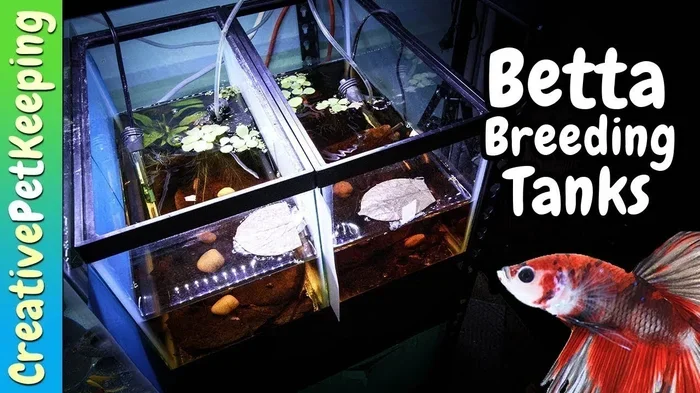
Learn how to breed betta fish in Malayalam with this complete, easy-to-follow guide. This article covers everything from setting up the breeding tank to caring for betta fish fry and avoiding common mistakes. You will discover practical tips, expert advice, and step-by-step instructions to help your betta fish breeding journey a success.
Learn how to breed betta fish in Malayalam with this complete, easy-to-follow guide. Whether you are a beginner or have some experience, this article will walk you through every step of the betta fish breeding process. You will learn how to set up the perfect breeding tank, identify the right male and female pair, and care for betta fish fry from day one. The tips and tricks shared here are simple, practical, and based on real-world experience. By the end of this guide, you will feel confident enough to start your own betta fish breeding journey at home.
Betta fish breeding in Malayalam is becoming increasingly popular among aquarium hobbyists in Kerala and beyond. This guide covers everything you need to know, from understanding the breeding behavior of betta fish to raising healthy babies. We have included practical examples, quick tips, and common mistakes to help you succeed. So let us dive right in and explore the wonderful world of betta fish breeding together.
Breeding betta fish can be a rewarding experience, but it requires patience, preparation, and the right knowledge. Many people in Malayalam-speaking communities are now interested in aquarium fish breeding as a hobby. This guide is written specifically to help you understand the process in simple, easy-to-understand language. You will find actionable advice that you can start using right away.
Before you begin, it is important to understand that breeding betta fish at home is not as difficult as it may seem. With the right setup and a little care, you can successfully raise betta fish fry. This guide will cover all the essential steps, including tank setup, choosing the right fish, the spawning process, and fry care. Let us get started!
Key Takeaways
- Know the right age: Betta fish should be at least 4 to 6 months old before breeding.
- Set up a proper breeding tank: A small tank with warm water and gentle filtration works best.
- Watch for breeding signs: Look for a bubble nest and vertical stripes on the female.
- Care for the fry carefully: Feed baby brine shrimp and keep the water clean.
- Avoid common mistakes: Do not overcrowd the tank or skip water changes.
- Find a healthy female: Look for a female with bright colors and a white egg spot.
- Be patient: The full breeding process can take several days to a week.
📑 Table of Contents
How to Breed Betta Fish in Malayalam: Understanding the Basics
Before you start breeding betta fish, you need to understand the basics. Knowing the fundamentals will save you time, money, and frustration. Every betta fish breeder, whether in Malayalam-speaking regions or elsewhere, should start with a solid foundation of knowledge. The more you understand about betta fish mating behavior and breeding biology, the better your results will be.
What You Need to Know Before Breeding
Betta fish breeding involves more than just putting a male and female together. You need to understand the age, health, and behavior of both fish. The breeding age for betta fish is typically between four to six months. At this stage, both male and female betta fish are mature enough to breed successfully.
Here are some key things to keep in mind before you start:
- Choose healthy fish: Look for betta fish with vibrant colors and no signs of disease. Healthy betta fish health is the foundation of successful breeding.
- Check the breeding age: Make sure both fish are at least four months old. You can learn more about the right age in our guide on how old betta fish to breed.
- Observe behavior: A healthy male will build a bubble nest, and a healthy female will show a white egg spot.
- Prepare a separate tank: Never breed betta fish in a community tank. Use a dedicated breeding tank for the best results.
Understanding these basics will set you up for success. Many beginners skip this step and wonder why their breeding attempts fail. Take the time to learn, and your efforts will pay off. Proper betta fish nutrition before breeding also plays a big role in the health of the offspring.
Signs Your Betta Fish Is Ready to Breed
Recognizing the signs of a ready-to-breed betta fish is crucial. The male betta fish will start building a bubble nest at the surface of the water. This is one of the clearest indicators that he is ready to mate. The bubble nest looks like a cluster of tiny bubbles stuck together, often anchored to plants or the water surface.
For the female, look for these signs:
- Vertical stripes: A female ready to breed will show faint vertical stripes on her body. These are sometimes called breeding bars.
- White egg spot: You will notice a small white spot near her ventral area. This is where the eggs will come out during spawning.
- Rounder body shape: A breeding-ready female will look slightly plumper than usual. This indicates she is carrying eggs.
- Receptive behavior: She will not flare aggressively at the male and may show a slight curve in her body when approached.
If you are having trouble finding a female betta fish that is ready to breed, you can refer to our detailed guide on how to find female betta fish ready to breed. This resource will help you identify the right fish with confidence. Also, remember that betta fish breeding season in home aquariums can happen year-round if conditions are right.
Setting Up the Betta Fish Breeding Tank
The breeding tank setup is one of the most important parts of betta fish breeding. A proper tank ensures the safety of both the adult fish and the fry. You do not need a large tank for breeding betta fish. A small tank of about five to ten gallons works perfectly for this purpose.
Tank Size and Water Conditions
The ideal breeding tank should be clean, quiet, and free from distractions. Here are the water conditions you need to maintain:
- Temperature: Keep the water between 78°F and 82°F (25°C to 28°C). This is the optimal breeding temperature for betta fish. Use a reliable heater to maintain consistent warmth.
- pH level: Maintain a pH between 6.5 and 7.0. Slightly acidic to neutral water works best for betta fish breeding.
- Water hardness: Keep the water soft to moderately hard. Very hard water can cause problems with egg development.
- Filtration: Use a gentle sponge filter. Strong filtration can disturb the bubble nest and harm the delicate fry.
Clean water is essential for betta fish health. Before setting up the breeding tank, make sure you understand how to maintain proper water quality. You can read our guide on how to change water in betta fish tank for helpful tips on water maintenance. Good water parameters reduce stress and increase the chances of successful spawning.
Adding Plants and Hiding Spots
Betta fish breeding requires certain plants and decorations. Add fine-leaved plants like java moss or floating plants. These provide cover for the female and a place for the bubble nest. The male will anchor the bubble nest to the plants or the water surface. Floating plants like frogbit or water lettuce are excellent choices.
You should also add a few hiding spots for the female. After spawning, the male may become aggressive toward the female. Having plants and decorations gives her a place to hide and recover. This simple step can prevent injuries and reduce stress for both fish. Make sure the tank is placed in a quiet area with minimal disturbances during the breeding period.
The Betta Fish Mating Process Step by Step
The betta fish mating process is fascinating to watch. Understanding each step will help you manage the process smoothly. Here is a detailed breakdown of what happens during betta fish spawning. Following these steps will help you achieve better results with your aquarium breeding efforts.
Introducing the Male and Female
Start by placing the male and female betta fish in separate containers within the same breeding tank. This allows them to see each other and get used to their presence. Keep them separated for about one to two days. You will notice the male flaring his fins and building or reinforcing his bubble nest during this time.
After the acclimation period, carefully introduce the female into the breeding tank. Watch their behavior closely. Some chasing is normal, but if the male becomes too aggressive, remove the female immediately. The goal is to create a calm environment where both fish feel safe. Proper conditioning with live foods before introduction also helps reduce aggression.
The Spawning Process
When both fish are ready, the spawning process begins. The male will wrap his body around the female to stimulate egg release. This is called the “embrace” in betta fish breeding. The female will release eggs, and the male will fertilize them immediately.
Here is what typically happens during spawning:
- The male wraps around the female and squeezes gently to release eggs.
- The female releases anywhere from 10 to 50 eggs per session.
- The male collects the eggs and places them in the bubble nest.
- This process repeats several times over a few hours.
Once the female has released all her eggs, remove her from the tank immediately. The male becomes protective and may harm the female if she stays. For more tips on how to breed betta fish easily, check out our guide on how to breed betta fish easy. The entire spawning process can take anywhere from a few hours to a full day.
Caring for Betta Fish Fry
Raising betta fish fry is a delicate process. The first few weeks are the most critical. Proper fry care will determine how many babies survive to become healthy adult fish. Betta fish fry care requires attention to detail, especially when it comes to feeding and water quality.
Feeding Newborn Fry
Newborn betta fish fry are extremely small. They cannot eat regular betta pellets or flakes. Here is what you should feed them:
- Infusoria: This is the first food for newborn fry. You can culture infusoria at home or buy it from a pet store. It is tiny enough for the smallest fry to eat.
- Baby brine shrimp: After the first week, you can introduce baby brine shrimp. This is one of the best foods for betta fish fry and promotes healthy growth.
- Microworms: Microworms are another excellent food source for young fry. They are easy to culture and provide good nutrition.
- Feeding frequency: Feed the fry small amounts two to three times a day. Overfeeding can foul the water quickly and harm the fry.
Maintaining clean water is just as important as feeding. Perform small water changes of about 10 to 20 percent every day. Use a turkey baster or pipette to remove debris without disturbing the fry. Good water quality is the single most important factor in achieving high betta fish fry survival rates.
Common Problems and Solutions
Raising betta fish fry comes with its challenges. Here are some common problems and how to solve them:
- Fry not eating: This can happen if the food is too large. Make sure you are offering appropriately sized food for the age of the fry.
- Water quality issues: Dirty water is the number one killer of betta fish fry. Perform regular small water changes to keep the water clean.
- Fungal infections: If you notice white growth on eggs or fry, remove the affected ones immediately. Keep the water clean and maintain proper water parameters.
- Slow growth: Some fry may grow slower than others. This is normal. Make sure all fry are getting enough food and are not being outcompeted.
With patience and consistent care, you can achieve good betta fish fry survival rates. Most fry will reach adulthood within three to four months. During this time, watch for any signs of disease and act quickly if you notice anything unusual.
Common Mistakes to Avoid When Breeding Betta Fish
Even experienced breeders make mistakes. Knowing what to avoid will save you a lot of trouble. Here are the most common errors people make when breeding betta fish in Malayalam or any other language. Learning from these mistakes can help you succeed faster.
- Skipping the quarantine period: Always quarantine new fish before introducing them to the breeding tank. This prevents the spread of diseases and internal parasites. You can learn more about treating common fish diseases in our guide on how to get rid of internal parasites in betta fish.
- Using the wrong tank size: A tank that is too large creates too much current. A tank that is too small stresses the fish. Five to ten gallons is the sweet spot for breeding.
- Neglecting water temperature: Temperature fluctuations can stress betta fish and prevent successful breeding. Use a reliable heater and thermometer to maintain stable conditions.
- Removing the male too early: The male betta fish cares for the eggs and fry for the first few days. Do not remove him until the fry are free-swimming and no longer depend on the bubble nest.
- Overfeeding the fry: Excess food decays quickly and pollutes the water. Feed small amounts frequently instead of one large feeding.
- Ignoring water parameters: Poor water quality leads to disease and poor fry development. Test your water regularly and make adjustments as needed.
Avoiding these mistakes will greatly improve your chances of success. Remember that betta fish breeding requires patience and attention to detail. Do not rush the process, and do not get discouraged if your first attempt is not perfect. Every breeding cycle is a learning experience that makes you a better breeder.
Expert Tips for Successful Betta Fish Breeding
Now that you know the basics, let us look at some expert tips that can take your betta fish breeding to the next level. These tips come from experienced breeders and aquarium enthusiasts who have spent years perfecting their craft.
Condition the breeding pair: Before introducing the male and female, feed them high-quality live or frozen foods for one to two weeks. This improves their health and increases the chances of successful spawning. Foods like daphnia, bloodworms, and brine shrimp work great for conditioning. Good betta fish nutrition before breeding leads to stronger, healthier fry.
Monitor the bubble nest: The bubble nest is a sign of a healthy, ready-to-breed male. If the nest falls apart frequently, check the water conditions. A strong, stable bubble nest indicates good breeding conditions and a healthy male betta fish.
Keep the lights dim: Bright lights can stress betta fish during the breeding process. Use soft, dim lighting or floating plants to diffuse the light. This creates a calm environment that encourages natural breeding behavior. Many breeders use a low-wattage LED or even a desk lamp positioned above the tank.
Be ready to separate: Always have a spare tank ready in case you need to separate the fish quickly. Aggression can escalate fast, and having a backup plan protects both fish. A small hospital tank with basic filtration is all you need.
Document the process: Take photos and notes throughout the breeding process. This helps you track what works and what does not. Over time, you will build valuable knowledge that improves your results with each breeding cycle. Keeping a breeding log is a simple habit that pays off big dividends.
Conclusion
Breeding betta fish in Malayalam is an exciting and rewarding hobby. With the right knowledge and preparation, you can successfully breed betta fish at home. This guide has covered everything from the basics of betta fish breeding to caring for fry and avoiding common mistakes.
Remember that patience is key. Not every breeding attempt will be perfect, and that is okay. Each experience teaches you something new. Start with healthy fish, set up a proper breeding tank, and follow the steps outlined in this guide.
Whether you are a beginner or looking to improve your skills, the tips and advice in this article will help you on your journey. Betta fish breeding is a beautiful process to witness, and raising the fry is incredibly satisfying. Happy breeding, and we wish you the best of luck with your betta fish breeding adventures!
Frequently Asked Questions
What is the best age for betta fish to breed?
The ideal breeding age for betta fish is between four to six months. At this stage, both male and female fish are mature enough to breed successfully. Breeding fish that are too young or too old can lead to health problems and poor results.
How long does the betta fish breeding process take?
The full breeding process from introduction to free-swimming fry typically takes about one to two weeks. The spawning itself can happen within a few hours once the fish are ready. Caring for the fry then takes an additional three to four weeks before they become independent.
How many eggs does a female betta fish lay?
A female betta fish can lay anywhere from 10 to 50 eggs per spawning session. Some healthy females may lay even more. The number of eggs depends on the age, health, and size of the female fish.
What should I feed betta fish fry?
Start with infusoria for the first few days, then gradually introduce baby brine shrimp and microworms. These foods are small enough for newborn fry to eat and provide excellent nutrition. Feed small amounts two to three times a day to avoid polluting the water.
Why is my male betta fish not building a bubble nest?
A male betta fish may not build a bubble nest if the water conditions are not ideal or if he is not mature enough. Check the temperature, pH, and overall health of the fish. Sometimes it simply takes time for a young male to develop the instinct to build a nest.
Can I breed betta fish in a bowl?
It is not recommended to breed betta fish in a bowl. A dedicated breeding tank with proper filtration, heating, and space gives the best results. Bowls are too small and lack the necessary water stability for successful breeding and fry survival.