How Long Until I Introduce Betta Fish to New Tank
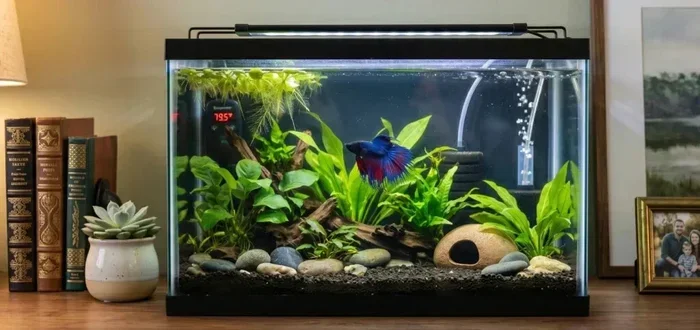
You should wait 2 to 4 weeks before introducing a betta fish to a new tank to ensure the water has properly cycled and harmful toxins like ammonia and nitrite have been eliminated. Cycling your tank creates beneficial bacteria that keep your betta safe and healthy, so rushing this process can lead to serious health issues or even death. Patience during the tank cycling phase is the single most important step you can take to give your betta fish a thriving home from day one.
Key Takeaways
- Wait 24-48 hours: Let the tank cycle fully before you introduce betta fish to a new tank.
- Test water parameters: Confirm zero ammonia and nitrite before adding your fish.
- Stabilize temperature: Keep the water at 78-80°F for a healthy betta.
- Acclimate slowly: Float the bag 15 minutes, then drip-acclimate for 20 minutes.
- Never skip cycling: An uncycled tank can kill your betta within hours.
- Monitor closely: Watch for stress signs during the first 48 hours after release.
📑 Table of Contents
- Why Waiting Matters Before Introducing Your Betta to a New Tank
- The Ideal Waiting Period: How Long Should You Wait?
- Factors That Affect When You Can Add Your Betta to a New Tank
- Step-by-Step: Preparing a New Tank for Your Betta Fish
- Signs Your New Tank Is Ready for Your Betta
- Common Mistakes When Introducing Betta Fish to a New Tank
- Quick Tips for a Successful Betta Tank Introduction
- Key Takeaways
- Conclusion
Why Waiting Matters Before Introducing Your Betta to a New Tank
So you just got a beautiful new tank set up and you’re eager to drop your betta fish into it. I get it. That excitement is real. But here’s the truth: how long until I introduce betta fish to new tank is one of the most important questions every betta owner needs to answer before adding their fish. Rushing this process can lead to serious health problems for your betta or even death.
Introducing betta fish to a new tank too early means exposing them to unstable water conditions. A new aquarium hasn’t built up the beneficial bacteria needed to break down harmful toxins. Your betta’s health depends on those tiny organisms doing their job behind the scenes. Skipping the wait can cause ammonia spikes, nitrite poisoning, and a whole pile of stress for your fish.
In this guide, you’ll learn exactly how long to wait, what factors speed things up or slow them down, and how to tell when your tank is finally ready. Whether you’re a first-time betta owner or a seasoned hobbyist, getting this timing right makes all the difference. Let’s dive in.
For more details on how to introduce betta to new fish, we’ve covered the step-by-step process in depth.
The Ideal Waiting Period: How Long Should You Wait?
So let’s get to the big question. How long until I introduce betta fish to new tank? The short answer is typically 2 to 4 weeks. But that’s not a one-size-fits-all number. Several things can push that window longer or, in some cases, a bit shorter.
The main reason for this waiting period is the nitrogen cycle. This is the process where your tank builds up colonies of beneficial bacteria. These bacteria convert toxic ammonia into less harmful nitrite, and then into nitrate. A fully cycled tank has stable water parameters that keep your betta safe.
Here’s a quick breakdown of the general timeline:
- Week 1: Tank setup and initial bacteria colonization begins.
- Week 2: Beneficial bacteria start forming. Ammonia levels may spike briefly.
- Week 3: Cycle usually completes. Ammonia and nitrite drop to zero.
- Week 4: Tank stabilizes. This is the safest window for introducing your betta.
Can You Shorten the Wait?
Yes, but with caution. Some experienced hobbyists use a method called fish-in cycling. This involves adding a very small, hardy source of ammonia (like a few drops of pure ammonia) to kick-start bacterial growth. You can also use bottled bacteria starters to speed things up.
However, even with these shortcuts, you still need to test your water regularly. Never rush the process just because you’re impatient. Your betta’s life is worth the wait.
Factors That Affect When You Can Add Your Betta to a New Tank
Not all tanks cycle at the same speed. Several factors influence how quickly your new aquarium reaches a safe state for fish. Understanding these helps you make better decisions about timing.
Tank Size Matters
Larger tanks generally take longer to cycle. But they’re also more stable once cycled. A 5-gallon tank might cycle in 2 weeks, while a 20-gallon long tank could take 3 to 4 weeks. The bigger volume dilutes toxins more effectively, but it takes more time for bacteria colonies to fully establish.
For those wondering about tank size, check out our guide on how long betta fish live in a 5 gallon tank for more insights.
Temperature and Environment
Beneficial bacteria thrive in warm water. Most aquariums sit between 72°F and 78°F. If your room is cold or your heater struggles to maintain temperature regulation, bacterial growth slows down. Keeping your tank around 76°F to 78°F is ideal for betta fish care and cycling speed.
Source of Ammonia
Without ammonia, bacteria have nothing to eat. Some tank owners use fish food, pure ammonia drops, or even live plants to provide a steady ammonia source. The method you choose directly impacts how fast your cycle completes.
Use of Bottled Bacteria
Products like Seachem Stability or Fritz TurboStart contain live beneficial bacteria. Adding these can cut your cycling time in half. They introduce ready-made colonies that jump-start the aquarium cycling process. Just make sure you follow dosage instructions carefully.
| Factor | Effect on Cycling Time | Notes |
|---|---|---|
| Tank Size | Larger = longer cycle | More volume = more time for bacteria to establish |
| Temperature | Warmer = faster cycle | Keep between 76°F – 78°F for best results |
| Bacteria Starter | Speeds up cycle significantly | Can reduce time by 50% or more |
| Ammonia Source | Essential for bacteria growth | Pure ammonia, fish food, or live plants work |
| Live Plants | Mildly speeds up cycle | Absorb ammonia naturally |
Step-by-Step: Preparing a New Tank for Your Betta Fish
Now that you understand the timeline, let’s walk through the actual steps. Proper preparation ensures a smooth transition for your betta and gives you peace of mind.
Step 1: Set Up Your Tank Properly
Start with a clean tank. Rinse gravel, decorations, and any equipment with warm water (never soap). Place your tank on a sturdy stand. Add substrate, tank decorations, and a quality filter. Install a heater since bettas need warm water to thrive.
Fill the tank with treated water. Use a water conditioner to remove chlorine and chloramine from tap water. Then add your bottled bacteria starter if you have one. Plug in your filter and heater, and let everything run.
For a complete walkthrough, see our detailed guide on how to set up a fish tank for betta fish.
Step 2: Start the Nitrogen Cycle
Add your ammonia source. If you’re using pure ammonia, dose it to about 2-4 ppm. If you’re using fish food, drop a small pinch into the tank daily. Test your water every 2-3 days using a liquid test kit (strips are less accurate).
Watch for these patterns:
- Day 1-3: Ammonia rises. Nitrite is zero. Nitrate is zero or very low.
- Day 4-7: Ammonia starts dropping. Nitrite begins to rise. This is a good sign bacteria are working.
- Day 8-14: Ammonia hits zero quickly. Nitrite peaks then drops. Nitrate starts appearing.
- Day 15-21: Both ammonia and nitrite read zero. Nitrate is present. Your cycle is likely complete.
Step 3: Test Your Water Before Adding Your Betta
This step is non-negotiable. Run a full water test. You need the following results before introducing your betta:
- Ammonia: 0 ppm
- Nitrite: 0 ppm
- Nitrate: Below 20 ppm
- pH: Between 6.5 and 7.5
If any of these are off, wait another few days and test again. Patience here saves lives.
Step 4: Acclimate Your Betta
Once your water tests clean, it’s time for fish acclimation. Float your betta’s bag in the tank for 15-20 minutes. This equalizes the temperature. Then slowly add small amounts of tank water into the bag over 20-30 minutes. Finally, gently net your betta into the tank. Discard the bag water.
Wondering about the exact timing? Our article on how long to acclimate betta fish covers this in detail.
Signs Your New Tank Is Ready for Your Betta
Sometimes the numbers look fine but something still feels off. Here are the key signs that your tank is genuinely ready:
- Water tests show zero ammonia and zero nitrite. This is the golden rule. No exceptions.
- Your filter is running smoothly. A healthy filter hosts most of your beneficial bacteria. Make sure it’s been running for at least 2 weeks.
- The water is clear and odor-free. Cloudy or foul-smelling water signals a problem. A new tank might be slightly hazy at first, but it should clear within days.
- Temperature is stable. Your heater should maintain a consistent temperature without large swings.
- Live plants are thriving (if you have them). Healthy plants indicate good water quality. They also help absorb nitrate naturally.
What If Your Tank Isn’t Showing These Signs?
Don’t panic. Just keep testing and waiting. Sometimes a tank takes longer due to low temperatures, poor oxygen flow, or not enough ammonia. Add a small bacteria booster and give it another week. Remember, how long until I introduce betta fish to new tank depends largely on your specific setup and conditions.
Common Mistakes When Introducing Betta Fish to a New Tank
Even experienced keepers make errors. Here are the most common mistakes people make when introducing betta fish to a new tank, and how to avoid them.
Mistake 1: Adding the Betta Too Soon
This is the biggest offender. Some people set up a tank and drop their betta in the same day. This is extremely dangerous. A brand-new tank has no beneficial bacteria. Ammonia from fish waste will build up fast and poison the water. Your betta can suffer ammonia burns, stress, and organ damage within hours.
Mistake 2: Skipping Water Tests
Never trust your senses alone. Clear water doesn’t mean safe water. You need a liquid test kit to measure ammonia, nitrite, and nitrate accurately. Skipping this step is like driving blindfolded.
Mistake 3: Overcrowding the Tank
Bettas are solitary fish. They don’t need tank mates, especially in a new setup. Adding other fish increases the bioload and complicates the cycle. If you must add companions, wait at least 6-8 weeks after the initial cycle and choose betta fish compatibility carefully.
Mistake 4: Ignoring pH Levels
Even if ammonia and nitrite are zero, bad pH can harm your betta. Aim for a pH between 6.5 and 7.5. Sudden pH swings stress fish and weaken their immune system. Use a buffer or pH adjuster if needed, but make changes gradually.
Mistake 5: Not Acclimating Properly
Pouring your betta straight into a new tank causes shock. The temperature difference, lighting change, and unfamiliar environment can be overwhelming. Always float the bag and slowly mix water. This gentle approach reduces stress dramatically.
Once your tank is ready and you need guidance on the actual transfer, our article on how to transfer betta fish to a new tank walks you through the process step by step.
Quick Tips for a Successful Betta Tank Introduction
Here’s a summary of best practices to keep things simple:
- Always cycle your tank first. Aim for 2-4 weeks minimum before adding your betta.
- Test water frequently. At least every 2-3 days during cycling.
- Use bottled bacteria starters. They speed up the process and improve success rates.
- Keep the temperature stable. Between 76°F and 78°F is ideal.
- Add live plants. They improve water quality and give your betta hiding spots.
- Acclimate slowly. Take 30-45 minutes total to introduce your betta to the new environment.
- Monitor for 48 hours after introduction. Watch for signs of stress like clamped fins, hiding, or loss of appetite.
Expert Insight: The “Foolproof” Approach
Many experienced breeders recommend cycling a tank without any fish using pure ammonia. This method, called how to cycle a betta tank without fish, is considered the safest because no fish are exposed to risk during the process. It takes a bit longer but gives you complete control over water parameters. If you’re serious about betta fish care, this is the gold standard.
Key Takeaways
- The standard waiting period before introducing a betta to a new tank is 2 to 4 weeks.
- The nitrogen cycle is essential. It creates the beneficial bacteria that keep water safe.
- Test your water before adding your betta. Ammonia and nitrite must both read zero.
- Temperature, tank size, and bacteria starters all affect how fast your tank cycles.
- Always acclimate your betta slowly to reduce stress and shock.
- Avoid common mistakes like rushing the process, skipping tests, and overcrowding.
Conclusion
Understanding how long until I introduce betta fish to new tank is the foundation of responsible betta keeping. Rushing the process puts your fish at risk of ammonia poisoning, stress, and disease. Taking 2 to 4 weeks to properly cycle and prepare your tank gives your betta the best chance at a long, healthy life.
Every step matters. From setting up the tank and starting the nitrogen cycle to testing water parameters and acclimating your fish, each action builds toward a stable environment. Follow the steps in this guide, be patient, and your betta will thrive in their new home. Don’t cut corners. Your fish depends on you to get it right.
Now go set up that tank with confidence. Your betta is counting on you.
Frequently Asked Questions
How Long Until I Introduce Betta Fish to New Tank?
You should wait at least 2 to 4 weeks before adding your betta fish to a new tank. This waiting period allows beneficial bacteria to establish and stabilizes water parameters like ammonia and nitrite levels. Rushing this process can expose your betta to harmful conditions that may cause stress or illness.
Can I Put My Betta Fish in a New Tank Right Away?
No, you should never introduce a betta fish to a completely new, uncycled tank. An uncycled tank lacks the beneficial bacteria needed to break down toxic waste products like ammonia. Adding your betta too soon can lead to serious health problems or even death.
How Do I Know When My New Tank Is Ready for a Betta Fish?
Your tank is ready when a full nitrogen cycle is complete, which typically takes 4 to 6 weeks. Test the water regularly to confirm that ammonia and nitrite levels read zero, and nitrates remain below 20 ppm. Stable water temperature around 78–80°F is another good sign your tank is prepared.
What Happens If I Introduce a Betta Fish to a New Tank Too Early?
Introducing a betta fish to a new tank before it cycles properly can cause ammonia burns, stress, and diseases like fin rot. High ammonia levels damage the fish’s gills and weaken its immune system over time. In severe cases, this can lead to rapid deterioration and loss of the fish.
How Long Does It Take to Cycle a New Tank for Betta Fish?
Cycling a new tank usually takes between 3 and 6 weeks, depending on the method you use. Fishless cycling is the safest approach and helps protect your betta from exposure to toxic chemicals during the process. Using a liquid test kit gives you the most accurate readings to confirm the cycle is complete.
Can I Speed up the Process Before I Introduce My Betta Fish to a New Tank?
Yes, you can speed up cycling by adding beneficial bacteria supplements or using filter media from an established tank. These methods can reduce the waiting period to about 1 to 2 weeks in some cases. However, always test the water thoroughly before introducing your betta to ensure it is truly safe.