How T Care for Betta Fish
Learning how to care for betta fish is easier than you think. This guide covers tank setup, water conditions, feeding, and common health issues so your betta thrives. Whether you are a beginner or a seasoned fish keeper, these tips will help you create the perfect home for your betta.
Keeping a betta fish can be one of the most rewarding experiences for any pet lover. These vibrant, flowing-finned creatures bring life and color to any room. But many people underestimate what it takes to keep a betta truly healthy. If you want to learn how to care for betta fish the right way, you are in the right place.
This guide walks you through everything from setting up the perfect tank to feeding schedules and health tips. We will keep things simple and practical. No fluff, no confusing jargon. Just clear, actionable advice that works. By the end, you will feel confident caring for your betta like a pro.
Key Takeaways
- Right Tank Size Matters: A minimum 5-gallon tank gives your betta room to swim and stay healthy.
- Water Quality Is Critical: Keep temperature between 76-82°F and always use treated water.
- Feeding Habits Count: Feed small amounts twice a day and avoid overfeeding.
- Regular Maintenance Prevents Illness: Weekly water changes and tank cleaning keep problems away.
- Know the Signs of a Sick Betta: Early detection of common health issues leads to faster recovery.
📑 Table of Contents
- Understanding Your Betta Fish
- Setting Up the Perfect Betta Tank
- Water Quality and Maintenance
- Feeding Your Betta Fish
- Common Betta Fish Health Issues
- Creating a Comfortable Habitat
- Quick Tips for Everyday Betta Care
- Common Mistakes to Avoid
- Expert Insight: Why Water Quality Comes First
- Final Thoughts
Understanding Your Betta Fish
Before you dive into the daily care routine, it helps to understand what makes bettas unique. Betta fish, also known as Siamese fighting fish, originate from the warm, shallow waters of Southeast Asia. They are labyrinth fish, which means they can breathe air from the surface. This is why they can survive in small amounts of water, but that does not mean they thrive in tiny spaces.
Bettas are known for their long, colorful fins and curious personalities. Each fish has its own quirks. Some are calm and float near the top. Others are active and love to explore. Understanding your betta’s behavior is the first step toward giving it a great life.
How Long Do Betta Fish Live?
With proper care, a betta fish can live between 3 and 5 years. Some owners report their bettas living up to 7 years. The key factor is the environment you provide. A well-maintained tank with clean water and a balanced diet makes a huge difference. If you want your betta to live a long, happy life, betta fish care must be a daily priority.
Setting Up the Perfect Betta Tank
The tank you choose sets the foundation for your betta’s health. Many people make the mistake of keeping bettas in tiny bowls. While a betta can survive in a small container, it will not thrive. A proper betta tank setup gives your fish space to swim, explore, and display its natural behaviors.
What Size Tank Does a Betta Need?
The minimum recommended tank size for a single betta is 5 gallons. A 10-gallon tank is even better. Here is a quick comparison of tank sizes and what they offer:
| Tank Size | Pros | Cons |
|---|---|---|
| 1-3 Gallons | Easy to manage | Too small for long-term health |
| 5 Gallons | Minimum recommended size | Requires regular maintenance |
| 10+ Gallons | More space, stable water parameters | Slightly more setup required |
Larger tanks are more stable because they dilute waste and keep water parameters consistent. This means fewer water changes and less stress for your fish. If you are just getting started, check out our guide on how to set up a fish tank for betta fish for step-by-step instructions.
Essential Equipment for Your Betta Tank
You do not need a fancy setup, but a few key items make a big difference:
- Heater: Bettas need warm water between 76 and 82 degrees Fahrenheit.
- Filter: A gentle sponge filter keeps water clean without creating too much current.
- Thermometer: Helps you monitor the water temperature daily.
- Gravel or substrate: Gives the tank a natural look and supports beneficial bacteria.
- Water conditioner: Removes chlorine and chloramines from tap water before adding it to the tank.
Bettas prefer calm water, so avoid strong filters that create heavy currents. A sponge filter is the best choice. It provides mechanical and biological filtration without stressing your fish out.
Water Quality and Maintenance
Clean water is the single most important factor in how to care for betta fish. Poor water quality leads to stress, disease, and a shortened lifespan. Bettas are sensitive to ammonia, nitrite, and nitrate buildup. Regular maintenance keeps these toxins at bay.
How to Prepare Water for Your Betta
Never use tap water directly in your betta tank. Tap water contains chlorine and other chemicals that harm fish. Always treat your water with a quality conditioner. If you want a detailed walkthrough, read our article on how to prepare water for a betta fish.
Here is a simple process to follow every time you add water:
- Let tap water sit for 24 hours or use a water conditioner immediately.
- Check the temperature to match your tank water (around 78 degrees Fahrenheit).
- Add the treated water slowly to avoid disturbing your betta.
How Often Should You Change the Water?
For a 5-gallon tank, a 25 to 30 percent water change every week works well. For larger tanks, you can stretch this to every two weeks. Regular water changes remove built-up waste and keep your betta comfortable. Learn more about water change frequency in our guide on how many times to change water for betta fish.
Quick Tip: Always vacuum the gravel during water changes to remove hidden debris and fish waste.
Feeding Your Betta Fish
Feeding is one of the most enjoyable parts of betta ownership, but it is also where many owners go wrong. Overfeeding is the most common mistake new betta keepers make. Bettas have small stomachs, and eating too much can lead to serious health problems like bloating and swim bladder issues.
What Should You Feed Your Betta?
A high-quality betta pellet should be the staple of your fish’s diet. Look for pellets with protein as the first ingredient. You can also offer variety with:
- Freeze-dried bloodworms: A tasty treat that bettas love.
- Brine shrimp: Great for protein and variety.
- Daphnia: Helps with digestion and makes a good occasional meal.
Feed your betta 2 to 3 pellets twice a day. Remove any uneaten food after 5 minutes to keep the water clean. If you want more detailed feeding guidance, check out our article on how much food for a betta fish to get the portions just right.
How Much and How Often?
Less is more when it comes to feeding bettas. A good rule of thumb is to feed only what your betta can consume in 2 minutes. Overfeeding leads to constipation, poor water quality, and obesity. A well-fed betta will have bright colors and steady energy levels.
Common Betta Fish Health Issues
Even with the best care, bettas can sometimes get sick. Knowing the signs of common health problems helps you act fast. Early intervention often makes the difference between a quick recovery and a serious decline.
Signs Your Betta Might Be Sick
Watch for these warning signs:
- Clamped fins: Fins held close to the body signal stress or illness.
- Loss of color: A faded appearance can indicate poor health.
- Not eating: Skipping more than one meal is a red flag.
- Labored breathing: Gasping at the surface or rapid gill movement.
- White spots or patches: These often indicate ich or fungal infections.
If you notice any of these symptoms, do not panic. Many common betta illnesses are treatable at home. For detailed guidance on handling sick fish, read our article on how to care for sick betta fish. Acting quickly and keeping the water clean gives your betta the best chance of recovery.
Prevention Is the Best Medicine
The best way to keep your betta healthy is prevention. Here are simple steps that make a big impact:
- Perform regular water changes every week.
- Keep the water temperature stable with a reliable heater.
- Do not overcrowd the tank. Bettas do best alone or with very peaceful tank mates.
- Quarantine any new fish before adding them to your betta’s tank.
- Feed a balanced diet and avoid overfeeding.
Creating a Comfortable Habitat
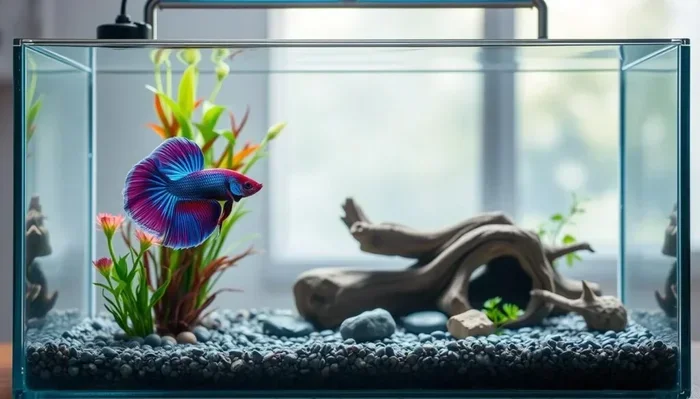
Your betta’s environment affects its mood, health, and lifespan. A well-decorated tank does more than look pretty. It gives your fish places to hide, explore, and feel safe. Bettas love plants, both live and artificial. Floating plants like java moss or frogbit are especially great because they provide shade and resting spots near the surface.
Avoid sharp decorations that can tear your betta’s delicate fins. Smooth gravel and soft plants are the best choices. Adding a few hiding spots reduces stress and encourages natural behavior. A comfortable betta is an active, colorful betta.
Can Bettas Live With Other Fish?
Bettas are known for their territorial nature. Male bettas should never be housed together. Female bettas can sometimes live in small groups called sororities, but this requires careful setup and monitoring. For peaceful community tanks, consider small, non-aggressive species like corydoras or kuhli loaches. Always research compatibility before adding any tank mates.
Quick Tips for Everyday Betta Care
Here is a daily and weekly checklist to keep your routine simple and consistent:
Daily
- Feed your betta the right amount twice a day.
- Check the water temperature.
- Watch for any unusual behavior or signs of stress.
Weekly
- Perform a 25 to 30 percent water change.
- Vacuum the gravel to remove debris.
- Rinse filter media in removed tank water (never tap water).
- Test water parameters with a simple test kit.
Monthly
- Clean the tank glass to remove algae buildup.
- Inspect equipment like heaters and filters.
- Trim any live plants if needed.
Consistency is the secret ingredient. A little effort every day goes a long way toward keeping your betta healthy and vibrant.
Common Mistakes to Avoid
Even well-meaning owners can fall into habits that hurt their betta. Here are the most common mistakes to watch out for:
- Keeping your betta in a bowl smaller than 3 gallons. Bettas need room to swim and stable water conditions.
- Skipping water changes. Dirty water builds up toxins fast and makes your betta sick.
- Overfeeding. Uneaten food rots in the tank and pollutes the water.
- Using untreated tap water. Chlorine and chloramines are harmful to fish.
- Placing the tank in direct sunlight. This causes algae blooms and temperature swings.
- Ignoring temperature fluctuations. Bettas need steady warmth to stay healthy.
Avoiding these mistakes puts you ahead of most beginner betta keepers. If you ever feel unsure, remember that proper betta fish care does not have to be complicated. Small, consistent efforts lead to the best results.
Expert Insight: Why Water Quality Comes First
Experienced betta keepers always put water quality at the top of their priority list. Think of water as the foundation of your betta’s health. Everything else, from diet to tank decorations, builds on top of clean water. If your water parameters are off, no amount of fancy food or beautiful plants will save your betta. Invest in a good test kit, stay consistent with water changes, and your betta will reward you with years of beauty and companionship.
For a deeper dive into water preparation, our article on how to properly care for betta fish covers water parameters and testing in detail.
Final Thoughts
Caring for a betta fish is a journey, not a destination. Every day gives you a chance to improve your setup and give your fish a better life. Start with the basics: a proper tank, clean water, good food, and regular maintenance. As you grow more confident, you can explore advanced topics like breeding, tank cycling, and creating beautiful aquascapes.
The most important thing is to enjoy the process. Watching your betta glide through the water, flare its fins, and explore its home is pure joy. Follow the tips in this guide, stay patient, and you will have a happy, healthy betta for years to come.
Remember, every betta deserves a home where it can thrive. By learning how to care for betta fish properly, you are giving your fish the best gift possible: a long, comfortable, and fulfilling life.
Frequently Asked Questions
How often should I feed my betta fish?
Feed your betta twice a day with a small amount, about 2 to 3 pellets per feeding. Overfeeding is the most common mistake, so stick to small portions and remove any uneaten food after a few minutes.
What is the best tank size for a betta fish?
A 5-gallon tank is the minimum recommended size for a single betta. A 10-gallon tank provides even more stability and swimming room. Avoid keeping bettas in bowls smaller than 3 gallons.
Do betta fish need a heater?
Yes, bettas need a heater to maintain a stable water temperature between 76 and 82 degrees Fahrenheit. Temperature swings can stress your fish and lead to illness.
Can betta fish live with other fish?
Male bettas should live alone due to their aggressive nature. Female bettas can sometimes live in groups with careful setup. Always research compatibility before adding tank mates.
How do I know if my betta fish is sick?
Look for signs like clamped fins, loss of color, not eating, labored breathing, or white spots. If you notice any of these symptoms, check your water parameters and act quickly to treat the issue.
How long do betta fish live with proper care?
With proper care, betta fish typically live between 3 and 5 years. Some well-cared-for bettas have been known to live up to 7 years. Consistent water maintenance and a balanced diet are key factors.