Is Popeye in Betta Fish Contagious
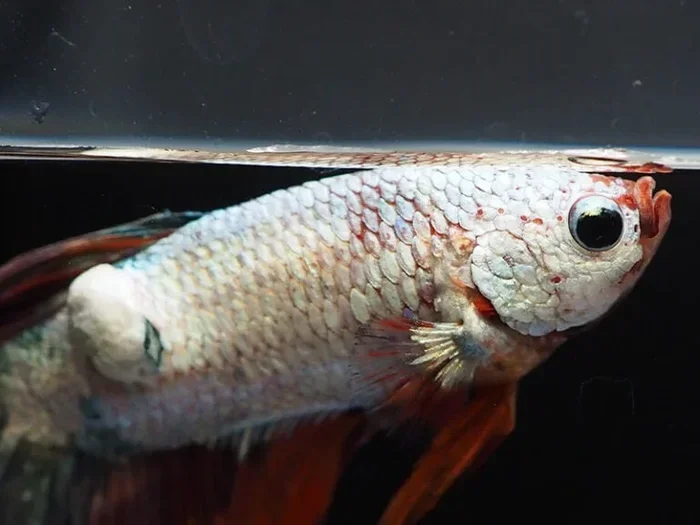
Popeye in betta fish is not always contagious, but it depends on the cause. Bacterial infections can spread to other fish, while injuries or single-fish issues are not contagious. This guide covers symptoms, treatment options, and prevention tips to keep your betta healthy.
Is popeye in betta fish contagious? This is one of the most common questions new fish owners ask when they notice their betta’s eye looking swollen or bulging. The short answer is: it depends on what caused it. Some forms of popeye can spread to other fish in the tank, while others are completely isolated to one fish.
Understanding popeye disease in bettas is essential for every fish keeper. Whether you are a beginner or a seasoned aquarist, knowing the signs, causes, and treatment options helps you act fast. In this guide, we break everything down in simple terms so you can protect your betta and your other fish.
Popeye refers to a condition where one or both eyes of a betta fish swell or protrude from the socket. It looks alarming, and it definitely catches your attention. But the good news is that many cases are treatable, especially when you catch them early. Let us dive into what really causes popeye and whether it poses a risk to your other tank mates.
Key Takeaways
- Popeye can be contagious or non-contagious: The cause determines whether other fish are at risk.
- Bacterial infections are the most common cause: Poor water quality often triggers these infections.
- Early detection improves recovery chances: Watch for swelling, cloudiness, and behavioral changes.
- Treatment options include Epsom salt and antibiotics: The right approach depends on the root cause.
- Prevention is easier than treatment: Maintain clean water and reduce stress in your tank.
- Isolation helps stop spread: Quarantine sick fish immediately to protect your other pets.
- Recovery is possible with proper care: Most bettas respond well to timely treatment.
📑 Table of Contents
What Is Popeye in Betta Fish?
Popeye is a visible condition where the eye of a betta fish becomes swollen. The eye may bulge outward, look cloudy, or even develop a white film over it. In some cases, only one eye is affected, which is called unilateral popeye. When both eyes are swollen, it is called bilateral popeye.
The swelling happens because of fluid buildup behind the eye. This can result from infection, injury, or poor living conditions. Betta fish eye infection is the most common term used by hobbyists when discussing this condition. The severity can range from mild to severe, and the treatment path depends entirely on the underlying cause.
Types of Popeye
Not all popeye cases are the same. Understanding the type helps you choose the right treatment.
- Unilateral Popeye: Only one eye is affected. This is often caused by physical injury or a localized infection.
- Bilateral Popeye: Both eyes are swollen. This usually signals a systemic issue like a bacterial infection or poor water quality.
- Chronic Popeye: The eye remains swollen for a long time. This may indicate a deeper infection that needs aggressive treatment.
- Acute Popeye: Sudden swelling that appears quickly. This is often linked to a sudden change in water conditions or a physical trauma.
Knowing which type your betta has helps you figure out the next steps. A fish with unilateral popeye from a minor injury may heal on its own, while bilateral popeye from a bacterial infection needs immediate attention.
Is Popeye in Betta Fish Contagious?
This is the big question, and the answer is not a simple yes or no. Popeye in betta fish can be contagious or non-contagious depending on what triggered it. Let us look at both scenarios clearly.
When Popeye Is Contagious
If the popeye is caused by a bacterial or fungal infection, it can spread to other fish in the same tank. Common bacterial pathogens like Aeromonas or Pseudomonas thrive in dirty water and can infect multiple fish. In these cases, the contagious fish diseases spread through direct contact or contaminated water.
Fish tuberculosis, caused by Mycobacterium, is another serious bacterial infection that can cause popeye. This disease is highly contagious and affects many fish species. If you suspect bacterial popeye, you should act quickly to isolate the affected fish and treat the main tank.
When Popeye Is Not Contagious
If the popeye results from a physical injury, it will not spread. For example, if your betta bumped its eye on a sharp decoration or got startled and hit the glass, the swelling is localized. Injury-related popeye is completely safe for your other fish.
Similarly, if only one fish in the tank develops popeye and the others show no symptoms after a week or two, the cause is likely not contagious. Each fish has a different fish immune system response, and some fish may be more resilient than others.
Common Causes of Popeye in Betta Fish
Knowing what causes popeye helps you prevent it from happening in the first place. Here are the most common culprits.
Poor Water Quality
This is the number one cause of popeye in betta fish. Dirty water builds up ammonia and nitrites, which irritate the fish’s body and eyes. When water parameters are off, fish become stressed and vulnerable to infections. Always test your water regularly and keep ammonia and nitrite levels at zero.
Bacterial Infections
Bacteria are always present in aquariums, but they only cause problems when the fish is weakened. A betta with a compromised fish immune system from stress or bad water is an easy target. Bacterial popeye often comes with other symptoms like clamped fins and loss of appetite.
Physical Injury
Sharp rocks, rough decorations, or even aggressive tank mates can injure a betta’s eye. The eye swells as part of the natural healing process. This type of popeye is not contagious and usually heals with time and clean water.
Internal Health Issues
Sometimes popeye is a symptom of a deeper problem. Kidney failure, dropsy, or organ damage can cause fluid buildup that pushes the eye outward. These internal issues are harder to treat and require a vet or experienced aquarist.
How to Treat Popeye in Betta Fish
Treating popeye depends on what caused it. There is no one-size-fits-all solution. Here are the most effective approaches.
Step 1: Identify the Cause
Before you do anything, figure out what triggered the popeye. Check the water quality first. Look at the other fish for symptoms. Think about any recent changes in the tank. This diagnosis step is critical because the wrong treatment can make things worse.
Step 2: Isolate the Sick Fish
If you suspect the popeye is contagious, move the affected betta to a quarantine tank right away. This protects your other fish and makes it easier to monitor the sick betta. A separate hospital tank also lets you adjust medication without affecting the main tank’s biological balance.
Step 3: Treat with Epsom Salt
Epsom salt is a gentle and effective treatment for mild popeye. It helps draw out excess fluid and reduces swelling. Many hobbyists use Epsom salt for betta fish as a first-line treatment. Dissolve the salt in tank water and follow the dosage instructions carefully.
For a more detailed guide on using Epsom salt specifically for popeye, check out our article on can Epsom salt heal popeye in betta fish. It covers dosages, timing, and what to expect during treatment.
Step 4: Use Antibiotics if Needed
If the popeye is caused by a bacterial infection, you may need antibiotics. Tetracycline is a common choice for treating bacterial infections in fish. However, antibiotics should be used carefully and only when necessary. Overuse can lead to antibiotic resistance and harm your tank’s beneficial bacteria.
You can read more about using tetracycline for popeye in our article on can tetracycline treat popeye in betta fish. It explains when antibiotics work best and how to administer them safely.
Step 5: Improve Water Conditions
No matter what caused the popeye, clean water is essential for recovery. Do regular water changes, vacuum the substrate, and check your filter. Poor tank maintenance is the root cause of most fish diseases. A clean tank gives your betta the best chance to heal.
Quick Tips for Treating Popeye
- Always test water before and during treatment.
- Keep the quarantine tank at the same temperature as the main tank.
- Do not overmedicate. Follow dosage instructions exactly.
- Feed your betta high-quality food to support recovery.
- Remove carbon from filters during medication, as it absorbs medicine.
- Monitor other fish daily for early signs of infection.
Preventing Popeye in Your Betta Fish Tank
Prevention is always better than cure. A well-maintained tank with happy, healthy fish rarely sees popeye outbreaks. Here is how you can keep your betta safe.
Maintain Excellent Water Quality
This cannot be stressed enough. Test your water weekly for ammonia, nitrite, and nitrate. Keep ammonia and nitrite at zero. Nitrate should be below 20 ppm. Regular water changes of 20 to 30 percent every week go a long way in keeping your aquarium water quality pristine.
If you notice cloudy water in betta tank, it is a sign that something is wrong. Cloudiness can indicate bacterial blooms, excess waste, or chemical imbalances. Address cloudy water immediately to protect your fish from stress and disease.
Avoid Overcrowding the Tank
Overcrowding leads to poor water quality and stress. Betta fish need space to swim and explore. A tank that is too small or too crowded creates the perfect environment for bacteria and parasites to thrive.
Quarantine New Fish
Always quarantine new fish for at least two weeks before adding them to your main tank. This prevents the spread of unknown diseases. During quarantine, observe the new fish closely for any signs of popeye, clamped fins, or unusual behavior.
Reduce Stress in the Tank
Stressed fish get sick more easily. Keep the tank environment calm and stable. Avoid sudden changes in temperature or lighting. Provide hiding spots with live plants and soft decorations. A stress-free betta has a stronger fish immune system and is less likely to develop popeye.
Feed a Balanced Diet
Good nutrition supports overall health. Feed your betta high-quality pellets or flakes as a staple, and offer frozen or live foods like brine shrimp as treats. A well-fed betta recovers faster from illness and is less prone to infections.
When to See a Vet or Fish Expert
Most cases of popeye respond well to home treatment. However, some situations require professional help. If your betta’s eye does not improve after two weeks of treatment, the swelling gets worse, or the betta stops eating entirely, it is time to consult an expert. Internal causes like organ failure need specialized diagnosis and care.
Also, if multiple fish show popeye symptoms at the same time, this is a strong sign of a contagious bacterial outbreak. A fish expert can identify the specific pathogen and recommend the right medication. Do not wait too long. Early intervention gives your fish the best shot at a full recovery.
For more information on betta fish behavior and health signs, you might find our article on why betta fish swim in circles helpful. It covers other common behavioral symptoms that can accompany popeye and other diseases.
Key Takeaways
- Popeye can be contagious or non-contagious: The cause determines whether other fish are at risk.
- Bacterial infections are the most common cause: Poor water quality often triggers these infections.
- Early detection improves recovery chances: Watch for swelling, cloudiness, and behavioral changes.
- Treatment options include Epsom salt and antibiotics: The right approach depends on the root cause.
- Prevention is easier than treatment: Maintain clean water and reduce stress in your tank.
- Isolation helps stop spread: Quarantine sick fish immediately to protect your other pets.
- Recovery is possible with proper care: Most bettas respond well to timely treatment.
Conclusion
So, is popeye in betta fish contagious? The answer is: it depends on the cause. Bacterial and fungal infections can spread to other fish, making popeye contagious in those cases. Injuries and non-infectious causes are not contagious at all. The key is to identify the root cause quickly and take the right action.
Popeye in betta fish is a manageable condition when you know what you are dealing with. Keep your water clean, watch for early symptoms, and treat promptly. A healthy tank environment is your best defense against popeye and many other fish diseases. With the right care, your betta can make a full recovery and return to its vibrant, active self.
Remember, every fish keeper will face health issues at some point. The fact that you are reading this guide shows you care about your betta’s well-being. That is the most important step toward keeping your fish happy and healthy for years to come.
Frequently Asked Questions
Can popeye in betta fish kill them?
In most cases, popeye is treatable and not fatal. However, if the underlying cause is a severe internal infection or organ failure, it can be life-threatening. Early treatment significantly improves the chances of a full recovery.
How long does it take for popeye to heal in betta fish?
Mild cases of popeye can improve within one to two weeks with proper treatment. Severe or chronic cases may take longer, especially if the cause is internal. Consistent water quality and medication are key to faster healing.
Can popeye heal on its own without treatment?
Minor popeye caused by a small injury may heal on its own if the water quality is excellent. However, infection-related popeye almost always requires treatment. It is best not to wait and start treatment as soon as you notice symptoms.
Is popeye the same as dropsy in betta fish?
No, popeye and dropsy are different conditions. Popeye affects the eye specifically, causing swelling and protrusion. Dropsy affects the entire body, causing the scales to pine out. Both can be caused by poor water quality, but they require different treatments.
Can I treat popeye with aquarium salt instead of Epsom salt?
Aquarium salt and Epsom salt serve different purposes. Epsom salt helps draw out fluid and reduce swelling, making it better for popeye. Aquarium salt supports gill function and treats some parasites but does not reduce eye swelling as effectively.
Should I remove a betta with popeye from the main tank?
Yes, if you suspect the popeye is contagious, move the betta to a quarantine tank immediately. This protects your other fish and allows you to treat the sick betta without affecting the main tank’s ecosystem. If the cause is a physical injury, quarantine is still a good idea to reduce stress.