How Soon Will I Feel Better from Eating Bad Fish
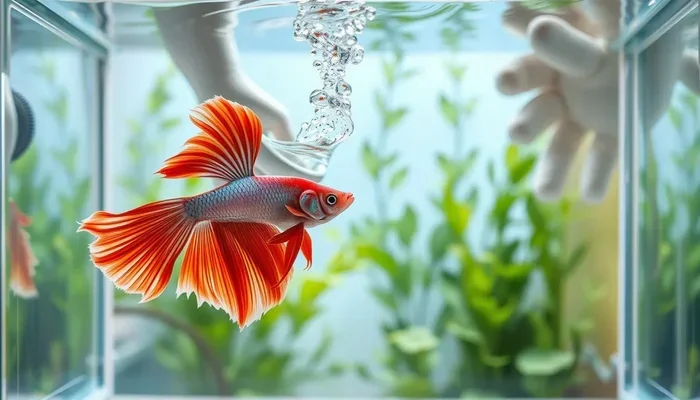
Your betta fish can start feeling better within 12 to 48 hours after eating bad food. Most mild digestive issues resolve quickly with proper care and fasting. Watch for key recovery signs like returning appetite and normal swimming behavior.
You just noticed your betta fish ate some bad food. Maybe the flakes were old, or the pellets had gone stale. Now you are wondering how soon will I feel better from eating bad fish. The good news is that most betta fish recover quickly with the right care.
Betta fish have sensitive digestive systems. When they eat something that does not agree with them, the effects can show up fast. But the good news is that recovery is usually quick too. In this guide, we will walk you through everything you need to know about your betta fish bouncing back from a bad meal.
We will cover the timeline, the signs to watch for, and simple steps you can take right now. Whether your betta has a mild stomach upset or something more serious, this article has you covered. Let us dive in.
Key Takeaways
- Quick Recovery: Most betta fish bounce back within 1 to 2 days after eating bad food.
- Fasting Helps: Skipping one or two feedings gives the digestive system time to reset.
- Watch for Warning Signs: Lethargy, bloating, and loss of appetite signal digestive distress.
- Water Quality Matters: Poor water conditions slow down recovery significantly.
- Prevention Is Key: Storing food properly and feeding the right amounts prevents most issues.
- Know When to Act: Persistent symptoms beyond 48 hours need attention.
📑 Table of Contents
- How Soon Will I Feel Better from Eating Bad Fish
- Why Does Bad Fish Food Make Betta Fish Sick
- Signs Your Betta Fish Is Recovering
- What To Do When Your Betta Eats Bad Food
- Preventing Future Digestive Issues
- When To Seek Veterinary Help
- Common Mistakes Bettas Owners Make During Recovery
- How to Keep Your Betta Fish Healthy Long Term
- Conclusion
How Soon Will I Feel Better from Eating Bad Fish
The recovery timeline depends on how bad the food was and how much your betta ate. Most betta fish start feeling better within 12 to 48 hours. Mild digestive issues clear up fast. But severe cases can take longer and need extra care.
Here is a general timeline of what to expect:
First 6 Hours After Eating Bad Food
During the first few hours, your betta may show signs of discomfort. You might notice bloating or unusual swimming behavior. Some bettas spit out their food right away. This is a natural defense mechanism. Your fish is telling you something is wrong.
6 to 24 Hours
This is the peak discomfort window. Your betta may stop eating completely. Lethargy is common. The stomach is working hard to process the bad food. Some fish may float oddly or have trouble staying upright. This is when swim bladder issues can appear.
24 to 48 Hours
Most betta fish start turning the corner during this window. Appetite begins to return. Swimming patterns normalize. The digestive system starts to clear out the offending food. This is a good sign that recovery is on track.
Beyond 48 Hours
If your betta has not improved after two days, you need to take action. Persistent symptoms could point to a deeper issue. Bacterial infections can set in if the gut is damaged. At this point, a closer look at water conditions and possible treatment is needed.
Why Does Bad Fish Food Make Betta Fish Sick
Understanding why bad food causes problems helps you prevent it in the future. Betta fish are carnivores. Their digestive systems are designed for protein-rich diets. When they eat spoiled or low-quality food, the results can be unpleasant.
Spoiled Food and Bacteria
Old fish food grows bacteria. When your betta eats contaminated food, the bacteria can upset the stomach. This leads to bloating, constipation, and loss of appetite. In some cases, harmful toxins from mold can damage the gut lining.
Poor Nutrition and Fillers
Cheap fish food often contains fillers that bettas cannot digest well. These fillers expand in the stomach and cause discomfort. Over time, poor nutrition weakens the immune system. A weakened immune system makes your betta more vulnerable to disease.
Overfeeding and Digestive Blockage
Sometimes the problem is not the food quality but the amount. Overfeeding causes digestive blockages. The stomach gets backed up, and your betta feels sluggish. This is closely related to eating too much, which can be just as dangerous as eating bad food.
Signs Your Betta Fish Is Recovering
Watching for recovery signs tells you your betta is on the mend. These are the positive changes you should see as your fish feels better.
- Return of Appetite: Your betta starts showing interest in food again. This is the first good sign.
- Normal Swimming: The fish swims upright and moves around the tank with energy.
- Bright Colors Return: Faded colors often bounce back as health improves.
- No More Bloating: The belly returns to its normal size and shape.
- Active Response: Your betta reacts to your presence and shows curiosity.
If you see these signs, your betta is likely on the road to recovery. Keep up the good care practices and avoid feeding for another day or two to let the stomach fully settle.
What To Do When Your Betta Eats Bad Food
Knowing the right steps makes a huge difference. Quick action can speed up recovery and prevent complications. Here is exactly what you should do.
Step 1: Stop Feeding Immediately
The first thing to do is stop all feeding. Giving the stomach a break is essential. Most experts recommend fasting your betta for 24 to 48 hours. This lets the digestive system flush out the bad food naturally. Fasting is safe for healthy adult bettas and will not harm them.
Step 2: Check the Water Quality
Poor water conditions make recovery harder. Test the ammonia, nitrite, and nitrate levels in the tank. Do a partial water change of about 25 percent. Clean water reduces stress and supports the immune system. If you are unsure about water testing, check out how to clean your betta fish tank for a step-by-step guide.
Step 3: Monitor Symptoms Closely
Watch your betta carefully during the recovery period. Look for any worsening symptoms. If your betta stops moving or shows signs of distress, you may need to take further action. Keep the water temperature stable at around 78 to 80 degrees Fahrenheit. Warm water helps digestion.
Step 4: Resume Feeding Carefully
After the fasting period, offer a small amount of high-quality food. Use only a few pellets or a tiny pinch of flakes. Watch how your betta responds. If the food is eaten eagerly and no symptoms return, you are on the right track. If problems continue, extend the fast by another 12 hours.
Preventing Future Digestive Issues
Prevention is always better than cure. Taking a few simple steps now can save your betta from future stomach problems. These habits keep your fish healthy and happy.
Store Food Properly
Keep fish food in a cool, dry place. Seal the container tightly after each use. Opened flakes lose their nutritional value within a few weeks. If the food smells off or looks discolored, throw it away. Fresh food is safe food.
Feed the Right Amount
Overfeeding is one of the most common mistakes betta owners make. Feed your betta only what it can eat in two minutes. A good rule of thumb is two to three pellets per feeding, twice a day. If you are unsure about portion sizes, learn more about how much to feed a betta fish to get it right.
Choose High-Quality Food
Invest in premium betta pellets or flakes. Look for brands with high protein content and minimal fillers. Frozen or live foods like brine shrimp are excellent supplements. A varied diet keeps your betta healthy and reduces the risk of digestive problems.
Stick to a Feeding Schedule
Consistency matters. Feed your betta at the same times each day. This helps regulate digestion and prevents overeating. If you are going on vacation, use an automatic feeder or ask someone to feed your betta properly. Find out more about feeding your betta fish on vacation before you travel.
When To Seek Veterinary Help
Most cases of digestive upset resolve on their own. But some situations need professional attention. Knowing the difference between a mild issue and a serious one is important.
Contact a fish veterinarian if you notice any of these warning signs:
- No improvement after 48 hours: If your betta is not recovering, something deeper may be going on.
- Visible wounds or discoloration: These can signal infection or disease.
- Constant floating or sinking: Persistent swim bladder problems need treatment.
- Refusal to eat for more than three days: Extended fasting is a red flag.
- Labored breathing or gasping at the surface: This could indicate poor water quality or a serious health issue.
Early intervention can make all the difference. Do not wait too long if symptoms are severe. Your betta depends on you to recognize when help is needed.
Common Mistakes Bettas Owners Make During Recovery
Even well-meaning owners can slow down recovery with common mistakes. Avoid these pitfalls to help your betta bounce back faster.
- Feeding Too Soon: Resuming food too early can restart the digestive problems. Wait until your betta shows genuine hunger.
- Changing All the Water: A full water change during recovery adds stress. Stick to partial changes only.
- Ignoring Water Temperature: Cold water slows digestion. Keep the tank warm and stable.
- Adding Medications Unnecessarily: Not every issue needs medication. Overmedicating can harm your betta more than help.
- Skipping Monitoring: Check on your betta several times a day during recovery. Catching problems early leads to faster solutions.
If your betta stops eating during recovery, do not panic. Temporary fasting is normal and even beneficial. For more guidance, read about what to do if your betta fish is not eating. It covers practical steps to encourage appetite without forcing food.
How to Keep Your Betta Fish Healthy Long Term
A healthy betta is a resilient betta. Strong fish recover faster from digestive issues and avoid them in the first place. Building good habits creates a foundation for long-term health.
Start with a clean tank. Regular water changes and proper filtration make a big difference. Test the water weekly and keep parameters stable. A well-maintained tank reduces stress and supports the immune system.
Next, focus on diet. Offer a balanced mix of pellets, flakes, and occasional treats like bloodworms or daphnia. Rotate food types to provide variety and complete nutrition. High-quality food is one of the best investments you can make for your betta’s health.
Finally, observe your betta daily. Spend a few minutes each day watching your fish. You will learn what normal behavior looks like. This makes it easy to spot problems early. Early detection leads to faster treatment and better outcomes.
Conclusion
So how soon will I feel better from eating bad fish? The answer is clear. Most betta fish start feeling better within 12 to 48 hours. With proper care, fasting, and clean water, your betta can recover fully and return to its vibrant, active self.
Remember to act quickly when you notice symptoms. Stop feeding, check water quality, and monitor your fish closely. Prevention through proper storage, quality food, and consistent feeding schedules keeps digestive problems from happening in the first place.
Your betta fish counts on you for its health and well-being. By staying informed and taking prompt action, you give your fish the best chance at a full and speedy recovery. Keep these tips in mind, and you will be well equipped to handle any digestive issues that come your way.
Frequently Asked Questions
How long does it take for a betta fish to recover from eating bad food?
Most betta fish recover within 12 to 48 hours. Mild digestive issues clear up faster with proper care. Severe cases may take longer and need extra attention. Fasting and clean water help speed up the process.
Can a betta fish die from eating bad food?
In most cases, bad food causes mild stomach upset that resolves quickly. However, spoiled food with harmful bacteria or toxins can cause serious illness. If symptoms persist beyond two days, seek help. Check out can betta fish die from eating too much for more on this topic.
Should I feed my betta fish during the recovery period?
No. Fasting for 24 to 48 hours gives the digestive system time to recover. Resume feeding only when your betta shows signs of hunger and normal behavior. Start with small amounts of high-quality food.
How can I tell if my betta fish is still sick from bad food?
Watch for persistent bloating, lethargy, loss of appetite, and abnormal swimming. If these symptoms last more than two days, the issue may be more serious. Use your observations to decide if veterinary help is needed.
What kind of fish food is best for betta fish?
High-quality betta pellets with high protein content are ideal. Frozen or live foods like brine shrimp make great supplements. Avoid cheap brands with lots of fillers. Proper nutrition prevents many digestive problems.
Can I use RO water in my betta fish tank during recovery?
Yes, but make sure the water parameters are balanced. RO water lacks minerals and needs remineralization. Stable, clean water supports faster recovery. Learn more about using RO water in your betta fish bowl for best practices.