How to Set Up a Betta Fish Tank Without Filter
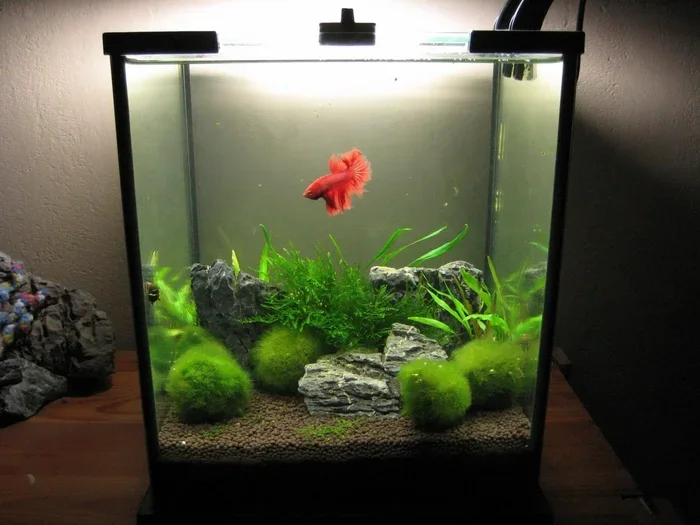
Setting up a betta fish tank without a filter is easier than you think. With the right tank size, regular water changes, and live plants, your betta can thrive in an unfiltered environment. This guide walks you through every step so you can create a safe and comfortable home for your fish.
Setting up a betta fish tank without a filter might sound risky at first. Many fish keepers assume a filter is absolutely necessary. But the truth is, bettas can live comfortably in an unfiltered tank when you set things up correctly.
If you have been searching for a simple and affordable way to house your betta, you are in the right place. This guide covers everything you need to know. From choosing the right tank to maintaining water quality, we have got you covered. By the end, you will feel confident about creating a healthy betta fish tank setup that works without a filter.
The key to success lies in understanding how waste builds up in small tanks and how to manage it naturally. With the right approach, your betta will live a long and happy life. Let us dive into the details.
Key Takeaways
- Choose at least a 5-gallon tank: Larger water volume dilutes waste and keeps conditions stable for your betta.
- Cycling the tank is essential: Even without a filter, you need beneficial bacteria to break down harmful toxins.
- Live plants act as natural filters: They absorb ammonia and help keep the water clean between water changes.
- Frequent water changes are non-negotiable: Expect to change 25-50% of the water every week to maintain quality.
- Avoid gravel vacuums that are too powerful: Gentle cleaning methods protect your betta and beneficial bacteria.
- Monitor water parameters regularly: Test ammonia, nitrite, and nitrate levels to catch problems early.
📑 Table of Contents
- Why Set Up a Betta Tank Without a Filter?
- Choosing the Right Tank Size for No Filter
- Cycling Your Betta Tank Without a Filter
- The Role of Live Plants in an Unfiltered Tank
- Water Change Schedule and Maintenance
- Keeping the Water Warm Without a Heater
- Common Mistakes to Avoid
- Final Thoughts on Setting Up a Betta Tank Without a Filter
Why Set Up a Betta Tank Without a Filter?
You might wonder why anyone would skip a filter. There are actually several good reasons. Some people want a simpler setup. Others prefer a more natural look. And some betta owners just want fewer gadgets to maintain.
Here are the main benefits of going filter-free:
- Less noise: Filters can create bubbling and humming sounds that disturb a calm environment.
- Lower cost: You save money on the filter unit and replacement media.
- Easier maintenance: Fewer parts mean fewer things to clean or replace.
- Natural appearance: An unfiltered tank looks more organic and peaceful.
- Less strong current: Bettas prefer gentle water flow, and filters can sometimes create too much movement.
That said, going without a filter means you take on more responsibility for water quality. You cannot rely on mechanical or chemical filtration to do the heavy lifting. Instead, you need to build a system that works with nature. If you are willing to put in the effort, this setup can work beautifully.
Choosing the Right Tank Size for No Filter
The most important decision you make is the tank size. Bigger water volume gives your betta more room and dilutes waste products more effectively. This makes it much easier to maintain stable conditions without a filter.
Minimum Tank Size Recommendations
Most experts agree that a 5-gallon tank is the minimum for a betta without a filter. Here is a quick look at tank sizes and what they mean for maintenance:
- 1-2 gallons: Not recommended. Waste builds up too fast, and water parameters crash easily.
- 3-5 gallons: Acceptable with diligent water changes. This is the sweet spot for most beginners.
- 5-10 gallons: Ideal. More stable water chemistry and room for live plants.
- 10+ gallons: Excellent. Easier to manage, but requires more space and planning.
If you want more guidance on selecting the proper size, check out our article on how big a betta fish tank needs to be. It covers all the details you need to make the right choice.
Remember, a larger tank gives you more buffer room. Mistakes happen, and a bigger tank gives you time to catch and fix problems before they harm your fish.
Cycling Your Betta Tank Without a Filter
This is the step most people skip, and it causes problems. Cycling means growing beneficial bacteria that convert toxic ammonia into less harmful substances. Even without a filter, you still need these bacteria in your tank.
What Is Tank Cycling?
Cycling is the process of establishing a colony of good bacteria in your tank. These bacteria live on surfaces like substrate, decorations, and plant roots. They break down fish waste and keep the water safe.
Without a filter, you rely on these bacteria colonies living on every surface in the tank. That is why it is so important to be patient and cycle properly before adding your betta.
How to Cycle Without a Filter
Here is a simple method for cycling your betta tank without a filter:
- Fill the tank with dechlorinated water and add a source of ammonia. This can be fish food or a small amount of pure ammonia.
- Let the tank sit at room temperature for 24-48 hours.
- Add a small amount of ammonia daily to feed the growing bacteria.
- Test the water every few days with a liquid test kit.
- Wait until ammonia and nitrite levels read zero, and nitrate is present.
- Once cycling is complete, do a large water change before adding your betta.
This process takes about 4-6 weeks. It feels slow, but rushing it will cause ammonia spikes that can harm or kill your fish. Patience is your best friend here.
If you want to learn more about this process, our article on how to cycle a betta tank without fish provides a step-by-step walkthrough that makes cycling much easier to understand.
The Role of Live Plants in an Unfiltered Tank
Live plants are your best friend when running a betta fish tank without a filter. They serve as a natural filtration system and provide many other benefits for your fish.
How Plants Help Keep Water Clean
Live plants absorb ammonia, nitrites, and nitrates directly from the water. They use these compounds as nutrients for growth. In return, they release oxygen and create a healthier environment for your betta.
Some great plant options for betta tanks include:
- Java moss: Easy to grow and provides excellent surface area for beneficial bacteria.
- Anubias: Hardy and low-maintenance. Bettas love resting on the broad leaves.
- Java fern: Thrives in low light and does not need special substrate.
- Amazon sword: Larger plant that absorbs a lot of nutrients from the water.
- Water wisteria: Fast grower that helps keep nutrients in check.
Plants also reduce algae growth by competing for the same nutrients. A well-planted tank stays cleaner longer and needs less frequent water changes. For more ideas on arranging your tank, you might enjoy our guide on how to decorate a betta fish tank.
Water Change Schedule and Maintenance
Without a filter, your tank depends on you to remove waste. The most effective way to do this is through regular water changes. Think of it as the engine that keeps your unfiltered tank running smoothly.
How Often Should You Change the Water?
For a betta tank without a filter, you should plan on changing water at least once a week. Here is a simple schedule based on tank size:
- 3-5 gallon tank: Change 30-40% of the water every 5-7 days.
- 5-10 gallon tank: Change 20-30% of the water every 7 days.
- 10+ gallon tank: Change 15-20% of the water every 7 days.
Always use a water conditioner like Seachem Prime or API Tap Water Conditioner to remove chlorine and chloramine from tap water. These chemicals are harmful to bettas and can damage your beneficial bacteria colonies.
Tips for Stress-Free Water Changes
Water changes do not have to be complicated. Here are some quick tips:
- Use a turkey baster or small siphon to remove dirty water from the surface.
- Match the temperature of new water to the tank water. Bettas are sensitive to temperature swings.
- Never replace all the water at once. This strips away beneficial bacteria and shocks your fish.
- Clean the glass with a soft algae pad during each water change.
If you want a more thorough cleaning routine, our article on how to clean a betta fish tank without a filter covers detailed cleaning methods that work great for unfiltered setups.
Keeping the Water Warm Without a Heater
Bettas are tropical fish and need warm water to stay healthy. The ideal temperature range is between 78 and 80 degrees Fahrenheit. Without a filter, you might also be wondering about heating options.
While a heater is highly recommended, some owners keep their bettas warm without one. This works best in warm rooms or during summer months. If you live in a cooler climate, investing in a small 5-watt heater is a wise choice. It is inexpensive and keeps the temperature stable.
For tips on maintaining warmth without a heater, check out our guide on how to keep my betta fish warm without a heater. It shares practical methods for keeping your betta comfortable in any season.
Common Mistakes to Avoid
Setting up an unfiltered betta tank comes with its own set of challenges. Here are the most common mistakes new owners make:
- Using too small a tank: A 1-gallon bowl is not enough for a betta long-term. It leads to poor water quality and stress.
- Skipping the cycle: Adding your betta to an uncycled tank is one of the fastest ways to cause ammonia poisoning.
- Overfeeding: Excess food decays quickly and spikes ammonia levels. Feed small amounts once or twice a day.
- Changing all the water at once: This destroys beneficial bacteria and destabilizes the entire tank.
- Ignoring water testing: You cannot see ammonia or nitrite. A liquid test kit is essential for monitoring water quality.
- Overcrowding the tank: Even in a filter-free setup, adding too many fish or creatures increases waste production.
Avoiding these mistakes will save you a lot of headaches. Your betta will be healthier, and you will enjoy the hobby more.
Final Thoughts on Setting Up a Betta Tank Without a Filter
A betta fish tank without a filter is absolutely doable with the right approach. The key is choosing a large enough tank, cycling properly, adding live plants, and staying on top of water changes. It requires more hands-on work than a filtered setup, but the reward is a beautiful, natural environment for your betta to thrive in.
Start small if you are new to this. A 5-gallon tank with a few easy plants and a consistent maintenance routine is the perfect place to begin. As you gain confidence, you can expand to larger tanks and more complex plant setups.
Remember, your betta depends on you for a clean and safe home. Every water change, every test, and every plant you add contributes to a happier, healthier fish. The effort is worth it when you see your betta swimming happily in a crystal-clear tank.
Frequently Asked Questions
Can betta fish really live without a filter?
Yes, bettas can live without a filter as long as the tank is properly cycled and you perform regular water changes. The key is maintaining good water quality through natural methods and consistent maintenance routines.
How often do I need to change the water in an unfiltered betta tank?
For a 5-gallon tank, aim to change 25-30% of the water every 5 to 7 days. Smaller tanks need more frequent changes, while larger tanks can stretch the interval slightly. Always test the water before and after each change.
What size tank is best for a betta without a filter?
A 5-gallon tank is the minimum recommended size. A 10-gallon tank is even better because it provides more stable water conditions and gives your beneficial bacteria more space to colonize. Avoid tanks under 3 gallons for an unfiltered setup.
Do live plants really help keep the water clean?
Yes, live plants absorb ammonia, nitrites, and nitrates from the water. They act as a natural filtration system and also oxygenate the water. Plants like java moss, anubias, and java fern are excellent choices for betta tanks.
Can I use a sponge filter instead of a regular filter?
Yes, a sponge filter is a great low-flow alternative. It provides gentle mechanical and biological filtration without creating strong currents that stress bettas. It is also easy to clean and affordable to replace.
How do I know if my unfiltered tank is cycled properly?
Use a liquid test kit to check ammonia, nitrite, and nitrate levels. A properly cycled tank will show zero ammonia, zero nitrite, and some nitrate present. Test the water weekly to ensure parameters stay stable.