How Do Betta Fish Kill One Another

Betta fish are naturally territorial and can kill one another due to aggression, stress, and poor tank setup. Understanding why betta fish attack each other is the first step to keeping your fish safe. This guide covers the real reasons behind betta fish fighting, warning signs to watch for, and practical steps to prevent deadly encounters in any aquarium.
Betta fish are beautiful, colorful creatures that captivate fish keepers around the world. But there is a dark side to these stunning animals. Betta fish can and do kill one another, and it happens more often than most people realize. If you own bettas or are thinking about getting them, understanding why this happens is essential.
Many new fish owners assume bettas can live together peacefully. That assumption can be fatal. Betta fish aggression is not random — it comes from deep-rooted instincts, environmental stress, and poor housing conditions. When you understand the root causes, you can take real steps to protect your fish.
This article breaks down exactly how betta fish kill one another, what triggers these deadly encounters, and what you can do to stop them. Whether you already keep bettas or are planning a new setup, the information here will help you create a safer environment for your fish.
Key Takeaways
- Territorial Nature: Betta fish are built to defend space, and this instinct can turn deadly when they share a tank.
- Male Betta Fish Are the Biggest Culprits: Two males should never be housed together — it almost always ends in death.
- Stress Triggers Aggression: Poor water conditions, small tanks, and lack of hiding spots make betta fish more likely to fight.
- Know the Warning Signs: Flaring, chasing, fin damage, and hiding are clear signals that your fish are in danger.
- Prevention Works: The right tank size, tank mates, and setup can completely eliminate the risk of betta fish killing each other.
- Act Fast After a Fight: Immediate separation and treatment can save a wounded betta fish from dying.
📑 Table of Contents
Why Do Betta Fish Kill Each Other?
The short answer is instinct. Betta fish, also known as Siamese fighting fish, were bred for centuries to fight. Their aggression is not just a personality trait — it is wired into their DNA. In the wild and in captivity, bettas defend their territory fiercely. When two bettas are placed too close together, one or both may attack until the other is dead.
Betta fish fighting is not always a quick event. Sometimes it plays out over hours or days. One fish wears the other down through constant chasing, nipping, and intimidation. The weaker fish becomes stressed, stops eating, and eventually succumbs to exhaustion or injury. This slow decline is one of the most heartbreaking things a fish keeper can witness.
Betta fish aggression causes go beyond just placing two males in the same tank. Even male and female pairs can turn deadly. Understanding the specific triggers helps you prevent these situations before they start.
Territorial Behavior and Territory Wars
Betta fish are territorial by nature. In the wild, each male claims a small patch of water and defends it against rivals. When two bettas share a space, they see each other as threats. The result is a territory war that can end in death.
Even in larger tanks, bettas may not accept a tank mate. The presence of another colorful fish can trigger aggression. This is why betta fish tank mates need to be chosen carefully. Not every fish can coexist with a betta, and some combinations are simply too risky.
The Role of Flaring and Intimidation
Flaring is one of the most visible signs of betta aggression. When a betta flares its gills and spreads its fins, it is trying to look bigger and more threatening. This display is meant to scare off rivals without a physical fight. But sometimes flaring escalates into chasing and biting.
Constant flaring also causes chronic stress. A fish that is always on alert cannot rest or eat properly. Over time, this stress weakens the immune system and makes the fish vulnerable to disease. Betta fish stress is a silent killer that often goes unnoticed until it is too late.
Male vs Female Betta Fish Aggression
The level of aggression differs between male and female bettas, but both can be dangerous. Knowing these differences helps you make smarter decisions about tank setup and housing.
Male Betta Fish: The Most Dangerous
Male betta fish are the most aggressive of the two sexes. They have long, flowing fins and vivid colors that make them stand out — and make them targets. Two male bettas should never be kept in the same tank. The outcome is almost always fatal for one or both fish.
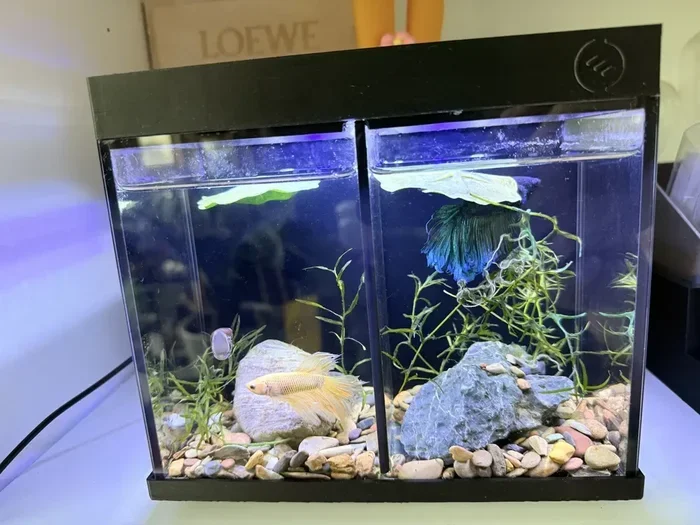
Male bettas will fight to the death in small containers. Even in larger tanks with dividers, the constant visibility through the barrier can cause stress and exhaustion. Some fish keepers report that males continue to flare and fight for weeks, never truly resting.
If you want to keep multiple males, the only safe option is separate tanks. Each male needs his own space with no visual contact. This prevents the territorial instinct from triggering.
Female Betta Fish: The Sorority Challenge
Female bettas are less aggressive than males, but they are not peaceful. A group of females, called a sorority tank, can work — but it requires careful planning. Five or more females in a large tank with plenty of hiding spots can reduce aggression.
Even in a sorority setup, fights break out. One female may establish dominance and bully the others. The weaker fish can become targets for fin nipping and relentless chasing. In some cases, this leads to injury or death.
Female bettas also kill their own babies in some situations. If you are breeding bettas, you need to remove the female after spawning. To learn more about this behavior, check out do betta fish kill their babies.
Male and Female Pairs: Risky Business
Keeping one male and one female together is sometimes attempted by experienced fish keepers. Even then, it carries serious risk. The male may view the female as a threat or become overly aggressive during breeding. Do betta fish kill each other when they mate? Yes, they can. The mating process itself can turn violent if the female is not ready or if the male is too aggressive.
For more details on this topic, visit our guide on do betta fish kill each other when they mate.
Signs Your Betta Fish Is Being Attacked
Catching the early signs of aggression can save a fish’s life. Betta fish do not always show obvious wounds right away. The damage builds up over time, and by the time you notice, it may be too late.
Here are the most common signs that your betta is being attacked:
- Torn or ragged fins: This is one of the first visible signs. Another fish is nipping at the fins.
- Constant hiding: A stressed betta will hide behind decorations or in corners.
- Loss of appetite: A fish that stops eating is in trouble.
- Clamped fins: When a betta holds its fins close to its body, it is stressed or in pain.
- White patches or spots: These can appear from injuries or stress-induced illness.
- Lethargy: A once-active fish that suddenly becomes still needs help.
- Flaring at nothing: If your betta flares at its own reflection or at an invisible threat, the tank environment may be causing anxiety.
If you notice any of these signs, act quickly. Separate the fish and examine for wounds. Delaying action can result in a betta fish death that could have been prevented.
How to Tell If a Betta Is Dying After a Fight
Sometimes the damage from a fight is not immediately visible. A betta may seem fine after an attack but decline over the next few days. How do you know a betta fish is dying? Look for rapid gilling, loss of color, floating at the surface, and complete refusal to eat. These are emergency signs that require immediate attention.
How to Prevent Betta Fish Fights
The best way to deal with betta aggression is to prevent it entirely. A well-planned tank setup removes the triggers that cause fighting. Here is how to do it.
Choose the Right Tank Size
A small bowl or tank is one of the biggest causes of betta aggression. When fish have no room to establish separate territories, they clash. A 5-gallon tank is the minimum for a single betta. For a sorority or community setup, go much larger — 20 gallons or more.
More space means less confrontation. Fish can retreat to different areas, reducing the chance of repeated encounters that lead to fighting.
Add Plenty of Hiding Spots
Plants, caves, and decorations give bettas places to retreat. When a fish feels it has an escape route, it is less likely to engage in prolonged fights. Live plants work especially well because they break up lines of sight and create natural barriers.
Monitor Water Conditions
Poor water quality causes stress, and stressed fish are aggressive fish. Test your water regularly for ammonia, nitrite, and nitrate levels. Keep the temperature between 76 and 82 degrees Fahrenheit. Clean water keeps your bettas healthy and less prone to betta fish aggression.
Be Careful With Tank Mates
Not every fish can live with a betta. Avoid fish with bright colors or long fins, as bettas may see them as rivals. Good tank mates include corydoras catfish, kuhli loaches, and certain species of tetra. Always research any new addition before adding it to your betta fish tank.
What to Do After a Betta Fish Fight
If you witness a fight, immediate action is critical. The longer an injured fish stays with an aggressor, the worse the outcome will be.
- Separate the fish immediately. Use a divider or move one fish to a different tank.
- Examine all wounds. Look for torn fins, bite marks, and signs of infection.
- Treat injuries with aquarium salt or a mild antiseptic. A salt bath for betta fish can help prevent infection and promote fin regrowth.
- Monitor the injured fish closely for the next 48 hours. Watch for signs of shock or decline.
- Do not reintroduce the fish until you are certain the aggression has stopped. In many cases, permanent separation is the only safe option.
If you are dealing with a sick or injured betta, our guide on how do you cure a sick betta fish offers practical treatment steps that can make a real difference.
Can a Betta Fish Survive After Being Attacked?
Many bettas recover fully if the attack is caught early and the wounds are treated. However, severe attacks can cause internal damage that is not always visible. A fish that seems fine after a fight may develop infections days later. Always quarantine injured fish and watch them closely.
To understand the broader picture of how bettas interact with other species, you might want to read about do betta fish kill all other fish.
Common Mistakes That Lead to Betta Fish Deaths
Most cases of betta fish killing one another come from preventable mistakes. Here are the errors that cost fish their lives:
- Keeping two males in one tank: This is the number one cause of betta deaths. Never do it.
- Using a tank that is too small: A cramped space forces fish into constant contact.
- Skipping hiding places: Fish without escape routes cannot de-escalate confrontations.
- Ignoring early warning signs: Flaring and chasing might seem harmless, but they are the beginning of a serious problem.
- Overcrowding the tank: Too many fish in one space increases competition and stress.
Each of these mistakes is easy to avoid with a little planning. The goal is to create an environment where your bettas feel safe and secure, not threatened.
Expert Insight: What Aquarists Say About Betta Aggression
Experienced fish keepers agree that betta fish behavior is predictable once you understand their instincts. The key is respecting their need for space and territory. Experienced aquarists recommend always having a backup tank ready for separation. When aggression flares, being prepared can mean the difference between life and death.
Final Thoughts
Betta fish killing one another is a serious issue that every fish keeper should understand. The causes are clear — territory, stress, poor setup, and instinct. The solutions are within your control. With the right tank size, proper decorations, careful tank mate selection, and close monitoring, you can keep your bettas safe and healthy.
Remember that every betta fish is an individual. Some are more aggressive than others, and you cannot always predict how a fish will react to a new tank mate. When in doubt, separate them. It is always better to be safe than to lose a fish.
Take what you have learned here and apply it to your own setup. Your bettas will live longer, healthier lives when you understand their needs and respect their nature. Preventing betta fish fights starts with knowledge, and you now have that knowledge.
Frequently Asked Questions
Can two male betta fish ever live together safely?
In almost all cases, two male bettas cannot live together. Their natural instinct is to fight, and even large tanks with dividers do not always prevent aggression. The safest choice is to keep each male in a separate tank with no visual contact.
What should I do if my betta fish is bleeding after a fight?
Separate the injured fish immediately and examine the wound. Treat it with aquarium salt or a mild antiseptic recommended for freshwater fish. Keep the water clean and warm, and monitor the fish closely for the next 48 hours. If the bleeding does not stop or the fish stops eating, consult a veterinarian who specializes in fish.
Do betta fish kill other types of fish too?
Yes, bettas can kill other fish, especially smaller or brightly colored species. They may view other fish as rivals or see long-finned fish as threats. To learn more about how bettas interact with other species, check out our article on do betta fish kill all other fish.
How can I tell if my tank is too small for multiple bettas?
If your fish are constantly flaring at each other, chasing, or hiding, the tank may be too small. A general rule is at least 5 gallons per betta, and more for community setups. Watch for signs of stress like clamped fins, loss of color, or refusal to eat.
Can female bettas kill each other in a sorority tank?
Yes, female bettas can and do kill each other in sorority tanks. While they are less aggressive than males, dominance hierarchies can lead to bullying and fatal attacks. Always provide at least five females in a 20-gallon or larger tank with plenty of hiding spots to reduce the risk.
How long does it take for a betta fish to recover from a fight?
Minor injuries like torn fins can heal within two to four weeks with proper care and clean water. More serious wounds or internal injuries may take longer, and some fish never fully recover. Quick action and separation after a fight greatly improve the chances of survival.