How Often to Feed Male Betta Fish

Knowing how often to feed male betta fish is one of the most important parts of keeping your fish healthy and happy. Male bettas need a consistent feeding routine with the right portions to avoid overfeeding and digestive problems. This guide covers everything from daily feeding schedules to the best food types and common mistakes to avoid.
If you own a male betta fish, you probably wonder about the right feeding routine. How often to feed male betta fish is a question every betta owner asks at some point. The answer is simpler than you might think, but getting it right makes a huge difference in your fish’s health and lifespan.
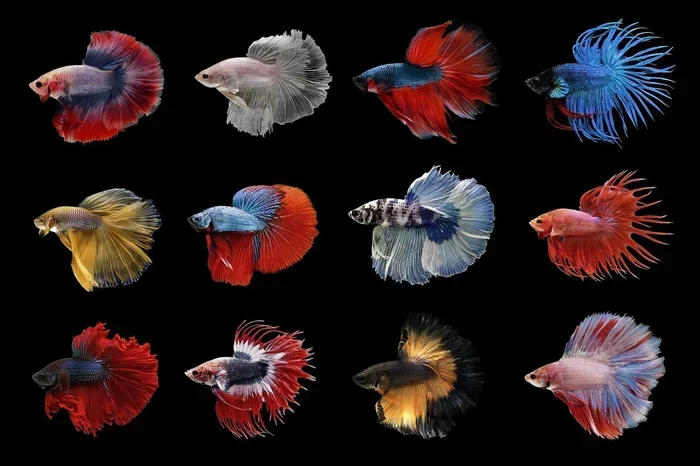
Male bettas are beautiful, vibrant fish with long flowing fins. They need proper nutrition to stay colorful, active, and healthy. A good feeding routine keeps their immune system strong and their energy levels high. On the other hand, poor feeding habits can lead to serious health problems. Overfeeding is the most common mistake new betta owners make, and it can be deadly.
In this guide, we will walk through everything you need to know about feeding your male betta. We will cover how often to feed, how much to give, what foods to use, and the mistakes you should avoid. By the end, you will feel confident about your betta’s daily feeding routine.
Key Takeaways
- Feed male betta fish once or twice a day: A small portion in the morning and an optional smaller portion in the evening works best.
- Watch portion sizes carefully: Only give what your betta can eat in 2 to 3 minutes to prevent overfeeding.
- Variety matters: Rotate between pellets, flakes, frozen foods, and live foods for balanced nutrition.
- Skip feeding once a week: A fasting day helps prevent constipation and keeps the digestive system healthy.
- Overfeeding is the biggest mistake: It leads to bloating, poor water quality, and serious health issues.
- Adjust feeding based on age and activity: Young bettas need more frequent meals, while older fish do better with less food.
📑 Table of Contents
How Often Should You Feed a Male Betta Fish?
The short answer is once or twice a day. Most experts agree that feeding your male betta fish one to two times daily is the sweet spot. This mimics their natural eating pattern in the wild, where they eat small meals throughout the day.
Here is a simple daily feeding schedule you can follow:
- Morning feeding: Give a small portion of pellets or flakes once the lights are on.
- Evening feeding (optional): Offer a second small portion 8 to 10 hours later.
- Fasting day: Skip one full feeding day per week to help digestion.
Stick to a consistent schedule. Bettas thrive on routine. Feeding at the same times each day helps regulate their metabolism and keeps their appetite predictable. If you are away for a day or two, your betta can easily skip a meal without any harm.
Why Once or Twice a Day Works Best
Male bettas have small stomachs, roughly the size of their eye. They cannot handle large meals. Feeding them too much at once causes bloating and digestive issues. Spreading the food into smaller portions throughout the day is much better for their system.
Also, feeding too frequently can pollute the water. Uneaten food breaks down and releases ammonia, which is harmful to your fish. Keeping feedings to once or twice a day helps maintain clean water conditions. For more details on feeding frequency, check out this guide on how often to feed a betta fish.
How Much Food Should You Give Each Feeding?
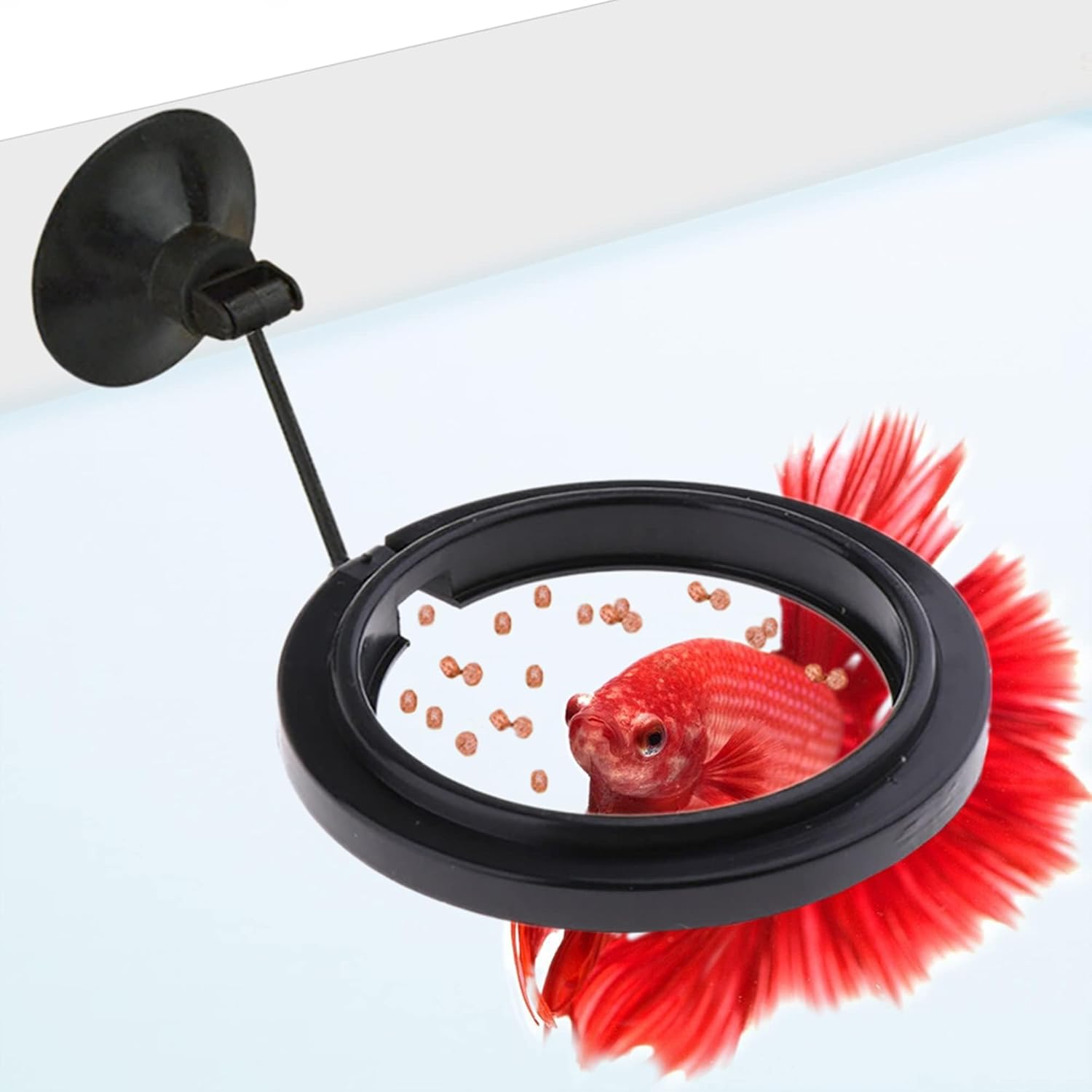
Portion control is just as important as feeding frequency. The general rule is to give your male betta only what he can eat in 2 to 3 minutes. If there is leftover food after that time, you have given too much.
A good starting point is 2 to 3 pellets per feeding. You can adjust based on how quickly your betta eats. Some bettas are fast eaters and will devour everything quickly. Others are slower and need smaller portions.
Here are some helpful tips for measuring the right amount:
- Use the eyeball rule: The portion should be roughly the size of your betta’s eyeball.
- Watch your fish eat: If food is left after 3 minutes, reduce the next portion.
- Remove uneaten food: Use a small net or turkey baster to clean up leftovers.
Getting the portion right prevents obesity, constipation, and water quality problems. For a more detailed breakdown of portions, you can read about how many pellets to feed betta fish daily.
Best Foods for Male Betta Fish
What you feed your male betta matters just as much as how often you feed him. A varied diet keeps your fish healthy, colorful, and active. Bettas are carnivores by nature, so they need protein-rich foods.
Betta Pellets (The Staple Diet)
High-quality betta pellets should be the foundation of your fish’s diet. Look for pellets that list fish meal or whole fish as the first ingredient. Avoid pellets filled with fillers like corn or wheat. These offer little nutritional value.
Soak pellets before feeding them. Dry pellets expand in the stomach, which can cause bloating. A quick soak for a few minutes makes them easier to digest. Most bettas love pellets and will recognize feeding time quickly.
Betta Flakes
Flakes are another option, but they are not ideal as the main diet. They tend to lose nutritional value quickly once the container is opened. They also dissolve fast in water, which can dirty the tank. If you use flakes, give only a tiny pinch and remove any uneaten flakes within a few minutes.
For more specific guidance on flakes, check out this article about how often do you feed betta fish flakes.
Frozen and Live Foods
Frozen or live foods make excellent treats and add variety to your betta’s diet. Some great options include:
- Bloodworms: Rich in protein, bettas love them. Feed sparingly as a treat.
- Brine shrimp: Great for boosting energy and color.
- Daphnia: Helps with digestion and makes a good fasting-day alternative.
- Mosquito larvae: A natural food source that bettas enjoy in the wild.
Treats like these should only make up about 10 to 20 percent of the diet. The rest should come from quality pellets. Too many treats can lead to nutritional imbalances.
Common Feeding Mistakes to Avoid
Even experienced betta owners make feeding mistakes. Knowing what to avoid will save you a lot of trouble. Here are the most common errors people make when feeding their male bettas.
Overfeeding
This is the number one mistake. Many owners think a full belly equals a happy fish. But bettas will eat almost anything you give them, even when they are full. Overfeeding leads to constipation, bloating, and a condition called dropsy, which can be fatal.
Signs of overfeeding include:
- A swollen or bloated belly
- Uneaten food sinking to the bottom
- Cloudy water shortly after feeding
- Lethargy or loss of appetite
If you notice these signs, reduce the portion size immediately and consider adding a fasting day.
Feeding the Wrong Foods
Not all fish foods are created equal. Tropical flakes made for community tanks do not give bettas the protein they need. Bettas need a diet that is at least 30 to 40 percent protein. Always choose foods specifically designed for bettas or carnivorous fish.
Ignoring Fasting Days
Some owners feed their bettas every single day without a break. This puts extra strain on the digestive system. Skipping one day of feeding per week gives the gut a chance to process any remaining food and reset the appetite. Many experienced betta keepers swear by weekly fasting days.
Special Feeding Situations
Sometimes your normal feeding routine needs to change. Understanding these situations helps you keep your betta healthy no matter what.
Feeding a Young Betta Fish
Baby and juvenile bettas grow quickly and need more frequent feedings. Young bettas do well with 2 to 3 small feedings per day. Use crushed pellets or very small portions of live food like baby brine shrimp. As your betta matures, you can reduce feedings to once or twice a day.
Feeding Your Betta While on Vacation
Going on vacation does not mean your betta will starve. A healthy male betta can easily go 3 to 5 days without food. For longer trips, you have a few options:
- Automatic feeder: A small fish feeder dispenses pellets at set times.
- Ask a friend: Give clear feeding instructions and the right portion size.
- Pre-portioned food: Leave labeled containers for each day.
For more detailed vacation feeding tips, check out this guide on how to feed your betta fish while on vacation.
Feeding a Sick or Recovering Betta
If your betta is sick, his appetite may change. Some illnesses cause bloating, which means you should skip feeding for a day or two. Other conditions require easy-to-digest foods like daphnia. Always research the specific illness and adjust the diet accordingly.
How Feeding Affects Your Betta’s Health
The connection between feeding and health is strong. A proper feeding routine supports every aspect of your betta’s well-being. Here is what good feeding habits can do for your male betta:
- Brighter colors: A protein-rich diet brings out the vivid reds, blues, and greens in your betta’s fins.
- More energy: Well-fed bettas are active and curious, exploring their tank throughout the day.
- Stronger immune system: Proper nutrition helps your betta fight off infections and diseases.
- Better digestion: Consistent portions and fasting days keep the digestive system working smoothly.
- Longer lifespan: Bettas that are fed correctly can live 3 to 5 years or even longer.
On the flip side, poor feeding habits lead to health problems. Obesity, swim bladder issues, and water quality problems all stem from incorrect feeding. Taking the time to get the routine right is one of the best things you can do for your fish.
Understanding how often to feed male betta fish is really about finding a balance. You want enough food to keep your fish nourished without overdoing it. A consistent schedule, proper portions, and high-quality foods are the three pillars of a great feeding routine.
If you want to dive deeper into the overall care routine, this article on how to take care of a betta male fish covers everything from feeding to tank setup and water maintenance.
Quick Tips for a Perfect Feeding Routine
Here is a quick recap of the best practices to keep in mind every day:
- Feed at the same times each day to build a routine.
- Give only what your betta can eat in 2 to 3 minutes.
- Use high-quality betta pellets as the main food.
- Add frozen or live foods as occasional treats.
- Skip one feeding day per week for digestive health.
- Remove any uneaten food right after feeding.
- Watch your betta’s body shape and adjust portions as needed.
These simple habits will keep your male betta healthy, happy, and thriving for years to come. Feeding might seem like a small part of fish keeping, but it has a huge impact on your betta’s quality of life.
Conclusion
How often to feed male betta fish comes down to a simple routine: once or twice a day with proper portions. Keep the feeding schedule consistent, choose high-quality foods, and never skip the weekly fasting day. Avoid overfeeding at all costs, because it causes more problems than underfeeding ever will. With the right approach, your male betta will stay vibrant, active, and healthy. Start applying these tips today and watch your betta thrive.
Frequently Asked Questions
Can I feed my male betta fish three times a day?
Feeding three times a day is not recommended for most male bettas. Their small stomachs can only handle small portions, and extra feedings increase the risk of overfeeding. Stick to once or twice a day for the best results.
What happens if I overfeed my male betta?
Overfeeding causes bloating, constipation, and poor water quality. Uneaten food decays in the tank and raises ammonia levels, which can make your betta seriously ill. If you notice a swollen belly, reduce portions and add a fasting day.
Can male betta fish eat flakes instead of pellets?
Yes, but flakes should not be the main food. They dissolve quickly and lose nutrients fast. If you use flakes, give only a tiny amount and make sure your betta eats them within a few minutes. Pellets are a better staple option.
How long can a male betta fish go without eating?
A healthy male betta can go 3 to 5 days without food without any problems. In fact, a weekly fasting day is beneficial for digestion. If you are going on a short trip, your betta will be perfectly fine without food for a few days.
Should I feed my betta right after turning on the lights?
Yes, feeding your betta shortly after the lights come on works well. This mimics their natural feeding time in the wild. A consistent morning feeding time helps your betta develop a predictable appetite and routine.
Are live foods better than pellets for male bettas?
Live foods are excellent as treats and supplements, but pellets should be the foundation of the diet. Pellets are nutritionally balanced and convenient. Live foods add variety and excitement but should not replace a staple pellet diet.