How Do I Get My Betta Fish Color Back
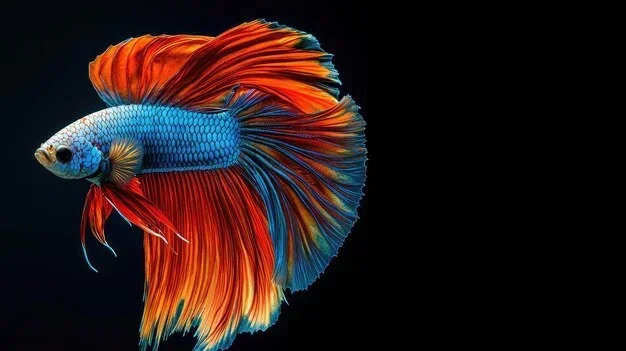
Wondering how do i get my betta fish color back? Fading color in betta fish is often caused by stress, poor water quality, inadequate diet, or illness. By improving tank conditions, feeding color-enhancing foods, reducing stress, and monitoring health, you can help your betta regain its brilliant hues. This guide covers every proven method to restore your betta fish vibrant colors safely and effectively.
Your betta fish used to glow with brilliant blues, deep reds, and vivid greens. Now it looks pale, dull, or washed out. If you have been Googling how do i get my betta fish color back, you are not alone. This is one of the most common concerns among betta fish owners, and the good news is that there are real, proven solutions.
Color loss in betta fish can happen for many reasons. Sometimes it is something simple like a change in diet. Other times, it signals a deeper issue with water quality or health. Either way, the right approach can bring your fish’s colors back to life. Let us walk through every method that actually works.
Before diving in, it helps to understand why betta fish lose their color in the first place. Bettas produce pigments in their skin cells called chromatophores. These pigments respond to environment, health, diet, and stress levels. When something goes wrong, the pigments fade. The great thing is that most causes of betta fish color loss are reversible with the right care.
Key Takeaways
- Water quality is #1: Clean, properly heated water is the foundation for color recovery in betta fish.
- Diet matters hugely: Feeding color-enhancing foods like brine shrimp and bloodworms can dramatically restore vibrancy.
- Stress kills color: Reducing tank stressors like bright lights, aggressive tank mates, and sudden changes helps bettas regain their pigment.
- Lighting plays a role: The right aquarium lighting can enhance and bring out natural betta fish colors.
- Patience is key: Color restoration takes time, usually 2 to 6 weeks with consistent care.
- Genetics matter: Some bettas naturally have less intense colors, and that is perfectly normal.
- Monitor for illness: Sudden color loss often signals sickness that needs immediate attention.
📑 Table of Contents
Understanding Why Betta Fish Lose Their Color
To restore your betta’s color, you first need to know what caused it. Color fading rarely happens for just one reason. It is usually a combination of factors that build up over time. Here are the most common culprits behind betta fish color fading.
Stress and Environmental Factors
Stress is the number one enemy of vibrant betta colors. When a betta fish gets stressed, its body redirects energy away from pigment production. Instead, it focuses on survival. This is a natural defense mechanism, but it makes your fish look pale and dull.
Common stressors include:
- Dirty water with high ammonia or nitrite levels
- Water temperature that is too cold or too hot
- Bright, harsh lighting all day long
- Aggressive tank mates or constant chasing
- Sudden changes in water parameters
- Keeping the betta in a tiny bowl with no enrichment
Even something as simple as placing the tank near a loud television or a window with direct sunlight can stress your betta out. Bettas are sensitive creatures, and their betta fish color change often shows up before other symptoms of distress.
Poor Water Quality
Dirty water is the silent killer of betta fish color. When ammonia and nitrates build up in the tank, it affects the fish’s skin, immune system, and overall health. A betta living in poor water will slowly lose its luster and vibrancy.
Regular water changes and proper filtration are essential. If you have not been keeping up with tank maintenance, this alone could be the reason your fish looks faded. Learning how do i clean my betta fish tank properly is one of the most important steps toward restoring color.
Inadequate Nutrition
What your betta eats directly impacts its color. A diet lacking in specific nutrients and pigments will lead to dull, faded skin over time. Bettas are carnivores, and they need protein-rich foods with natural color enhancers.
If you are feeding your betta generic flake food or low-quality pellets, that could be the problem. Switching to a better diet is one of the fastest ways to see improvement in betta fish vibrant colors.
How to Get Your Betta Fish Color Back: Proven Methods
Now that you understand the causes, let us get into the solutions. These methods work best when combined together. Think of them as a complete color restoration plan for your betta fish.
Step 1: Improve Water Quality Immediately
The single most impactful thing you can do is clean and stabilize your betta’s water. Fresh, clean water reduces stress and allows the fish’s body to focus on pigment production again.
Here is what you should do:
- Test your water for ammonia, nitrite, and nitrate levels using a liquid test kit.
- Perform a 25 to 50 percent water change with dechlorinated water at the right temperature (78 to 80 degrees Fahrenheit).
- Vacuum the gravel to remove debris and waste buildup.
- Check your filter and clean or replace media as needed.
- Repeat water changes weekly to maintain stable conditions.
If you are unsure about your water parameters, learning how do i clean my betta fish tank properly will give you a solid foundation. Clean water is not just about removing waste. It is about creating a stable environment where your betta can thrive and show off its natural beauty.
Step 2: Feed a Color-Enhancing Diet
Food is one of the most powerful tools for restoring betta color. Certain foods contain natural pigments and nutrients that directly enhance skin vibrancy. Think of it like eating healthy foods for your own skin and energy.
Add these color-boosting foods to your betta’s diet:
- Bloodworms: Rich in protein and natural red pigments that enhance red and orange tones.
- Brine shrimp: A natural color enhancer that adds depth to blues and reds.
- Daphnia: Helps with digestion and adds a subtle glow to the skin.
- Betta pellets with natural color enhancers: Look for brands that include astaxanthin and spirulina.
- Frozen or live foods: These are more nutrient-dense than processed options.
Feed small amounts 2 to 3 times a day. Overfeeding can cause health problems and dirty the water, which works against your color goals. If you are unsure about portions, check our guide on how much do i feed a betta fish for helpful serving size tips.
Also, variety matters. Rotating between different high-quality foods ensures your betta gets a full range of nutrients. A varied diet leads to more vibrant and healthy-looking colors over time.
Step 3: Optimize Tank Lighting
Lighting has a surprisingly big effect on how your betta’s colors appear. Too much light can stress the fish and cause color fading. Too little light can make colors look dull and washed out.
Here is what works best for betta fish color enhancement:
- Use a gentle LED aquarium light with adjustable brightness.
- Keep the light on for 8 to 10 hours per day, not 24/7.
- Avoid placing the tank in direct sunlight, which causes algae blooms and temperature swings.
- Consider lights with a color spectrum that brings out reds, blues, and greens in fish.
The right lighting makes your betta’s natural pigments pop. It is like the difference between looking at a painting in dim light versus bright, warm light. The colors are the same, but the display is completely different.
Step 4: Reduce Stress in the Environment
A stress-free betta is a colorful betta. Reducing environmental stressors is one of the most overlooked methods for color restoration. When your fish feels safe, its body can focus energy on healthy skin and vibrant pigment production.
Follow these tips to create a calming tank environment:
- Keep the tank in a quiet area of your home, away from loud noises and foot traffic.
- Add soft plants and hiding spots so your betta feels secure.
- Avoid sudden movements or tapping on the glass.
- Keep water temperature stable between 78 and 80 degrees Fahrenheit.
- Do not keep aggressive fish with your betta.
- Maintain a consistent feeding and cleaning schedule.
Some bettas also respond well to gentle background music or a calm room atmosphere. It sounds silly, but reducing overall household stress can have a positive effect on your fish too.
Step 5: Monitor for Illness and Treat Promptly
Sudden or rapid color loss can be a sign of illness. If your betta’s colors fade quickly along with other symptoms like lethargy, clamped fins, or loss of appetite, something may be wrong.
Common illnesses that cause betta fish color loss include:
- Fin rot, which causes ragged fins and dull color
- Columnaris, a bacterial infection that affects the skin
- Internal parasites that prevent nutrient absorption
- Ich, which causes white spots and overall fading
If you suspect illness, isolate your betta in a quarantine tank and research treatment options. Acting quickly gives your fish the best chance of full color recovery. You can also learn more about identifying health issues in our article on how can i tell if my betta fish is sick.
Creating a Long-Term Color Maintenance Plan
Restoring color is only half the battle. Keeping your betta vibrant over the long term requires consistent care and good habits. Here is a simple maintenance routine that supports ongoing betta fish color restoration.
Weekly Care Routine
- Perform a 25 percent water change every week
- Test water parameters and record the results
- Feed a varied diet of high-quality foods
- Observe your betta for any changes in behavior or appearance
- Clean the glass and remove any uneaten food
Monthly Checkups
- Inspect filter media and clean or replace as needed
- Check water heater function and temperature accuracy
- Trim any live plants that are decaying
- Assess your betta’s overall health and color vibrancy
Consistency is everything. Bettas respond well to routine and stable conditions. When you make good care a habit, maintaining brilliant colors becomes much easier over time.
Common Mistakes That Prevent Color Recovery
While trying to restore your betta’s color, many owners accidentally make things worse. Here are the most common mistakes to avoid.
Overfeeding
It is tempting to feed your betta lots of food thinking it will help with color. But overfeeding leads to obesity, dirty water, and digestive problems. All of these work against color recovery. Feed small, measured portions and remove any uneaten food after a few minutes.
Using Harsh Chemicals
Some owners reach for chemical treatments or water additives that promise quick fixes. These products can stress your betta’s sensitive system and strip away natural protective slime. Stick to natural methods and gentle water conditioners.
Ignoring Water Temperature
Bettas are tropical fish and need warm, stable water. Cold water slows down their metabolism, digestion, and pigment production. A reliable aquarium heater is not optional. It is essential for keeping your betta’s colors bright.
Changing Everything at Once
Making multiple big changes to the tank all at once can shock your betta. Introduce changes gradually. Start with water quality, then adjust diet, then fine-tune lighting. Slow, steady improvements lead to the best long-term results.
How Long Does It Take to See Results?
Color restoration is not an overnight process. Most betta owners start noticing improvements within 2 to 4 weeks of consistent care. Full color recovery can take anywhere from 4 to 8 weeks, depending on the severity of the fading and the underlying cause.
Be patient and stick with your routine. Small daily improvements add up over time. If you do not see any progress after 6 weeks, it may be worth investigating underlying health issues or genetic factors. Some bettas simply have a natural baseline of color intensity that cannot be exceeded.
Remember, the goal is not just to make your fish look pretty. The process of restoring color is really about improving your betta’s overall health and quality of life. A healthy betta is a colorful betta, period.
Quick Tips for Faster Color Recovery
Want to speed up the process? Here are some quick, actionable tips that make a real difference:
- Add Indian almond leaves to the tank. They release natural compounds that reduce stress and support skin health.
- Use a mirror briefly (30 seconds, once a day) to stimulate natural color displays. Bettas often show their brightest colors when they see a rival.
- Keep the tank clean and do not skip water changes.
- Feed frozen or live foods at least twice a week for a natural color boost.
- Maintain stable water parameters with a heater and gentle filter.
- Give your betta plenty of hiding spots and gentle plants for security.
These small additions to your routine can accelerate betta fish color restoration and keep your fish looking its best every single day.
Conclusion
Figuring out how do i get my betta fish color back comes down to a few core principles: clean water, proper nutrition, reduced stress, good lighting, and health monitoring. None of these are complicated or expensive. They just require consistency and care.
Start with the basics. Clean the tank, feed better food, and create a calm environment. From there, fine-tune your approach based on your betta’s response. Most fish will show noticeable improvement within a month when you address the root causes of color loss.
Your betta fish deserves to look as stunning as it did when you first brought it home. With the right care and a little patience, those brilliant colors will come back. Stick with it, enjoy the process, and watch your betta glow again.
Frequently Asked Questions
Can stress cause my betta fish to lose its color?
Yes, stress is one of the most common reasons betta fish lose their color. When a betta is stressed, its body diverts energy away from pigment production, causing the skin to look pale or washed out. Reducing stressors like poor water quality, bright lights, and aggressive tank mates can help restore natural color over time.
What foods help bring back a betta fish’s color?
Foods rich in natural pigments and protein are the best for restoring betta color. Bloodworms, brine shrimp, and daphnia are excellent choices. Pellets that contain astaxanthin and spirulina also provide targeted color enhancement. Feed a varied diet 2 to 3 times a day in small portions for the best results.
How long does it take for a betta fish to regain its color?
Most betta owners see noticeable improvement within 2 to 4 weeks of consistent care. Full color recovery typically takes 4 to 8 weeks depending on the cause of fading and how quickly you address the underlying issues. Patience and a steady care routine are essential.
Is color loss in betta fish ever permanent?
In most cases, color loss is reversible. However, if the cause is genetic or if the fish has suffered prolonged severe stress or illness, some color may not fully return. Bettas also naturally change color as they age. Providing optimal care gives your fish the best chance of maintaining vibrant colors.
Does tank lighting really affect betta fish color?
Yes, lighting has a significant impact on how your betta’s colors appear. Harsh or excessive light can stress the fish and cause fading, while too little light makes colors look dull. A gentle LED light on an 8 to 10 hour schedule brings out the best in your betta’s natural pigments.
Should I quarantine my betta if I notice sudden color loss?
If the color loss is sudden and accompanied by other symptoms like lethargy or clamped fins, quarantining is a smart move. It prevents the spread of potential illness and gives you a controlled environment to monitor and treat your fish. Learn more about proper quarantine practices in our guide on how long do i quarantine my betta fish after treatment.