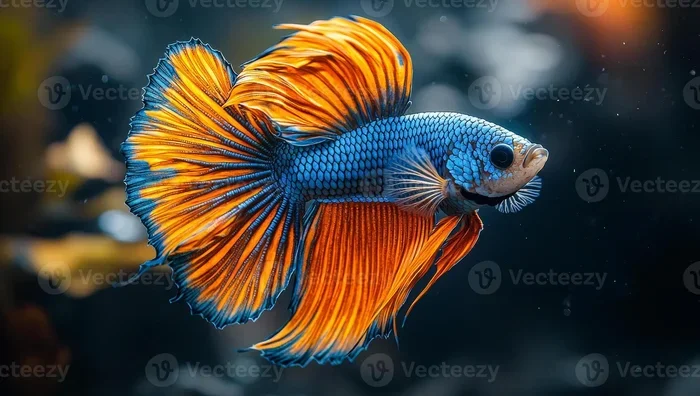
How Many Pellets to Feed a Betta Fish per Day

Feeding your betta fish the correct number of pellets each day is one of the most important parts of betta care. Most bettas thrive on 2 to 4 pellets per meal, twice a day, but the exact amount depends on pellet size, your fish’s age, and activity level. Overfeeding is the biggest mistake new betta owners make, and it can lead to serious health problems like bloating and swim bladder issues.
If you own a betta fish, you have probably stared at that little container of pellets and wondered, “Am I feeding the right amount?” You are not alone. How many pellets to feed a betta fish per day is one of the most common questions new betta keepers ask, and for good reason. Getting the portion size right makes a huge difference in your fish’s health, energy, and lifespan.
Betta fish are small, but they have big appetites and even bigger nutritional needs. Unlike some tropical fish that will eat anything you throw in the tank, bettas do best with a controlled, consistent feeding schedule. Too much food leads to obesity, dirty water, and digestive problems. Too little, and your fish loses its vibrant color and becomes sluggish.
The good news is that betta fish feeding does not need to be complicated. Once you understand the basics of portion size, pellet type, and feeding frequency, you will feel confident every time you approach the tank. This guide breaks everything down in simple terms so you can give your betta exactly what it needs — no more, no less.
Key Takeaways
- Feed 2 to 4 pellets per meal: This is the general rule for most betta fish, twice a day.
- Soak dry pellets first: This prevents them from expanding in your fish’s stomach and causing bloating.
- Watch for overfeeding signs: Uneaten food, cloudy water, and a swollen belly are red flags.
- Adjust for your betta’s age: Baby bettas need more frequent small meals, while adults do well on a twice-daily schedule.
- Variety matters: Mix pellets with occasional treats like bloodworms or brine shrimp for balanced betta fish nutrition.
- Remove uneaten food promptly: Leftover pellets foul the water fast and can make your fish sick.
📑 Table of Contents
- Understanding Betta Fish Feeding Basics
- How Many Pellets Should You Feed Per Meal
- The Right Feeding Schedule for Your Betta
- Signs You Are Overfeeding Your Betta
- Choosing the Best Pellets for Your Betta
- Quick Tips for Perfect Pellet Feeding
- Common Mistakes to Avoid
- Final Thoughts on Feeding Pellets to Your Betta
Understanding Betta Fish Feeding Basics
Before you count out pellets, it helps to understand what makes a betta’s stomach tick. Bettas are carnivores by nature. In the wild, they eat small insects, larvae, and tiny crustaceans. Their digestive systems are designed for small, frequent meals packed with protein. This is very different from, say, a goldfish that grazes all day long.
How a Betta’s Digestive System Works
A betta fish has a relatively short digestive tract. This means food moves through quickly, and the fish does not need a huge meal to feel satisfied. Betta fish portion control is important because their stomachs are about the size of their eye. That is tiny! When you drop in a pellet, it expands in water. If your betta eats a pellet that has already swollen, it can feel uncomfortably full and cause health issues.
This is why many experienced fish keepers recommend soaking dry pellets for a few minutes before adding them to the tank. Soaking prevents the pellet from expanding inside your fish. It is a small step that makes a big difference for your betta’s digestive health.
The Role of Pellets in a Betta’s Diet
High-quality betta pellets are the foundation of a captive betta’s diet. They are specially formulated to provide the protein, vitamins, and minerals bettas need. Not all pellets are created equal, though. Some are filler-heavy and low in nutrition, while others are packed with real ingredients like shrimp meal and krill.
When choosing pellets, look for brands where fish meal or whole ingredients appear at the top of the list. Avoid pellets with artificial fillers, excess carbohydrates, or vague ingredient labels. The right pellet will hold its shape in the water, sink at a good pace, and not dissolve into mush the moment it hits the surface.
How Many Pellets Should You Feed Per Meal
This is the question at the heart of the matter. The answer depends on a few factors, but here is the general rule of thumb: feed your betta 2 to 4 pellets per meal. This applies to most adult bettas eating standard-sized pellets from a reputable brand.
Factors That Affect Portion Size
Several things can change how many pellets your betta needs at each feeding:
- Pellet size: Small micro-pellets may require 4 to 6 per meal, while larger pellets might only need 1 or 2.
- Your betta’s size: A bigger, more active betta may need slightly more than a smaller, lazier one.
- Age: Growing betta fry need more frequent, smaller feedings. Adult bettas do well on two meals a day.
- Activity level: A betta that spends a lot of time exploring and building bubble nests may burn more calories.
- Water temperature: Warmer water speeds up metabolism, which can increase appetite slightly.
The safest approach is to start with 2 pellets per meal and observe your fish. If your betta finishes everything quickly and seems hungry, you can add one more pellet next time. If food sits at the bottom of the tank, you are giving too much. Betta fish hunger cues are easy to read once you know what to look for.
A Simple Feeding Guide by Age
Different life stages call for different approaches. Here is a quick breakdown:
- Baby bettas (fry): Feed 2 to 3 times a day with tiny amounts of crushed pellets or live food.
- Juvenile bettas: Feed twice a day with 2 to 3 pellets per meal.
- Adult bettas: Feed twice a day with 2 to 4 pellets per meal.
- Senior bettas: You may reduce to once a day or every other day if your fish shows less interest in food.
The Right Feeding Schedule for Your Betta
Consistency is key when it comes to betta fish feeding frequency. Most experts agree that feeding your betta twice a day — once in the morning and once in the evening — is ideal. This mimics the natural pattern of small meals throughout the day that bettas would experience in the wild.
Morning vs. Evening Feeding
There is no strict rule about which time is better. Some owners prefer morning feedings because they can watch their betta eat and make sure everything gets consumed. Others prefer evening feedings because it fits their schedule better. The most important thing is to pick a time you can stick to every day.
If your schedule is unpredictable, an automatic fish feeder can be a lifesaver. These devices release a set number of pellets at set times, removing the guesswork entirely. Just make sure you test the feeder before relying on it while you are away.
Can You Feed Your Betta Once a Day?
Some owners prefer a single large feeding. While this can work, it is not ideal. Bettas do better with two smaller meals spread throughout the day. If you can only feed once a day, aim for 3 to 4 pellets and make sure they are high-quality, nutrient-dense pellets. You might also consider adding a day of fasting once a week, which helps prevent constipation and keeps the digestive system healthy.
For more details on how often to feed your betta, check out our guide on how often to feed a betta fish. It covers feeding schedules in depth and includes tips for different lifestyles.
Signs You Are Overfeeding Your Betta
Overfeeding is the number one mistake betta owners make, and it is also the easiest to fix. Bettas are opportunistic eaters. In the wild, food is scarce, so they will eat as much as it is available. This instinct does not disappear in captivity. Your betta will happily munch on pellets long after its stomach is full.
Common Overfeeding Warning Signs
- Uneaten pellets sinking to the bottom: If food sits in the tank for more than two minutes, you have given too much.
- A swollen or distended belly: This is a clear sign of bloating, often caused by excess food or constipation.
- Lethargy and reduced swimming: A bloated betta may stop swimming around and hide more than usual.
- Cloudy or dirty water: Uneaten food decomposes fast, spiking ammonia levels and making the water cloudy.
- Loss of appetite: Ironically, overfeeding can lead to a betta that refuses to eat at the next scheduled meal.
If you notice any of these signs, cut back on the portion size immediately. A day or two of fasting can help reset your betta’s digestive system. Always remember that betta fish health depends more on what you do not feed than on what you do feed.
What Happens When You Overfeed
Overfeeding does not just cause a bloated belly. Excess food decays in the water, raising ammonia and nitrite levels. These toxins are invisible but deadly. Even small spikes can damage your betta’s gills, weaken its immune system, and make it vulnerable to diseases like ich and fin rot. In severe cases, overfeeding can even lead to swim bladder disease, which affects your fish’s ability to stay upright and swim properly.
One of the best things you can do for your betta is to keep the tank clean and the water parameters stable. Part of that means being disciplined about how much food goes in. If you ever feel unsure about the right amount, underfeeding is always safer than overfeeding. Bettas can skip a meal or two without any harm.
Choosing the Best Pellets for Your Betta
Not all pellets are created equal. The brand and type of pellet you choose directly affects how many you should feed. High-quality pellets are denser in nutrition, which means your betta needs fewer of them to stay healthy. Cheap, filler-heavy pellets may require larger portions to meet your fish’s nutritional needs — but they also risk causing water quality problems.
What to Look for in Betta Pellets
- High protein content: Look for pellets with at least 30% protein. Bettas are meat-eaters and need protein to thrive.
- Sinking or slow-sinking design: This prevents pellets from floating and being ignored or from dissolving too fast.
- Natural ingredients: Avoid pellets loaded with artificial colors and preservatives.
- Appropriate size: Pellets should be small enough for your betta’s mouth. If your fish struggles to eat them, try a smaller size.
Some popular brands among betta keepers include Fluval Bug Bites, Omega One Betta Buffet, and Hikari Betta Bio-Gold. Each has its strengths, and your betta may have its own preference. It is worth trying a few to see which one your fish responds to best.
Alternatives to Pellets
Pellets should be the staple of your betta’s diet, but variety keeps things interesting and boosts nutrition. Consider adding some of these treats a few times a week:
- Bloodworms: A favorite treat that is high in protein and easy to find.
- Brine shrimp: Great for conditioning and adding variety.
- Daphnia: Helps with digestion and makes a good occasional meal.
- Freeze-dried or frozen foods: Convenient alternatives that still offer good nutrition.
For more ideas on what to feed your betta beyond pellets, take a look at our article on what to feed a betta fish. It covers a wide range of food options and helps you build a balanced diet plan.
Quick Tips for Perfect Pellet Feeding
Here are some practical tips to make your daily feeding routine easy and effective:
- Soak pellets for 2 to 3 minutes before adding them to the tank. This stops them from expanding in your betta’s stomach.
- Feed in a calm environment. Turn off the filter or reduce flow so pellets settle where your betta can find them easily.
- Watch your betta eat. Stay nearby for a minute or two to make sure all food is consumed. Remove anything left after two minutes.
- Stick to a schedule. Feed at the same times each day. Bettas thrive on routine and will start anticipating meals.
- Skip one day per week. A weekly fasting day helps prevent constipation and gives the digestive system a break.
- Store pellets in a cool, dry place. Old, stale pellets lose nutritional value and can cause digestive issues.
Common Mistakes to Avoid
Even experienced betta keepers can slip up when it comes to feeding. Here are the most common mistakes and how to avoid them:
- Feeding too many pellets at once: More is not better. Stick to the 2 to 4 pellet range and adjust based on your fish’s response.
- Using flakes instead of pellets: Flakes are not ideal for bettas. They lack the protein density bettas need and can cause digestive issues.
- Ignoring uneaten food: Leftover pellets decay fast and pollute the water. Always remove them promptly.
- Feeding the same thing every day: A varied diet supports better health and stronger coloration.
- Following the feeding instructions on the pellet container blindly: Those instructions are often designed for larger fish or multiple fish. Adjust for your single betta.
If you are ever unsure about the right amount, a good rule of thumb is this: your betta’s belly should be roughly the same size as its eye after a meal. If it looks much bigger, you have given too much.
Final Thoughts on Feeding Pellets to Your Betta
Figuring out how many pellets to feed a betta fish per day comes down to understanding your fish, its size, its age, and the type of pellets you are using. The general guideline of 2 to 4 pellets per meal, twice a day, works for most adult bettas. But the real secret is paying attention. Watch your fish, observe its behavior, and adjust as needed.
A well-fed betta is a happy betta. When you get the portion size right, you will notice brighter colors, more energy, and a stronger appetite at feeding time. Your betta will reward your care with vibrant fins and lively behavior that makes every tank visit a joy.
Remember that feeding is just one piece of the puzzle. Proper betta fish care also includes clean water, the right temperature, and plenty of enrichment. If you want to go deeper into betta care, our article on how to take care of betta fish water covers water maintenance in detail. And if you are curious about what else bettas can eat, check out our piece on how much to feed a betta fish for more portion guidance.
Take what you have learned here, start with the recommended amounts, and adjust over time. Your betta will thank you with years of colorful, active companionship. There is no shortcut to a healthy betta — but a simple, consistent feeding routine gets you a long way there.
Frequently Asked Questions
Can I feed my betta fish pellets every day?
Yes, feeding pellets every day is perfectly fine and actually recommended. Just stick to 2 to 4 pellets per meal and feed twice a day. Make sure you also include occasional treats like bloodworms or brine shrimp for variety and balanced nutrition.
What happens if I feed my betta too many pellets?
Overfeeding causes bloating, constipation, and swim bladder problems. Excess pellets also decay in the tank, raising ammonia levels and polluting the water. Always remove uneaten food within two minutes to keep the tank clean and your fish healthy.
How do I know if my betta is still hungry after eating?
A betta that finishes its pellets quickly and swims to the surface looking for more may still be hungry. However, this does not always mean you need to give more. Try adding one extra pellet next time and see how your fish responds. Bettas also beg for food out of instinct, not always because they need it.
Should I soak pellets before feeding my betta?
Yes, soaking pellets for 2 to 3 minutes before feeding is highly recommended. Dry pellets expand when they hit water, which can cause bloating in your betta’s small stomach. Soaking pre-expands the pellet and makes it easier to digest.
Can betta fish eat too many pellets and stop eating altogether?
Yes, this can happen. Overfeeding can lead to a condition called impaction, where food builds up in the digestive tract and your betta loses its appetite. If your fish stops eating, try fasting it for one to two days and then offer a smaller portion of soaked pellets.
How many pellets should I feed a baby betta fish?
Baby bettas need smaller, more frequent meals. Feed them 2 to 3 tiny pellets or crushed pellets up to three times a day. As they grow, you can reduce the frequency and increase the portion size gradually to match their adult feeding schedule.
=== CONCLUSION ===
How many pellets to feed a betta fish per day is a simple question with a straightforward answer: 2 to 4 pellets per meal, twice a day, for most adult bettas. The key is consistency, observation, and quality food. Soak your pellets, watch your fish eat, and adjust portions based on what you see. Avoid overfeeding at all costs, and remember that a little discipline goes a long way toward keeping your betta healthy and vibrant. Start applying these tips today, and you will notice a positive difference in your betta’s behavior, color, and overall well-being within just a few weeks.