How to Put a Betta Fish to Sleep
Knowing how to put a betta fish to sleep starts with understanding their natural rest patterns and tank environment. You can help your betta get quality rest by managing light, water temperature, and tank decor. This guide covers everything from recognizing sleep signs to building a calming bedtime routine for your fish.
Have you ever watched your betta fish float motionless at the bottom of the tank and wondered if it was sleeping? Many fish owners overlook this simple but important part of fish care. Learning how to put a betta fish to sleep the right way can make a huge difference in your fish’s health and happiness. In this guide, we will walk you through everything you need to know about betta fish rest, from recognizing sleep signs to creating the perfect nighttime environment.
A well-rested betta fish is a healthy betta fish. Just like humans, fish need quality sleep to recharge, fight off illness, and stay active. Unfortunately, many aquarium owners accidentally keep their fish stressed and restless. The good news is that fixing this is simpler than you think. With a few small changes to your tank setup and daily routine, you can help your betta get the deep, peaceful rest it deserves.
Whether you are a new fish owner or have had bettas for years, this guide has practical tips you can use tonight. We will cover sleep behavior, tank environment, lighting, and common mistakes that keep bettas awake. By the end, you will feel confident about creating a sleep-friendly home for your beautiful fish.
Key Takeaways
- Betta fish need darkness to rest: Turning off tank lights mimics their natural sleep cycle.
- A consistent routine helps: Feeding and lighting schedules signal bedtime for your betta.
- Tank temperature matters: Warm water between 76–82°F supports healthy sleep behavior.
- Watch for stress signs: A stressed betta fish struggles to rest properly.
- Plants and hiding spots help: They give your betta a safe place to settle down.
- Sleep problems can indicate illness: Know when to seek help for your fish.
📑 Table of Contents
Understanding How Betta Fish Sleep
Before you can help your betta sleep better, you need to understand what betta fish sleep actually looks like. Many new owners mistake a sleeping fish for a sick or dead fish. This is a common concern, and it is easy to fix once you know what to look for.
What Does a Sleeping Betta Fish Look Like?
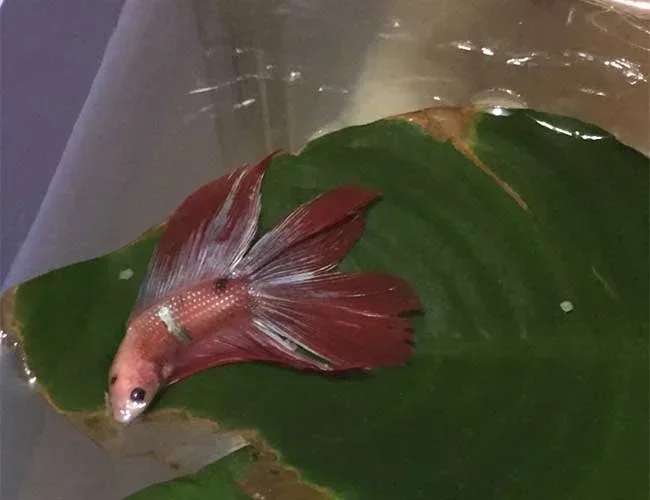
When a betta fish sleeps, it settles into a resting position. You may notice its colors fading slightly. Its fins will hang loosely, and it may float near the bottom of the tank or rest on a plant leaf. Some bettas even sleep vertically with their head pointing down. None of these positions mean your fish is sick — they are simply catching some rest.
According to our guide on how does a betta fish sleep, bettas are diurnal creatures. This means they are active during the day and rest at night, much like humans. Their sleep cycle is closely tied to light patterns in their environment.
Why Sleep Matters for Betta Fish
Sleep plays a vital role in your betta’s overall well-being. During rest, the fish repairs cells, processes nutrients, and strengthens its immune system. A betta that does not get enough sleep becomes more prone to disease, loss of appetite, and behavioral issues.
Here are key reasons why sleep matters:
- Immune support: Rest helps the body fight off infections.
- Color maintenance: Well-rested bettas display brighter, more vivid colors.
- Energy levels: Good sleep leads to active, curious behavior during the day.
- Stress reduction: Rest lowers cortisol levels and promotes calm behavior.
If your fish seems lethargic or unusually still, it may simply be resting. But if the lack of activity continues for days, it is worth investigating further. Check your water quality and consider whether stress could be the cause. Our article on how to treat a stressed betta fish covers this topic in detail.
How to Put a Betta Fish to Sleep Naturally
Now that you understand why sleep matters, let us look at the practical steps you can take. Putting a betta fish to sleep naturally is all about creating conditions that mimic their wild habitat at nighttime.
Create a Consistent Light Schedule
The single most effective way to help your betta sleep is to control the light in your tank. Betta fish respond strongly to light cycles. When the lights go off, their bodies naturally start to wind down for the night.
Here is what you should do:
- Keep tank lights on for 8 to 10 hours per day.
- Turn the lights off at the same time every evening.
- Avoid using bright room lights near the tank at night.
- Consider using a timer for your aquarium lights.
A simple plug-in timer costs just a few dollars and takes all the guesswork out of lighting schedules. Your betta will start associating the dimming light with bedtime, and you will notice it settling down more predictably each night.
Manage Tank Temperature for Better Rest
Betta fish are tropical fish that need warm water to thrive. Water temperature directly affects their sleep quality. If the water is too cold, your betta will stay restless and may even become ill.
Keep your tank between 76°F and 82°F for the best results. Use a reliable aquarium thermometer to monitor the temperature. If your room gets cold at night, consider using a small heater to maintain a stable temperature. Warm water helps your betta’s metabolism slow down naturally, which signals the body to rest.
Add Plants and Hiding Spots
In the wild, betta fish sleep among dense vegetation. They feel safest when they have somewhere to hide and settle in. Adding live or silk plants to your tank gives your betta natural resting spots.
Some great options include:
- Java moss
- Amazon sword plants
- Silk floating plants
- Caves or small terracotta pots placed on their side
Your betta may choose a favorite spot to sleep each night. Once it finds a comfortable place, it will return to that spot regularly. This is a normal and healthy behavior.
Reduce Noise and Vibrations
Believe it or not, noise can disturb your betta fish’s sleep. Loud music, TV sounds, or even heavy footsteps near the tank can keep your fish on edge. Place the aquarium in a quiet area of your home where it will not be subjected to constant vibrations.
If you cannot move the tank, try to minimize disturbances during the hours you want your betta to rest. Keep the room dim and avoid tapping on the glass or making sudden movements near the tank.
Common Sleep Problems in Betta Fish
Sometimes, even with the best setup, your betta may still struggle to sleep. Understanding common sleep problems helps you identify and fix the issue quickly.
When Your Betta Fish Won’t Settle Down
If your betta is swimming frantically or hovering near the surface at night, something in the environment is likely causing stress. Common culprits include:
- Bright lights left on overnight: Even small LED indicators can disturb sleep.
- Tank mates that are too active: Fast-moving fish can keep your betta alert.
- Poor water quality: High ammonia or nitrate levels cause discomfort.
- Inconsistent feeding times: An irregular schedule disrupts the body’s internal clock.
Addressing these issues one by one usually resolves the problem. Start with the lighting, since that is the most common cause of restlessness at night.
Sleep Changes That Signal Illness
Sometimes changes in sleep behavior are a warning sign of illness. Watch for these red flags:
- Lying on the tank bottom for extended periods without moving
- Labored breathing while resting
- White spots or discoloration appearing on the body
- Refusing food and staying motionless for more than a day
If you notice any of these signs, test your water parameters immediately. Poor water quality is the number one cause of betta fish illness. Our guide on how to take care of a betta fish water provides step-by-step instructions for maintaining clean, safe water.
Building a Bedtime Routine for Your Betta
Routine is powerful. Betta fish thrive on predictability, and a consistent bedtime routine helps them feel secure. Here is a simple nightly routine you can follow:
- Feed your betta 30 minutes before lights out. A full stomach naturally makes a fish drowsy.
- Dim the room lights gradually. This mimics the setting sun and signals the start of the sleep cycle.
- Turn off all aquarium lights at the same time. Consistency is key.
- Keep the room quiet for the next 8 to 10 hours. Let your betta rest undisturbed.
- Turn the lights back on slowly in the morning. A gradual brightening helps your betta wake up gently.
Within one to two weeks of following this routine, you should notice your betta settling down more quickly each night. The fish will start associating these cues with sleep, and the process becomes almost automatic.
Some owners also like to add a gentle air pump that produces very soft bubbles. This creates a calming effect and helps maintain oxygen levels overnight without disturbing the fish. Just make sure the air pump is not too loud, as it can have the opposite effect.
Quick Tips for Better Betta Fish Sleep
Here are some fast, actionable tips you can implement right away:
- Use a timer for your aquarium lights to maintain consistency.
- Keep the tank away from windows where natural light can disrupt the artificial schedule.
- Avoid overfeeding at night, which can cause discomfort and restlessness.
- Perform partial water changes weekly to keep the tank clean and stress-free.
- Observe your betta each night to learn its personal sleep habits and preferences.
- Add floating plants that create a dim, cozy atmosphere at the water surface.
Small changes add up over time. You do not need to overhaul your entire tank setup overnight. Start with one or two tips and build from there as you learn what works best for your individual fish.
When to Seek Help for Your Betta’s Sleep Issues
Most sleep issues in betta fish resolve with simple environmental changes. However, there are times when professional guidance becomes necessary. If your betta shows signs of persistent lethargy, loss of color, or unusual behavior that does not improve after adjusting the tank environment, it is time to dig deeper.
Common conditions that disrupt sleep include ich, fin rot, and internal infections. If you suspect your fish is unwell, test the water parameters and observe for additional symptoms. For information on treating common diseases, check our guide on how to treat ich on a betta fish. Early intervention makes a big difference in recovery outcomes.
In rare and difficult situations where a fish is suffering and not responding to treatment, owners may need to consider humane options. It is a painful decision, but sometimes it is the kindest choice. Resources such as our article on how to put a betta fish down with clove oil provide gentle, informed guidance for these tough moments.
Final Thoughts
Putting a betta fish to sleep naturally is one of the simplest yet most impactful things you can do for your fish’s health. By controlling light, maintaining warm water, adding plants, and sticking to a consistent routine, you create a peaceful environment where your betta can truly rest. Remember that every fish is different, so take the time to observe your betta and adjust your approach as needed.
A well-rested betta fish will reward you with vibrant colors, active swimming, and a cheerful personality. These small daily efforts pay off in a happier, healthier pet. Start tonight — dim the lights, settle into a routine, and watch your betta drift off into a peaceful sleep.
Frequently Asked Questions
How many hours does a betta fish sleep?
Betta fish typically sleep for 8 to 12 hours per day. They are most active during daylight hours and rest when the lights go off. Providing a consistent dark period at night helps them get the full amount of rest they need.
Is it normal for a betta fish to sleep at the bottom of the tank?
Yes, sleeping at the bottom of the tank is completely normal. Bettas often rest on the substrate or among plants when they sleep. However, if your fish stays at the bottom for extended periods and shows other symptoms like loss of appetite, it could indicate a health issue that needs attention.
Can I leave the aquarium light on at night for my betta?
No, you should not leave the light on at night. Constant light disrupts the betta’s natural sleep cycle and causes stress over time. Use a timer to ensure the lights turn off automatically and provide a consistent dark period every night.
Why is my betta fish not sleeping?
Several factors can prevent a betta from sleeping, including bright lights, noisy environments, poor water quality, and stress from tank mates. Start by checking the light schedule and water parameters. If the problem persists, consider whether the tank environment feels safe and calm enough for your fish to rest.
Do betta fish dream?
While scientists have not confirmed that fish dream in the way mammals do, betta fish do experience different stages of rest. You may notice slight fin movements or rapid gill activity during sleep, which suggests the brain is active during rest. This is a normal part of the sleep cycle for bettas and other fish.
What temperature is best for betta fish sleep?
The ideal temperature range for betta fish sleep is between 76°F and 82°F. Warm water helps the fish’s body relax naturally at night. If your room temperature drops significantly at night, use an aquarium heater to maintain a stable and comfortable temperature for your betta.