How Much Gallons of Water Does a Betta Fish Need
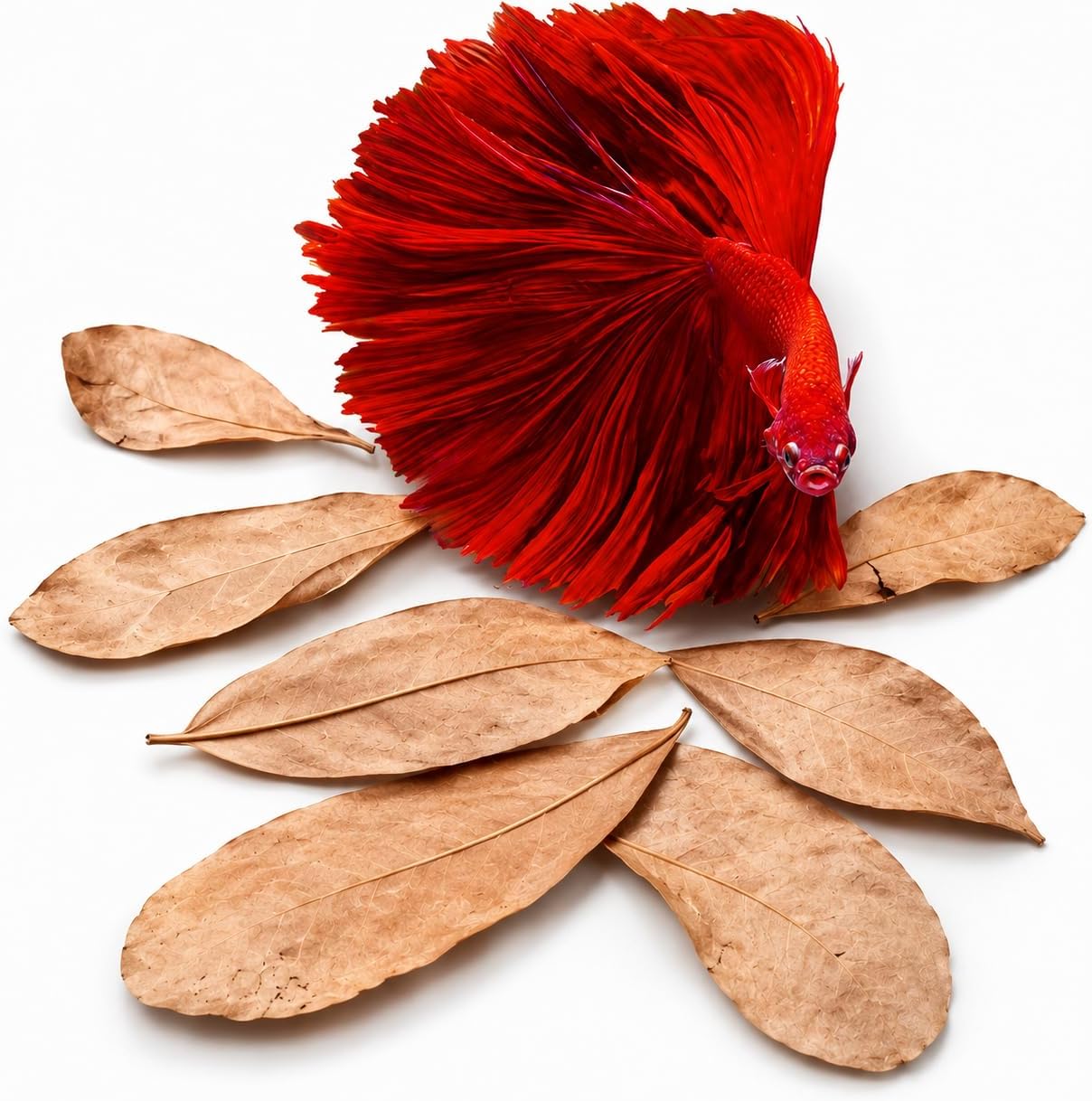
So, how much gallons of water does a betta fish need? The minimum is 5 gallons, but 10 gallons or more is even better. A larger tank gives your betta room to swim, stable water parameters, and a much happier life. Many beginners still believe a tiny bowl is enough, but that is a myth that can shorten your fish’s lifespan.
You have a betta fish. You want to give it the best life possible. But one question keeps popping up: how much gallons of water does a betta fish need?
The answer is not as simple as a single number. A lot depends on your setup, your experience level, and what you want for your fish. Some people say a small bowl is fine. Others insist on a huge aquarium. The truth sits somewhere in the middle, and it is not what most pet stores want you to believe.
In this guide, we will break down the exact gallons of water your betta needs, why tank size matters so much, and how to set up a healthy home for your fish. Whether you are a complete beginner or a seasoned hobbyist, you will find practical advice you can use right away.
Key Takeaways
- Minimum tank size: 5 gallons is the absolute minimum for one betta fish.
- Ideal tank size: 10 gallons or more provides the best quality of life.
- Small bowls are harmful: They cause stress, toxins, and health problems fast.
- Water quality matters: Larger tanks are easier to maintain and keep stable.
- Setup matters too: Filtration, heating, and cycling are essential regardless of size.
- Overcrowding kills: Never keep multiple male bettas in one tank.
📑 Table of Contents
- The Short Answer: How Many Gallons Does a Betta Fish Need
- Why Tank Size Matters So Much for Your Betta
- What Happens If the Tank Is Too Small
- How to Set Up the Right Tank Size for Your Betta
- Maintaining Water Quality in Your Betta Tank
- Common Mistakes People Make With Betta Tank Size
- How Tank Size Affects Your Betta’s Lifespan
- Quick Tips: Choosing the Right Tank Size
- Final Thoughts
The Short Answer: How Many Gallons Does a Betta Fish Need
Let us get the most important part out of the way first. How much gallons of water does a betta fish need? The bare minimum is 5 gallons for a single betta. That is the smallest tank size that can support a healthy, stable environment.
But here is the thing. “Minimum” does not mean “ideal.” Think of it like living in a studio apartment versus a full-sized house. Both work. But one gives you way more room to breathe, move around, and be comfortable.
Here is a quick breakdown of tank sizes and what they mean for your betta:
- 1-2 gallons: Too small. Not recommended. Water parameters crash fast.
- 3-5 gallons: The bare minimum. Works with strict maintenance.
- 5-10 gallons: A good starting point for most hobbyists.
- 10+ gallons: The sweet spot. Stable water, room to swim, and less stress.
- 20+ gallons: Excellent for a planted betta tank with community fish.
If you want your betta to live a long, vibrant life, aim for at least 10 gallons. That gives you much more breathing room, literally and figuratively. When in doubt, bigger is always better. You can learn more about the ideal tank dimensions in our article on how big of a tank does a betta fish need.
Why Tank Size Matters So Much for Your Betta
Water Stability
Smaller tanks have a big problem: water chemistry swings wildly. Ammonia spikes, pH shifts, and temperature fluctuations happen fast in a tiny tank. In a 5-gallon tank, even a small mistake can become dangerous quickly.
A larger tank dilutes waste and gives you more time to catch problems. Think of it this way. If you spill a glass of juice on a small table, it ruins everything. If you spill the same amount on a large floor, it is a minor mess. The same principle applies to your betta’s water.
Swimming Space and Stress
Betta fish are active swimmers. In the wild, they navigate rice paddies, slow streams, and flooded fields. They need room to move. A cramped tank causes stress, which leads to a weakened immune system, fin rot, and other health issues.
A 10-gallon tank gives your betta enough space to explore, rest, and display its natural behaviors. You will notice brighter colors and a more active fish when it has room to thrive.
Filtration and Heating
Larger tanks are much easier to manage when it comes to equipment. A filter rated for a 10-gallon tank works gently and efficiently. Heaters maintain a steady temperature without constant adjustment.
In a tiny bowl, you often deal with unfiltered, unheated water. That is not a proper setup for any fish. If you are new to betta care, check out our guide on how do I take care of a betta fish for a full walkthrough.
What Happens If the Tank Is Too Small
This is where things get serious. Many people buy bettas in tiny cups at the pet store and keep them in even smaller bowls at home. That is a recipe for disaster.
Here are the real consequences of keeping your betta in too little water:
- Toxic ammonia buildup: Waste builds up fast in small volumes. Ammonia burns the gills and skin.
- Stress and behavioral issues: A stressed betta may stop eating, hide constantly, or become aggressive.
- Shortened lifespan: Bettas can live 3 to 5 years with proper care. In a tiny bowl, many die within months.
- Disease outbreaks: Poor water quality invites fungal and bacterial infections.
- Stunted growth: Your betta may not reach its full size or color potential.
The myth that bettas can live in tiny puddles comes from their natural habitat in Southeast Asia. But those “puddles” are actually large, warm, slow-moving bodies of water during the rainy season. A small bowl does not replicate that environment at all.
Common Warning Signs
Watch for these signs that your tank is too small or the water quality is poor:
- Clamped fins (fins held close to the body)
- Loss of color or fading vibrancy
- Staying at the surface gasping for air
- Refusing food or eating very little
- Lethargy and hiding in corners
- White spots or fuzzy patches on the body
If you notice any of these, test your water immediately and consider upgrading to a larger tank. Early action can save your fish’s life.
How to Set Up the Right Tank Size for Your Betta
Choosing the Right Tank
When you are ready to set up a proper home for your betta, start with a tank that holds at least 5 gallons. A 10-gallon tank is the best choice for most people. It gives you enough water volume to stay stable while still fitting on most desks and shelves.
Here are some quick tips for choosing your tank:
- Pick a rectangular shape over a tall or bow-front tank. Bettas swim horizontally, not vertically.
- Make sure the tank comes with a lid. Bettas are jumpers and can escape easily.
- Choose a tank with a flat bottom so it sits stably on your furniture.
- Consider a starter kit that includes a filter and heater to save money.
Essential Equipment for Any Tank Size
No matter what size tank you choose, you need a few key pieces of equipment. Without them, even a large tank becomes a death trap for your betta.
- Filter: Choose a gentle sponge filter or a hang-on-back filter with an adjustable flow. Bettas hate strong currents.
- Heater: Bettas need warm water between 76°F and 82°F (24°C to 28°C). A small submersible heater works perfectly.
- Thermometer: An adhesive strip or digital thermometer helps you monitor the temperature daily.
- Water conditioner: This removes chlorine and chloramine from tap water before you add it to the tank.
- Test kit: A liquid test kit for ammonia, nitrite, nitrate, and pH is essential for monitoring water quality.
For more details on preparing the right water for your setup, check out our article on what kind of water does betta fish need.
Cycling Your Tank
Before you add your betta, you must cycle the tank. Cycling means growing beneficial bacteria that break down toxic ammonia and nitrite. This process takes 2 to 6 weeks, and skipping it is one of the biggest mistakes new fish keepers make.
Here is a simple way to cycle your tank:
- Set up your tank with filter, heater, and water conditioner.
- Add a source of ammonia (fish food or pure ammonia drops).
- Test the water every few days for ammonia, nitrite, and nitrate.
- Wait until ammonia and nitrite read zero and nitrate is present.
- Do a 50% water change and add your betta fish.
Patience here pays off big time. A properly cycled tank means clean, safe water for your betta from day one.
Maintaining Water Quality in Your Betta Tank
Getting the right gallons of water is only half the battle. You also need to maintain that water properly. A bigger tank gives you more forgiveness, but it still requires regular care.
Water Changes
For a 5-gallon tank, do a 50% water change every week. For a 10-gallon tank, you can do a 30% change weekly or a 50% change every two weeks. Larger tanks are more forgiving because the waste is diluted over a greater volume.
Always use a gravel vacuum during water changes to remove debris from the substrate. And remember to treat new water with a conditioner before adding it to the tank.
Testing Your Water
Test your water parameters at least once a week. The key numbers to watch are:
- Ammonia: 0 ppm (parts per million)
- Nitrite: 0 ppm
- Nitrate: Below 20 ppm
- pH: Between 6.5 and 7.5
- Temperature: 76°F to 82°F (24°C to 28°C)
If any of these numbers are off, do a water change right away. Staying on top of testing prevents problems before they become emergencies.
Need a full schedule for water maintenance? Our article on how to take care of a betta fish water has a detailed weekly and monthly routine you can follow.
Common Mistakes People Make With Betta Tank Size
Buying the Smallest Tank Available
Pet stores often sell bettas in tiny 1-gallon or 3-gallon tanks. These are marketing gimmicks, not proper homes. A betta deserves at least 5 gallons, and honestly, more is always better.
Overcrowding the Tank
Some people think they can add lots of fish to a small tank to make it “more interesting.” This is a dangerous idea. Male bettas are territorial and should live alone. Even in a larger tank, you need to research any tank mates carefully before adding them.
Skipping the Filter
Some owners believe bettas can live without a filter because they are “tough fish.” That is completely false. A filter keeps the water clean and breaks down harmful waste. Without one, you will be doing water changes constantly and your betta will still suffer.
Forgetting to Cycle the Tank
Adding your betta to an uncycled tank is one of the fastest ways to kill it. The ammonia and nitrite levels in a new tank are lethal. Always cycle first, then add your fish. It is not hard, but it does take patience.
How Tank Size Affects Your Betta’s Lifespan
Here is something that not many people talk about. Tank size directly affects how long your betta lives. A betta in a proper 10-gallon tank with stable water can easily live 4 to 5 years. The same fish in a cramped 1-gallon bowl might only survive for 6 months to a year.
The reason is simple. Stress and poor water quality wear down the immune system over time. A fish fighting constant toxicity and temperature swings will burn out its body faster. Give your betta a spacious, clean home, and you give it the best chance at a long, healthy life.
If you are curious about the full lifespan of bettas and what factors influence it, you might enjoy learning about how long a male betta fish lives and what you can do to maximize those years.
Quick Tips: Choosing the Right Tank Size
- Always go for at least 5 gallons. Never smaller.
- A 10-gallon tank is the ideal starting point for most betta owners.
- Rectangular tanks give your betta more swimming space than round bowls.
- Bigger tanks are easier to maintain, not harder.
- Plan your equipment (filter, heater) based on tank size from the start.
- Never keep two male bettas in the same tank, no matter the size.
The bottom line is straightforward. When you ask yourself how much gallons of water does a betta fish need, the answer is at least 5 gallons, with 10 gallons being the real sweet spot. Your betta will be healthier, happier, and more colorful in a properly sized tank.
Final Thoughts
Choosing the right tank size is one of the most important decisions you will make as a betta fish owner. It sets the foundation for everything else: water quality, equipment needs, maintenance routine, and your fish’s overall well-being.
Do not fall for the cute little bowls and tiny tanks that pet stores push. Your betta deserves a real home with room to swim, clean water, and a stable environment. Start with at least 5 gallons, aim for 10, and your fish will thank you with years of vibrant color and active behavior.
The more you learn about proper betta care, the more you will realize that tank size is not just a number. It is the difference between a fish that merely survives and one that truly thrives. Make the right choice today, and your betta will live a long and healthy life by your side.
Frequently Asked Questions
Can a betta fish live in a 1-gallon tank?
A betta can technically survive in a 1-gallon tank, but it is not recommended. The water quality crashes fast, and the fish will experience constant stress. A 1-gallon tank requires near-daily water changes and still does not provide enough space for a healthy life.
Is a 5-gallon tank enough for a betta fish?
Yes, a 5-gallon tank is the absolute minimum for one betta fish. It provides enough water volume to dilute waste and maintain stable parameters. However, a 10-gallon tank is a much better choice for long-term health and easier maintenance.
How often should I do water changes in a 5-gallon betta tank?
You should do a 50% water change every week in a 5-gallon tank. This keeps ammonia and nitrate levels low and prevents buildup of harmful waste. Always use treated water that matches the tank temperature.
Can two betta fish live in the same tank?
Two male bettas should never share a tank. They will fight and injure each other, often to the death. Female bettas can sometimes live together in groups of five or more in a 20-gallon tank, but this setup requires careful planning and experience.
Does a bigger tank mean less work for me?
Yes, a bigger tank actually requires less frequent maintenance. The larger water volume dilutes waste and stabilizes parameters, giving you more time between water changes. A 10-gallon tank is much easier to manage than a 5-gallon tank in the long run.
What is the best tank shape for a betta fish?
A long, rectangular tank is best for bettas. They swim horizontally and need surface access to breathe air. Tall or column-shaped tanks waste vertical space and give your betta less usable swimming area. A standard 10-gallon rectangular tank is the perfect choice.
=== CONCLUSION ===
How much gallons of water does a betta fish need? The answer is clear. Give your betta at least 5 gallons, and ideally 10 gallons or more. This one decision will have a massive impact on your fish’s health, happiness, and lifespan.
Skip the tiny bowls. Avoid the pet store gimmicks. Invest in a properly sized tank with a filter, heater, and steady maintenance routine. Your betta fish will reward you with vibrant colors, lively behavior, and years of companionship.
Start big, plan smart, and enjoy the journey of keeping a healthy, happy betta. Your fish will thrive because you gave it the right home.