How to Prevent Betta Fish Scale Rot
Betta fish scale rot is a serious bacterial infection that damages your fish’s scales and skin. Preventing it starts with clean water, proper tank conditions, and attentive daily care. This guide walks you through every step to protect your betta from scale rot before it ever starts.
Betta fish are stunning pets. Their flowing fins and bright colors make them a joy to watch. But beneath that beauty, bettas can fall seriously ill. One of the most troubling conditions is betta fish scale rot. This bacterial infection attacks the scales and skin, causing pain and potentially life-threatening damage. The good news? Scale rot is largely preventable. With the right knowledge and a few simple habits, you can keep your betta safe and healthy for years to come.
If you have ever noticed your betta’s scales looking rough, red, or lifting away from the body, you have seen the warning signs. Scale rot develops when bacteria thrive in poor water conditions. It weakens the fish’s protective outer layer and spreads quickly if left unchecked. The best approach is always prevention. This article covers everything you need to know about preventing betta fish scale rot through smart tank management, proper feeding, and daily observation.
Key Takeaways
- Clean water is the #1 defense: Regular water changes and proper filtration stop bacteria that cause scale rot.
- Watch for early warning signs: Redness, lifting scales, and loss of appetite are your first clues something is wrong.
- Maintain stable tank temperatures: A consistent warm environment keeps your betta’s immune system strong.
- Use a water conditioner every time: Tap water contains chemicals that harm your betta and weaken its natural defenses.
- Don’t overfeed: Excess food decays in the tank and spikes ammonia levels that trigger infections.
- Quarantine new fish and plants: Introducing untreated items is one of the fastest ways to bring bacteria into your tank.
- Act fast at the first sign: Early intervention with tetracycline for betta fish can stop scale rot in its tracks.
📑 Table of Contents
- What Is Betta Fish Scale Rot?
- How to Prevent Betta Fish Scale Rot Through Water Management
- Create the Ideal Tank Environment
- Feed Your Betta Properly to Boost Immunity
- Daily Observation and Early Detection
- What to Do If You Spot Early Signs of Scale Rot
- Common Mistakes That Lead to Scale Rot
- Expert Tips for Long-Term Betta Health
- Conclusion
What Is Betta Fish Scale Rot?
Scale rot is a bacterial or fungal infection that affects the scales and skin of betta fish. It causes inflammation, discoloration, and in severe cases, scale lifting or loss. The condition often starts small and worsens rapidly without treatment. Understanding what causes it is the first step toward prevention.
Common Causes of Scale Rot
Several factors contribute to the development of scale rot in bettas. Most of them relate to the fish’s environment and care routine. Here are the most common causes:
- Poor water quality: Dirty or unfiltered water harbors harmful bacteria that attack the fish’s scales.
- High ammonia or nitrite levels: These toxic compounds burn the fish’s skin and weaken its immune system.
- Cold or fluctuating temperatures: Bettas need warm, stable water. Temperature swings stress the fish and make it vulnerable.
- Overcrowded tanks: Too many fish in one space increases waste and spreads bacteria faster.
- Physical injuries: Sharp decorations or rough handling can break the skin, giving bacteria an entry point.
- Unwashed new plants or decorations: These items can carry bacteria into your tank without you knowing.
Scale Rot vs. Fin Rot
People often confuse scale rot with fin rot. While both are bacterial infections, they affect different parts of the fish. Fin rot targets the fins and tail, causing them to look ragged or frayed. Scale rot affects the body and scales, causing redness, swelling, and lifting. You can learn more about fin rot treatment here. Both conditions share similar root causes, so prevention strategies overlap significantly.
How to Prevent Betta Fish Scale Rot Through Water Management
The single most important thing you can do to prevent scale rot is maintain clean, safe water. Bettas are sensitive creatures. Even small changes in water quality can affect their health. A solid water management routine is your strongest shield against bacterial infections.
Test Your Water Parameters Regularly
You should test your tank water at least once a week. Use a liquid test kit to check ammonia, nitrite, nitrate, and pH levels. The ideal parameters for a betta tank are:
- Ammonia: 0 ppm
- Nitrite: 0 ppm
- Nitrate: Below 20 ppm
- pH: 6.5 to 7.5
When any of these parameters go out of range, your betta becomes stressed. A stressed betta has a weaker immune system. A weak immune system cannot fight off bacteria. This is the chain reaction that leads to scale rot.
Perform Regular Water Changes
Water changes are non-negotiable. You should change 25 to 30 percent of the tank water every week. This removes built-up waste, excess food, and chemical buildup. For smaller bowls or tanks, you may need to change water more frequently. Always use conditioned water at the right temperature when you refill the tank.
Keep Your Filter Running Properly
A good filter does the heavy lifting between water changes. It removes debris, breaks down harmful chemicals, and supports beneficial bacteria. However, bettas prefer gentle flow. Strong currents can stress them out. Choose a filter with an adjustable flow or add a sponge pre-filter to reduce the current. Clean your filter media in tank water (not tap water) once a month to preserve the good bacteria.
Create the Ideal Tank Environment
Your betta’s tank is its entire world. Making that world safe and comfortable goes a long way in preventing illness. The right environment supports a strong immune system and keeps harmful bacteria in check.
Maintain the Right Temperature
Bettas are tropical fish. They need warm water to stay healthy. The ideal temperature range is 76 to 82 degrees Fahrenheit. Use a reliable aquarium heater to maintain a steady temperature. Fluctuations are just as dangerous as being too cold. A stable environment helps your betta’s body function properly and keeps its immune system fighting strong.
If you are wondering how to keep the water warm consistently, check out this guide on how to make your betta fish tank warmer. It covers simple and effective methods for maintaining the perfect temperature year-round.
Provide Proper Filtration and Aeration
Beyond keeping the water clean, filtration and aeration support oxygen levels in the tank. Bettas breathe atmospheric air, but they still benefit from well-oxygenated water. Gentle aeration helps break down waste and keeps the tank environment balanced. Avoid strong bubblers or air stones that create excessive current.
Choose Safe Decorations and Substrate
Sharp rocks, rough plastic plants, and untreated wood can scratch your betta. These tiny wounds become entry points for bacteria. Choose smooth, betta-safe decorations. Silk plants are a great alternative to rough plastic ones. Rinse all new decorations thoroughly before adding them to the tank. This simple step removes dust, chemicals, and hidden bacteria.
Keep the Tank Clean Without Over-Cleaning
There is a balance between clean and too clean. Over-cleaning can strip away beneficial bacteria that help cycle the tank. Stick to a consistent routine. Wipe the glass walls weekly, vacuum the substrate gently during water changes, and leave some beneficial bacteria buildup on filter media. Your goal is a stable ecosystem, not a sterile one.
Feed Your Betta Properly to Boost Immunity
Diet plays a huge role in your betta’s overall health. A well-fed betta has a stronger immune system and is better equipped to fight off infections. On the other hand, poor feeding habits can lead to digestive problems and dirty water, both of which increase the risk of scale rot.
Choose High-Quality Betta Food
Not all fish food is created equal. Look for pellets or flakes specifically formulated for bettas. These should list fish meal or whole ingredients as the first components. Avoid cheap, filler-heavy foods that offer little nutrition. You can also offer frozen or live foods like bloodworms and brine shrimp as treats. These are rich in protein and help keep your betta vibrant.
Feed the Right Amount
Overfeeding is one of the most common mistakes betta owners make. Excess food sinks to the bottom and decays. This decay spikes ammonia levels almost overnight. Feed your betta small amounts twice a day. Only give what it can eat in two to three minutes. If food falls to the bottom, remove it with a small net. Your tank will stay cleaner, and your betta will stay healthier.
Fast Your Betta Once a Week
Giving your betta a one-day fast each week helps its digestive system reset. It also reduces waste buildup in the tank. Many experienced betta keepers swear by this simple practice. It is an easy way to support long-term health and prevent water quality issues that can lead to infections like scale rot.
Daily Observation and Early Detection
Catching problems early is the key to preventing serious illness. You should spend a few minutes each day watching your betta. This habit lets you notice changes before they become emergencies.
What to Look For During Daily Checks
When you observe your betta each day, pay attention to these important signs:
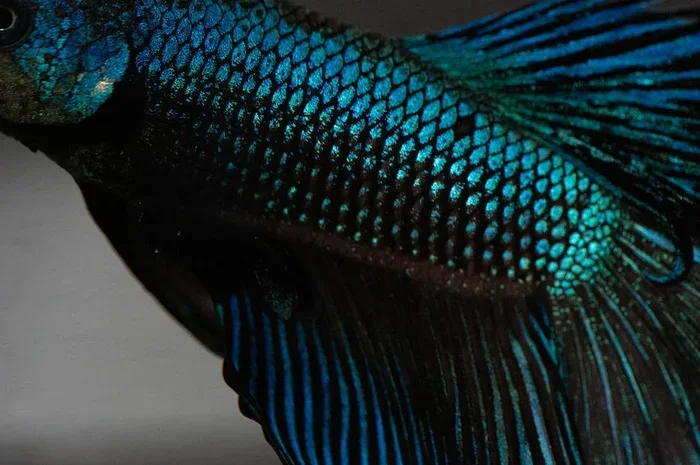
- Scale appearance: Healthy scales should lie flat and smooth. Look for any redness, discoloration, or scales that appear raised or loose.
- Behavior changes: A betta that hides constantly, refuses food, or stays at the bottom of the tank may be unwell.
- Appetite: Bettas are eager eaters. A sudden loss of interest in food is a red flag.
- Fins and body: Check for clamped fins, white patches, or any unusual spots on the body.
- Breathing: Rapid or labored breathing can signal stress or infection.
If you notice any of these signs, act quickly. Early treatment makes a massive difference. You can learn more about identifying and treating early-stage infections in our guide on curing fin rot on betta fish. The same principles apply to scale rot prevention and early intervention.
Keep a Simple Tank Log
Consider keeping a small notebook or digital log of your tank maintenance. Record water change dates, test results, feeding amounts, and any observations about your betta’s behavior. This log helps you spot patterns. Maybe you notice that scale problems appear after a missed water change. Or your betta seems sluggish when the temperature drops. A log turns guesswork into actionable data.
What to Do If You Spot Early Signs of Scale Rot
Even with the best prevention, problems can still arise. If you notice early signs of scale rot, do not panic. Quick action can stop the infection from spreading and save your betta’s life.
Step-by-Step Response Plan
- Test the water immediately: Check ammonia, nitrite, and nitrate levels. Address any imbalances right away with a water change.
- Isolate the fish if needed: If you have a community tank, move the affected betta to a quarantine tank. This prevents the spread of infection and makes treatment easier.
- Clean the main tank: Perform a 50 percent water change in the main tank. Vacuum the substrate to remove waste and debris.
- Consider medication: For mild cases, a salt bath can help draw out infection and promote healing. For more serious cases, consult a fish vet or use antibiotics like tetracycline as directed.
- Monitor daily: Watch your betta closely for improvements or worsening symptoms. Adjust your approach as needed.
Remember, prevention is always easier than treatment. But if you stay vigilant and respond quickly, you give your betta the best chance of recovery.
Common Mistakes That Lead to Scale Rot
Even caring betta owners can make mistakes that increase the risk of scale rot. Knowing what to avoid is just as important as knowing what to do.
Mistake 1: Skipping Water Changes
It is easy to get busy and forget a water change. But even one week of skipped changes can cause ammonia to spike. That spike stresses your betta and opens the door to bacterial infections. Set a reminder on your phone or calendar. Make water changes a non-negotiable part of your weekly routine.
Mistake 2: Using Untreated Tap Water
Tap water contains chlorine and chloramine. These chemicals are safe for humans but harmful to fish. They damage the delicate slime coat that protects your betta’s scales. Always use a water conditioner before adding tap water to your tank. This one simple step removes harmful chemicals and keeps your betta’s protective layer intact.
Mistake 3: Overcrowding the Tank
Bettas are solitary fish. They do not need tank mates to be happy. Adding too many fish creates excess waste, increases competition, and raises stress levels. A single betta in a properly sized tank (5 gallons or larger) is the ideal setup for preventing disease.
Mistake 4: Ignoring Temperature Fluctuations
Room temperature can swing significantly throughout the day and across seasons. If your tank is not heated, these swings can weaken your betta’s immune system over time. A reliable heater with a thermostat maintains a constant temperature and removes this risk entirely.
Mistake 5: Adding Untreated Items to the Tank
New plants, rocks, or decorations can carry bacteria, parasites, and chemicals. Always rinse new items thoroughly and quarantine plants for a few days before adding them to your main tank. This small precaution can save you from a major infection outbreak.
Expert Tips for Long-Term Betta Health
Preventing scale rot is really about building a lifestyle of good care. These expert tips will help you maintain a thriving environment for your betta over the long term.
- Cycle your tank before adding your betta: A fully cycled tank has beneficial bacteria that break down waste. Never add a betta to an uncycled tank.
- Keep the tank in a quiet location: Avoid placing the tank near loud speakers, heating vents, or direct sunlight. Stability matters.
- Wash your hands before tank maintenance: Lotions, soaps, and oils on your hands can contaminate the water.
- Buy from reputable breeders or stores: Healthy fish from good sources are less likely to carry hidden infections.
- Stay consistent: Bettas thrive on routine. Feed them at the same times, change water on the same schedule, and observe them daily.
Following these practices creates a stable, clean, and stress-free home for your betta. When your betta feels safe and comfortable, its body can focus on staying healthy and fighting off potential threats like scale rot.
Conclusion
Preventing betta fish scale rot comes down to one core principle: maintain a clean, stable, and stress-free environment. From regular water changes to proper feeding, daily observation to smart tank setup, every action you take builds a stronger defense against infection. You do not need expensive equipment or advanced skills. You just need consistency and care.
Your betta depends on you for everything. By following the steps in this guide, you are giving your fish the best possible life. A healthy betta is a beautiful betta, and preventing scale rot is one of the most rewarding things you can do as an owner. Start today. Your betta will thank you with vibrant colors, lively behavior, and years of companionship.
Remember, the best treatment for scale rot is never letting it start. Keep your tank clean, keep your water conditioned, and keep watching your fish. That simple routine is the foundation of excellent betta care and the surest path to a happy, healthy pet.
Frequently Asked Questions
What causes scale rot in betta fish?
Scale rot is caused by bacterial or fungal infections that thrive in poor water conditions. High ammonia, dirty water, cold temperatures, and physical injuries all create the perfect environment for these pathogens to attack your betta’s scales and skin.
How can I tell if my betta has scale rot?
Look for redness, swelling, raised or lifting scales, and discoloration on the body. Your betta may also lose its appetite, become lethargic, or stay near the bottom of the tank. Early detection is critical for successful treatment.
Can scale rot be cured once it starts?
Yes, if caught early, scale rot can be treated with salt baths, improved water conditions, and medications like tetracycline. Severe cases may require stronger treatment or a visit to a fish veterinarian. The sooner you act, the better the chances of recovery.
How often should I change my betta’s water to prevent scale rot?
You should change 25 to 30 percent of the water every week. For smaller tanks or bowls, more frequent partial changes may be needed. Consistent water changes remove waste and toxins before they can trigger infections.
Is scale rot contagious to other fish?
Scale rot can spread to other fish if they share the same tank, especially if the water quality is poor. Isolating an affected betta in a quarantine tank helps prevent the infection from spreading to tank mates.
What is the best way to maintain good water quality for my betta?
Test your water weekly, perform regular partial water changes, use a quality filter, and always condition tap water before adding it to the tank. These steps form the backbone of good water management and are the most effective way to prevent scale rot and other diseases.