Can Betta Fish Eat Fish Flakes

Yes, betta fish can eat fish flakes, but not all flakes are created equal. Bettas need a high-protein diet that matches their natural feeding habits. Choosing the right betta fish flakes and feeding them properly makes a huge difference in your fish’s health, color, and lifespan.
Key Takeaways
- Betta fish can eat fish flakes: But you must choose flakes with high protein content and minimal fillers.
- Not all flakes are suitable: Regular fish flakes often lack the protein levels bettas need to thrive.
- Feeding frequency matters: Overfeeding is one of the most common mistakes betta owners make.
- Variety improves health: Combining flakes with pellets and occasional treats boosts nutrition.
- Watch for warning signs: Changes in appetite, color, or behavior can signal diet problems.
- Quality ingredients count: Look for fish flakes with real animal protein as the first ingredient.
📑 Table of Contents
- Can Betta Fish Eat Fish Flakes?
- Why Nutrition Matters for Betta Fish
- Types of Fish Flakes Bettas Can Eat
- How Often Should You Feed Betta Fish Flakes?
- Comparing Betta Flakes vs. Pellets
- Common Mistakes When Feeding Fish Flakes to Bettas
- Quick Tips for the Best Betta Flake Feeding Experience
- Expert Insights on Betta Fish Flakes
- Conclusion
Can Betta Fish Eat Fish Flakes?
Many betta owners wonder about the best way to feed their fish. The short answer is yes — betta fish can eat fish flakes. But the full answer is a bit more complicated. Not every fish flake on the shelf works for bettas. You need to pick the right kind and feed it the right way.
Betta fish are tropical freshwater fish that need a protein-rich diet. In the wild, they eat insects, larvae, and small crustaceans. This means their stomachs are built for protein, not filler. When you choose fish flakes for bettas, you want to match what they would eat in nature.
This guide covers everything you need to know. We will look at which flakes work best, how often to feed, and what mistakes to avoid. By the end, you will feel confident about your betta feeding routine.
Why Nutrition Matters for Betta Fish
Betta nutrition directly affects your fish’s energy, color, and lifespan. A poor diet leads to dull colors, weak immunity, and even early death. Bettas are carnivores by nature. They need more protein than most tropical community fish.
What Bettas Need in Their Diet
Your betta’s diet should be built around a few key nutrients:
- Protein: At least 30-45% protein content in their food. This comes from fish meal, shrimp, or insect sources.
- Fat: Small amounts of healthy fats support energy and cell function.
- Fiber: A little fiber helps with digestion and prevents bloating.
- Vitamins and minerals: These support immune health, vibrant color, and growth.
When you check the label on a package of betta fish flakes, look at the first ingredient. It should be a real animal protein source, not wheat flour or corn. Many cheap aquarium fish food brands load their flakes with fillers that bettas cannot digest well.
How Bettas Eat in the Wild
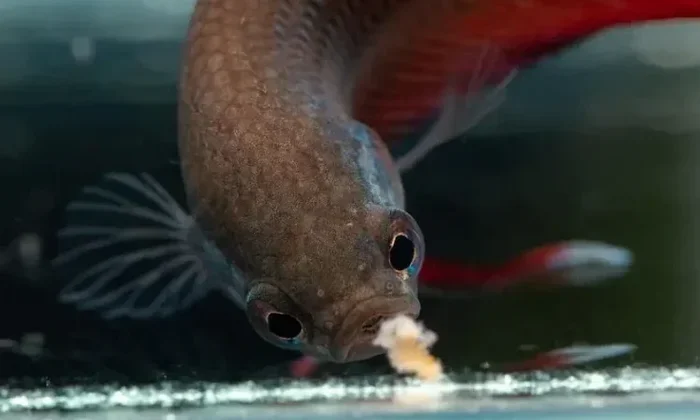
Understanding wild betta behavior helps you choose better food. Bettas are surface eaters. They dart up to the water’s surface to grab food. Their long, delicate fins make them slower swimmers. So they need food that floats or stays near the top.
Fish flakes work well for this because they float for a few minutes before sinking. This gives your betta time to find and eat them. Just make sure you are not dropping too much at once. Uneaten flakes dissolve quickly and dirty the water.
Types of Fish Flakes Bettas Can Eat
Not all flakes are the same. The market offers many options, and some work better for bettas than others. Here is a breakdown of the most common types.
Regular Fish Flakes
Regular fish flakes are the most common type found in pet stores. They are designed for community tropical fish like tetras, guppies, and corydoras. These flakes often contain a mix of plant and animal ingredients.
While bettas can eat regular fish flakes, they are not ideal. Most regular flakes have lower protein levels and more plant-based fillers. Bettas need more animal protein than these flakes typically provide.
If you currently feed your betta regular flakes, you can still use them. Just supplement with a high-protein betta pellet or treat to balance the nutrition. Check out our article on can betta fish eat regular fish flakes for more details.
Betta-Specific Flakes
Betta-specific flakes are formulated with higher protein content. They often include ingredients like fish meal, shrimp meal, and spirulina. These flakes are designed to meet the unique dietary needs of bettas.
Betta flakes are the best choice if you want a simple, convenient feeding option. They float well, are easy to portion, and contain the nutrients your betta needs. Look for brands that list real animal protein as the first ingredient.
Tropical Fish Flakes
Tropical fish flakes are another option. They are formulated for a wide range of tropical species. Some tropical flakes have decent protein levels, but they are still not as protein-dense as betta-specific food.
Many owners ask, can betta fish eat tropical fish flakes? The answer is yes, in moderation. Tropical flakes work as a staple food only if they have a protein content of at least 35%. Otherwise, use them as a supplement alongside betta pellets.
Goldfish Flakes
Goldfish flakes are not a good choice for bettas. Goldfish are omnivores and need more plant matter in their diet. Goldfish flakes often contain wheat and grain-based ingredients that are hard for bettas to digest. If you are wondering can betta fish eat goldfish flakes, the answer is best to avoid them.
How Often Should You Feed Betta Fish Flakes?
Feeding frequency is just as important as food quality. Overfeeding is one of the top health problems in betta fish. Bettas have small stomachs — about the size of their eye. This means they need small, frequent meals rather than one large feeding.
Recommended Feeding Schedule
Follow this simple feeding schedule for healthy results:
- Feed 2 times per day. Once in the morning and once in the evening works well.
- Give only what your betta can eat in 2 minutes. Two to three small flakes per feeding is usually enough.
- Skip one day per week. This helps with digestion and prevents constipation.
Young bettas under six months old may need three small feedings per day. As they grow, you can reduce to twice daily. Always adjust based on your fish’s appetite and body condition.
Portion Control Tips
Portion control is critical for betta health. Here are some quick tips:
- Use a small pinch of flakes. Crush them slightly if they are too large.
- Watch your betta eat. Remove any uneaten flakes after 2 minutes.
- Do not feed until the belly looks round. A slightly rounded belly is fine. A bloated belly means you are overfeeding.
Uneaten flakes break down in the water fast. This spikes ammonia levels and can make your betta sick. Always err on the side of underfeeding rather than overfeeding.
Comparing Betta Flakes vs. Pellets
Many betta owners wonder whether flakes or pellets are better. Both have pros and cons. The best choice depends on your fish’s preferences and your feeding routine.
| Feature | Fish Flakes | Betta Pellets |
|---|---|---|
| Protein Content | Varies (25-40%) | Usually higher (35-50%) |
| Float Time | Short (2-3 minutes) | Longer (5-10 minutes) |
| Ease of Portioning | Easy to pinch small amounts | Easy to count individual pellets |
| Water Quality | Dissolves faster | Slower to break down |
| Best For | Variety and convenience | Staple diet and precision |
| Price Range | Usually cheaper | Slightly more expensive |
Most experts recommend a mix of both. Use betta pellets as the staple food and fish flakes as a supplement for variety. This combination gives your betta balanced nutrition and keeps mealtime interesting.
If you want to learn more about the debate between flakes and pellets, check out our article on do betta fish eat flakes or pellets.
Common Mistakes When Feeding Fish Flakes to Bettas
Even experienced betta owners make feeding mistakes. Avoiding these common errors will keep your fish healthier and happier.
Mistake 1: Overfeeding
This is the number one mistake. Bettas will eat as much as you give them, even if they are full. Uneaten food rots in the tank and pollutes the water. Feed small amounts and remove leftovers promptly.
Mistake 2: Using Low-Quality Flakes
Cheap flakes from discount stores often contain fillers like wheat flour, corn starch, and artificial colors. These offer little nutritional value. Always read the ingredient list before buying.
Mistake 3: Feeding Only Flakes
Flakes alone do not provide complete nutrition for bettas. They need variety. Rotate between flakes, pellets, frozen foods, and live foods for the best results. If you are considering other food types, see our guide on can betta eat tropical fish flakes.
Mistake 4: Ignoring Feeding Time
Bettas do best with a consistent feeding schedule. Feeding at random times can stress them and disrupt their routine. Pick two times each day and stick to them.
Mistake 5: Flushing Old Food
Do not keep expired fish flakes. Old food loses nutritional value and can harbor bacteria. Replace your fish food supply every 2-3 months to ensure freshness.
Quick Tips for the Best Betta Flake Feeding Experience
Follow these expert-backed tips to get the most out of feeding fish flakes to your betta:
- Soak flakes briefly before adding them to the tank. This helps them sink more slowly and gives your betta time to find them.
- Crush large flakes into smaller pieces. Bettas have small mouths and may struggle with big flakes.
- Wash your hands before feeding. This prevents oils and lotions from contaminating the tank water.
- Feed near the filter output. The current carries flakes gently across the tank, making it easier for your betta to catch them.
- Observe your betta after feeding. A healthy betta will eat eagerly and have a good appetite. Loss of interest in food is a warning sign.
Expert Insights on Betta Fish Flakes
Experienced aquarists agree that diet is the foundation of betta health. Dr. Richmond Loh, a fish veterinarian, emphasizes that “the quality of food directly impacts water quality and fish immunity.” This means every flake you drop into the tank affects more than just your betta’s stomach — it affects the entire aquarium environment.
Many owners also ask whether betta fish food flakes differ from regular fish flakes. The answer is yes. Betta-specific flakes are formulated with higher protein, fewer fillers, and added vitamins. They are worth the small extra cost for the health benefits they provide.
If you are curious about what other fish can share your betta’s food, our article on can fish eat betta flakes explores this topic in detail.
Another common question is whether humans can consume betta fish food. While it is not toxic, it is not designed for human nutrition. Learn more in our article on can you eat betta fish food.
Conclusion
Betta fish can eat fish flakes, but choosing the right kind and feeding them correctly makes all the difference. Focus on high-protein flakes that list real animal ingredients first. Avoid cheap fillers and goldfish-specific formulas. Stick to a consistent feeding schedule and practice portion control.
Combine flakes with pellets and occasional treats for a balanced betta diet. Watch your fish for signs of good health — bright colors, steady appetite, and active swimming. Avoid the common mistakes of overfeeding and using low-quality food.
Your betta depends on you for its nutrition. With the right flakes and a smart feeding routine, your fish can live a long, vibrant, and healthy life. Start making small improvements today, and you will see the difference in your betta’s energy and appearance within weeks.
Frequently Asked Questions
Can betta fish eat fish flakes every day?
Yes, betta fish can eat fish flakes every day, but make sure the flakes have at least 30% protein. Feed a small amount twice daily and remove uneaten flakes within 2 minutes. For the best results, rotate flakes with betta pellets to provide a balanced diet.
What happens if my betta eats the wrong kind of flakes?
Low-quality flakes with fillers can cause bloating, constipation, and poor nutrition over time. Your betta may lose color, become sluggish, or develop swim bladder issues. Always choose flakes with real animal protein as the primary ingredient.
Are betta flakes better than regular fish flakes?
Yes, betta flakes are specifically formulated with higher protein content and fewer fillers. They are designed to meet the carnivorous dietary needs of bettas. Regular fish flakes work in a pinch but should not be the sole food source.
How do I know if my betta likes its fish flakes?
A healthy betta will eagerly swim to the surface when it sees food. If your betta ignores the flakes or spits them out, try a different brand or switch to pellets. A sudden loss of appetite can also signal illness, so watch for other symptoms.
Can I mix betta flakes with other fish food?
Yes, mixing betta flakes with pellets or frozen foods adds variety and improves nutrition. Just make sure the combined diet still meets your betta’s protein needs. Avoid mixing with goldfish food or tropical community flakes that lack sufficient protein.
How long do opened fish flakes last for bettas?
Opened fish flakes typically stay fresh for 2 to 3 months. Store them in a cool, dry place with the lid sealed tightly. Expired flakes lose nutritional value and can go stale, so replace them regularly for the best betta health.
=== SEO TITLE ===
Can Betta Fish Eat Fish Flakes? What You Need to Know
=== META TITLE ===
Can Betta Fish Eat Fish Flakes? Complete Feeding Guide
=== URL SLUG ===
can-betta-fish-eat-fish-flakes