Can Betta Fish and Neon Tetras Live Together
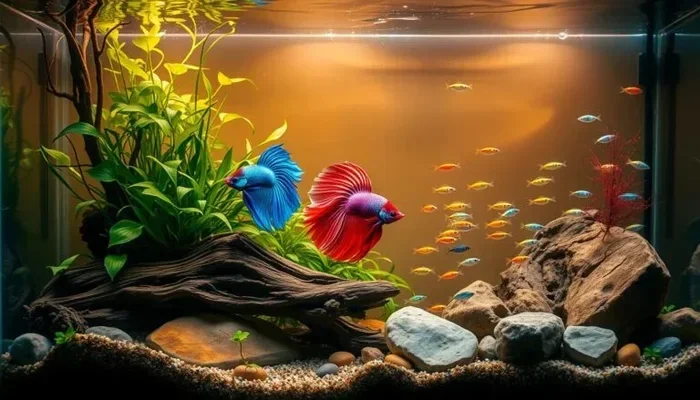
Yes, betta fish and neon tetras can live together under the right conditions. This guide covers compatibility factors, tank setup requirements, and practical tips to keep both species healthy and stress-free. You will learn about betta temperament, neon tetra behavior, and the exact steps to create a thriving community aquarium.
Many aquarium lovers dream of a vibrant tank filled with colorful fish swimming together. One of the most popular combinations is the betta fish and neon tetras. But can these two species really share a tank without problems? The short answer is yes, but success depends on several important factors.
Betta fish, also known as Siamese fighting fish, are known for their bright fins and bold personalities. Neon tetras, on the other hand, are small, peaceful schooling fish that add a splash of iridescent blue and red to any tank. When you understand how each species behaves, you can create an aquarium where both thrive. In this guide, we will walk you through everything you need to know about keeping betta fish and neon tetras together.
Whether you are a beginner or a seasoned aquarist, this article will give you the practical advice and real-world tips you need. We will cover tank setup, compatibility, feeding, and common mistakes to avoid. Let us dive in and explore how to build a peaceful community aquarium with these two beautiful species.
Key Takeaways
- Compatibility is possible: Betta fish and neon tetras can coexist when you match tank conditions and choose the right temperament.
- Tank size matters: A minimum of 20 gallons gives both species enough space to thrive and reduces aggression.
- Water parameters must align: Both species prefer warm, slightly acidic to neutral water with stable conditions.
- Tank layout is crucial: Plenty of plants, hiding spots, and open swimming areas help minimize conflict.
- Feeding routines prevent competition: Offering separate food sources ensures both species get proper nutrition.
- Monitor behavior closely: Watch for signs of stress or aggression and be ready to adjust the setup.
📑 Table of Contents
Understanding Betta Fish and Neon Tetras
Before you mix any two fish species, you need to understand their natural behaviors and needs. Both bettas and neon tetras come from different regions of Southeast Asia and South America. Their instincts and preferences shape how they interact in a shared tank.
Betta Fish Temperament
Betta fish are labyrinth fish, which means they breathe air from the surface. They are native to the warm, slow-moving waters of Thailand and Cambodia. Male bettas are especially known for their aggressive temperament. In the wild, they defend territories against other males. This territorial behavior is the biggest concern when pairing bettas with other fish.
However, not all bettas are the same. Some bettas are calm and relaxed, while others are highly territorial. Female bettas tend to be less aggressive than males. A betta fish tank mates guide can help you choose the right companion based on your specific betta’s personality.
Neon Tetra Behavior
Neon tetras are small, schooling fish that grow to about 1.5 inches long. They are peaceful by nature and prefer to swim in groups. In the wild, they live in densely planted rivers and streams with soft, slightly acidic water. Their natural instinct is to stick together in schools, which makes them less likely to bother other fish.
Because neon tetras are non-confrontational, they generally avoid conflict. However, they can become stressed if a betta chases them constantly. A stressed neon tetra may stop eating, lose its color, or hide excessively. Understanding this dynamic is key to making neon tetras compatibility work in your tank.
Can Betta Fish and Neon Tetras Live Together?
The short answer is yes, but with important caveats. Many aquarists successfully keep bettas and neon tetras in the same tank. The key is to set up the environment correctly and choose the right individual fish. If your betta has a calm disposition, the chances of a peaceful community tank are much higher.
According to experienced hobbyists, betta fish and neon tetras can coexist when you follow a few basic rules. The betta should not feel threatened by the tetras, and the tetras need enough space to school away from the betta. A well-planned tank with plenty of hiding spots and visual barriers works wonders for reducing tension.
If you are curious about other betta pairings, you might want to check out can betta fish live with neon tetras for more detailed insights on this specific combination.
Tank Setup for a Peaceful Community
The right tank setup is the foundation of a successful betta-neon tetra aquarium. Getting the environment right reduces stress and minimizes the chances of aggression. Here is what you need to know.
Tank Size Requirements
A minimum tank size of 20 gallons is recommended for housing bettas and neon tetras together. A smaller tank concentrates waste and increases territorial behavior. With more space, both species have room to establish their own areas without constant conflict.
For a 20-gallon tank, you can keep one male betta and a school of 6 to 8 neon tetras. The school size is important because neon tetras feel safer in larger groups. A bigger school also distributes the betta’s attention across multiple fish, reducing the pressure on any single tetra.
Water Parameters
Both bettas and neon tetras prefer similar water conditions, which makes them a compatible pair. Here are the ideal parameters:
- Temperature: 76°F to 80°F (24°C to 27°C)
- pH Level: 6.5 to 7.0
- Water Hardness: Soft to moderately hard (3 to 10 dGH)
- Filtration: Gentle flow, such as a sponge filter
Stable water conditions are essential. Sudden changes in temperature or pH can stress both species. Use a reliable heater and a thermometer to maintain consistent warmth. Regular water changes of 20 to 25 percent per week help keep the tank healthy.
Plants and Decorations
Live plants are your best friend when keeping bettas with neon tetras. Plants create natural barriers that break up the betta’s line of sight. This reduces the feeling of threat and gives tetras places to hide. Java moss, Amazon sword, and floating plants like water wisteria work great.
Add caves, driftwood, and rock formations to provide extra hiding spots. The goal is to create a tank with both open swimming areas and cozy corners. A well-decorated tank mimics the natural habitat and encourages natural behavior from both species. You can also learn more about how a male betta fish lives with neon tetras for specific tips on managing a male’s temperament.
Feeding Both Species Properly
Feeding time can be a source of conflict in any community tank. Bettas are carnivores and prefer protein-rich foods like bloodworms, brine shrimp, and betta pellets. Neon tetras are omnivores and enjoy flakes, small pellets, and frozen foods.
To prevent competition, feed the betta first with a high-quality pellet or live food. Then sprinkle flakes or micro-pellets for the tetras. This way, the betta gets its preferred food without being distracted by the tetras’ food. Feed small amounts twice a day and remove any uneaten food after a few minutes.
Overfeeding is a common mistake that leads to poor water quality. Keep portions small and adjust based on how quickly the fish eat. A well-fed fish is a calm fish, and proper nutrition supports the health and color of both species.
Common Mistakes to Avoid
Even with the best intentions, many aquarists make mistakes that lead to an unsuccessful tank. Here are the most common pitfalls and how to avoid them.
Choosing the Wrong Betta
Not every betta is suitable for a community tank. Some bettas are extremely aggressive and will chase or nip at any fish that enters their space. Before adding neon tetras, observe your betta’s behavior for a few days. If your betta flares at everything, it may not be the best candidate for a shared tank.
Overcrowding the Tank
Too many fish in a small tank creates stress for everyone. Overcrowding leads to poor water quality, increased aggression, and disease outbreaks. Stick to the recommended stocking levels and give each fish enough room to swim comfortably.
Ignoring Early Warning Signs
Watch for signs of stress in both species. A betta that stops eating or constantly hides may be stressed. Neon tetras that clump together tightly or lose their vibrant color are also telling you something is wrong. Catching these signs early allows you to make adjustments before problems escalate.
For more information on common compatibility issues, you can explore can neon tetras and betta fish live together for a deeper look at this specific pairing.
Expert Tips for Long-Term Success
Creating a harmonious aquarium takes patience and observation. Here are some expert tips that experienced aquarists swear by.
- Introduce the tetras first. Let the neon tetras establish their school before adding the betta. This gives the betta a chance to get used to the movement and presence of the tetras without feeling immediately threatened.
- Use a divider if needed. If your betta shows signs of aggression, a tank divider can give both species time to adjust without direct contact. Remove the divider gradually once both fish seem calm.
- Keep the lights dim. Bettas can become more territorial under bright lights. Soft, indirect lighting helps create a calmer environment for everyone.
- Perform regular maintenance. Consistent water changes and filter cleaning prevent the buildup of harmful chemicals. Clean water supports the immune system of both bettas and tetras.
- Be prepared to rehome. If the combination simply does not work, do not force it. Having a backup plan, such as a separate tank, ensures the safety of all fish involved.
Many aquarists also enjoy adding other peaceful species to a community tank. If you are considering expanding your tank, check out can betta fish live with guppies and tetras for ideas on building a diverse and thriving aquarium community.
Signs Your Betta and Neon Tetras Are Getting Along
How do you know if your tank is working? Look for these positive signs that both species are comfortable:
- The betta swims calmly and does not flare at the tetras.
- Neon tetras school together naturally and explore the tank freely.
- Both species eat well during feeding time.
- The betta rests peacefully near plants or decorations.
- No chasing or nipping behavior is observed.
These signs indicate that the community aquarium is balanced and both species feel secure. It may take a few days or even a couple of weeks for everyone to settle in. Patience is key during the introduction period.
Conclusion
Keeping betta fish and neon tetras together is absolutely possible with the right approach. The combination of a calm betta, a well-sized tank, proper water conditions, and plenty of plants creates an environment where both species can thrive. Remember to monitor behavior, feed appropriately, and be patient during the adjustment period.
A successful community tank is one of the most rewarding experiences in the aquarium hobby. The bright colors of neon tetras swimming alongside the flowing fins of a betta create a stunning visual display. By following the tips in this guide, you are setting yourself up for a beautiful and peaceful aquarium. Start with the basics, observe your fish closely, and enjoy the journey of building a harmonious underwater world.
Frequently Asked Questions
Can a male betta fish live with neon tetras?
Yes, a male betta can live with neon tetras if the tank is large enough and has plenty of hiding spots. However, some male bettas are too aggressive for community tanks. Always observe your betta’s behavior before introducing tank mates.
How many neon tetras should you keep with a betta?
A school of 6 to 8 neon tetras works well in a 20-gallon tank. Keeping them in a group helps them feel secure and reduces stress. A larger school also spreads out the betta’s attention.
What tank size is best for bettas and neon tetras?
A 20-gallon tank is the minimum recommended size. It provides enough space for both species to establish their own areas without feeling crowded. Larger tanks are always better for community setups.
Do neon tetras annoy betta fish?
Generally, no. Neon tetras are peaceful and tend to stay in their school. However, if the tank is too small or lacks hiding spots, the betta may become irritated by the constant movement of the tetras.
Can bettas and neon tetras eat the same food?
Yes, but it is best to offer a varied diet that meets both species’ needs. Feed betta-specific pellets and supplement with flakes or micro-pellets for the tetras. This ensures everyone gets proper nutrition.
What should you do if your betta chases neon tetras?
If chasing occurs, add more plants and decorations to break up sightlines. You can also try feeding the betta first to reduce its urge to hunt. If the behavior continues, consider separating the fish into different tanks.