Can Betta Fish Live with Guppies and Tetras
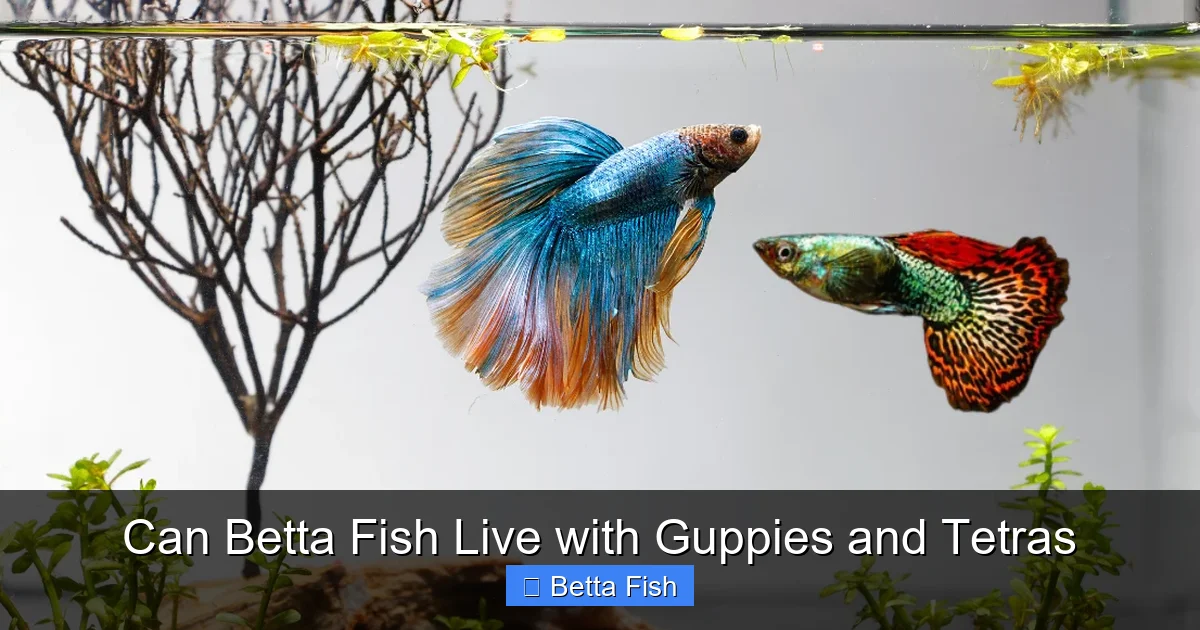
Betta fish can live with guppies and tetras, but success depends heavily on the betta’s personality, tank size, and water conditions. While some bettas are peaceful community fish, others are aggressive and will attack tank mates. A spacious tank of at least 20 gallons, plenty of hiding spots, and careful monitoring are essential for making this combination work.
[FEATURED IMAGE_PLACEHOLDER]
Key Takeaways
- Personality matters most: Every betta has a unique temperament. Some are calm and community-friendly, while others are highly aggressive and territorial.
- Tank size is critical: A minimum of 20 gallons is recommended when housing bettas with guppies and tetras to reduce territorial behavior and stress.
- Water parameters must align: Bettas, guppies, and tetras all thrive in warm water (76–82°F) with a neutral pH, making them somewhat compatible on the water chemistry front.
- Fin nipping is a real risk: Guppies have long, flowing fins that can trigger a betta’s aggression, and some tetra species may nip at a betta’s fins.
- Proper tank setup reduces conflict: Live plants, caves, and decorations create hiding spots and break sightlines, which significantly lowers aggression.
- Always have a backup plan: Keep a separate tank or divider ready in case the betta shows signs of aggression toward guppies or tetras.
- Introduce tank mates carefully: Adding guppies and tetras before the betta can help reduce territorial behavior since the betta enters an already established space.
📑 Table of Contents
- Can Betta Fish Live With Guppies and Tetras?
- Understanding Betta Fish Temperament
- Compatibility Between Bettas and Guppies
- Compatibility Between Bettas and Tetras
- Setting Up the Perfect Community Tank
- How to Introduce Guppies and Tetras to Your Betta
- Common Problems and How to Solve Them
- Alternative Tank Mate Options
- Final Thoughts on Keeping Bettas With Guppies and Tetras
Can Betta Fish Live With Guppies and Tetras?
If you’ve ever stared at your beautiful betta fish and thought, “This tank looks a little lonely,” you’re not alone. Thousands of betta owners wonder the same thing every day. Can betta fish live with guppies and tetras? It’s one of the most common questions in the aquarium hobby, and the answer isn’t a simple yes or no. The truth is, it depends on several factors, including your betta’s personality, the size of your tank, and how carefully you manage the introduction process.
Bettas are known for their stunning colors and dramatic fins. But they’re also known for their attitude. Male bettas, in particular, are territorial and can be aggressive toward other fish. Guppies and tetras, on the other hand, are small, peaceful schooling fish that prefer to live in groups. Mixing these species together can either create a beautiful, harmonious community tank or a disaster. Let’s dive deep into everything you need to know before attempting this combination.
Understanding the natural behavior of each species is the first step. In the wild, bettas live in shallow, slow-moving waters across Southeast Asia. They’re solitary by nature and will defend their territory fiercely. Guppies originate from the warm freshwater streams of South America and are incredibly social. Tetras, also from South America and Africa, are active schooling fish that feel safest in groups of six or more. These different backgrounds mean you need to be thoughtful about how you bring them together.
Understanding Betta Fish Temperament
Why Bettas Can Be Aggressive
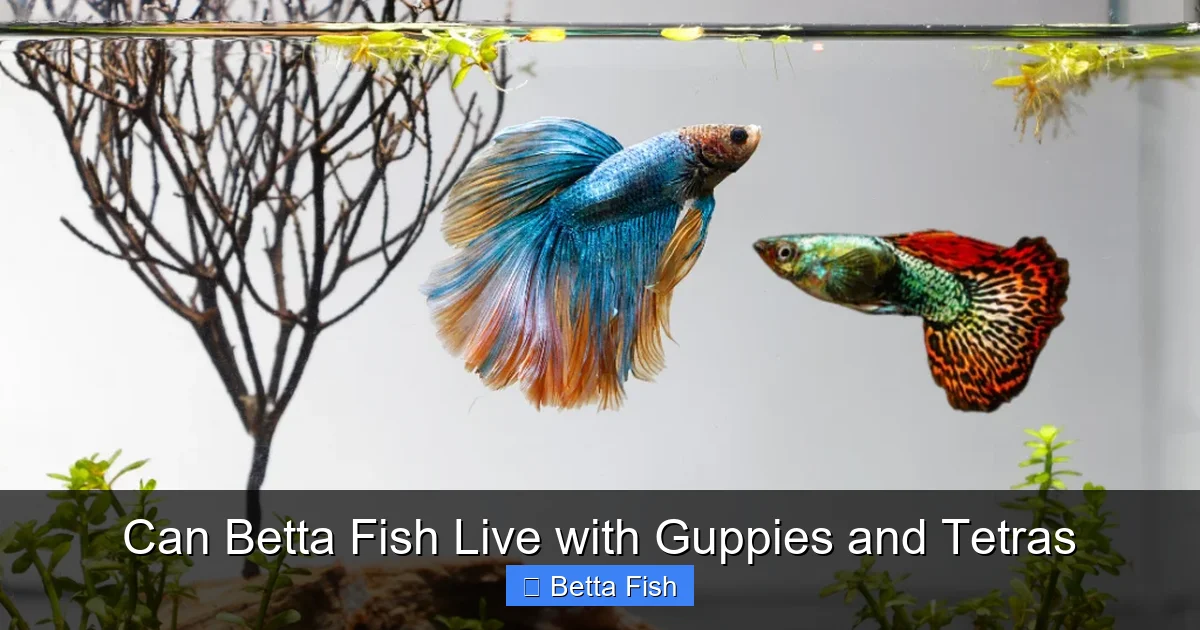
Betta fish, also known as Siamese fighting fish, earned that name for a reason. Male bettas were historically bred for fighting, and that aggressive instinct still runs strong in their DNA. When a betta sees another fish with bright colors or long fins, it often perceives that fish as a rival. This is why many bettas flare their gills and attack other fish that look similar to them.
Visual guide about Can Betta Fish Live with Guppies and Tetras
Image source: japanesefightingfish.org
However, not all bettas are aggressive. Some have calm, docile personalities and can coexist peacefully with other species. Female bettas tend to be less aggressive than males, though they can still be territorial. The challenge is that you won’t know your betta’s true personality until you introduce tank mates. Even a betta that seemed peaceful in isolation might become aggressive when sharing space.
Signs Your Betta Might Be Too Aggressive
Before adding guppies and tetras to your betta’s tank, watch for warning signs. If your betta constantly flares at its reflection, attacks your hand during feeding time, or destroys plants and decorations, it may not be a good candidate for community living. A betta that is relaxed, curious, and uninterested in its reflection is more likely to accept tank mates.
It’s also worth noting that a betta’s mood can change over time. A peaceful betta today might become territorial tomorrow, especially during breeding season or if water conditions deteriorate. Constant vigilance is key when keeping bettas with other fish.
Compatibility Between Bettas and Guppies
The Guppy Problem: Fins and Colors
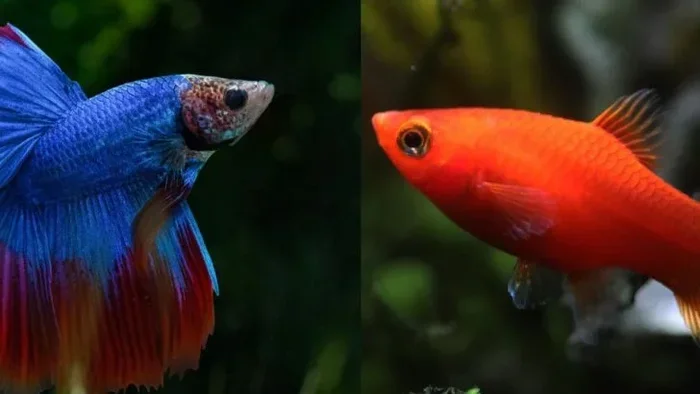
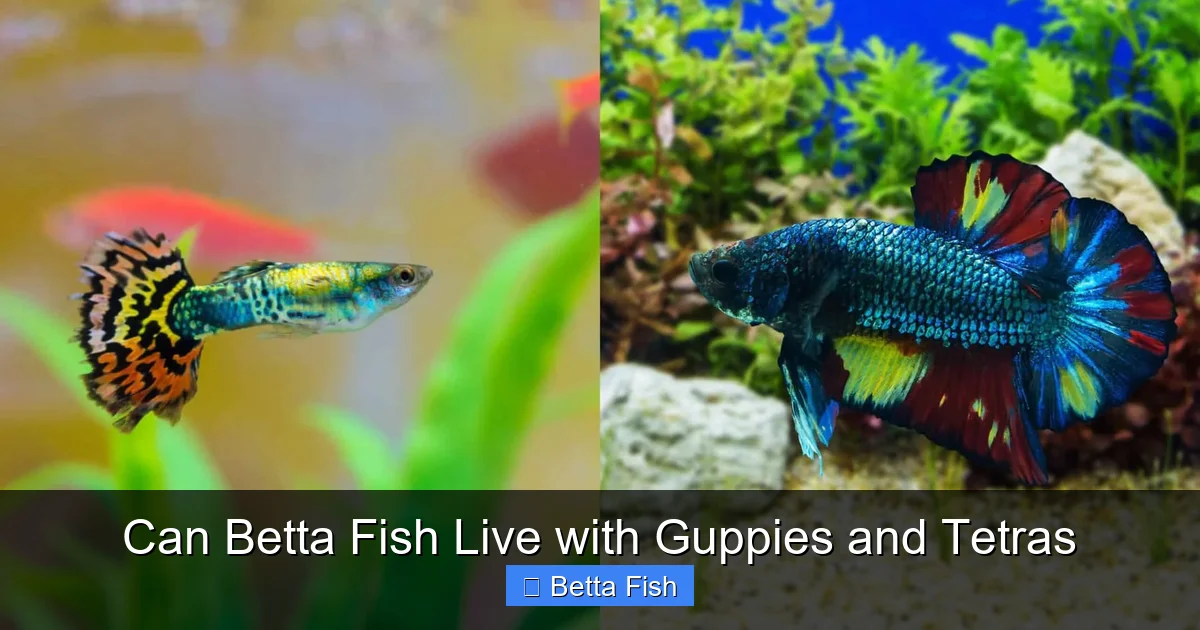
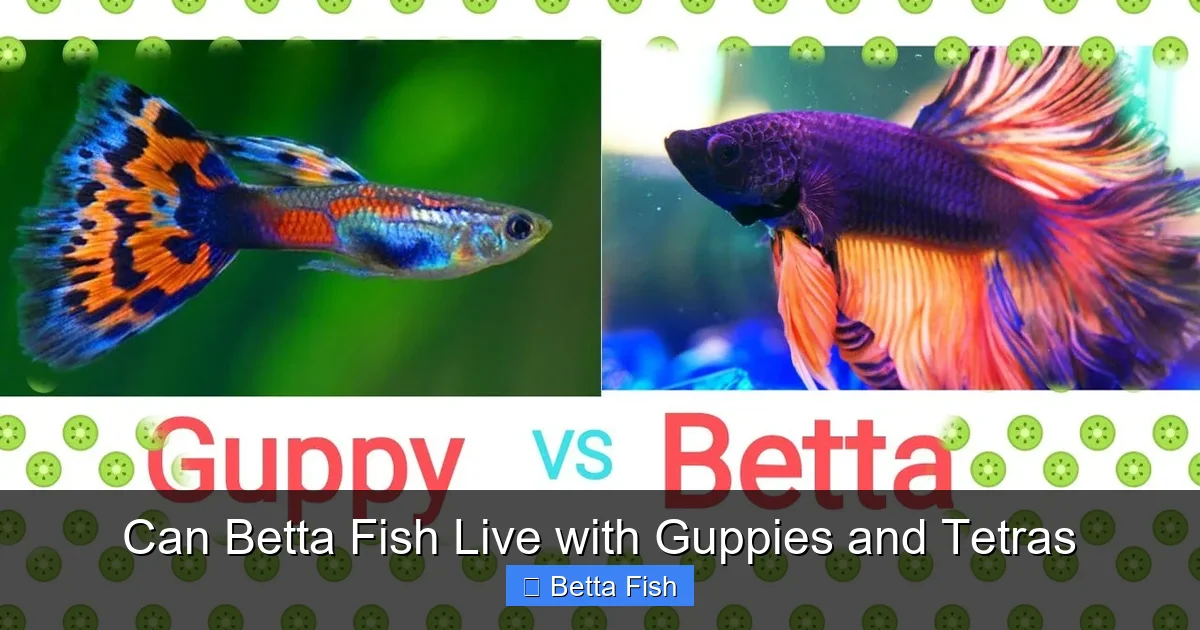
Guppies are one of the most popular freshwater fish in the world. They come in an incredible variety of colors and fin shapes. Unfortunately, those gorgeous flowing fins and bright colors are exactly what trigger a betta’s aggression. To a betta, a male guppy with a large, colorful tail looks like another betta, and that can spell trouble.

Visual guide about Can Betta Fish Live with Guppies and Tetras
Image source: i.pinimg.com
This doesn’t mean guppies and bettas can never coexist. Many hobbyists have successfully kept them together. The trick is choosing guppies with shorter fins and less intense colors. Female guppies, which are duller and have smaller tails, are generally a safer choice than flashy males. You can learn more about this pairing in our detailed guide on can a betta fish live with guppies.
Schooling Needs of Guppies
Guppies are social fish that need to be kept in groups. A single guppy will become stressed and hide constantly. You should keep at least three to five guppies together, which means your tank needs to be large enough to accommodate the betta plus a small school. This is another reason why a 20-gallon tank is the minimum recommendation for this combination.
When guppies feel safe in a group, they’re more active and confident. A stressed, isolated guppy is more likely to be targeted by an aggressive betta. So keeping guppies in a proper school actually helps protect them.
Compatibility Between Bettas and Tetras
Which Tetra Species Work Best?
Not all tetras are created equal when it comes to living with bettas. Some tetra species are known fin nippers, which can be a serious problem for a betta with long, delicate fins. Serpae tetras, for example, are notorious for nipping and should generally be avoided with bettas. Buenos Aires tetras can also be nippy and boisterous.
Visual guide about Can Betta Fish Live with Guppies and Tetras
Image source: aquariadise.com
The best tetra species for a betta tank include neon tetras, ember tetras, glowlight tetras, and rummy nose tetras. These species are peaceful, small, and tend to keep to themselves. Neon tetras are perhaps the most popular choice because of their tiny size and calm demeanor. For a deeper dive into this specific pairing, check out our article on can tetra fish live with betta fish.
Tetra Schooling Behavior
Like guppies, tetras are schooling fish. They need to be kept in groups of at least six to feel secure. A small school of neon tetras swimming together in a 20-gallon tank with a betta can create a stunning visual display. The tetras will occupy the middle of the water column, while the betta typically patrols the top and middle areas.
One advantage of tetras over guppies is that most tetra species don’t have the long, flowing fins that trigger betta aggression. Their small size and quick movements also help them avoid confrontations with a territorial betta.
Setting Up the Perfect Community Tank
Tank Size and Shape
Tank size is arguably the most important factor when keeping bettas with guppies and tetras. A 5-gallon tank, which is often recommended for a single betta, is far too small for a community setup. You need at least a 20-gallon long tank to give each species enough space. A 30-gallon tank would be even better.
Visual guide about Can Betta Fish Live with Guppies and Tetras
Image source: i.ytimg.com
The shape of the tank matters too. A long, horizontal tank provides more swimming space and allows fish to establish separate territories. A tall, narrow tank concentrates fish into a smaller area and increases the likelihood of conflict. More horizontal space means the betta can claim one end of the tank while the guppies and tetras occupy the other.
Water Parameters
The good news is that bettas, guppies, and tetras have overlapping water parameter requirements. Here’s what you need to maintain:
- Temperature: 76–82°F (24–28°C) — A reliable heater is essential
- pH: 6.5–7.5 — Slightly acidic to neutral
- Hardness: Soft to moderately hard water
- Ammonia and nitrite: Always at 0 ppm
- Nitrate: Below 20 ppm
Maintaining stable water conditions is crucial. Poor water quality stresses all fish and can make a normally peaceful betta become aggressive. Perform regular water changes of 25–30% weekly and use a quality water conditioner. A well-maintained tank is the foundation of a successful community setup.
Plants, Decorations, and Hiding Spots
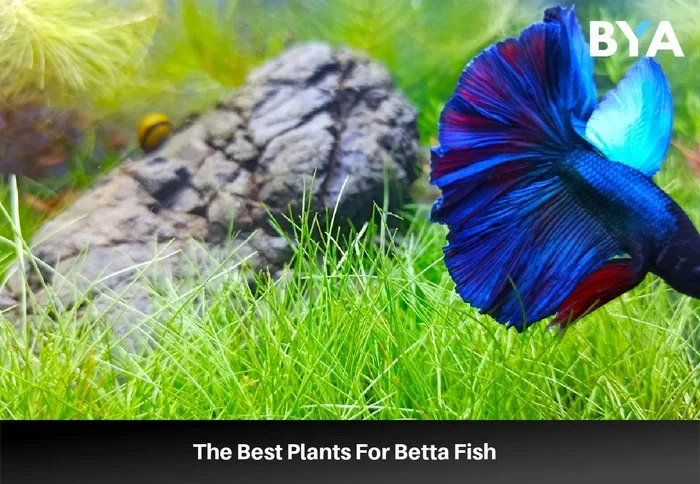
A bare tank is a recipe for disaster when mixing bettas with other fish. You need to create an environment with plenty of visual barriers and hiding spots. Live plants are the best option because they improve water quality while providing cover. Java fern, Amazon sword, anubias, and floating plants like water sprite are all excellent choices.
In addition to plants, add caves, driftwood, and rock formations. These decorations break up sightlines so the betta can’t constantly see the guppies and tetras. When fish can’t see each other, they’re less likely to engage in territorial disputes. Floating plants are especially valuable because bettas like to rest near the surface, and dense floating plants create a natural barrier between the betta and the rest of the tank.
How to Introduce Guppies and Tetras to Your Betta
The Order of Introduction Matters
One of the best strategies for success is to add the guppies and tetras to the tank before introducing the betta. When a betta is placed into an already established community, it’s less likely to view the entire tank as its territory. Instead, it will claim a smaller area and learn to coexist with the existing residents.

Visual guide about Can Betta Fish Live with Guppies and Tetras
Image source: efishkeeping.com
If your betta is already in the tank, you can still add tank mates, but you need to be more careful. Rearrange the decorations before adding new fish. This disrupts the betta’s established territory and puts all fish on more equal footing.
Quarantine New Fish
Never add new fish directly to your main tank. Always quarantine guppies and tetras in a separate tank for at least two to four weeks. This allows you to observe them for signs of disease or parasites. Introducing sick fish to your betta tank can harm or even kill your betta. A simple quarantine tank can be a 10-gallon setup with a heater and sponge filter.
Monitor Closely After Introduction
The first 48 hours after introducing new fish are the most critical. Watch for signs of aggression from the betta, such as chasing, flaring, or biting. Also watch the guppies and tetras for signs of stress, including hiding constantly, loss of color, or refusal to eat. If aggression occurs, you may need to separate the fish immediately.
It’s normal for there to be some initial posturing. A betta might flare its gills or make a few charges to establish dominance. But if this behavior continues beyond a day or two, or if actual physical contact occurs, you need to intervene. Having a tank divider or a backup tank ready is essential for these situations.
Common Problems and How to Solve Them
Betta Attacking Guppies
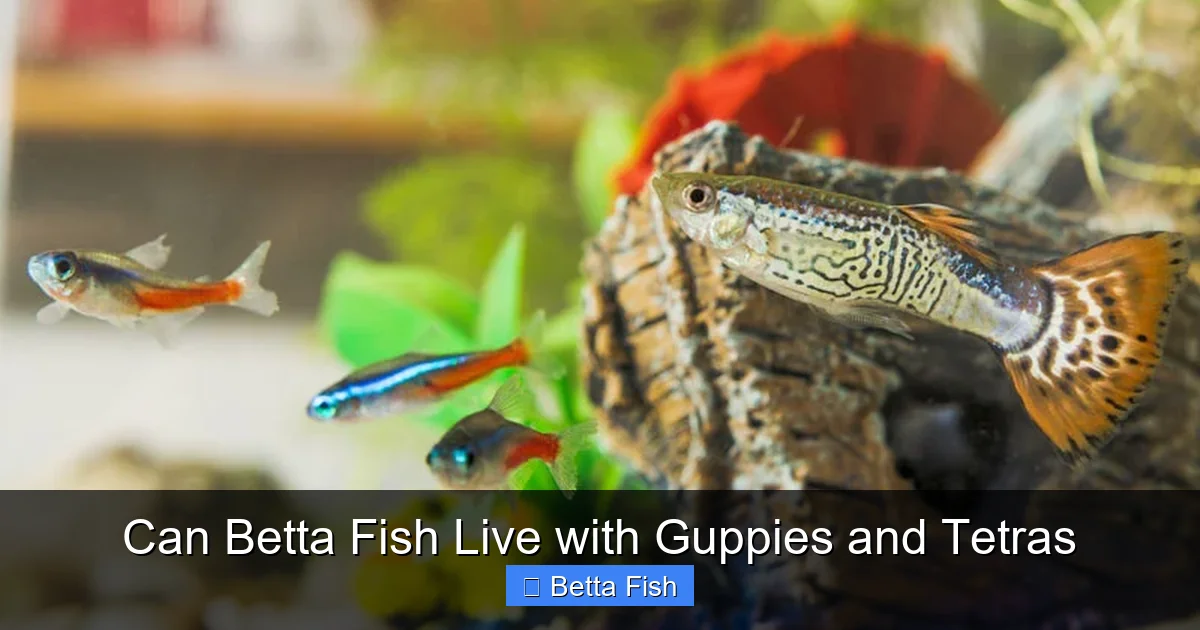
This is the most common problem, and it usually happens because the guppy’s fins resemble another betta. If your betta is targeting guppies, try removing the male guppies first. Female guppies with their shorter, duller fins are much less likely to provoke aggression. If the problem persists, you may need to permanently separate the betta from the guppies.
Visual guide about Can Betta Fish Live with Guppies and Tetras
Image source: guppyexpert.com
Tetras Nipping Betta Fins
Some tetra species are fin nippers, and a betta’s long, flowing fins are an irresistible target. If you notice your tetras nipping at your betta’s fins, remove the offending tetras immediately. Fin nipping can lead to infections and serious health problems for your betta. Switching to a more peaceful tetra species like ember tetras or increasing the school size can sometimes reduce nipping behavior.
Competition During Feeding Time
Bettas can be slow eaters, while guppies and tetras are fast and aggressive eaters. This can lead to your betta not getting enough food. To solve this, feed the guppies and tetras on one side of the tank while simultaneously feeding the betta on the other side. You can also use a feeding ring or target feed the betta with a pipette to ensure it gets its share.
Stress and Disease
Stress is the number one cause of disease in aquarium fish. A betta that is constantly stressed from defending its territory, or guppies and tetras that are stressed from being chased, will have weakened immune systems. Watch for signs of stress such as clamped fins, loss of appetite, hiding, and color fading. If you notice these signs, address the root cause immediately, whether that means removing an aggressive fish or improving tank conditions.
Alternative Tank Mate Options
If you’ve tried keeping bettas with guppies and tetras and it didn’t work out, don’t worry. There are plenty of other compatible tank mates to consider. Corydoras catfish are peaceful bottom dwellers that make excellent betta tank mates. Snails and shrimp can also work well in a betta tank, though some bettas will hunt shrimp. For a comprehensive list of alternatives, check out our guide on what other fish can live with betta fish.

Visual guide about Can Betta Fish Live with Guppies and Tetras
Image source: petshun.com
Other options include harlequin rasboras, which are peaceful and similar in size to tetras, and otocinclus catfish, which are excellent algae eaters. The key is choosing fish that are peaceful, not too colorful, and don’t have long flowing fins. Bottom-dwelling fish are often the safest choice because they occupy a different area of the tank than the betta.
Final Thoughts on Keeping Bettas With Guppies and Tetras
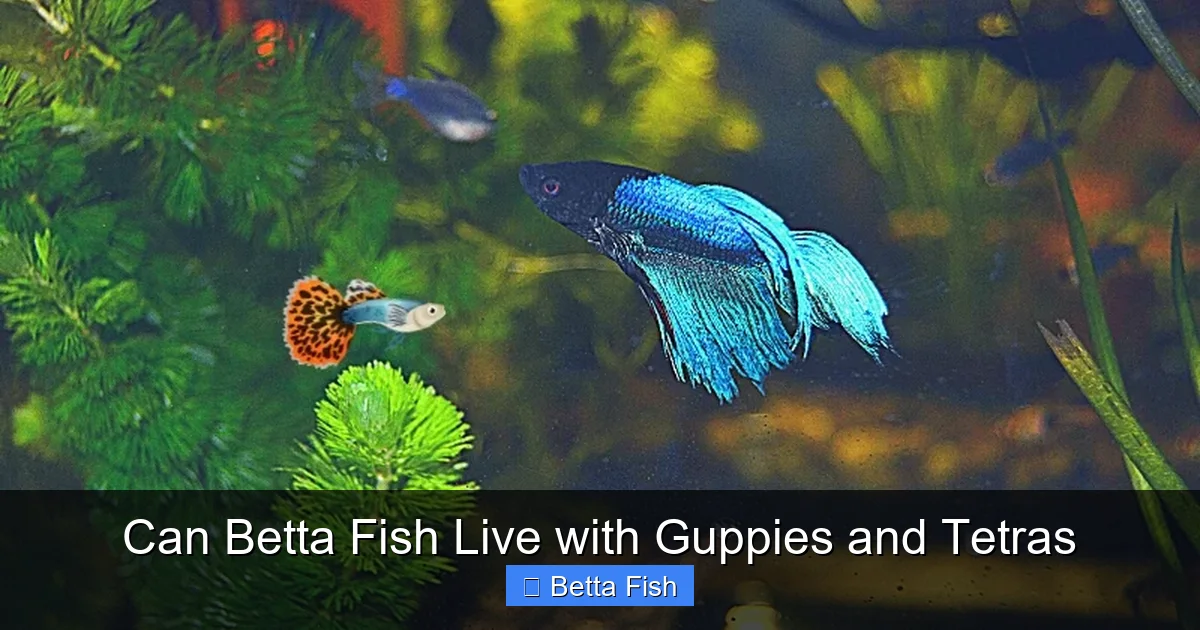
So, can betta fish live with guppies and tetras? The answer is yes, but with important caveats. Success depends on your betta’s individual personality, the size of your tank, the specific guppy and tetra species you choose, and how carefully you manage the setup and introduction process. There are no guarantees in fish keeping, but following the guidelines in this article will give you the best possible chance of creating a peaceful community tank.
Visual guide about Can Betta Fish Live with Guppies and Tetras
Image source: infishtank.com
Start with a large tank of at least 20 gallons. Choose peaceful tetra species like neon or ember tetras. Opt for female guppies or guppies with shorter fins. Add plenty of plants and hiding spots. Introduce the guppies and tetras before the betta if possible. And always, always have a backup plan. If things don’t work out, be prepared to separate the fish. Your primary responsibility is the health and well-being of every fish in your care.
When it does work, a community tank with a betta, guppies, and tetras can be one of the most beautiful and rewarding setups in the freshwater hobby. The vibrant colors, active swimming behavior, and peaceful coexistence make all the effort worthwhile. Take your time, do your research, and enjoy the journey of creating your perfect aquarium community.
Frequently Asked Questions
Can betta fish live with guppies and tetras in a 10-gallon tank?
A 10-gallon tank is too small for this combination. You need at least a 20-gallon long tank to provide enough space for a betta, a school of guppies, and a school of tetras. Cramped quarters increase aggression and stress for all fish involved.
Will my betta definitely attack guppies?
Not necessarily. Many bettas coexist peacefully with guppies, especially female guppies with shorter fins. However, every betta is different, and there’s always a risk. Monitor closely during the first few days and be prepared to separate them if needed.
What are the best tetra species to keep with bettas?
Neon tetras, ember tetras, glowlight tetras, and rummy nose tetras are the best choices. Avoid known fin nippers like serpae tetras and Buenos Aires tetras, as they can damage your betta’s delicate fins.
Should I add the betta or the other fish first?
It’s best to add the guppies and tetras first, then introduce the betta last. This reduces the chance of the betta viewing the entire tank as its territory. Rearranging decorations before adding the betta can also help minimize aggression.
How many guppies and tetras should I keep with a betta?
Keep at least three to five guppies and six tetras to meet their schooling needs. Larger groups are even better because they help the fish feel secure and reduce stress. Make sure your tank is large enough to support the total number of fish.
What should I do if my betta is attacking the other fish?
Remove the betta or the targeted fish immediately. You can use a tank divider or move the aggressive betta to a separate tank. Sometimes adding more plants and hiding spots can help, but persistent aggression usually means the fish are incompatible.