Can Betta Fish and Plecos Live Together
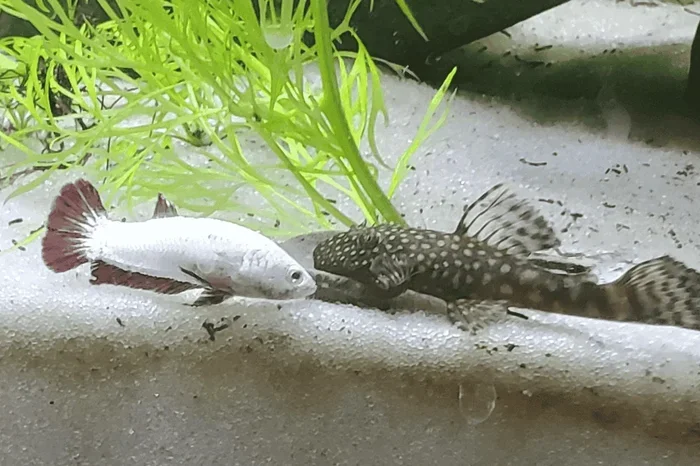
Yes, betta fish and plecos can live together in the right tank setup. These two species make surprisingly good tank mates when you match their needs. Learn the key steps to keep both betta fish and plecos healthy and stress-free.
Keeping a betta fish and plecos in the same tank is a topic many aquarium lovers wonder about. You see these two fish species so often in pet stores and online videos. It is natural to ask whether they can share a home without any problems. The good news is that with the right setup, they really can get along.
In this guide, we will walk you through everything you need to know. We will cover tank size, water conditions, feeding, and which pleco species work best. By the end, you will feel confident about creating a peaceful community tank.
## Why Consider a Betta and Pleco Combo?
Many fish keepers love the idea of a betta fish and plecos tank for good reasons. Bettas bring bright colors and personality to the front of the tank. Plecos stay mostly at the bottom and help keep the glass and decorations clean. Together, they fill different roles in the aquarium.
This kind of setup is called a community tank. A community tank means multiple species living together in one environment. When done right, it looks amazing and is fun to watch. The betta adds color and movement at the top and middle levels. The pleco handles the bottom, scraping algae off surfaces.
### The Benefits of Adding a Pleco
Plecos are known as algae eaters. They graze on algae that grows on glass, rocks, and plants. This means less work for you when it is time to clean the tank. A pleco for betta tank setup can also add variety to your aquascape.
Some pleco species stay small and manageable. These are the best choices for most home aquariums. Larger plecos can outgrow a typical tank quickly. So picking the right species matters a lot.
## Understanding Betta Fish Temperament
Before you add any tank mate, you need to understand betta behavior. Male bettas are known for being territorial. They often flare their gills and chase other fish that come too close. This is especially true for fish with bright colors or long fins.
However, not all bettas are the same. Some bettas are calm and ignore other fish. Others are more aggressive and may attack anything that moves. The personality of your individual betta plays a big role in whether a pleco will work.
### What Makes a Betta More Peaceful?
Several factors affect how aggressive a betta might be. Tank size is one of the biggest ones. A small tank makes any fish feel stressed and territorial. A larger tank gives your betta room to swim and relax.
Tank enrichment also matters. Plants, caves, and decorations give your betta places to explore and hide. A well-decorated tank often leads to a calmer betta. If your betta has nothing to do, it may become bored and more aggressive.
## Choosing the Right Pleco Species
Not all plecos are created equal. Some species grow very large and need huge tanks. Others stay small and are perfect for a betta fish and plecos community setup. Knowing which pleco to choose is the most important decision you will make.
### Bristlenose Pleco (Best Choice)
The Bristlenose Pleco is widely considered the best pleco for betta tanks. They typically grow to about 4–5 inches. This makes them a manageable size for most aquariums. They are also peaceful by nature and spend most of their time on the bottom.
Bristlenose Plecos are excellent algae eaters. They will happily graze on algae throughout the day. They also accept sinking pellets and vegetables like zucchini. This makes feeding them simple and straightforward.
### Other Good Pleco Options
A few other small pleco species can work well too. The Clown Pleco stays small and is known for being hardy. The Rubber Lip Pleco is another peaceful option that does well in community tanks. Both species prefer similar water conditions to bettas.
Avoid Common Plecos or any species that grows over 6 inches. These fish produce a lot of waste and need much larger tanks. A Common Pleco in a small tank will quickly become stressed and unhealthy.
## Setting Up the Perfect Tank
The tank setup is the foundation of a successful betta fish and plecos community. Getting this step right makes everything else easier. Both species need specific conditions to thrive, and the setup should meet both of their needs.
### Tank Size Requirements
A minimum of 20 gallons is recommended for a betta and pleco combo. This gives both fish enough swimming space and reduces territorial behavior. A 20-gallon long tank is ideal because it provides more floor space. More floor space means more room for the pleco to explore the bottom.
If you can go bigger, even better. A 30-gallon tank gives you more flexibility with decoration and stocking. The extra space also helps keep water parameters stable. Stable water conditions mean healthier fish overall.
### Water Parameters
Both bettas and plecos come from warm, slow-moving waters in Southeast Asia. They share very similar water preferences, which is one reason they can work so well together.
Here are the ideal water parameters for a betta and pleco tank:
- Temperature: 76–82°F (24–28°C)
- pH Level: 6.5–7.5 (neutral to slightly acidic)
- Water Hardness: 3–10 dKH
- Ammonia: 0 ppm
- Nitrite: 0 ppm
- Nitrate: Below 20 ppm
Use a reliable heater and thermometer to keep the temperature steady. Bettas are sensitive to temperature swings, and plecos are too. A good filter is also essential. Choose a filter with a gentle flow, since both species prefer calm water.
### Decor and Hiding Spots
Adding plenty of hiding spots is key to reducing stress. Plecos need caves and crevices to retreat to during the day. They are nocturnal, which means they are most active at night. A dark, cozy cave makes them feel safe.
Live plants are another great addition. Plants like Java Fern, Anubias, and Amazon Sword provide cover and improve water quality. They also give your betta places to rest and explore. Smooth rocks and driftwood create a natural look and offer additional hiding spots.
## Feeding Your Betta and Pleco
Feeding a betta fish and plecos combo requires a bit of planning. Each species has different dietary needs, and you need to make sure both are getting proper nutrition.
### What to Feed Your Betta
Bettas are carnivores. They need a diet high in protein. Quality betta pellets or flakes should be the staple of their diet. You can also offer frozen or live foods like bloodworms and brine shrimp as treats.
Feed your betta 2–3 small meals per day. Only give as much food as they can eat in 2–3 minutes. Overfeeding leads to dirty water and health problems.
### What to Feed Your Pleco
Plecos are primarily herbivores. They eat algae, but they also need supplemental food. Sinking algae wafers are a great staple food for plecos. You can also offer blanched vegetables like zucchini, cucumber, and spinach.
Feed your pleco once a day, preferably in the evening. Since plecos are nocturnal, they will come out to eat after the lights go off. This is also a good time to make sure your betta is not competing for food.
### Feeding Tips to Prevent Conflict
Sometimes bettas will try to eat food meant for the pleco. This is normal behavior. To prevent issues, drop the pleco food near the bottom of the tank. Sinking pellets and vegetables will reach the pleco quickly.
You can also feed the betta first at the water surface. Once the betta is satisfied, drop the pleco food below. This separation helps ensure both fish get their fair share.
## Common Challenges and How to Solve Them
While a betta fish and plecos setup can work well, challenges can happen. Being prepared helps you address problems before they become serious.
### Aggression from the Betta
Some bettas may flare at or chase the pleco. This is most common in the first few days after introduction. If you notice this behavior, watch it closely. A little chasing is normal, but constant aggression is a problem.
If the betta won’t stop, try rearranging the decorations. This breaks up territories and can reduce aggression. You can also add more plants and caves to give both fish their own space. If the behavior continues, you may need to separate the fish permanently.
### Pleco Not Eating Enough
A pleco that hides all the time may not be eating enough. This can happen if the betta is too dominant at feeding time. Try feeding the pleco after the lights are off when the betta is less active. You can also use a feeding dish placed near the pleco’s favorite hiding spot.
### Algae Overgrowth
Even with a pleco in the tank, algae can still build up. Plecos eat algae but they cannot eliminate it completely. Regular tank maintenance, including water changes and glass cleaning, is still necessary. A pleco helps, but it is not a replacement for proper tank care.
## Signs Your Betta and Pleco Are Getting Along
Watch for positive signs that your fish are comfortable. A calm betta that ignores the pleco is a great sign. If the pleco comes out during the day to eat, it feels safe. Both fish swimming freely around the tank means they are stress-free.
You may also notice the pleco resting near the betta without any chasing. This shows that both fish accept each other’s presence. These are all good indicators that your community tank is working well.
## Quick Tips for Success
- Start with a 20-gallon tank or larger for the best results.
- Choose a Bristlenose or Clown Pleco for a smaller, manageable size.
- Keep water parameters stable with regular testing and water changes.
- Add plenty of caves, plants, and hiding spots for both fish.
- Feed the betta first at the surface, then the pleco at the bottom.
- Monitor behavior daily during the first two weeks after introduction.
- Avoid adding bright, flashy fish that may trigger betta aggression.
## Expert Insights
Aquarium experts agree that betta fish and plecos can make excellent tank mates. The key is choosing the right pleco species and providing enough space. A well-planted tank with plenty of hiding spots gives both fish the security they need. Many experienced hobbyists recommend the Bristlenose Pleco as the go-to choice for betta tanks. Their peaceful nature and manageable size make them nearly perfect companions for bettas.
## Final Thoughts
A betta fish and plecos tank can be a beautiful and rewarding setup. The betta brings color and personality to the upper levels, while the pleco keeps the bottom clean. With the right tank size, water conditions, and feeding routine, these two species can live together peacefully.
Start small, monitor your fish closely, and be ready to adjust if needed. Every fish has its own personality, so what works for one tank may not work for another. Patience and observation are your best tools. If you are interested in exploring other tank mate options, check out our guide on can betta fish and algae eaters live together for more ideas. You can also learn about keeping bettas with snails or explore how betta fish and ghost shrimp can coexist for even more community tank inspiration.
Happy fish keeping, and enjoy your new community aquarium!
Key Takeaways
- Compatibility: Betta fish and plecos can coexist peacefully in a well-planned community tank.
- Tank Size: A minimum of 20 gallons is essential to give both species enough space.
- Water Parameters: Both species thrive in warm water between 76–82°F with a neutral to slightly acidic pH.
- Diet: Plecos help clean algae, but they also need supplemental feeding to stay healthy.
- Hiding Spots: Adding caves and plants reduces stress and prevents aggression from both species.
- Monitor Behavior: Watch for signs of stress or aggression, especially during the first few weeks.
- Right Pleco Species: Smaller pleco varieties like Bristlenose Plecos are the best match for bettas.
Frequently Asked Questions
Can any pleco species live with a betta fish?
Not all plecos are suitable for betta tanks. Stick with small species like the Bristlenose Pleco or Clown Pleco. Larger plecos can grow too big and produce too much waste for a shared tank.
What size tank do I need for a betta and pleco together?
A minimum of 20 gallons is recommended. A larger tank, such as 30 gallons, gives both fish more swimming space and helps keep water parameters stable. More space always leads to a healthier environment.
Will my betta attack my pleco?
Most bettas will not attack a pleco. Plecos have protective plates and tend to stay at the bottom, which makes them less threatening to bettas. However, some aggressive bettas may flare or chase the pleco, especially at first.
How do I feed a betta and pleco in the same tank?
Feed the betta first at the water surface with betta pellets or flakes. Then drop sinking algae wafers or vegetables near the bottom for the pleco. Feeding at different levels helps prevent food competition between the two species.
Do plecos really help clean the tank?
Yes, plecos are great algae eaters. They scrape algae off glass, rocks, and decorations. However, they cannot replace regular tank maintenance like water changes and filter cleaning. They help, but they do not do it all.
Can I keep a female betta with a pleco?
Yes, female bettas tend to be less aggressive than males and often do well with plecos. A female betta community tank can be a great setup, and adding a pleco works well in these environments too.