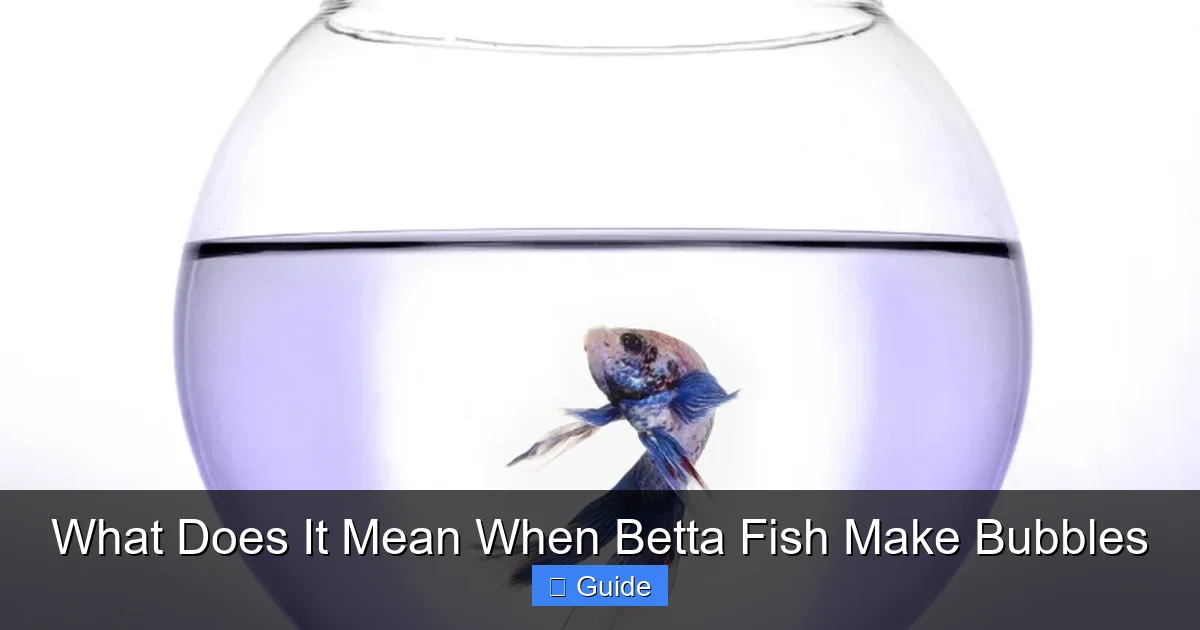
What Does It Mean When Betta Fish Make Bubbles

When your betta fish makes bubbles, it’s typically building a bubble nest—a natural, instinctive behavior tied to breeding readiness. This sign of health and comfort indicates good water conditions and a secure environment. However, excessive surface gulping or bubbles without nest-building can signal poor water quality or stress. Understanding this behavior helps you provide optimal care and interpret your fish’s well-being accurately.
Key Takeaways
- Bubble nests are normal: Building bubble nests is a natural instinct for male bettas, often triggered by optimal water conditions and a sense of security.
- It signals health and readiness: A betta actively building a nest is usually healthy, content, and may be preparing for potential breeding.
- Not all bettas build nests: Some males, especially older or stressed ones, may never build a nest. Its absence doesn’t automatically mean your fish is unhealthy.
- Females can make bubbles too: While rare, female bettas, especially dominant ones, may create small bubble clusters, though not elaborate nests like males.
- Environment is key: Gentle surface tension, warm water (78-82°F), calm surface, and floating plants or leaves encourage natural nest-building behavior.
- Distinguish from breathing: Bettas must gulp air from the surface using their labyrinth organ; this is different from deliberate, clustered bubble production.
- Monitor for problems: Bubbles accompanied by labored breathing, lethargy, or floating debris (spitting food) can indicate poor water quality or illness.
📑 Table of Contents
- The Fascinating World of Betta Bubble Nests
- The Biology Behind the Bubbles
- Bubble Nests as Health and Happiness Indicators
- Creating the Perfect Environment for Nest Building
- Gender Differences: Do Female Betta Fish Make Bubbles?
- When Bubbles Signal Trouble: Troubleshooting Common Issues
- Conclusion: Reading the Message in the Bubbles
The Fascinating World of Betta Bubble Nests
You’re peering into your betta’s tank, and there it is: a cluster of tiny, shimmering bubbles clinging to the water’s surface. Your first thought might be, “Is my fish okay?” or “What in the world is it doing?” Relax. This is one of the most captivating and normal behaviors you can witness from your Betta splendens. When a betta fish makes bubbles, it is almost always engaging in a profound instinctual act: building a bubble nest. This isn’t random mischief; it’s a complex behavior rooted in millions of years of evolution, primarily tied to reproduction. Understanding this bubble-blowing ritual is like getting a direct window into your fish’s innate programming and current state of mind. It tells you about its health, its comfort in its environment, and sometimes, its future intentions. This guide will unravel every layer of this behavior, from the biological “how” to the practical “what should I do.”
What Exactly Is a Bubble Nest?
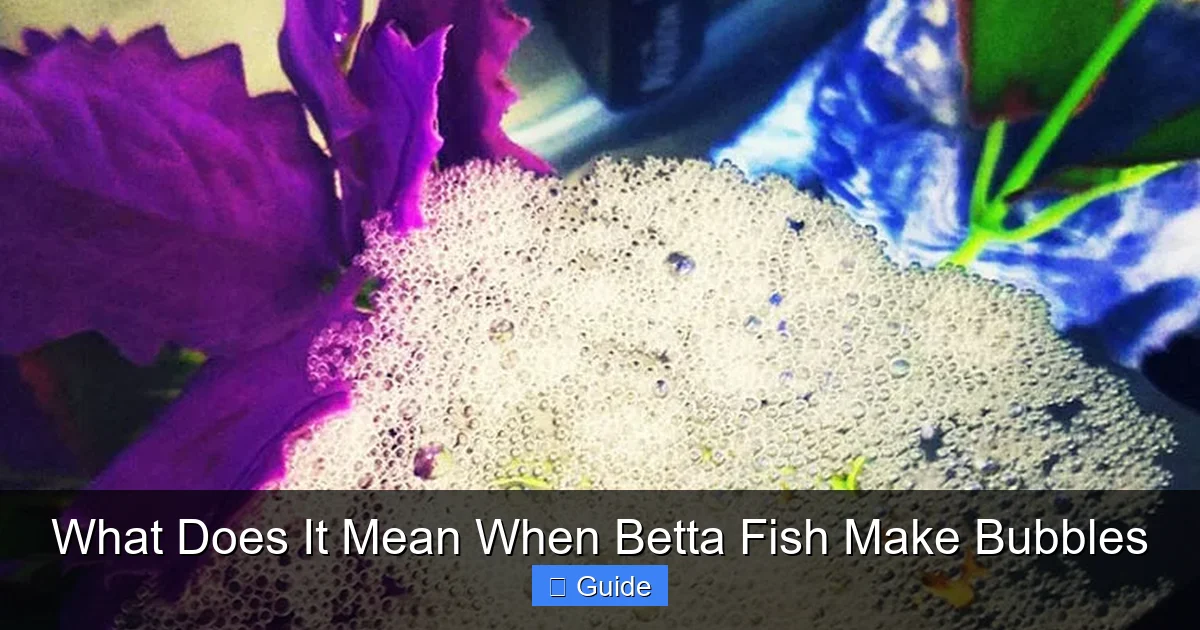
A bubble nest is precisely what it sounds like: a collection of bubbles, often coated with a special saliva-like secretion from the betta, that floats on the water’s surface. The male betta (and occasionally a female) uses its mouth to draw air from the surface, then swims up and releases it, carefully placing bubble upon bubble. Over time, these bubbles coalesce into a structure that can range from a few scattered bubbles to a large, intricate raft covering a significant portion of the tank’s surface. The secreted coating makes the bubbles more cohesive and resistant to popping, creating a surprisingly durable structure that can last for days. In the wild, these nests are built in shallow, stagnant waters where the male will later court a female, induce her to spawn, and carefully place the fertilized eggs into the nest for safekeeping until they hatch.
The Biology Behind the Bubbles
To truly appreciate the bubble nest, we must look at the unique anatomy that makes it possible. The betta fish is a member of the anabantoid family, possessing a specialized breathing organ called the labyrinth. This complex structure, located in a chamber behind the gills, allows the betta to breathe atmospheric air directly. It’s this very adaptation that necessitates their frequent trips to the water’s surface to gulp air—a behavior that can sometimes be mistaken for bubble nest building. However, nest-building is a deliberate, repetitive, and targeted action. The betta will often select a specific spot, usually under a leaf, a corner, or near a filter outlet with gentle flow, and methodically add to it. The process is a display of energy, focus, and territorial pride. The male is essentially crafting a nursery, signaling to any potential mate that he is a fit, resourceful provider capable of protecting future offspring.
Visual guide about What Does It Mean When Betta Fish Make Bubbles
Image source: infishtank.com
The Labyrinth Organ: More Than Just Breathing
The labyrinth organ is a evolutionary marvel for survival in oxygen-poor waters, but it also plays a subtle role in nest construction. The air gulped is processed here, but the act of surfacing and blowing bubbles is a coordinated muscular effort involving the mouth, gills, and swim bladder. The secretion that stabilizes the bubbles is produced in the betta’s mouth or associated glands. This secretion is crucial; without it, bubbles would pop almost instantly in most aquarium conditions. The composition of this secretion is still studied by biologists, but its function is clear: it reduces surface tension and binds the bubbles together, creating a floating sanctuary that would not otherwise exist. This biological toolkit transforms a simple air bubble into a symbol of reproductive intent.
Bubble Nests as Health and Happiness Indicators
For the betta keeper, a bubble nest is often the most visible, positive sign you can ask for. It is a multi-faceted indicator of a thriving fish. First, it requires immense energy and focus. A lethargic, sick, or stressed betta will not have the reserves or inclination to build. The act of surfacing repeatedly and expending effort is a sign of robust physical health. Second, it signals environmental comfort. Bettas are territorial and sensitive. They will only invest in nest-building if they feel secure in their space. This means the water parameters are stable (ammonia and nitrite at zero, nitrate low), the temperature is consistently warm (78-82°F is ideal), and there are no aggressive tankmates or sudden disturbances. A calm water surface is also critical; strong filtration or surface agitation will destroy a nest as it’s being made. So, when you see that nest, you can take a quiet moment to congratulate yourself: your betta’s world is stable, warm, and safe.
Visual guide about What Does It Mean When Betta Fish Make Bubbles
Image source: bettafish.org
What a Nest Says About Water Quality
The connection between a bubble nest and pristine water is direct. Poor water quality introduces toxins like ammonia that burn a fish’s gills and cause immense stress. A betta struggling with water quality will be gasping for air at the surface (a different, frantic behavior) but will not be calmly constructing a nest. The energy required for nest-building is diverted to basic survival. Furthermore, a betta with pristine water will display vibrant colors, active swimming, and flared gills—all behaviors that complement nest-building. Therefore, if your betta suddenly starts building a large, elaborate nest after a period of not doing so, it’s a strong sign that recent water changes, filter maintenance, or temperature adjustments have been successful. It’s your fish’s way of giving you a thumbs-up on the habitat you’ve provided.
Creating the Perfect Environment for Nest Building
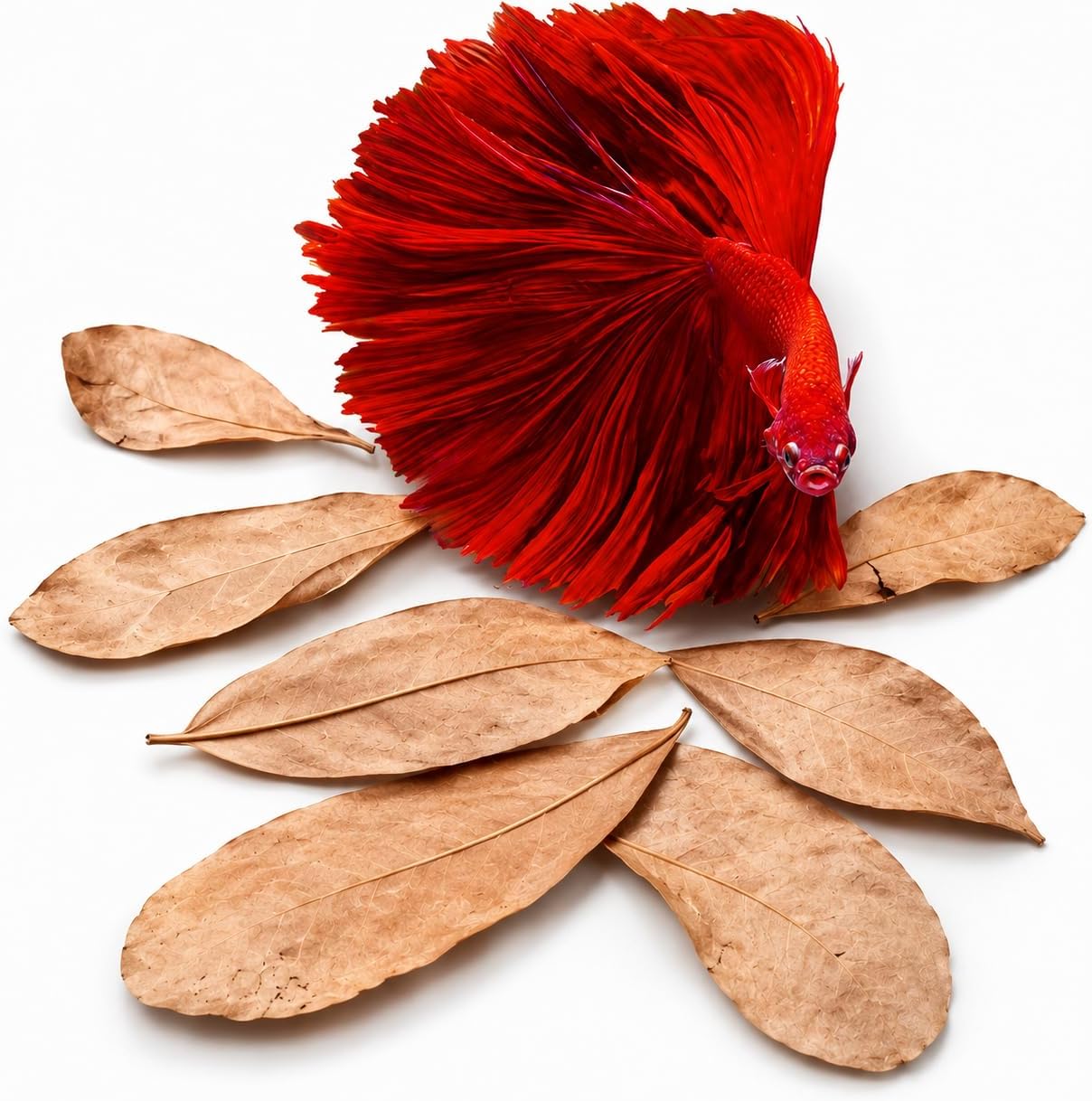
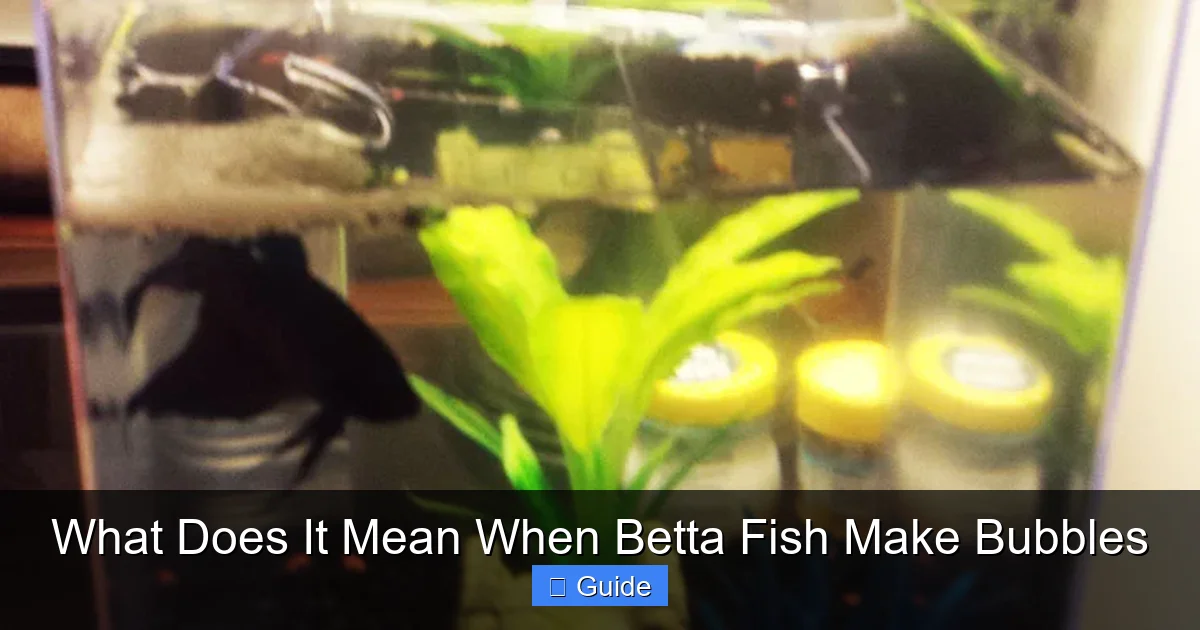
If you’re hoping to see this fascinating behavior, you can architect your tank to encourage it. The goal is to replicate the slow-moving, plant-choked shallow waters of Southeast Asia. Start with the surface. Bettas prefer to build under something. This could be a live or artificial plant with broad leaves (like Amazon swords, water lettuce, or even a silk orchid), a piece of driftwood breaking the surface, or even the corner where the tank meets a lid. Floating plants like Salvinia or Duckweed are ideal, as they provide a natural “ceiling” and dampen surface movement. Next, manage the flow. Your filter’s output should be adjustable, ideally creating minimal ripple at the surface. Many betta keepers use a sponge filter, which provides gentle bubbling from below without disturbing the surface. Water temperature is non-negotiable; maintain it in the upper end of their range (80-82°F) with a reliable heater. Finally, water chemistry matters. Regular water changes (25-50% weekly) with dechlorinated, temperature-matched water are essential. Adding a small amount of Indian Almond Leaf (IAL) or “catappa leaf” to the tank not only provides tannins that mimic blackwater conditions (which bettas love) but also offers a perfect, textured platform for nest attachment.
Visual guide about What Does It Mean When Betta Fish Make Bubbles
Image source: bettafish.org
Practical Tips to Encourage a Nest
- Introduce a “nesting trigger”: Gently place a smooth, clean piece of plastic wrap or a cut piece of a foam egg crate on the surface. The novel, flat surface can sometimes inspire a male to start building.
- Simulate rainfall: Very gently drip cool water onto the surface for a few minutes. In the wild, light rain can trigger breeding behaviors.
- Provide visual barriers: Use background paper or plants on the tank sides to make your betta feel less exposed, reducing stress.
- Consider a compatible tankmate: The presence of a female betta (in a separate, adjacent tank where they can see each other) or even a passive snail can sometimes stimulate nest-building as the male becomes more alert and territorial.
- Avoid sudden changes: Once a nest is started, minimize disturbances. Don’t reach into the tank unnecessarily, and keep loud noises or vibrations away from the glass.
Gender Differences: Do Female Betta Fish Make Bubbles?
The classic image is of a male betta building a majestic raft. But what about the females? The short answer is: yes, but very differently and far less commonly. Female bettas possess the same physical ability to blow bubbles, but the instinct is overwhelmingly muted compared to males. In the wild, it is the male that solely builds the nest and tends to the eggs. However, in captivity, a dominant, particularly vigorous female—especially one housed alone—may occasionally blow a few bubbles, often in a corner or near a filter outflow. This is not a true “nest” in the reproductive sense; it’s more likely a sign of contentment or a minor, vestigial display of territoriality. It is not an indicator of breeding readiness, as females do not participate in nest construction in the wild. If you observe a female consistently building bubble clusters, it simply means she feels very secure and has excess energy. It’s a quirky, positive sign of her individual personality, not a precursor to egg-laying (which requires a male to stimulate and fertilize).
When a Female’s Bubble Behavior Is a Red Flag
While rare bubble-blowing in a female is generally positive, you must watch the context. If a female is spending excessive time at the surface gulping air and spitting out bubbles erratically, it could indicate she is having difficulty with buoyancy or is suffering from Swim Bladder Disorder (SBD). SBD causes a fish to float uncontrollably or sink and struggle to maintain depth. The frantic surface breathing and bubble production in this case are signs of distress, not nest-building. The bubbles will be haphazard, not clustered in one location. This scenario requires immediate attention: check water quality, fast the fish for 24-48 hours, and consider a purified, cooked pea to aid digestion. Always observe the intent and pattern of the behavior.
When Bubbles Signal Trouble: Troubleshooting Common Issues
Not all bubble-related activity is cause for celebration. It’s crucial to differentiate between deliberate, clustered nest-building and frantic, disordered surface gulping. The latter is often a symptom of a problem. The primary culprit is almost always poor water quality. High ammonia or nitrite levels burn the gills, making it painful and difficult for the betta to extract oxygen from the water through its gills. Forced to rely more heavily on its labyrinth organ, it will gasp at the surface continuously, often expelling bubbles in the process. This is a medical emergency. Test your water immediately. Another possibility is insufficient oxygen in the water column, though this is rare in well-maintained betta tanks as they are labyrinth breathers. However, if the water is very warm (above 84°F), its oxygen-holding capacity drops, exacerbating the issue. Finally, respiratory infections like bacterial or fungal gill disease can cause labored breathing and surface gasping, which may include bubble expulsion. Look for other symptoms: red or frayed gills, clamped fins, lethargy, or white spots.
How to Respond to Problematic Surface Bubbling
If you suspect your betta’s bubbling is stress-induced or illness-related, take these steps immediately: 1. Test the water. Use a liquid test kit (not strips) to check ammonia, nitrite, nitrate, and pH. Perform a 50% water change with properly dechlorinated, temperature-matched water if any parameters are off. 2. Increase aeration gently. While bettas prefer calm surfaces, in an emergency, a very gentle air stone set to low can help oxygenate the water without causing too much disturbance. 3. Check the temperature. Ensure your heater is functioning and the water is within the 78-82°F range. 4. Observe closely. Is the fish flashing (rubbing against objects)? Are the fins torn? These point to parasites or severe infection. 5. Consult a vet or experienced aquarist. If water quality is pristine but symptoms persist, you may need to treat with appropriate medications like Methylene Blue or Kanamycin, but only after a proper diagnosis. Remember, a true bubble nest is built with calm precision over hours or days. Panicked, constant surface activity is a cry for help.
Conclusion: Reading the Message in the Bubbles
The bubbles your betta blows are more than just a quirky trick; they are a direct line of communication from your fish to you. A meticulously constructed bubble nest is a glowing review of your husbandry—a declaration that your tank is a sanctuary of health, warmth, and security. It’s a behavior that connects you to the wild instincts of this incredible animal. Conversely, disordered, frantic bubbling at the surface is a stark warning sign, most often pointing to compromised water quality that must be addressed without delay. By learning to discern the difference, you empower yourself as a caregiver. You move beyond simply maintaining a tank to truly understanding the language of your betta. So, the next time you see those shimmering orbs gather on the water’s face, take a moment. Appreciate the ancient instinct at play. Check your parameters. Adjust your decor. And know that in that simple cluster of bubbles lies a story of survival, instinct, and the quiet contentment of a well-cared-for creature.
Frequently Asked Questions
Do all male betta fish build bubble nests?
No, not all males build nests. While it is a strong instinct, factors like age, health, stress, individual personality, and even genetics play a role. An older male or one in less-than-ideal water conditions may never build a nest. Its absence alone isn’t a cause for concern if the fish is otherwise active and healthy.
Should I destroy my betta’s bubble nest?
Generally, no. A bubble nest is a source of pride and security for your betta. Destroying it can cause significant stress. The only exceptions are during a full tank clean (where you must temporarily move the fish) or if the nest is so massive it impedes gas exchange at the surface (very rare). If you must remove it, do so gently during a water change and expect your betta to likely rebuild it.
How can I encourage my betta to build a bubble nest?
Focus on creating an optimal environment: maintain warm, stable water (80-82°F), ensure excellent water quality with regular changes, provide floating plants or broad leaves for attachment, and minimize surface agitation from filters. You can also try adding a few Indian Almond Leaves for tannins and a natural texture. Patience is key; some bettas build only when they feel completely settled.
My betta is blowing bubbles but not making a nest. Is that normal?
Yes, this is often normal. Your betta may simply be gulping air to breathe, which sometimes results in a few stray bubbles. True nest-building is a focused, repetitive action in one specific area. If your fish is active, eating well, and the water is clean, occasional bubbles without a nest structure are nothing to worry about.
Can I use the bubble nest to breed my bettas?
Yes, a male’s bubble nest is a crucial part of betta spawning. Once a substantial nest is built, you can introduce a conditioned, receptive female. The male will display under the nest, and if she is ready, they will spawn, with the male carefully collecting and placing eggs into the nest. However, breeding requires significant research and preparation to ensure the safety of both fish and the survival of the fry.
What’s the difference between a betta breathing and making a bubble nest?
Breathing (gulping air) is a quick, single surfacing event where the fish takes a gulp and immediately submerges. Bubble nest building is a deliberate, multi-step process: the fish surfaces, releases a stream or cluster of bubbles in a specific location, and then often repeats this action dozens of times in the same spot, gradually building a visible structure. Nest-building is methodical; breathing is functional.