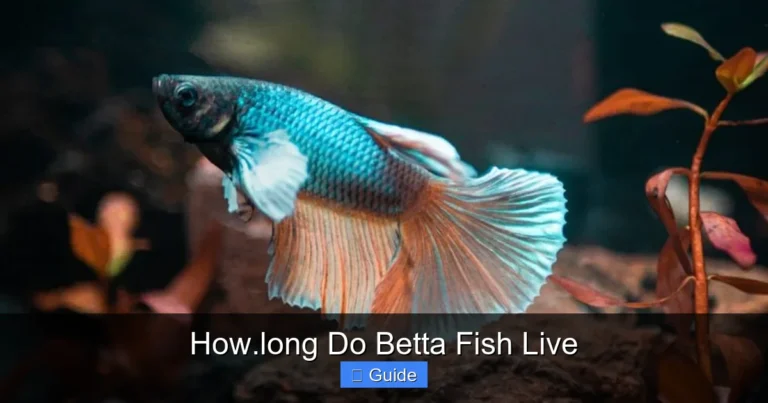
Can Betta Fish and Glofish Live Together

Yes, betta fish and glofish can live together under the right conditions, but it requires careful planning and a well-setup aquarium. The key is choosing peaceful glofish species, providing enough space, and monitoring their behavior closely. This guide covers everything you need to know about creating a harmonious community tank with these colorful fish.
Key Takeaways
- Compatibility is possible: Betta fish and glofish can coexist if you pick the right glofish species and set up the tank properly.
- Tank size matters: A minimum of 20 gallons is recommended to reduce aggression and give both fish enough room.
- Glofish species vary: Not all glofish are the same. Some are more peaceful and make better tank mates for bettas than others.
- Watch for aggression: Bettas can be territorial. You must monitor their behavior and be ready to separate fish if needed.
- Water parameters are critical: Both bettas and glofish thrive in similar water conditions, which makes shared living easier.
- Decorations help reduce stress: Adding plants and hiding spots creates territories and calms aggressive fish.
- Feeding separately works best: Make sure both fish get enough food without one outcompeting the other.
📑 Table of Contents
- Can Betta Fish and Glofish Live Together?
- Understanding Betta Fish Temperament
- Which Glofish Species Work Best with Bettas?
- Tank Setup for Betta Fish and Glofish
- Potential Challenges and How to Solve Them
- Feeding Betta Fish and Glofish Together
- Expert Tips for a Successful Community Tank
- Final Thoughts
Can Betta Fish and Glofish Live Together?
If you love colorful fish, you have probably wondered about betta fish and glofish living together. Glofish are genetically modified fish that glow under special lighting. They come in bright shades of green, red, orange, and purple. Bettas, on the other hand, are known for their flowing fins and vibrant colors. Both fish species look stunning on their own. But can they share a tank?
The short answer is yes. Betta fish and glofish can live together in many cases. However, success depends on several factors. You need to pick the right glofish species, set up the tank correctly, and watch their behavior. Not every combination will work. Some bettas are more aggressive than others. Some glofish species are more active and may bother a betta. This guide will walk you through everything you need to know.
Many fish keepers have successfully housed bettas with glofish. The key is understanding each fish’s needs. Bettas are labyrinth fish, which means they breathe air from the surface. Glofish are schooling fish that love to swim in groups. When you understand these basic differences, it becomes much easier to create a peaceful home for both. Let us dive into the details.
Why Consider Keeping Betta Fish and Glofish Together?
There are several reasons fish keepers want to mix these species. First, the visual contrast is incredible. A betta with long flowing fins looks beautiful next to a glowing glofish. The colors pop, especially under blue or white LED lights. Second, both species are relatively easy to care for. They are beginner-friendly fish that do well in community tanks. Third, a mixed tank looks more lively and interesting than a single-species tank.
Another big reason is space. If you have a medium-sized aquarium, adding compatible fish makes better use of it. A lonely betta in a small tank can become bored and stressed. Adding peaceful tank mates can improve its quality of life. Glofish add movement and energy to the tank. Together, they create a vibrant underwater display that is fun to watch every day.
Understanding Betta Fish Temperament
Before you put any fish with a betta, you need to understand their personality. Bettas are often called “Siamese fighting fish” for a reason. Male bettas are highly territorial. They will flare their gills and chase other fish that enter their space. This behavior is natural and not necessarily a sign that your betta is mean. It is simply how they survive in the wild.
Female bettas tend to be less aggressive. A female betta is often a better choice for a community tank. Some keepers even keep multiple females together in a “sorority” setup. However, even female bettas can show aggression if the tank is too small or overcrowded. You must always consider temperament when choosing tank mates.
What Makes a Betta Aggressive?
Several factors can trigger aggression in bettas. Small tanks are the biggest culprit. When a fish feels cramped, it becomes defensive. Poor water quality also stresses bettas and makes them more likely to attack tank mates. Bright lights or fast-moving fish can trigger chasing behavior too. Some bettas are just naturally more aggressive than others. Each fish has its own personality.
If you are new to betta keeping, start with a calm, well-fed betta in a properly sized tank. A stressed betta is an aggressive betta. Make sure the water temperature stays between 76 and 82 degrees Fahrenheit. Use a heater and a filter to keep conditions stable. A healthy betta is a much less aggressive betta. You can also learn more about betta fish compatibility by reading our guide on can neon tetras and betta fish live together, which covers similar principles for other peaceful community fish.
Which Glofish Species Work Best with Bettas?
Not all glofish are created equal. There are several types of glofish, and some are much better suited to live with bettas than others. The most common glofish species include glofish tetras, glofish danios, glofish barbs, and glofish sharks. Each has a different temperament, size, and activity level. Choosing the right one is essential for a peaceful tank.
Glofish tetras are probably the best choice for a betta tank. They are small, peaceful, and slow-moving. They do not nip fins or bother bettas. Glofish danios are also a decent option. They are active swimmers but generally stay out of a betta’s way. Glofish barbs can be more nippy and may bother a betta’s long fins. Glofish sharks should be avoided entirely. They grow large and become aggressive as they mature.
Glofish Tetras: The Ideal Partner
Glofish tetras are small, growing only about two inches long. They are peaceful and prefer to swim in schools of five or more. Their gentle nature makes them excellent tank mates for bettas. They stay in the middle and lower parts of the tank, which reduces encounters with bettas that prefer the upper levels. Their bright glow looks amazing under aquarium lights.
Glofish tetras are also hardy. They tolerate a wide range of water conditions. This makes them forgiving for beginners. As long as you keep the water clean and feed them regularly, they will thrive. A school of six to eight glofish tetras creates a beautiful display in any community tank.
Glofish Danios: Active but Manageable
Glofish danios are a bit more energetic than tetras. They are fast swimmers and love to explore the tank. This can sometimes stress a slower betta. However, if your tank is large enough, danios tend to stay in their own zone. They prefer the top and middle levels, while bettas often hover near the middle or bottom. Giving them enough horizontal swimming space reduces conflict.
Keep at least five glofish danios together. Schooling fish feel safer in groups and are less likely to bother other fish. A 20-gallon tank or larger is ideal for housing danios with a betta. If you notice your betta chasing the danios, add more plants or decorations to break up sightlines.
Tank Setup for Betta Fish and Glofish
A proper tank setup is the foundation of a successful community aquarium. You cannot just drop a betta and some glofish into a small bowl and expect harmony. Both species need specific conditions to thrive. Taking the time to set up the tank correctly will save you a lot of problems down the road.
The minimum tank size should be 20 gallons. This gives the betta plenty of space to claim a territory without feeling threatened. It also gives the glofish room to school and swim freely. A larger tank is always better. A 30-gallon tank provides even more stability and reduces the chances of aggression. If you want to keep a betta and glofish together, plan for at least 20 gallons from the start.
Water Parameters and Temperature
Both bettas and glofish prefer warm water. The ideal temperature range is 76 to 80 degrees Fahrenheit. Use a reliable aquarium heater to maintain a steady temperature. Sudden temperature swings can stress both species and lead to illness. A thermometer is a must-have tool for any fish keeper.
The pH level should be between 6.5 and 7.5. Glofish and bettas both do well in slightly acidic to neutral water. Regular water changes of 25 percent every week help keep the water clean. A good filter is essential, but make sure the current is not too strong. Bettas prefer calm water because they are not strong swimmers. A sponge filter works great for this setup.
Decorations and Hiding Spots
Decorations play a big role in reducing stress and aggression. Add live or silk plants to create natural hiding spots. Bettas love to rest on broad leaves. Plants also break up sightlines, which helps prevent territorial disputes. Avoid sharp plastic decorations that can tear a betta’s delicate fins.
Use dim to moderate lighting. Glofish glow best under blue or UV lights, but bright white lights can stress bettas. Consider using a timer to create a natural day-and-night cycle. A few caves, driftwood pieces, and rock formations give both fish places to retreat. A well-decorated tank is a calm tank.
Filtration and Maintenance
A gentle filter is key for a betta and glofish tank. Hang-on-back filters work well but use a sponge pre-filter to reduce flow. Bettas do not like strong currents. They need calm water near the surface so they can easily access air for breathing. Regular maintenance keeps the tank healthy. Test the water weekly for ammonia, nitrite, and nitrate levels. Keep ammonia and nitrite at zero. Nitrates should stay below 20 ppm.
Potential Challenges and How to Solve Them
Even with the best setup, challenges can arise. Being prepared helps you handle problems quickly. Most issues come down to aggression, stress, or incompatible tank mates. Knowing what to look for makes a big difference.
Fin nipping is one common problem. Some glofish species, like glofish barbs, may nip at a betta’s long fins. This causes stress and can lead to infections. If you see fin damage, separate the aggressive fish immediately. Another issue is food competition. Bettas are slow eaters compared to glofish. You may need to feed the betta separately or use sinking pellets that reach the bottom. Glofish are fast eaters and will grab food quickly.
Disease is another concern. New fish can introduce parasites or bacteria to the tank. Always quarantine new fish for two to four weeks before adding them to your main tank. Watch for signs of illness like white spots, clamped fins, or loss of appetite. Early detection makes treatment much easier. If you are interested in adding other creatures to your tank, check out our article on can betta fish and little shrimp live together for tips on mixing invertebrates with bettas.
When to Separate Fish
Sometimes, despite your best efforts, fish simply do not get along. If your betta chases glofish constantly, flares at them, or shows signs of stress like clamped fins and loss of color, it is time to separate them. You can use a tank divider or move one fish to a different tank. Do not wait too long. Prolonged stress weakens the immune system and leads to disease.
Separation does not mean failure. It means you are a responsible fish keeper who cares about the well-being of every animal in your care. Try again with different tank mates or a larger tank. Every setup is unique, and learning from experience is part of the journey.
Feeding Betta Fish and Glofish Together
Feeding both species properly is essential for their health. Bettas are carnivores and need a diet rich in protein. High-quality betta pellets or flakes should form the base of their diet. Supplement with frozen or live foods like brine shrimp and bloodworms once or twice a week. Glofish are omnivores and enjoy a mix of flakes, pellets, and frozen foods.
The challenge is that bettas eat slowly while glofish eat quickly. To solve this, feed the betta first with sinking pellets near the bottom. Then sprinkle flake food on the surface for the glofish. This way, the betta gets its share before the faster fish clean everything up. Feed small amounts two to three times a day. Remove any uneaten food after five minutes to keep the water clean.
Best Foods for Both Species
- Betta pellets: Sinking pellets designed for bettas. They reach the bottom where bettas feed.
- Flake food: A good staple for glofish. It floats and is easy for them to grab.
- Frozen brine shrimp: A nutritious treat both species enjoy.
- Bloodworms: High in protein and a favorite of bettas.
- Algae wafers: Great for glofish and can also be found in our guide on can betta fish and algae eaters live together, which covers additional feeding tips for community tanks.
Variety is important for both species. Rotate their diet to keep them healthy and colorful. A well-fed fish is a calm fish. Hungry fish are more likely to show aggression. Stick to a regular feeding schedule and your tank will be a happier place for everyone.
Expert Tips for a Successful Community Tank
Setting up a tank with bettas and glofish is rewarding but requires attention to detail. Here are some expert tips that make a real difference. First, always start with a fully cycled tank. Cycling removes harmful ammonia and nitrite from the water. A new tank can spike in ammonia, which is deadly for fish. Use a liquid test kit to monitor water parameters. Second, add the betta to the tank first. Let it establish territory before adding glofish. This reduces the chance of the betta viewing the new fish as invaders.
Third, observe your fish daily. Watch how they interact. Look for signs of stress or aggression early. Fourth, do not overstock the tank. Too many fish create waste and increase aggression. Follow the general rule of one inch of fish per gallon of water. Finally, be patient. It can take days or even weeks for fish to adjust to each other. Give them time and space to settle in.
If you are considering adding more fish to your community setup, you might also want to explore options like dwarf gouramis. Check out our article on can betta fish and dwarf gourami live together for more ideas on compatible tank mates. The principles are similar, and it helps you build a well-planned community aquarium.
Final Thoughts
The answer to whether betta fish and glofish can live together is a hopeful yes. With the right species, proper tank setup, and attentive care, these two beautiful fish can share a home peacefully. Choose peaceful glofish species like tetras or danios. Provide at least 20 gallons of water. Maintain stable water parameters. Feed both species appropriately. Monitor their behavior and be ready to make changes if needed.
Creating a community tank is one of the most enjoyable parts of fish keeping. Watching a betta glide gracefully beside glowing glofish is a sight to behold. It brings color, movement, and life to any room. Start small, learn as you go, and enjoy the process. Every tank is a new adventure, and the rewards are well worth the effort.
Remember, every fish has its own personality. Some bettas are calm and social. Others are feisty and solitary. Some glofish are shy, while others are bold. Understanding your individual fish is the best way to create a thriving aquarium. Take your time, do your research, and enjoy every moment of the journey. A well-planned community tank is a true masterpiece of nature and care.
Frequently Asked Questions
Can I keep a male betta with glofish tetras?
Yes, male bettas can often live with glofish tetras. Tetras are peaceful and slow-moving, which makes them less likely to provoke aggression. Provide at least 20 gallons and plenty of plants to break up sightlines. Monitor the betta’s behavior closely during the first few weeks after introducing the tetras.
How many glofish can I keep with a betta?
A school of five to eight glofish tetras or danios works well with one betta. The exact number depends on your tank size. A 20-gallon tank can comfortably house a betta and a small school of glofish. Always research the specific needs of the glofish species you choose before adding them to the tank.
What glofish species should I avoid with bettas?
Avoid glofish barbs and glofish sharks. Barbs can be nippy and may damage a betta’s fins. Glofish sharks grow large and become territorial. Stick to glofish tetras or glofish danios for the best chances of a peaceful community tank.
Do glofish need special lighting to glow?
Yes, glofish glow brightest under blue or UV LED lights. However, bright lighting can stress bettas. Use a timer to alternate between white and blue light during the day. Keep the lights on for eight to ten hours per day to maintain a healthy day-and-night cycle for both species.
Can female bettas live with glofish?
Female bettas are generally less aggressive than males and make excellent tank mates for glofish. They are calmer and less likely to chase other fish. A female betta with a school of glofish tetras can create a beautiful and peaceful community aquarium.
What should I do if my betta attacks the glofish?
If your betta shows aggression, separate the fish immediately. Use a tank divider or move the betta to a different tank. Reassess your setup. Add more plants and hiding spots to reduce stress. Try introducing the fish again in a larger tank with more space. Not every combination will work, and that is okay.
=== CONCLUSION ===
Betta fish and glofish can live together when you plan carefully and pay attention to their needs. Choose peaceful glofish species, set up a tank of at least 20 gallons, and maintain stable water conditions. Feed both species appropriately and watch for signs of stress or aggression. With patience and proper care, you can create a stunning community tank that brings joy every day. Start your journey today and enjoy the beauty of a well-balanced aquarium.