Can a Betta Fish Recover from Ammonia Poisoning

A betta fish can recover from ammonia poisoning if you act fast and catch it early. Ammonia poisoning is one of the most common and deadly threats in aquariums. This guide covers the symptoms, treatment methods, and prevention steps you need to know. We will also share expert tips to help your betta bounce back to full health.
Ammonia poisoning is one of the scariest things a betta fish owner can face. You look at your beautiful fish, and suddenly it seems sluggish, pale, or gasping at the surface. Your heart drops because you know something is seriously wrong. The good news is that a betta fish can recover from ammonia poisoning in many cases. But timing and action make all the difference.
This guide will walk you through everything you need to know. We will cover what ammonia does to your fish, how to spot the warning signs, and exactly what steps to take for treatment. You will also learn how to prevent this nightmare from happening again. Whether you are a new fish owner or a seasoned aquarist, this article has practical advice you can use right away.
Key Takeaways
- Early detection is critical: The sooner you spot ammonia poisoning, the better the chances of recovery.
- Immediate water changes work wonders: Diluting ammonia quickly can save your betta’s life.
- A proper filter is essential: Good filtration prevents ammonia buildup in the first place.
- Recovery takes time and patience: Even after treatment, your betta needs careful monitoring for days or weeks.
- Prevention is always better than cure: Regular tank maintenance keeps ammonia levels at zero.
- Stress weakens your betta: Ammonia poisoning often leads to secondary health issues caused by stress.
📑 Table of Contents
What Is Ammonia Poisoning in Betta Fish?
Ammonia is a toxic compound that builds up in fish tanks. It comes from fish waste, uneaten food, and decaying plant matter. In a healthy, fully cycled tank, beneficial bacteria break down ammonia into less harmful substances. But when that cycle is disrupted, ammonia levels spike fast.
Betta fish are especially vulnerable because they produce a lot of waste relative to their size. They also thrive in warm water, which accelerates ammonia production. Even small amounts of ammonia can cause serious damage to a betta’s gills, skin, and internal organs.
How Ammonia Builds Up in a Tank
Several common mistakes lead to ammonia spikes. Overfeeding your fish is a big one. Excess food rots at the bottom and releases ammonia quickly. Skipping regular water changes allows waste to accumulate. And adding too many fish to a small tank overwhelms the biological filter.
Even new tanks are at risk. The nitrogen cycle takes time to establish. During the first few weeks, ammonia levels can climb dangerously high before beneficial bacteria colonies grow large enough to handle it. This is called “new tank syndrome,” and it catches many beginners off guard.
Why Ammonia Is So Dangerous
Ammonia burns soft tissue. It damages the gills first, making it hard for your betta to breathe. Then it spreads to other organs. At high levels, ammonia becomes lethal within hours. Even at low levels, it causes chronic stress that weakens the immune system over time.
A stressed betta fish is more likely to develop other diseases. Bacterial infections, fungal growth, and parasites all take advantage of a weakened fish. This is why ammonia poisoning is often just the beginning of a bigger health crisis.
Signs and Symptoms of Ammonia Poisoning
Catching ammonia poisoning early gives your betta the best chance of survival. The symptoms often appear suddenly and get worse fast. Here is what to watch for closely.
Gasping at the Surface
This is the most obvious and alarming sign. Your betta will swim to the top of the tank and gulp air. This happens because damaged gills cannot extract enough oxygen from the water. If you see this behavior, test your water immediately.
Red or Inflamed Gills
Healthy betta gills should be a light pinkish color. Ammonia poisoning turns them bright red or swollen. The gill tissue literally burns from contact with toxic ammonia. This is a clear visual clue that something is very wrong.
Lethargy and Loss of Appetite
A betta suffering from ammonia poisoning will stop eating. It may float listlessly at the bottom or hover near the filter output. Some fish tuck their fins close to their body and refuse to move. These are signs of severe distress.
Faded Color and Clamped Fins
Vibrant betta colors dull when the fish is in trouble. Fins may clamp tightly against the body instead of flowing freely. You might also notice patches of white or gray on the skin. These are signs of secondary infections that follow ammonia damage.
It is important to note that many of these symptoms overlap with other fish diseases. A betta fish can die from stress caused by ammonia, which mimics symptoms of other illnesses. Always test your water first before assuming a different disease. A simple liquid test kit costs just a few dollars and gives you accurate ammonia readings.
Can a Betta Fish Recover from Ammonia Poisoning?
The short answer is yes, but with important caveats. Recovery depends on three main factors. The ammonia level in the water, how quickly you respond, and the overall health of your fish. A young, otherwise healthy betta has a much better chance than an older or already weakened fish.
Mild ammonia exposure often leads to full recovery if you act within hours. You can lower ammonia levels through water changes and add beneficial bacteria supplements. The fish’s gills can heal over time, and color and appetite usually return within a few days.
However, severe or prolonged exposure is much harder to reverse. If ammonia has burned the gills extensively, the damage may be permanent. In these cases, even aggressive treatment may not save the fish. This is why early intervention is the single most important factor in whether your betta survives.
If the situation looks dire, you should also consider whether you can save a betta fish from dying using emergency methods. Sometimes a fish needs more than just water changes. It might need medication, a quarantine tank, or even a temporary salt bath to reduce toxin absorption through the skin.
What the Recovery Timeline Looks Like
Recovery is not instant. Here is a realistic timeline to set your expectations.
- First 24 hours: After water changes and treatment, the fish should stop gasping. This is the first good sign.
- Days 2 to 3: Appetite may return slowly. The fish starts swimming more normally.
- Days 4 to 7: Color begins to return. Fins loosen up and gill color improves.
- Weeks 2 to 4: Full recovery continues. The fish regains strength and energy.
Patience is key during this period. Do not rush back to normal feeding or tank maintenance. Keep the water pristine and monitor ammonia levels daily until you are confident the tank is stable again.
How to Treat Ammonia Poisoning in a Betta Tank
If you suspect ammonia poisoning, you need to act fast. Every hour counts. Here is a step-by-step treatment plan that works.
Step 1: Test the Water Immediately
Use a liquid test kit to measure ammonia, nitrite, nitrate, and pH. You want ammonia at zero. Anything above 0.25 ppm is dangerous. Above 1.0 ppm is a life-threatening emergency. Write down all readings so you can track progress.
Step 2: Perform a Large Water Change
Do a 50 to 75 percent water change right away. Use water that is the same temperature as the tank. Always add water conditioner to remove chlorine and chloramine from tap water. Can you put tap water in a betta fish tank? Yes, but only after treating it with a proper conditioner. Untreated tap water contains chlorine that makes ammonia poisoning even worse.
Step 3: Add Beneficial Bacteria Supplements
After the water change, add a liquid bacteria supplement. Products like Seachem Stability or API Quick Start boost beneficial bacteria colonies quickly. These bacteria are the ones that convert ammonia into less harmful nitrites and then nitrates.
Step 4: Lower the Ammonia Level Further
You can also use ammonia-removing products like API Ammo Lock. These products neutralize ammonia temporarily, giving your fish breathing room while the biological filter catches up. But they are not a replacement for water changes.
Step 5: Reduce Feeding and Monitor Closely
Stop feeding your betta for two to three days. Less food means less waste and less ammonia production. After that, feed tiny amounts once a day. Watch your fish carefully for any signs of improvement or worsening.
Quick Tips for Treatment Success
- Keep the water temperature stable at 78 to 80 degrees Fahrenheit.
- Do not clean the filter media during an ammonia crisis. You need those beneficial bacteria.
- Avoid adding new fish until the tank is fully cycled and stable.
- Check the filter is running properly and producing good water flow.
- Consider using a sponge pre-filter to protect your betta from strong suction.
Preventing Ammonia Poisoning in the Future
The best treatment is prevention. Once your betta recovers, you need to make sure ammonia never becomes a problem again. The good news is that prevention is simple and only requires a few consistent habits.
Cycle Your Tank Before Adding Any Fish
A fully cycled tank has a healthy population of beneficial bacteria. These bacteria process ammonia before it can reach dangerous levels. Cycling takes about four to six weeks. You can speed it up with bacteria starters. Never add a betta to an uncycled tank.
Perform Regular Water Changes
Change 20 to 30 percent of the water every week. This removes accumulated waste before it turns into ammonia. Use a gravel vacuum to clean the substrate at the same time. Debris hiding in the gravel is a major ammonia source.
Use a Proper Filter
A good filter does more than just clean debris. It houses the beneficial bacteria that process ammonia. Can you use a filter in a betta fish tank? Absolutely. In fact, a filter is essential for long-term ammonia control. Choose a filter with adjustable flow, since bettas prefer gentle currents.
Feed Responsibly
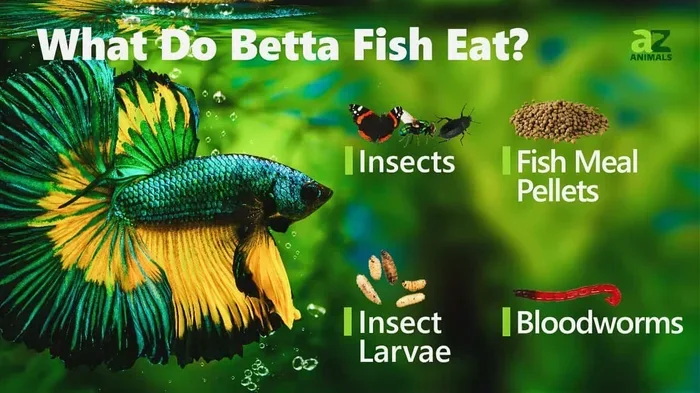
Overfeeding is one of the top causes of ammonia spikes. Feed your betta two to three small pellets or an amount equal to the size of its eye, once or twice a day. Remove any uneaten food after five minutes. A betta fish can die from being overfed in more ways than one, and ammonia poisoning is a big part of that risk.
Test Water Regularly
Invest in a quality liquid test kit. Test strips are convenient but less accurate. Test your water at least once a week. You want to catch ammonia spikes before they become emergencies. Keep a log of your readings to spot trends over time.
Avoid Overcrowding
A single betta needs at least a 5-gallon tank. Adding too many fish or too much biological load overwhelms the filter and bacteria colonies. If you want tank mates, research carefully. Can you put other fish in with a betta fish? Yes, but only the right species in the right numbers. Overstocking is a recipe for ammonia disaster.
Expert Insights on Betta Fish Ammonia Recovery
Professional aquarists and veterinarians agree on a few key points about ammonia recovery. First, the nitrogen cycle is the foundation of every healthy aquarium. Understanding it gives you power over your water quality. Second, consistency beats perfection. A regular weekly routine prevents most ammonia problems.
Aquarium water quality is the single biggest factor in betta fish health. Poor water quality causes more fish deaths than any disease. When you keep ammonia at zero, your betta thrives. Its colors become more vivid, its appetite improves, and its lifespan extends.
Many experienced keepers also recommend adding live plants to the tank. Plants absorb ammonia directly as a nutrient. They also oxygenate the water and provide hiding spots that reduce stress. Even a single live plant can make a noticeable difference in ammonia levels.
Finally, do not be too hard on yourself if ammonia issues happen. They are extremely common, especially for new fish keepers. What matters is that you learn from the experience and build better habits going forward. Your betta will thank you with years of vibrant, active life.
Conclusion
A betta fish can recover from ammonia poisoning when you catch it early and respond quickly. The key steps are testing the water, performing large water changes, adding beneficial bacteria, and reducing feeding. Recovery takes time, but many bettas bounce back fully within two to four weeks.
Prevention is your long-term best friend. Regular water changes, proper filtration, responsible feeding, and consistent water testing keep ammonia at safe levels. A well-maintained tank is a happy, healthy tank for your betta.
Remember that every fish tank is different. What works for one setup might need adjusting for another. Pay attention to your fish and your water parameters. Trust your instincts. If something looks off, test the water first. Your quick action can make the difference between a full recovery and a tragic loss.
Take what you have learned from this guide and put it into practice today. Your betta deserves a safe, clean, and ammonia-free home. Start with a water test and a water change if needed. You might just save your fish’s life.
Frequently Asked Questions
How long does it take for a betta fish to recover from ammonia poisoning?
Mild cases show improvement within 24 to 48 hours after water changes. Full recovery typically takes two to four weeks. Severe cases may take longer, and some fish may not fully recover if gill damage is extensive.
What ammonia level is deadly for betta fish?
Any ammonia level above 0.25 ppm is dangerous for bettas. Levels above 1.0 ppm are life-threatening and require immediate action. The goal is always to maintain ammonia at zero in a healthy tank.
Can ammonia poisoning kill a betta fish instantly?
Yes, extremely high ammonia levels can kill a betta within hours. This is why regular water testing and quick response are so important. Early detection and treatment dramatically improve survival chances.
Do water changes alone fix ammonia poisoning?
Water changes are the most important first step, but they are not enough on their own. You also need to ensure your filter is working properly, add beneficial bacteria, and reduce feeding to prevent ammonia from building up again.
Can a betta fish recover from ammonia poisoning without a water change?
It is very unlikely. Water changes are essential to dilute and remove ammonia from the tank quickly. Without a water change, ammonia levels remain dangerously high and the fish will continue to deteriorate.
How can I tell the difference between ammonia poisoning and other diseases?
The easiest way is to test the water. If ammonia is elevated, poisoning is the likely cause. Symptoms like gasping at the surface and red gills are strong indicators of ammonia issues rather than bacterial or fungal infections.