Can Any Betta Fish Live Together
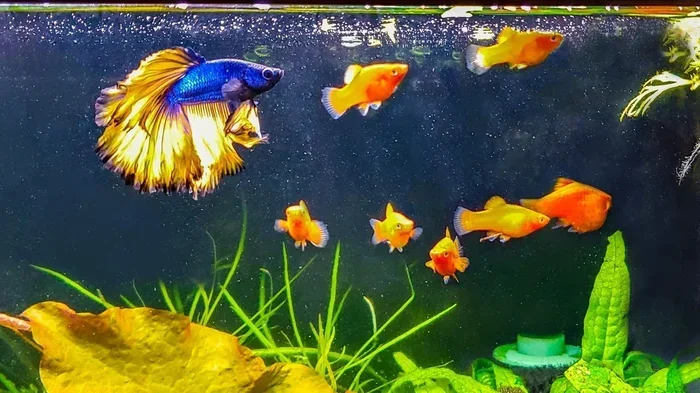
Can any betta fish live together? The answer depends on gender, tank size, and personality. Female bettas often do well in groups, but male bettas are usually too aggressive to share a tank. This guide covers everything you need to know about betta fish compatibility and keeping them together safely.
So, can any betta fish live together? This is one of the most common questions new fish keepers ask. The short answer is: it depends. Betta fish are beautiful, but they can also be fiercely territorial. Whether two bettas can share a tank comes down to gender, tank setup, and even individual personality.
Many beginners assume all bettas are the same. They are not. A male betta behaves very differently from a female betta. And even among females, some get along great while others do not. Understanding these differences is the first step toward creating a peaceful aquarium.
In this guide, we will walk through everything you need to know. We will cover why bettas fight, which combinations work, and how to set up a tank properly. By the end, you will know exactly what to expect and how to keep your fish safe and happy.
Key Takeaways
- Male bettas almost never live together: Two males will fight to the death in most cases.
- Female bettas can form sororities: A group of 4-6 females may coexist with the right setup.
- Tank size matters enormously: You need at least 20 gallons for multiple bettas.
- Personality plays a big role: Some bettas are simply more aggressive than others.
- Tank dividers offer a solution: You can keep bettas close without direct contact.
- Not all fish make good tank mates: Careful species selection prevents fights and stress.
- Watch for warning signs early: Fin nipping, flaring, and hiding signal trouble.
📑 Table of Contents
- Why Betta Fish Fight Each Other
- Can Female Betta Fish Live Together?
- Can Male Betta Fish Live Together?
- What Fish Can Live With Betta Fish?
- How to Set Up a Tank for Multiple Bettas
- Signs Your Bettas Are Not Getting Along
- Comparison: Male vs. Female Betta Cohabitation
- Final Thoughts on Keeping Betta Fish Together
Why Betta Fish Fight Each Other
Betta fish aggression is not random. It comes from their natural instincts. In the wild, bettas defend small territories in rice paddies and slow-moving streams. They see other bright-colored fish as rivals. This survival drive does not disappear in captivity.
Male bettas, in particular, have long flowing fins and vivid colors. These traits make them look like threats to other males. When two males see each other, they flare their gills, spread their fins, and attack. This behavior is hardwired into their DNA.
Female bettas are less colorful and less aggressive by nature. But that does not mean they are always peaceful. They still have dominant individuals who may bully others. Understanding betta fish behavior helps you predict and prevent problems.
The Role of Territory
Every betta wants its own space. In a small tank, there is no room to escape. This causes constant stress. Stressed fish get sick more often. They also become more aggressive. A tank size for bettas of at least 20 gallons is recommended if you plan to keep more than one fish.
Think of it like a crowded apartment. If everyone is on top of each other, tensions rise. The same happens with fish. Giving them space reduces conflict dramatically.
Can Female Betta Fish Live Together?
Can two betta female fish live together? Yes, in many cases. A group of female bettas is often called a sorority tank. This setup can work well when done correctly.
However, it is not guaranteed. Some females are naturally more dominant. Others are submissive. The key is to introduce them properly and watch their behavior closely. A group of 4 to 6 females tends to work best because no single fish becomes the sole target.
If you want more details on this topic, check out our guide on Can Two Betta Female Fish Live Together for deeper insights into female betta dynamics.
Setting Up a Sorority Tank
A successful sorority needs the right environment. Here is what you should focus on:
- Tank size: At least 20 gallons. More space means less conflict.
- Plenty of hiding spots: Plants, caves, and decorations break up lines of sight.
- Even numbers: Avoid odd numbers. This prevents one fish from being isolated.
- Balanced personalities: Introduce fish of similar size and temperament.
- Feeding stations: Spread food across the tank so dominant fish cannot hoard it.
Expert Insight: Experienced aquarists often recommend adding all females at the same time. Introducing new fish one by one can trigger territorial aggression from the existing group.
Can Male Betta Fish Live Together?
The answer here is almost always no. Can two male betta fish live together? In rare cases, with a tank divider, yes. But in an open tank, two males will almost always fight. This can lead to serious injury or death.
Male bettas are bred for fighting. That is literally what they were developed for in Southeast Asia. Even in a large tank with plenty of hiding spots, the instinct to dominate remains. Some males are calmer than others, but you are always taking a risk.
For more information on this topic, see our article on Can Two Male Betta Fish Live Together.
Tank Dividers as a Compromise
If you want to keep two males close together, a tank divider is your best option. This lets both fish see each other without physical contact. Some keepers find this satisfying because the fish can display natural behaviors safely.
Quick Tips for Using Tank Dividers:
- Choose a sturdy divider that cannot be knocked over.
- Make sure each side has its own filter and heater.
- Provide equal visual barriers so neither fish feels trapped.
- Monitor both sides for signs of stress or illness.
What Fish Can Live With Betta Fish?
So you want a betta fish community tank. That is totally possible with the right tank mates. But not every fish species works. Some fish are too nippy. Others are too big. And some share the same water requirements.
Good tank mates for bettas include: neon tetras, corydoras catfish, kuhli loaches, and snails. These fish tend to stay out of the betta’s way and do not bother its fins.
For more on this topic, read our guide on Can Betta Fish Live Together With Other Fish to learn about the best companion species.
Fish to Avoid With Bettas
Not all fish are safe companions. Here are some species to keep away from your betta:
- Goldfish: They produce too much waste and need colder water.
- Guppies: Their bright tails may trigger betta aggression.
- Angelfish: They can be aggressive and nip at betta fins.
- Other bettas: Unless carefully managed, mixing bettas is risky.
- Tiger barbs: They are fin nippers and will harass your betta.
How to Set Up a Tank for Multiple Bettas
If you have decided to keep multiple bettas or a betta with other fish, proper setup is everything. A bad environment causes stress, and stress causes fighting.
Start with a large tank. A 20-gallon tank is the minimum for a sorority. A 30-gallon tank gives you more room and more options for tank mates. The extra space allows each fish to claim its own area without constant conflict.
Next, focus on décor. Live plants are excellent because they break up sightlines and provide hiding spots. Driftwood and rock formations also help create natural boundaries. The goal is to make the tank feel like it has many small territories, not one open space.
Water Parameters Matter
Betta fish need clean, warm water. Keep the temperature between 78 and 80 degrees Fahrenheit. Maintain a pH between 6.5 and 7.5. Regular water changes of 25% per week help keep conditions stable.
Common Mistakes to Avoid:
- Overcrowding the tank with too many fish.
- Skipping water changes and letting ammonia build up.
- Using sharp decorations that can tear delicate fins.
- Placing the tank in a high-traffic area with constant vibrations.
- Adding new fish without a quarantine period first.
Quick Tip: Always quarantine new fish for at least two weeks before adding them to your main tank. This prevents the spread of disease and gives you time to observe their temperament.
Signs Your Bettas Are Not Getting Along
Even with the best setup, problems can arise. Knowing the warning signs early can save lives. Watch your fish daily and look for these red flags.
Flaring: Occasional flaring is normal. Constant flaring at the same fish means there is an ongoing conflict.
Fin nipping: If you notice torn or ragged fins, one fish is likely bullying another. This is a serious sign that needs immediate attention.
Hiding: A fish that hides constantly is stressed. It may be too afraid to eat or explore. This often happens when a dominant fish corners a submissive one.
Loss of color: Stressed bettas fade in color. If your fish looks pale, something in the environment is wrong.
Not eating: A betta that refuses food is in distress. Check water parameters first, then look for aggressive tank mates.
What to Do When Conflict Happens
If you see fighting, act fast. Separate the aggressive fish immediately. A breeder box or temporary container works well for this. Once separated, assess the situation. Can you rearrange the tank to break lines of sight? Or is permanent separation the only option?
Sometimes rearranging plants and décor helps. It resets the territory and gives both fish a fresh start. But this does not always work. Be prepared to permanently separate fish if needed.
Key Takeaway: A peaceful betta tank requires constant observation. You are not just setting it up and forgetting it. Daily monitoring catches problems before they become emergencies.
Comparison: Male vs. Female Betta Cohabitation
Not sure which option fits your setup? Here is a quick comparison to help you decide.
| Factor | Male + Male | Female + Female | Male + Female |
|---|---|---|---|
| Compatibility | Very Low | Moderate to High | Low (breeding only) |
| Tank Size Needed | Not recommended | 20+ gallons | 20+ gallons with divider |
| Aggression Level | Very High | Moderate | High during breeding |
| Best For | Separated tanks only | Sorority tanks | Breeding setups |
| Risk Level | Extreme | Low to Moderate | Moderate to High |
As you can see, the safest option for keeping multiple bettas together is a female sorority. Male bettas should almost always be kept alone. If you want to explore male and female combinations further, our article on Can Male Betta Fish And Female Betta Live Together provides detailed guidance.
Final Thoughts on Keeping Betta Fish Together
Can any betta fish live together? The honest answer is: not all of them, and not without effort. Success depends on choosing the right combination, setting up the tank properly, and monitoring your fish every day. There is no shortcut to a peaceful community tank.
If you are new to keeping bettas, start simple. Try a single betta in a 5-gallon tank first. Once you feel confident with water parameters and fish behavior, you can explore more complex setups like a sorority or a community tank.
Remember that every betta has its own personality. Some are docile. Some are bold. And some are just plain mean. You cannot change a fish’s temperament. But you can give it the best possible environment to thrive in. That is what responsible fish keeping is all about.
Take your time. Research each addition to your tank. And never be afraid to separate fish that are not getting along. Your job is to keep every fish safe and healthy. A happy tank is worth the effort.
Frequently Asked Questions
Can two male betta fish ever live in the same tank?
In almost all cases, no. Two male bettas will fight aggressively and can seriously injure or kill each other. The only safe way to keep them together is with a tank divider that prevents any physical contact while allowing them to see each other.
How many female bettas can live together in one tank?
A group of 4 to 6 female bettas works best in a sorority tank. The number should be even to prevent one fish from being singled out. A tank of at least 20 gallons is recommended to give each fish enough personal space.
What is the best tank size for keeping multiple bettas together?
A 20-gallon tank is the minimum for a female sorority. Larger tanks, such as 30 or 40 gallons, provide even more space and make it easier to maintain stable water conditions. Bigger is always better when keeping multiple bettas.
Can a male and female betta live together permanently?
Generally, no. Male and female bettas should only be kept together temporarily for breeding purposes. Outside of breeding, they tend to be aggressive toward each other. If you want to keep them together long-term, a large tank with heavy planting and a divider is essential.
What are the best tank mates for a betta fish?
Peaceful, non-fin-nipping species work best. Neon tetras, corydoras catfish, kuhli loaches, and mystery snails are excellent choices. Avoid fish with bright, flowing fins or those known for aggressive behavior.
How can I tell if my bettas are stressed or fighting?
Watch for constant flaring, torn fins, hiding behavior, loss of color, and refusal to eat. These are clear signs of stress or aggression. If you notice these symptoms, check the tank setup and consider separating the fish immediately.