Are Betta Fish Edible
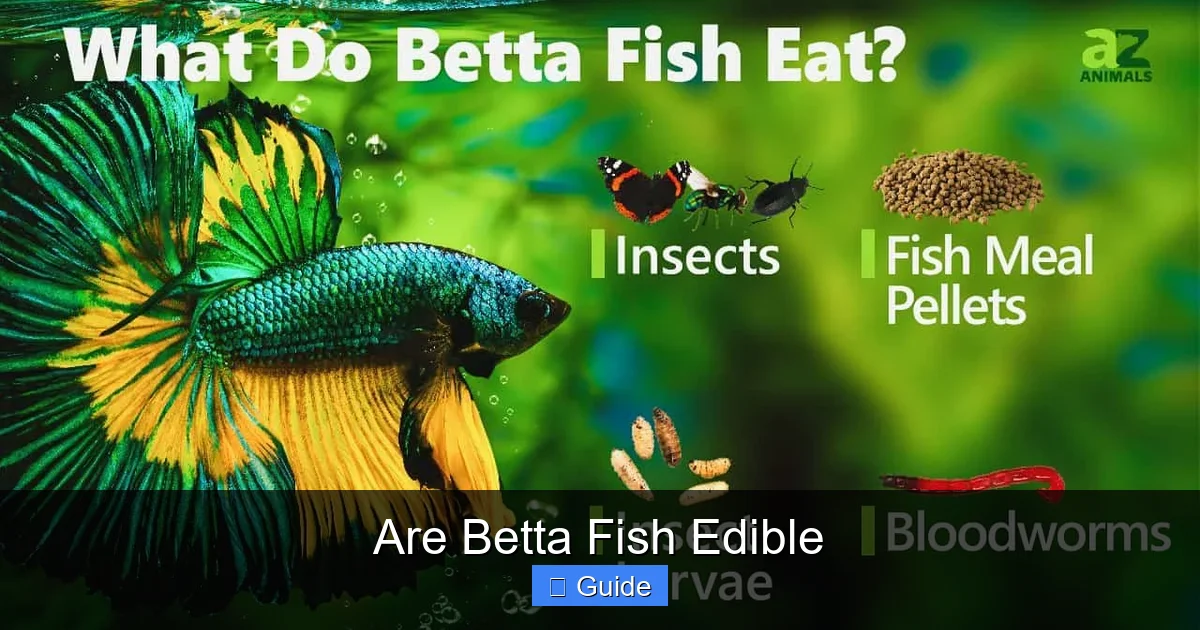
Technically, yes, betta fish are edible, but it is strongly discouraged and not recommended. These fish, beloved as pets, offer minimal nutritional value compared to common food fish and pose significant health risks due to high ammonia levels and potential parasites from typical aquarium conditions. While there are minor historical accounts of consumption in their native Southeast Asia during extreme hardship, they are not a traditional or sustainable food source. Legally and ethically, eating a betta fish—a creature often considered a companion animal—is problematic in most regions. For anyone seeking aquatic protein, there are countless safer, more nutritious, and ethically sound alternatives available.
Key Takeaways
- Edible but Not Advisable: While a betta fish’s body is not inherently toxic, consuming one is strongly discouraged due to severe health risks and ethical considerations.
- Poor Nutritional Profile: Bettas are very small (2-3 inches) with tiny bones and minimal meat, offering negligible protein or omega-3s compared to standard food fish like salmon or tilapia.
- Significant Health Hazards: Captive bettas live in water high in ammonia and nitrites; their flesh can harbor dangerous bacteria, parasites, and chemical residues from medications or tank treatments.
- Cultural Exception, Not Tradition: Historical consumption in Southeast Asia was a rare act of survival during famine, not a established culinary practice. They were never farmed for food.
- Legal & Ethical Gray Area: While not explicitly illegal in most places, bettas are legally classified as ornamental pets. Ethically, they are sentient creatures protected by animal cruelty laws in many jurisdictions.
- Pet vs. Food Fish Distinction: Decades of selective breeding for vibrant colors and flowing fins have created a fish biologically and psychologically distinct from fish raised in aquaculture for consumption.
- Safer, Sustainable Alternatives Abound: Nutritious, sustainably farmed options like carp, catfish, or mackerel are widely available, affordable, and specifically raised for human consumption.
📑 Table of Contents
- Introduction: A Question From Curiosity or Necessity?
- The Biological Profile: Built for Beauty, Not for the Plate
- The Nutritional Profile: Why It’s Not Worth the Effort
- Historical and Cultural Context: A Food of Last Resort
- Health Risks and Safety: A Chemical and Biological Minefield
- Legal and Ethical Considerations: More Than Just a Fish
- Practical Considerations and Sustainable Alternatives
- Conclusion: A Curious Question with a Clear Answer
Introduction: A Question From Curiosity or Necessity?
You’re gazing at your vibrant, flaring Siamese fighting fish, its long, flowing fins dancing in the water. A thought pops into your head, perhaps born of sheer curiosity, a survivalist hypothetical, or a moment of economic worry: Could I eat this? It’s a valid question in the broadest biological sense—is the animal consumable? The short, crucial answer is that yes, a betta fish is not poisonous. You could, in a technical sense, eat it. However, diving into the real answer of “are betta fish edible” requires us to explore nutrition, health, history, ethics, and practicality. This isn’t about declaring a simple yes or no; it’s about understanding why, for nearly every conceivable reason, you should not.
This guide will walk you through every layer of this unusual question. We’ll look at the betta not as the beautiful pet in your bowl, but as a potential food source, examining its biological makeup, its negligible nutritional offering, the serious health dangers it presents, and the cultural and ethical landscapes that firmly place it in the “companion animal” category. By the end, you’ll have a complete, nuanced understanding of why the idea of eating a betta fish belongs firmly in the realm of theoretical curiosity, not practical action.
The Biological Profile: Built for Beauty, Not for the Plate
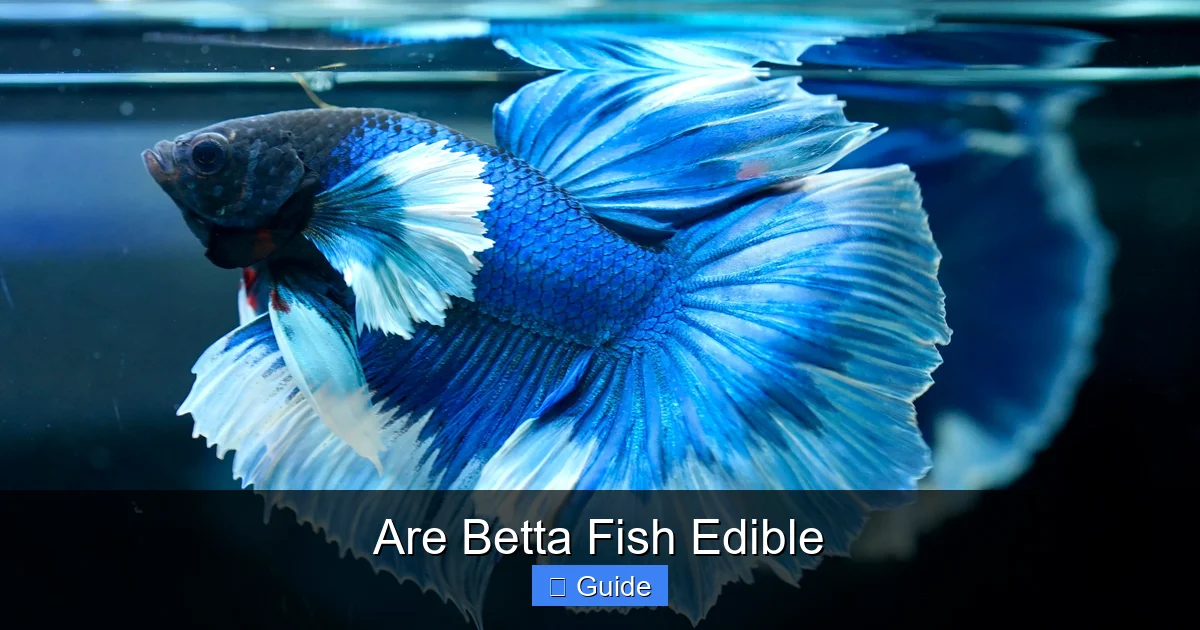
To understand why a betta is a terrible food fish, we must first understand what it is. The betta splendens, or Siamese fighting fish, is a product of extreme selective breeding over the last century. Its entire existence in the aquarium trade is defined by aesthetics.
Visual guide about Are Betta Fish Edible
Image source: houstonaqua.com
A Pet by Design
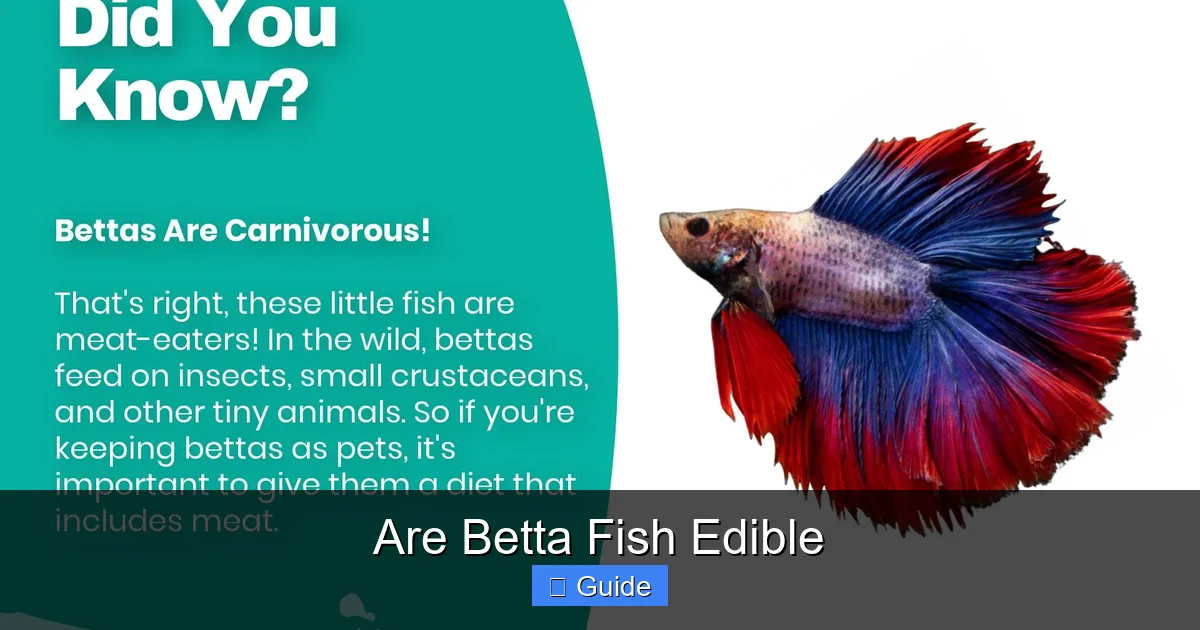
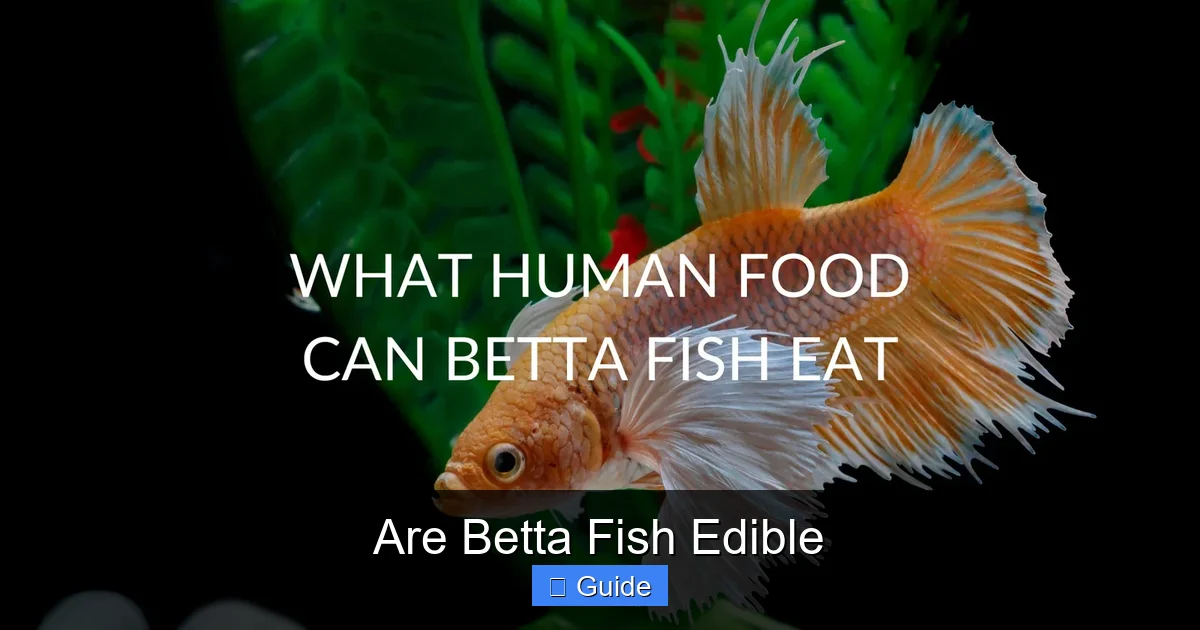
Wild bettas are small, drab-colored fish indigenous to the shallow rice paddies and slow-moving streams of Thailand, Cambodia, Laos, and Vietnam. They grow to about 2-3 inches (5-7.5 cm) in length. Their infamous aggression is a territorial trait tied to breeding. However, the bettas you see in stores are nothing like their wild cousins. Through generations of breeding, humans have amplified traits like:
- Extreme Fin Length: Half-moon, double-tail, and delta tail varieties have fins that are often larger than their body, a severe handicap in the wild that makes swimming difficult and exhausting.
- Vibrant Colors: Iridescent blues, reds, and purples that have no camouflage purpose and can even make them more visible to predators.
- Flaring Behavior: Exaggerated gill and fin displays that are primarily for show.
These ornamental traits come at a biological cost. Their elaborate fins are prone to tearing and infection. Their metabolism is not built for high activity. They are, in essence, living art pieces. From a culinary perspective, this is a disaster. There is almost no usable meat on a fish this small, especially one where a significant portion of its body mass is devoted to those magnificent, but inedible, fins.
The Nutritional Profile: Why It’s Not Worth the Effort
Let’s assume, for a moment, you could overcome the aesthetic and ethical hurdles. What would you actually get nutritionally from a single betta fish? The answer is: almost nothing.
Visual guide about Are Betta Fish Edible
Image source: majesticfins.com
Size Matters: The Math of Minuscule
A typical adult betta weighs between 0.1 and 0.3 ounces (3-8 grams). After descaling, gutting, and removing fins and bones, you might be left with 0.05 to 0.1 ounces (1.5-3 grams) of actual flesh. For comparison, a standard serving of fish is 3-4 ounces (85-113 grams). You would need to consume the flesh of 30 to 80 betta fish to equal one standard serving. This is patently absurd and highlights the first practical reason they are not a food source: they are far too small to be harvested efficiently.
Nutrient Comparison: Outclassed by Common Fish
Even if you ate that theoretical 30-betta serving, the nutritional return would be poor. Wild-caught fish are valued for their omega-3 fatty acids (EPA and DHA), high-quality protein, and vitamins like D and B12. Bettas, especially captive-bred ones, do not provide a meaningful amount of these. Their diet in captivity—pellets, frozen brine shrimp, bloodworms—is designed for color and vitality, not for building a nutrient-dense flesh profile. A serving of farm-raised salmon provides over 2,000 mg of omega-3s. A serving of tilapia provides about 20-25 grams of protein. The betta’s contribution would be a fraction of a gram of protein and negligible healthy fats. You would gain far more nutrition from a single can of sardines or a portion of canned tuna.
Historical and Cultural Context: A Food of Last Resort
If bettas are so nutritionally void, has any culture ever eaten them? The answer is yes, but the context is everything and utterly critical to understanding their status.
Visual guide about Are Betta Fish Edible
Image source: bettacarefishguide.com
The Native Range: Survival, Not Sustenance
In the betta’s native range of Southeast Asia, there are documented, anecdotal references to eating them. However, this was never a culinary tradition. It was an act of absolute desperation during times of famine, war, or extreme poverty. When no other protein sources were available, people would consume whatever small aquatic life was present in the rice paddies—frogs, insects, and yes, small fish like wild bettas. This places them in the same category as other “survival foods” that are not considered part of the regular diet. There are no famous betta fish recipes, no celebratory dishes, no regional cuisine built around them. They were, at best, a fleeting source of calories when all else failed.
The Global Pet Trade: A Barrier to Consumption
The modern global perception of the betta is 100% as a pet. They are sold in virtually every pet store, supermarket, and big-box retailer worldwide. This cultural shift is powerful. An animal that is mass-produced, marketed, and sold as a living companion for a child’s first aquarium does not enter the human consciousness as a potential ingredient. The psychological barrier is immense. In contrast, fish like carp or tilapia are explicitly raised, labeled, and sold as food from the moment they are born. The betta’s identity is irrevocably tied to the ornamental trade.
Health Risks and Safety: A Chemical and Biological Minefield
This is the most critical and non-negotiable section. Even if you were starving and had a tank of bettas, you should not eat them. The health risks are severe and multi-faceted.
The Ammonia Problem: A Built-In Toxin
Betta fish, especially in poor-quality setups, live in water that is often high in ammonia. Ammonia (NH3) is a toxic byproduct of fish waste and decomposing food. In an under-filtered or improperly cycled tank—which is tragically common for bettas kept in small, unheated bowls—ammonia levels can be chronically elevated. Fish absorb ammonia directly from the water through their gills and skin. It accumulates in their tissues and blood. Consuming a fish that has been living in high-ammonia conditions means ingesting that toxin. For humans, this can cause severe gastrointestinal distress, nausea, vomiting, and in large amounts, can contribute to kidney and liver damage. You cannot “cook out” ammonia; it is a chemical compound within the flesh.
Parasites and Pathogens: A Sushi-Grade Risk Without the Grade
Like all aquatic animals, bettas can harbor parasites (e.g., velvet, anchor worms, internal flukes) and bacteria (e.g., Aeromonas, Pseudomonas). These pathogens thrive in the often-stressful, crowded conditions of wholesale fish facilities and even home aquariums. Many of these organisms are zoonotic, meaning they can infect humans. Eating raw or undercooked betta flesh would be an enormous gamble. Even thorough cooking might not eliminate all heat-resistant spores or toxins produced by bacterial infections (like botulism in anaerobic conditions). The betta is not raised, monitored, or processed under any food-safety regulations (like HACCP). It is the equivalent of eating a random animal from a polluted pond—a known vector for illness.
Chemical Contaminants: Medications and Tank Treatments
The average betta owner may use a variety of chemical treatments: antibiotics for bacterial infections, antiparasitics for velvet disease, water conditioners, and algaecides. These chemicals are not intended for human consumption. Residues can linger in the fish’s system and fatty tissues. Ingesting these unknown compounds could lead to allergic reactions, toxicity, or disruption of the human gut microbiome. There is no withdrawal period or safety data for consuming a fish treated with, for example, methylene blue or formalin.
Legal and Ethical Considerations: More Than Just a Fish
Beyond biology and safety, we enter the realm of law and morality, which provide the strongest arguments against consuming betta fish.
Legal Status: Ornamental, Not Livestock
In virtually every country, betta splendens are legally classified as ornamental fish or pet animals. They are regulated under pet trade and animal welfare laws, not agriculture or food safety codes. There are no inspections of betta farms for food safety, no processing standards, and no labeling requirements for human consumption. Selling a betta explicitly as food would likely violate animal cruelty statutes and consumer protection laws, as it would be misrepresenting an animal sold as a pet. While you might not find a specific law that says “thou shalt not eat a betta fish,” the entire legal framework surrounding their production, sale, and transport is predicated on their status as companions, not commodities for the dinner plate.
The Ethical Dilemma: Sentience and Suffering
Modern science acknowledges that fish, including bettas, are sentient beings. They experience pain, stress, and fear. The ethical argument against eating them is twofold. First, there is the question of purpose. A life brought into existence solely for human aesthetic pleasure—to be looked at, not eaten—creates a certain moral contract. To then consume that animal is to fundamentally betray that purpose. Second, there is the method. The typical end-of-life for a pet betta is either natural death in a tank or humane euthanasia by its owner. There is no standard, humane, large-scale slaughter process for bettas as there is for livestock like chickens or cattle. The act of killing a single, small, stressed pet fish for a minuscule amount of meat is ethically disproportionate.
Practical Considerations and Sustainable Alternatives
Let’s be practical. If someone is seriously considering eating a betta, it’s likely due to a misconception about cost, availability, or sustainability. Let’s dismantle that and offer real solutions.
The Impracticality of the Act Itself
Beyond the tiny yield, the process is gruesome and inefficient. How would you humanely kill a 2-inch fish? How would you scale and gut it with tweezers? The time, emotional toll, and sheer disgust factor make it a non-starter. It is a task with zero reward and immense potential for suffering—for both you (in the attempt) and the fish. It is the culinary equivalent of trying to build a house using only chewing gum; the tools, the materials, and the entire premise are wrong.
Ethical, Nutritious, and Sustainable Alternatives
If your motivation is accessing healthy protein affordably or sustainably, the solution is not to look at your pet tank. The global market is filled with excellent options:
- For Affordability: Canned tuna, sardines, and mackerel are incredibly nutrient-dense and low-cost. Frozen tilapia or catfish fillets are often on sale and provide large, boneless portions.
- For Sustainability: Look for MSC (Marine Stewardship Council) or ASC (Aquaculture Stewardship Council) certified products. Small, fast-reproducing fish like anchovies or herring are among the most sustainable seafood choices. Farmed mussels and oysters are also excellent, as they improve water quality.
- For Local & Fresh: Visit a local fish market. You can often buy small whole fish like smelt or whitebait, which are actually traditional food fish—tiny, bony, and often eaten whole. They are the actual edible equivalents of a betta’s size, but they are raised or caught specifically for food, are nutritionally superior, and come with no pet-ownership stigma.
Choosing these alternatives supports food systems designed for human consumption, ensures safety through regulation, and respects the clear line between companion animals and food animals.
Conclusion: A Curious Question with a Clear Answer
So, are betta fish edible? The biological answer is a reluctant, technical yes. The practical, nutritional, health, legal, and ethical answers are a thunderous and unanimous no. The betta fish’s entire modern existence is a testament to human fascination with beauty and companionship. It is a creature that has been sculpted not for the plate, but for the glass bowl. Its tiny frame holds negligible meat, its biology is a vessel for potential toxins, and its cultural identity is that of a pet, not a protein source.
To seriously consider eating a betta is to misunderstand its nature, ignore significant health dangers, and step into a murky ethical area with no benefits. The curiosity is natural, but the action is misguided. If you are seeking sustainable, healthy, and affordable seafood, the oceans, rivers, and regulated fish farms of the world offer a vast and delicious array of choices—choices that respect both human needs and the distinct roles different animals play in our world. Let the betta fulfill its purpose: to be a dazzling, low-maintenance splash of life and color. Leave it out of your dinner plans entirely.
Frequently Asked Questions
Are betta fish poisonous to eat?
No, betta fish are not inherently poisonous. The danger comes from the ammonia, bacteria, and parasites they accumulate from living in typical aquarium water, which can cause serious food poisoning or chemical toxicity if consumed.
Did any culture ever regularly eat betta fish?
No. In their native Southeast Asia, bettas were only consumed rarely as a last-resort survival food during extreme famine. They have never been farmed or celebrated as a culinary tradition anywhere in the world.
Is it illegal to eat a betta fish?
There is no specific law against eating one betta fish you own as a pet. However, bettas are legally classified as ornamental pets, not food animals. Commercial sale for consumption would violate animal cruelty and pet trade regulations in most countries.
What’s a better alternative to eating a betta fish for protein?
Excellent, affordable alternatives include canned sardines or tuna, frozen tilapia or catfish fillets, or fresh, small food fish like smelt or whitebait. These are nutritionally superior, safe, and produced explicitly for human consumption.
Can you cook a betta fish to make it safe?
Cooking may kill some bacteria and parasites, but it will not eliminate chemical toxins like ammonia or residues from tank medications already absorbed into the fish’s tissues. It does not make consumption safe or advisable.
What about eating a betta fish from a pet store?
This is the worst possible option. Pet store bettas are often from crowded, stressed conditions with high disease loads and may have been treated with various chemicals. Their health and safety for human consumption are completely unknown and highly suspect.