How to Keep a Betta Fish
Keeping a betta fish healthy starts with the right tank, clean water, proper food, and a warm environment. This guide covers everything you need to know about betta fish care, from setting up the perfect habitat to feeding schedules and common health issues. You will learn simple, actionable steps to make sure your betta thrives for years.
So you want to know how to keep a betta fish healthy and thriving? Great choice! Betta fish are some of the most beautiful and fascinating pets you can have in your home. Their flowing fins and vibrant colors make them stand out in any room. But here is the thing many people get wrong right away — bettas need more than just a small bowl and a pinch of flakes.
Whether you are a complete beginner or someone looking to improve your current setup, this guide will walk you through everything step by step. We will cover tank setup, water quality, feeding, common health issues, and simple tips that make a huge difference. By the end, you will feel confident and ready to give your betta the best life possible.
The truth is, betta fish care does not have to be complicated. With the right knowledge and a little consistency, you can keep your fish happy and healthy for three to five years — sometimes even longer. Let us dive in.
Key Takeaways
- Minimum 5-gallon tank: A proper tank size is the foundation of good betta fish care and helps your fish live a longer, happier life.
- Consistent water temperature: Keep water between 76-82°F to prevent stress and illness in your betta.
- Regular water changes: Weekly partial water changes keep the environment clean and reduce harmful toxins.
- Balanced diet: Feed high-quality pellets 1-2 times daily and skip meals occasionally to avoid overfeeding.
- Watch for warning signs: Understanding betta fish behavior helps you catch health problems early and respond quickly.
📑 Table of Contents
Setting Up the Perfect Betta Fish Tank
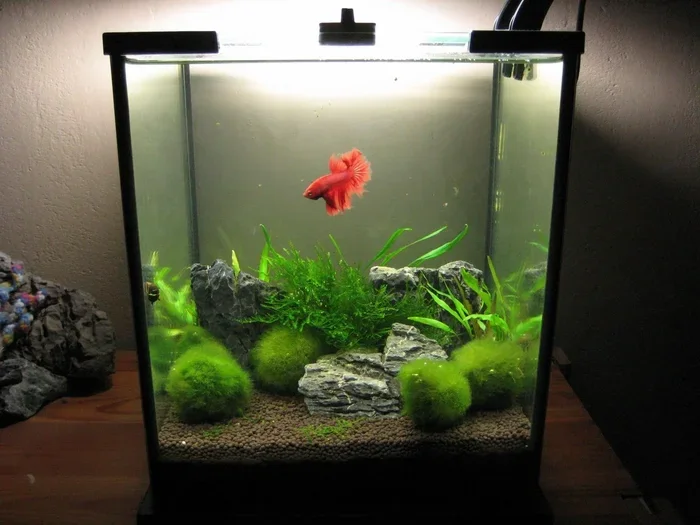
The single most important thing you can do for your betta is to set up the right environment. Many people still believe bettas can live in tiny cups or vases. That is a myth. In the wild, bettas live in warm, slow-moving waters with plenty of space. Replicating that environment at home is the key to how to keep a betta fish healthy long-term.
Choose the Right Tank Size
Here is a hard truth: the smaller the tank, the harder it is to maintain stable water conditions. A 5-gallon tank is the absolute minimum for a single betta. This gives your fish room to swim and explore, and it makes it much easier to keep the water clean. Tanks smaller than 5 gallons can cause stress, which leads to illness.
If you have the space, consider going bigger. A 10-gallon tank opens up more options for aquarium maintenance and gives your betta a more enriching environment. Just remember that bettas are not strong swimmers, so avoid tanks with strong filtration currents.
Essential Tank Equipment
You do not need a fancy setup, but a few key items make all the difference. Here is what your tank should have:
- Heater: Bettas are tropical fish and need warm water between 76 and 82 degrees Fahrenheit. A small submersible heater works perfectly.
- Filter: Choose a gentle filter, like a sponge filter. Bettas do not like strong water flow, and a powerful filter can tire them out.
- Thermometer: You need to monitor the water temperature daily. An inexpensive stick-on thermometer does the job.
- Lighting: Standard aquarium LED lights work well. Avoid direct sunlight, which can cause temperature spikes and algae blooms.
For more detailed guidance on tank setup, check out our article on how to set up a fish tank for betta fish.
Water Quality and Temperature Control
Clean water is the backbone of betta fish care. In the wild, bettas live in warm rice paddies and slow-moving streams. Their tank water needs to mimic those conditions as closely as possible. Poor water quality is the number one cause of illness in pet bettas, so this section deserves your full attention.
Understanding Water Parameters
Here are the ideal water parameters for a healthy betta:
- Temperature: 76 to 82 degrees Fahrenheit
- pH Level: 6.5 to 7.5 (neutral is best)
- Ammonia: 0 ppm (zero)
- Nitrite: 0 ppm (zero)
- Nitrate: Below 20 ppm
Testing your water regularly with a liquid test kit helps you catch problems before they become serious. Test strips work in a pinch, but liquid kits are more accurate and reliable.
How to Keep the Water Warm Without a Heater
If you ever find yourself without a heater, there are ways to keep a betta fish warm naturally. Placing the tank in a warm room away from drafts is a good start. You can also wrap the tank with a towel or blanket to retain heat. Some hobbyists use a small desk lamp positioned over the tank to add warmth during cold nights.
For more tips on this topic, read our guide on how to keep your betta fish warm. It covers several practical methods you can use right away.
Water Changes and Maintenance
Regular water changes are non-negotiable. For a 5-gallon tank, aim to change 25 to 30 percent of the water every week. This removes waste buildup and keeps ammonia levels in check. Always use a water conditioner to remove chlorine and chloramine from tap water before adding it to the tank.
For more detailed water care advice, visit our article on how to take care of betta fish water.
Feeding Your Betta Fish the Right Way
Feeding seems simple, but it is one of the areas where most betta owners make mistakes. Overfeeding is extremely common and can lead to serious health problems. Bettas are carnivores by nature, so they need a protein-rich diet that differs from what you would feed a tropical community fish.
Best Foods for Betta Fish
Here are the best food options for your betta:
- High-quality betta pellets: Look for pellets where the first ingredient is whole fish or fish meal. These should make up the staple of your betta’s diet.
- Frozen or live foods: Brine shrimp, bloodworms, and daphnia are excellent treats that mimic what bettas eat in the wild.
- Occasional variety: Small amounts of blanched peas (de-shelled) can help with digestion and prevent constipation.
Feed your betta 2 to 3 pellets once or twice a day. That is it. Many people think more food means a happier fish, but the opposite is true. Uneaten food decays in the water and pollutes the tank. If in doubt, underfeed rather than overfeed.
Want to know exactly how much to feed? Check out our article on how many pellets to feed a betta fish for precise portion guidance.
Common Betta Fish Health Issues
Even with the best care, bettas can sometimes get sick. The good news is that most common health issues are preventable and treatable if you catch them early. Knowing what to look for makes all the difference.
Signs of a Healthy Betta
Before we talk about problems, let us establish what a healthy betta looks like:
- Bright, vibrant colors
- Flowing, undamaged fins
- Active and curious behavior
- Good appetite
- Clean, clear eyes
Common Illnesses and How to Spot Them
Fin rot is one of the most common issues. You will notice the edges of the fins turning white or brown and becoming ragged. It is usually caused by poor water quality. A partial water change and cleaner tank conditions often fix it quickly.
Ich (white spot disease) shows up as tiny white dots all over the body and fins. It spreads fast but is treatable with medication available at most pet stores. Raising the water temperature slightly to 80 degrees can also help speed up the ich life cycle and make treatment more effective.
Stress is the root cause of many health problems. Signs of a stressed betta include clamped fins, hiding constantly, loss of color, and refusing food. Stress often comes from poor water conditions, incorrect temperature, or an unsuitable tank setup.
If you notice signs of stress or illness, our article on how to treat a stressed betta fish has helpful strategies to calm your fish and restore its health.
Simple Tips to Help Your Betta Live Longer
Everyone wants their betta to live a long, happy life. The average betta lifespan is three to five years, but with excellent care, some bettas make it to seven years or more. Here are practical tips that genuinely extend your betta’s life.
Keep the Environment Stable
Bettas do not like sudden changes. Avoid moving the tank around frequently, and keep the placement consistent. Temperature fluctuations are one of the biggest stressors for bettas. A stable environment reduces stress and strengthens the immune system.
Provide Mental Stimulation
You might be surprised to learn that bettas get bored. Adding a few live plants, a cave, or gentle decorations gives your fish something to explore. Some owners even place a small mirror near the tank for a few minutes to let their betta flare, which provides mental stimulation and exercise.
Handle With Care
Avoid touching your betta or chasing it around the tank. If you need to transport your fish, do it gently and keep the water temperature stable. For guidance on safe transport, read our article on how to keep betta fish alive, which covers best practices for maintaining your betta’s health over time.
Quarantine New Fish and Plants
If you ever add new fish or plants to your betta tank, quarantine them first. New additions can carry diseases or parasites that spread quickly in a small tank. A separate quarantine tank for two to four weeks is a smart precaution.
Final Thoughts on Betta Fish Care
Learning how to keep a betta fish healthy is not about complicated equipment or expensive supplies. It is about consistency, observation, and a genuine willingness to give your fish the best possible home. From choosing the right tank size to maintaining clean water and feeding a proper diet, every small effort adds up to a big impact.
Start with the basics and build from there. Pay attention to your betta’s behavior every day. A healthy betta is an active, colorful, curious fish that greets you at the glass. If you ever notice something off, trust your instincts and investigate. Early action prevents most problems from getting worse.
Remember, your betta depends entirely on you for its well-being. The time and care you invest will be rewarded with a beautiful, lively companion that brings joy to your home for years to come. You have got this, and your betta will thank you for it.
Frequently Asked Questions
What size tank do I need for a betta fish?
A 5-gallon tank is the minimum recommended size for a single betta fish. This gives your fish enough room to swim and makes it easier to maintain stable water conditions. Smaller tanks are harder to keep clean and can cause stress and health problems for your betta.
How often should I feed my betta fish?
Feed your betta once or twice a day, offering 2 to 3 high-quality pellets per feeding. Overfeeding is the most common mistake betta owners make. Uneaten food decays quickly and pollutes the water, so less is often more when it comes to feeding your betta.
What is the ideal water temperature for a betta fish?
Betta fish need warm water between 76 and 82 degrees Fahrenheit. Use a small aquarium heater and a thermometer to keep the temperature stable. Sudden temperature drops can stress your betta and make it vulnerable to illness.
Can betta fish live in a bowl without a filter?
While bettas can survive in a bowl without a filter, they thrive much better in a filtered tank. A filter helps maintain water quality by removing waste and toxins. If you keep your betta in a bowl, you will need to do more frequent water changes to compensate.
How can I tell if my betta fish is sick?
Common signs of illness include loss of color, clamped fins, loss of appetite, lethargy, white spots on the body, or ragged fins. If you notice any of these symptoms, check your water parameters first and then consider treatment options. Early detection is the key to successful treatment.
How long do betta fish live on average?
With proper care, betta fish typically live between three and five years. Some well-cared-for bettas have been known to live seven years or more. The key factors that influence lifespan are water quality, diet, tank size, and maintaining a stable, stress-free environment.