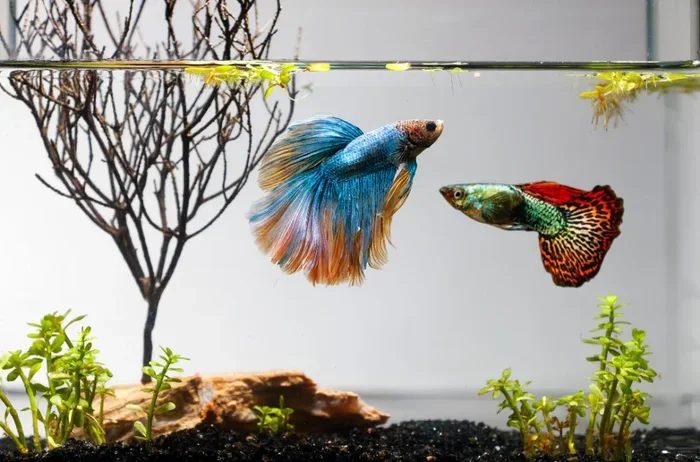
Can Betta Fish Breathe Underwater

Yes, betta fish can breathe underwater, but they also need access to the surface for air. Their special labyrinth organ lets them take in oxygen from both water and air. Understanding how betta fish breathing works helps you keep your fish healthy and happy.
Can betta fish breathe underwater? The short answer is yes, but the full story is much more interesting. Bettas are not like most fish. They have a special ability that sets them apart from many other freshwater species. This ability is called the labyrinth organ, and it changes everything about how they get oxygen.
If you own a betta or are thinking about getting one, understanding betta fish breathing is essential. It affects how you set up your tank, what water conditions you maintain, and how you care for your fish every day. In this guide, we will walk through everything you need to know about how bettas breathe, what can go wrong, and how to keep your fish healthy.
Betta fish breathing is a fascinating topic. These beautiful fish come from shallow, warm waters in Southeast Asia. In their natural betta fish habitat, the water is often still and low in oxygen. Over thousands of years, bettas evolved a remarkable solution to this problem. They learned to breathe air directly from the surface. This adaptation is what makes them so unique in the fish world.
Key Takeaways
- Betta fish breathe both underwater and at the surface: They use gills for water oxygen and a labyrinth organ for air.
- The labyrinth organ is unique: This special adaptation lets bettas survive in low-oxygen environments in the wild.
- Water quality matters a lot: Poor water conditions can make it hard for your betta to get enough oxygen.
- Surface access is essential: Your betta needs to reach the surface regularly to gulp air.
- Signs of breathing problems include gasping and lethargy: Watch for these behaviors and act fast.
- Tank temperature affects oxygen levels: Warmer water holds less dissolved oxygen, so monitor carefully.
- A simple air stone can help: It increases oxygen exchange and keeps your betta comfortable.
📑 Table of Contents
How Do Betta Fish Breathe?
Betta fish use two methods to breathe. The first method is through their gills, just like most other fish. The second method involves a special organ that lets them pull oxygen from the air. Let us look at both methods in detail.
Breathing Through Gills
Like all fish, bettas have gills. These are delicate structures located on the sides of the fish’s head. Water flows over the gills, and tiny blood vessels absorb oxygen from the water. This is how bettas get most of their oxygen when conditions are good.
However, gills only work well when the water has enough dissolved oxygen. In clean, cool, and well-oxygenated water, gills do a great job. But in warm, still water, the oxygen levels drop. This is where the second breathing method comes in.
If you want to learn more about how bettas use their gills, check out our guide on do betta fish breathe through their gills.
The Labyrinth Organ: A Breathing Superpower
The labyrinth organ is what makes bettas truly special. It is a complex structure located near the gills. It works like a tiny lung. When a betta rises to the surface and takes a gulp of air, the air enters this organ. The organ extracts oxygen from the air and sends it into the bloodstream.
This means bettas can survive in water that other fish cannot. In the wild, bettas often live in rice paddies, slow-moving streams, and shallow ponds. These environments have very low oxygen levels. The labyrinth organ allows them to thrive where other fish would struggle.
But here is the key point: your betta must have access to the surface. Without the ability to gulp air, the labyrinth organ cannot work. A betta trapped underwater with no surface access will eventually suffocate, even if the water has some dissolved oxygen.
Can Betta Fish Breathe Underwater Completely?
Many people think that because bettas can breathe air, they do not need oxygen in the water at all. This is a common misconception. Betta fish still need dissolved oxygen in the water to survive. The gills handle underwater breathing, and the labyrinth organ handles air breathing. Both systems work together.
So can betta fish breathe underwater? Yes, they can breathe some oxygen through their gills while submerged. But they cannot get all the oxygen they need from water alone. They must also reach the surface to breathe air. This dual system is what makes betta fish breathing so unique.
For more details on whether bettas actually breathe water, read our article on do betta fish breathe water.
The amount of oxygen your betta gets from water depends on several factors. Water temperature is a big one. Warm water holds less dissolved oxygen than cool water. Water movement also matters. Still water has less oxygen exchange with the air. And water quality plays a role too. Dirty or polluted water holds even less oxygen.
What About When Betta Fish Sleep?
You might wonder what happens when your betta sleeps. Do they still need to breathe air? The answer is yes. Even when sleeping, bettas need oxygen. Interestingly, bettas often sleep near the surface of the tank. This is not a coincidence. They position themselves so they can easily access air even while resting.
Some bettas appear to breathe very slowly when sleeping. This is normal and not a cause for concern. If you want to know more about this behavior, our article on do betta fish breathe when sleeping covers it in detail.
What Affects Oxygen Levels in a Betta Tank?
Keeping the right oxygen levels in your betta tank is critical. Several factors influence how much dissolved oxygen is in the water. Let us break them down.
Water Temperature
Betta fish thrive in warm water, typically between 76 and 82 degrees Fahrenheit. But warmer water holds less oxygen. This creates a balance you need to manage. Your betta wants warm water, but too warm means less oxygen. Keep the temperature in the recommended range to maintain good oxygen levels.
Water Movement and Filtration
Water movement helps oxygen mix into the tank. A gentle filter can improve oxygen exchange. However, bettas do not like strong currents. A filter with adjustable flow is ideal. You can also use a sponge filter, which provides gentle filtration and good oxygen exchange.
Some owners worry that filters might tire out their betta. In reality, a well-chosen filter helps your fish breathe better. It keeps the water moving and oxygen-rich. Just make sure the current is not too strong for your betta.
Water Quality and Contaminants
Dirty water holds less oxygen. Ammonia and nitrite buildup from waste can reduce oxygen levels. Regular water changes and proper cycling keep the water clean and oxygen-rich. If you use tap water, make sure to treat it with a conditioner before adding it to the tank. Learn more about using tap water safely in our guide on can you use tap water for your betta fish.
Tank Size and Stocking
A smaller tank has less surface area for oxygen exchange. This means oxygen levels can drop faster. A tank that is at least 5 gallons is recommended for a single betta. Overstocking a tank also reduces oxygen levels because more fish consume more oxygen.
How to Ensure Your Betta Gets Enough Oxygen
Now that you understand how bettas breathe, let us talk about what you can do to support healthy betta fish breathing. These simple steps can make a big difference.
- Keep the water temperature stable: Use a reliable heater and thermometer. Aim for 76 to 82 degrees Fahrenheit.
- Use a gentle filter: Choose a filter with adjustable flow. Sponge filters work great for bettas.
- Perform regular water changes: Change 20 to 30 percent of the water weekly. This removes waste and replenishes oxygen.
- Leave space between the water and the lid: Your betta needs to reach the surface easily. Keep the water level a few inches below the tank rim.
- Consider an air stone or bubble wall: These increase surface agitation and oxygen exchange. Just keep the bubbles gentle.
- Do not overstock the tank: One betta per tank is the rule. Adding too many fish reduces oxygen for everyone.
- Monitor your betta’s breathing: Watch for rapid gill movement or gasping at the surface. These are signs of low oxygen.
Quick Tips for Better Oxygenation
- A few floating plants can help increase oxygen naturally.
- Avoid placing the tank in direct sunlight. It raises the temperature and reduces oxygen.
- If your betta is gasping at the surface, test the water parameters immediately.
- A water conditioner removes chlorine and chloramine, which can harm gills and reduce oxygen uptake.
Common Breathing Problems in Betta Fish
Even with the best care, bettas can experience breathing problems. Knowing the signs helps you act quickly and save your fish.
Gasping at the Surface
If your betta is frequently rushing to the surface and gulping air, this is a clear sign of low dissolved oxygen. It could also indicate poor water quality. Test your water parameters right away. Check ammonia, nitrite, and nitrate levels. Perform a water change if needed.
Rapid Gill Movement
Healthy bettas move their gills slowly and steadily. Rapid gill movement means your fish is struggling to get enough oxygen. This could be caused by high water temperature, poor water quality, or a gill infection.
Lethargy and Loss of Appetite
A betta that is not breathing properly will become lethargic. It may stop eating and stay at the bottom of the tank. These are serious signs. Check oxygen levels and water quality immediately. Consider adding an air stone or performing a water change.
Can Water Type Affect Breathing?
Yes, the type of water you use matters. Tap water contains chlorine and chloramine, which can damage gills and reduce breathing efficiency. Filtered water and conditioned water are much safer. If you use reverse osmosis water, make sure to add minerals back before introducing your betta. For more on this topic, read our article on can betta fish breathe reverse osmosis water with minerals added.
Using untreated or contaminated water can lead to long-term breathing issues. Always treat your water before adding it to the tank. Your betta’s gills and labyrinth organ will thank you.
Expert Insights on Betta Fish Breathing
Veterinarians and experienced fish keepers agree on a few key points about betta fish breathing. First, the labyrinth organ is not a replacement for healthy gills. Both systems must work together. Second, surface access is non-negotiable. No betta tank should have a tight-fitting lid that blocks the surface. Third, water quality is the foundation of good breathing. No amount of air stones can compensate for toxic water.
Experts also recommend observing your betta daily. Watching how your fish breathes gives you early warning of problems. A healthy betta breathes calmly and steadily. Any change in breathing pattern is worth investigating.
Key Takeaways
- Betta fish breathe both underwater and at the surface: They use gills for water oxygen and a labyrinth organ for air.
- The labyrinth organ is unique: This special adaptation lets bettas survive in low-oxygen environments in the wild.
- Water quality matters a lot: Poor water conditions can make it hard for your betta to get enough oxygen.
- Surface access is essential: Your betta needs to reach the surface regularly to gulp air.
- Signs of breathing problems include gasping and lethargy: Watch for these behaviors and act fast.
- Tank temperature affects oxygen levels: Warmer water holds less dissolved oxygen, so monitor carefully.
- A simple air stone can help: It increases oxygen exchange and keeps your betta comfortable.
Conclusion
Can betta fish breathe underwater? Yes, they can, thanks to their gills and their amazing labyrinth organ. But breathing underwater alone is not enough. Your betta needs access to the surface for air, clean water with adequate dissolved oxygen, and a stable environment. Understanding betta fish breathing is one of the most important parts of responsible fish keeping.
By following the tips in this guide, you can create a healthy tank where your betta thrives. Keep the water clean, maintain proper temperature, and watch your fish closely. A well-cared-for betta will reward you with years of beauty and companionship. Remember, healthy breathing means a healthy fish. And a healthy fish means a happy owner.
Take what you have learned here and put it into action. Check your tank setup today. Make sure your betta can reach the surface easily. Test your water parameters. Small changes can make a big difference in your fish’s quality of life. Your betta depends on you for its well-being, and understanding how it breathes is the first step toward being the best owner you can be.
Frequently Asked Questions
How long can a betta fish breathe underwater without coming up for air?
Betta fish cannot stay fully underwater indefinitely. They need to surface for air every few minutes to hours, depending on oxygen levels in the water. If dissolved oxygen is low, they will need to breathe air more frequently. Always ensure your betta has easy access to the surface.
Is it normal for a betta fish to breathe heavily at the surface?
Occasional surface gulping is normal. Betta fish naturally breathe air from the surface. However, if your betta is breathing heavily or gasping constantly, it may indicate low oxygen levels or poor water quality. Test your water and make changes as needed.
Can betta fish drown underwater?
Yes, betta fish can effectively drown if they cannot access air at the surface or if the water has very low oxygen. Their gills need water with sufficient dissolved oxygen, and their labyrinth organ needs access to atmospheric air. Both systems must function for survival.
Do betta fish need an air pump or bubbler in their tank?
Betta fish do not strictly need an air pump, but gentle water movement helps maintain oxygen levels. A sponge filter or air stone can improve oxygen exchange. Just make sure the current is not too strong, as bettas prefer calm water.
Does water temperature affect how betta fish breathe?
Yes, warmer water holds less dissolved oxygen. Betta fish in tanks that are too warm may breathe more rapidly or gasp at the surface. Keep the temperature between 76 and 82 degrees Fahrenheit to maintain a healthy balance of warmth and oxygen.
What should I do if my betta fish is not breathing normally?
First, test the water parameters for ammonia, nitrite, and nitrate levels. Check the water temperature. Perform a partial water change if needed. Ensure the betta can reach the surface easily. If breathing does not improve, consult a veterinarian experienced with fish health.