Can a Female and a Male Betta Fish Live Together

Can a female and a male betta fish live together? The short answer is yes, but it takes careful planning and the right setup. Male and female bettas can coexist peacefully under the right conditions, including proper tank size, plenty of hiding spots, and a well-planned introduction process. This guide covers everything you need to know about keeping male and female betta fish together safely and successfully.
So you want to know can a female and a male betta fish live together? This is one of the most common questions among fish keepers. The idea of having both a male and female betta in one tank is exciting. But it also comes with real risks. Male bettas are known for their aggressive nature. They have long, flowing fins and bright colors that make them look stunning. But those same traits can trigger fights. Female bettas tend to be a bit calmer. They have shorter fins and a more subdued look. But that does not mean they are pushovers. Both fish have their own personalities and boundaries.
The good news is that with the right approach, you can make it work. Many hobbyists successfully keep male and female bettas in the same tank. It requires patience, planning, and close observation. In this guide, we will walk you through everything you need to know. We will cover tank setup, introduction methods, warning signs, and much more. By the end, you will have a clear picture of whether this setup is right for you.
Key Takeaways
- It is possible: A female and male betta fish can live together with the right tank setup and careful monitoring.
- Tank size matters: A minimum of 20 gallons is recommended to reduce aggression and territorial behavior.
- Introduction process is critical: Gradual introduction using a divider or sight glass helps both fish adjust safely.
- Female bettas are less aggressive: Female bettas generally have shorter fins and a calmer temperament compared to males.
- Watch for warning signs: Flaring, nipping, and chasing are signs that the fish need to be separated immediately.
- Tank layout is key: Plants, caves, and decorations break up lines of sight and reduce territorial disputes.
📑 Table of Contents
- Understanding Betta Fish Behavior
- Can a Female and Male Betta Fish Live Together in the Same Tank?
- How to Introduce a Male and Female Betta Safely
- Signs That Your Bettas Are Getting Along
- Signs That Your Bettas Are Not Getting Along
- Setting Up the Perfect Tank for Both Sexes
- Common Mistakes to Avoid
- Can You Keep a Male and Female Betta Fish Together Long-Term?
- What to Do If Your Bettas Need to Be Separated
- Final Thoughts
Understanding Betta Fish Behavior
Before you put any two bettas in the same tank, you need to understand their behavior. Betta fish, also known as Siamese fighting fish, are territorial by nature. This is especially true for males. In the wild, male bettas claim small areas of water and defend them fiercely. They flare their gills, spread their fins, and show off their colors to warn off rivals. This behavior is called flaring, and it is completely normal.
Why Are Male Bettas So Aggressive?
Male bettas have been bred for centuries to be aggressive. In some Asian countries, people used to hold betta fights as a form of entertainment. Over time, breeders selected the most aggressive fish for breeding. This created the bold, fiery temperament we see in pet bettas today. A male betta will often see another male as a threat. Even his own reflection in a mirror can trigger a fight response.
How Do Female Bettas Differ?
Female bettas are generally less aggressive than males. They have shorter fins and a more compact body shape. In the wild, females tend to avoid conflict rather than start it. However, this does not mean they are always peaceful. A group of female bettas can still establish a pecking order. This is sometimes called a betta sorority setup. But in most cases, a single female is less likely to start a fight than a single male.
When you are considering can male and female betta fish live together, understanding these behavioral differences is the first step. You are essentially pairing a fish that loves to fight with one that prefers to avoid conflict. The key is to give each fish enough space and resources so there is no reason to fight.
Can a Female and Male Betta Fish Live Together in the Same Tank?
The answer is yes, but with important caveats. Can a female and a male betta fish live together long-term? In many cases, yes. But it is not guaranteed. Every fish has its own personality. Some male bettas are laid-back and will ignore a female completely. Others are highly territorial and will attack anything that moves. The same goes for females. Some are bold and confident, while others are shy and timid.
Success depends heavily on three factors:
- Tank size: A larger tank gives both fish room to establish their own zones.
- Tank layout: Plants, caves, and decorations break up sightlines and reduce tension.
- Introduction method: How you introduce the fish matters just as much as the setup.
Many experienced aquarists recommend keeping male and female betta fish together only if you are prepared to monitor them daily. You need to watch for signs of stress, aggression, or illness. If things go wrong, you must be ready to separate the fish quickly. This is not a setup for beginners who want a hands-off approach.
The Role of Tank Size
Tank size is arguably the most important factor. A small bowl or a 5-gallon tank is not suitable for housing two bettas. The general rule is to use a tank that is at least 20 gallons. This gives each fish enough space to claim its own territory without feeling threatened. In a smaller tank, the fish are constantly in each other’s face, which increases stress and aggression.
Why Tank Layout Matters
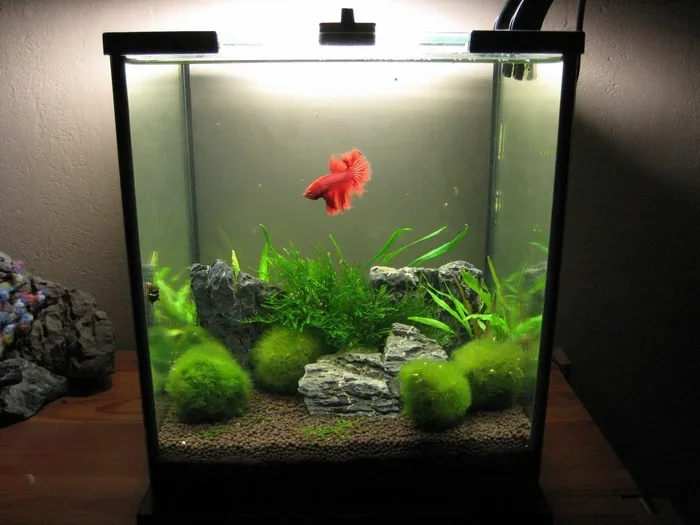
A well-decorated tank can make all the difference. Live plants are the best option because they create natural barriers. Java moss, Amazon sword plants, and anubias are all great choices. You can also add caves, driftwood, and ceramic hides. The goal is to break up straight lines of sight. If one fish can see the other fish clearly from one end of the tank to the other, tension will rise. Decorations give each fish places to retreat and feel safe.
How to Introduce a Male and Female Betta Safely
The introduction process is critical. You cannot just drop both fish into the same tank and hope for the best. A slow, gradual introduction gives both fish time to adjust to each other’s presence. This reduces the chance of a serious fight.
Method 1: Using a Tank Divider
A tank divider is a mesh or plastic panel that splits the tank into two sections. Place the male on one side and the female on the other. They can see each other but cannot touch. Leave them like this for three to seven days. This allows both fish to get used to the sight, smell, and movement of the other. Watch for signs of excessive flaring. Some flaring is normal, but constant aggressive behavior means you need to slow down the process.
Method 2: The Sight Glass Approach
A sight glass is a clear piece of acrylic that you place inside the tank. It works similarly to a divider but takes up less space. Both fish can see each other through the glass but remain separated. This method is especially useful for smaller tanks where a full divider is not practical.
Method 3: Direct Introduction with Close Monitoring
Some experienced keepers skip the divider and go straight to a full introduction. This method works best in a well-planted tank of 20 gallons or more. Place the female in the tank first and let her settle in for a day or two. Then gently release the male. Watch them closely for the first few hours. Look for chasing, nipping, or flaring. If the aggression is mild and short-lived, it may be fine. If it is intense, remove the male immediately.
Many hobbyists also share tips on can you keep male and female betta fish together using these gradual methods. The key takeaway is patience. Rushing the process is the number one mistake new fish keepers make.
Signs That Your Bettas Are Getting Along
How do you know if your male and female bettas are coexisting peacefully? There are several positive signs to watch for.
- No flaring: If neither fish flares at the other for extended periods, that is a great sign.
- Exploring the same tank: Both fish swimming in the same area without tension shows comfort.
- Eating normally: A healthy appetite means both fish feel safe and stress-free.
- No hiding constantly: If the female is not hiding all the time, she likely feels secure.
- Peaceful swimming patterns: Both fish moving calmly through the water is a strong indicator of compatibility.
It is important to note that some mild flaring during the first few days is normal. A male might flare when he first sees the female. This should decrease over time as they become familiar with each other. If the flaring stops after a few days, that is a positive development.
Signs That Your Bettas Are Not Getting Along
Not every pairing will work out. Some male and female bettas simply cannot coexist. Knowing the warning signs early can save you from a tragic outcome.
Warning Signs to Watch For
- Constant flaring: If the male flares at the female nonstop, that is a red flag.
- Chasing: One fish persistently chasing the other around the tank is a serious problem.
- Nipping fins: Bite marks or torn fins on either fish indicate aggression.
- Refusing to eat: A fish that stops eating is under severe stress.
- Hiding all the time: If the female hides constantly, she does not feel safe.
- Color fading: Stress can cause a betta’s colors to become dull and faded.
If you notice any of these signs, you should separate the fish immediately. Do not wait to see if things improve on their own. Prolonged stress can weaken the fish’s immune system and lead to illness. In some cases, a fight can cause serious injury or even death.
Setting Up the Perfect Tank for Both Sexes
A successful male-female betta setup requires more than just a big tank. Every detail matters, from water parameters to the types of decorations you choose.
Ideal Tank Size and Shape
As mentioned earlier, a 20-gallon tank is the minimum recommended size. A longer tank is better than a tall one because it provides more horizontal swimming space. Bettas like to explore and claim territory along the length of the tank. A 30-gallon tank gives you even more room to work with and is ideal if you plan to add other species later.
Water Parameters
Betta fish thrive in warm, clean water. Keep the temperature between 76 and 82 degrees Fahrenheit. The pH should be between 6.5 and 7.5. Ammonia and nitrite levels should always be at zero. Nitrate should be below 20 parts per million. Regular water changes of 25 to 30 percent per week will help maintain these levels.
Filtration and Heating
A gentle sponge filter is the best choice for a betta tank. Strong filter currents can stress bettas, especially males with long fins. A heater is essential to maintain a stable temperature. Look for a submersible heater with a thermostat to keep the water at a consistent temperature.
Decorations and Plants
Live plants are the gold standard for a betta tank. They provide hiding spots, improve water quality, and reduce stress. Some great options include:
- Java moss
- Amazon sword plants
- Anubias
- Java fern
- Cryptocoryne
Add caves, ceramic hides, and driftwood to create multiple hiding spots. This gives both fish a sense of security and helps them establish their own territories without direct confrontation.
Common Mistakes to Avoid
Even experienced fish keepers can make mistakes when housing male and female bettas together. Here are the most common ones to avoid.
Skipping the Quarantine Period
Never add a new fish directly into an established tank without quarantining it first. A quarantine tank lets you observe the new fish for signs of disease or parasites. It also gives the fish time to adjust to a smaller space before entering the main tank. A two-week quarantine period is standard practice.
Using Too Small a Tank
A 5-gallon tank is fine for a single betta. But for a male and female pair, it is simply not enough space. The fish will be in constant contact, which increases stress and the likelihood of fighting. Always go bigger when housing multiple bettas.
Ignoring Warning Signs
This is perhaps the most common mistake of all. Many fish keepers see mild flaring or chasing and assume it will work itself out. But aggression can escalate quickly. If you see any of the warning signs mentioned earlier, act fast. Separating the fish early is always better than dealing with injuries later.
Overcrowding the Tank
A male and female betta pair need space not just from each other but from other tank mates as well. Avoid adding too many fish or too many decorations that leave no swimming space. A cluttered tank creates more stress for everyone.
For more tips on successful betta pairings, you can explore Can You Keep Male and Female Betta Fish Together for additional guidance from experienced aquarists.
Can You Keep a Male and Female Betta Fish Together Long-Term?
This is the question that really matters. Can you keep them together not just for a few days, but for months or even years? The honest answer is that long-term success varies. Some pairs live together happily for years. Others need to be separated within hours of introduction. It really comes down to the individual fish and the quality of their environment.
If you want to try a long-term setup, here are a few tips that can improve your chances:
- Start with a young pair: Younger fish tend to adjust better to new tankmates.
- Choose a calm male: Some males are naturally less aggressive. Look for a fish that flares less in the store.
- Provide multiple hiding spots: More hiding places mean less direct confrontation.
- Feed both fish separately: This ensures both fish get enough food and reduces competition.
- Monitor water quality daily: Stress from poor water conditions can trigger aggression even in normally peaceful fish.
For more detailed information on long-term cohabitation, check out Can A Male Betta Live With A Female Betta Fish for expert insights on this topic.
What to Do If Your Bettas Need to Be Separated
Sometimes, despite your best efforts, the fish simply cannot live together. This is not a failure. It is just the reality of keeping bettas. If you need to separate them, here is what to do.
First, prepare a separate tank with the same water parameters as the main tank. This reduces stress during the transfer. Use a net to gently move each fish to its own tank. Place the tanks in the same room so the fish can still see and smell each other. This can help reduce the shock of separation. Over time, some fish can be reintroduced, but this is not always possible.
Remember that a male and female betta can also be housed in adjacent tanks with a clear divider. This allows them to see each other without the risk of physical contact. Many fish keepers find this setup visually appealing and less stressful for the fish.
For more ideas on housing arrangements, you might want to read about Can You House A Male And Female Betta Fish Together for additional setup options and strategies.
Final Thoughts
So, can a female and a male betta fish live together? The answer is yes, it is possible, but it requires effort, knowledge, and a willingness to adapt. Every fish is an individual with its own temperament. What works for one pair may not work for another. The key is to start with a proper setup, introduce the fish gradually, and monitor them closely every day.
Success in keeping a male and female betta together is incredibly rewarding. There is something special about watching two fish coexist peacefully in a beautifully planted tank. It shows that with the right approach, even fish known for their aggression can learn to share space.
Remember to prioritize the health and safety of both fish at all times. If the setup is not working, do not be afraid to separate them. A happy, healthy fish in its own tank is always better than two stressed fish fighting in a shared one. With patience and care, you can create a thriving environment for your bettas and enjoy the beauty of these amazing fish every single day.
Frequently Asked Questions
Can a female and male betta fish live together in a 10-gallon tank?
A 10-gallon tank is possible but not ideal. A 20-gallon tank gives both fish more room to establish territories and reduces stress. If you only have a 10-gallon tank, use plenty of plants and decorations to break up sightlines and provide hiding spots.
How long does it take for a male and female betta to get used to each other?
The adjustment period can range from a few days to several weeks. Some pairs adjust quickly, while others need more time. Use a divider or sight glass for the first few days to allow them to see each other safely before any direct contact.
Will a male betta kill a female betta?
In rare cases, yes. A highly aggressive male can injure or kill a female during a fight. This is why close monitoring is essential, especially during the first few days of introduction. If you see constant chasing or nipping, separate the fish immediately.
Can you breed a male and female betta in the same tank?
Breeding bettas requires a separate breeding tank. The male builds a bubble nest and the female lays eggs. After spawning, the female should be removed to prevent the male from attacking her. Breeding is a complex process that requires careful planning and experience.
Do female bettas flare at male bettas?
Yes, female bettas can flare at males, though it is less common than male-to-male flaring. A female may flare to establish dominance or when she feels threatened. Some flaring is normal, but constant aggression from either fish is a warning sign.
What is the best ratio of male to female bettas in a tank?
The standard ratio is one male to one female. Keeping multiple males with a single female is not recommended. The male will likely direct all his aggression toward the female, causing her extreme stress and potential injury.