Can a Crab Live with a Betta Fish

Yes, a crab can live with a betta fish, but it depends on the crab species, tank setup, and your betta’s temperament. Small freshwater crabs like hermit crabs and fiddler crabs can sometimes share a tank with bettas when you provide enough space, hiding spots, and proper water conditions. Always watch for signs of aggression and be ready to separate them if needed.
Key Takeaways
- Not all crabs are safe: Some crab species are too aggressive or large for a betta tank.
- Hermit crabs and fiddler crabs are among the most compatible options for betta tanks.
- Tank size matters a lot: A minimum 10-gallon tank helps reduce territorial fights.
- Hiding spots are essential: Both bettas and crabs need places to retreat and feel safe.
- Watch for warning signs: Fin nipping, chasing, and claw snapping mean you need to separate them.
- Water parameters must match: Keep temperature, pH, and salinity suitable for both species.
- Feed separately: This prevents food competition and reduces stress for both pets.
📑 Table of Contents
- Can a Crab Live with a Betta Fish?
- Understanding Betta Fish Behavior
- Which Crab Species Work Best with Bettas?
- Setting Up the Right Tank for Both Species
- Signs Your Betta and Crab Are Getting Along
- Warning Signs You Need to Separate Them
- Common Mistakes People Make When Keeping Crabs with Bettas
- Expert Tips for a Successful Betta and Crab Pairing
- Final Thoughts
Can a Crab Live with a Betta Fish?
Many fish lovers wonder if they can add a crab to a betta fish tank. The short answer is yes, but it is not always simple. Bettas are known for their bright colors and flowing fins. Crabs bring a different kind of energy to the aquarium. Together, they can make an interesting display. But they also have very different needs and behaviors.
If you want to try a betta and crab pairing, you need to know what you are getting into. Not every crab species gets along with a betta. Not every betta is calm enough to share space. This guide walks you through everything you need to know. You will learn which crabs work best, how to set up the tank, and what warning signs to watch for.
The key to success lies in preparation. A good aquarium setup and the right crab species make all the difference. Let us dive into the details so you can make a smart choice for your aquatic pets.
Understanding Betta Fish Behavior
Before you add any tank mate, you need to understand your betta. Bettas are often called “Siamese fighting fish” for a reason. They can be territorial and even aggressive toward other creatures. This is especially true in small tanks where they feel crowded.
Why Bettas Act Aggressively
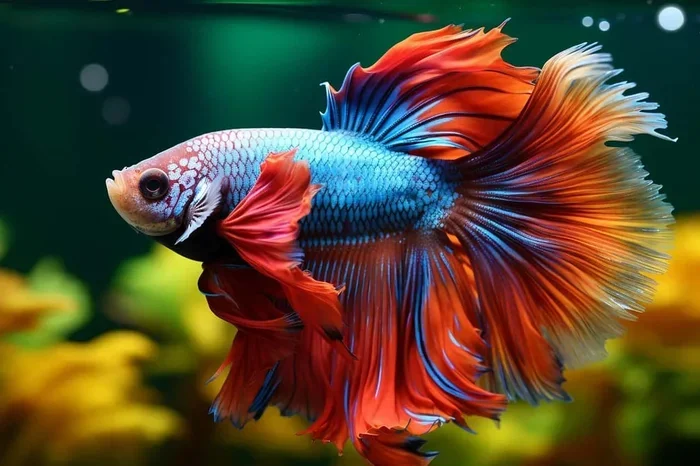
Bettas guard their space. If they see something moving near their territory, they may flare their gills and chase it. This behavior comes from their instincts in the wild. Male bettas, in particular, have long, colorful fins that can trigger a response in curious crabs.
Some bettas are more docile than others. A peaceful betta might ignore a small crab completely. But a more assertive betta may see the crab as a threat. This is why you must always observe your fish before introducing any new tank mate.
What Triggers Aggression in Bettas
- Small tank size: A cramped space makes any betta feel trapped and defensive.
- Bright reflections: Crabs with shiny shells can sometimes trigger a betta’s curiosity or aggression.
- Slow-moving tank mates: Bettas may view slow creatures as easy targets.
- Overcrowding: Too many animals in one tank raises stress levels for everyone.
If your betta already shows signs of aggressive fish behavior, you should think twice before adding a crab. A calm, well-fed betta in a properly sized tank has a much better chance of coexisting peacefully.
Which Crab Species Work Best with Bettas?
Not all crabs are created equal when it comes to sharing a tank with a betta. Some crabs are too large, too aggressive, or need different water conditions. Here are the best options to consider.
Hermit Crabs
Hermit crabs are one of the most popular choices for a betta fish tank. They are small, mostly peaceful, and stay on the move. They do not bother your betta much because they focus on scavenging for food and exploring the tank.
However, hermit crabs need access to both land and water areas. They also need empty shells to move into as they grow. If you are considering this pairing, you might want to read up on can a betta fish live with a hermit crab for more specific tips.
Fiddler Crabs
Fiddler crabs are another option that many aquarists try. They are small and active. Their unique claws make them fun to watch. Fiddler crabs do well in brackish water, which is a mix of fresh and salt water.
Keep in mind that fiddler crabs need a slightly different water setup than bettas. Some bettas can adapt, but it takes careful monitoring. If you want to learn more about this specific pairing, check out this guide on putting a fiddler crab with a betta fish.
Other Crab Options
Small freshwater crabs like vampire crabs and Thai micro crabs can also work in some cases. But each species has its own personality and needs. Always research the specific crab before making a decision. The wrong choice can lead to a stressed betta or a hurt crab.
| Crab Species | Size | Water Type | Betta Compatibility |
|---|---|---|---|
| Hermit Crab | Small | Freshwater | Good |
| Fiddler Crab | Small | Brackish | Moderate |
| Vampire Crab | Small | Freshwater | Moderate |
| Thai Micro Crab | Very Small | Freshwater | Good |
| Red Claw Crab | Medium | Brackish | Poor |
As you can see from the table, the smaller the crab and the closer the water conditions, the better the chances of a successful pairing.
Setting Up the Right Tank for Both Species
A proper aquarium setup is the foundation of a healthy betta and crab environment. Without the right conditions, both species will suffer. Here is how to get it right.
Tank Size
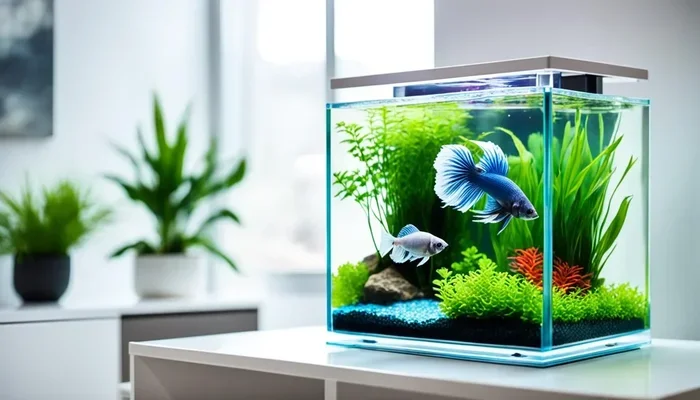
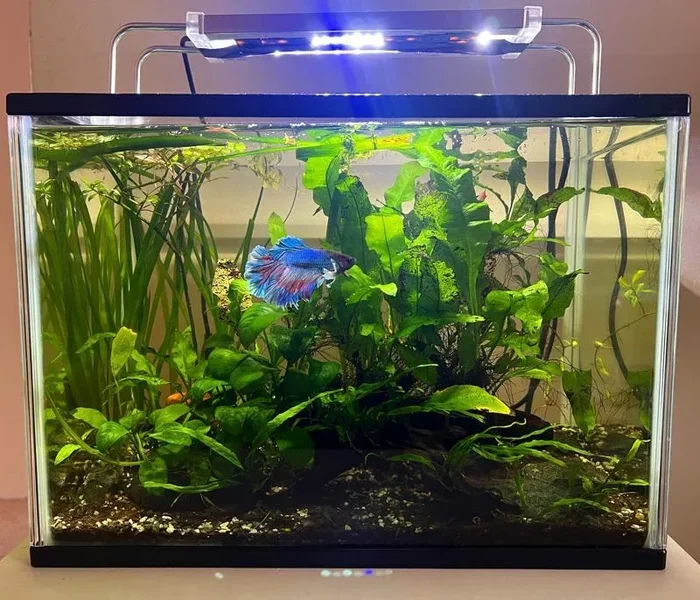
A tank of at least 10 gallons is recommended. Bettas need room to swim, and crabs need space to explore the bottom and climb. A small bowl is not suitable for this kind of community setup. The more space you provide, the less likely there will be conflicts.
Water Parameters
Bettas thrive in warm, clean water with a temperature between 76 and 82 degrees Fahrenheit. The pH should stay between 6.5 and 7.5. Crabs have slightly different needs depending on the species. Freshwater crabs generally prefer the same range as bettas. Brackish crabs need a lower salinity level that still stays safe for your betta.
Always test your water regularly. Use a reliable water parameters kit to check ammonia, nitrite, and nitrate levels. High ammonia is dangerous for both bettas and crabs. A good filter and regular water changes will keep the tank healthy.
Hiding Spots and Decor
Both bettas and crabs love hiding spots. Add caves, plants, and driftwood to give each creature a place to retreat. Live plants are a great addition because they also help maintain water quality. You can read more about using live plants with bettas in our article on adding live water plants with betta fish.
Crabs also need surfaces they can climb on. Rocks and floating wood work well. This keeps them active and reduces stress for both species.
Signs Your Betta and Crab Are Getting Along
After you introduce your crab to the tank, watch closely for the first few days. The first 48 hours are the most important. Here are signs that the pairing is working well.
- No chasing: Your betta ignores the crab or swims past it calmly.
- Normal eating: Both the betta and the crab eat their food without fighting.
- Active behavior: The betta swims freely, and the crab explores without hiding constantly.
- No fin damage: Your betta’s fins remain intact and healthy.
If you notice these signs, you are likely on the right track. A peaceful community tank with a betta and a crab is totally possible when things go well.
Warning Signs You Need to Separate Them
Not every pairing will work out. Sometimes the betta sees the crab as a threat, or the crab pinches the betta’s fins. Watch for these red flags.
- Fin nipping: If your betta’s fins look torn or ragged, the crab may be the cause.
- Constant chasing: A betta that relentlessly pursues the crab is too stressed to share space.
- Crab claw snapping: Crabs use their claws to defend themselves. If the crab targets the betta, it is time to separate them.
- Loss of appetite: Either the betta or the crab stops eating is a sign of stress.
- Hiding all the time: A crab that never comes out or a betta that stays hidden is not comfortable.
If you see any of these signs, move one of the animals to a separate tank right away. It is better to be safe than sorry. You can always try a different pairing later once the tank conditions improve.
Common Mistakes People Make When Keeping Crabs with Bettas
Even experienced fish keepers can make mistakes when introducing a crab to a betta tank. Here are the most common ones to avoid.
Underestimating the Tank Size
Many people think a small bowl is enough for a betta and a crab. It is not. Both animals need room to move and claim their own space. A cramped tank leads to fights and stress.
Ignoring Water Quality
Crabs are sensitive to poor water conditions. If the tank is not filtered or cleaned regularly, both the betta and the crab will get sick. Ammonia spikes are the number one killer in community tanks.
Skipping the Quarantine Period
Always quarantine a new crab before adding it to your betta tank. This gives you time to check for parasites or diseases. It also lets the crab adjust to new water conditions without the added stress of living with a betta right away.
Overfeeding
Extra food sinks to the bottom and fouls the water. Crabs are scavengers, but they still need measured portions. Remove any uneaten food after a few minutes to keep the tank clean.
Expert Tips for a Successful Betta and Crab Pairing
If you have decided to try this pairing, here are some expert-backed tips to increase your chances of success.
- Start with a young betta: Younger bettas tend to be less territorial than older ones.
- Choose a small crab: The smaller the crab, the less threat it poses to your betta.
- Add the crab last: If your tank already has a betta, introduce the crab after the betta has settled in.
- Feed both species separately: Drop food near the betta’s favorite spot and also near the crab’s area to prevent competition.
- Do regular water changes: A 25 percent water change every week keeps conditions stable and healthy.
- Monitor closely for the first two weeks: This is the adjustment period. Watch both animals every day for any signs of trouble.
Remember that every betta has a unique personality. Some are bold and curious. Others are shy and calm. The same goes for crabs. Even with the best setup, there is no guarantee. But with patience and attention, many hobbyists successfully keep these two species together.
If you are also considering other tank mates for your betta, you might want to explore what other creatures can share a tank with your betta for more ideas.
A peaceful aquarium is a rewarding thing to maintain. Watching a betta glide past a crab that is busy exploring the substrate is a truly enjoyable experience. With the right preparation, your tank can become a harmonious home for both species.
Final Thoughts
So, can a crab live with a betta fish? Yes, it is possible with the right choices. Pick a small, peaceful crab species. Set up a tank that is big enough with plenty of hiding spots. Keep the water clean and stable. Watch both animals closely during the first few weeks. If things go well, you will have a fascinating and lively aquarium.
The most important thing is to stay patient and observant. Every tank is different. What works for one fish keeper may not work for another. Learn from your own setup and adjust as needed. Your betta fish and your crab can both thrive together when you put in the effort to get it right.
Start small, do your research, and enjoy the process. Keeping a betta and a crab together is a fun challenge that can teach you a lot about aquatic life. Good luck, and happy fish keeping.
Frequently Asked Questions
Can any type of crab live with a betta fish?
No, not every crab species is suitable. Small freshwater crabs like hermit crabs and Thai micro crabs are the best options. Larger or more aggressive crabs, such as red claw crabs, are not recommended because they can harm your betta.
How big should the tank be for a betta and a crab?
A minimum of 10 gallons is recommended. This gives both the betta and the crab enough room to swim and explore without feeling crowded or threatened.
Do crabs pinch betta fish fins?
Some crabs may pinch betta fins, especially if the betta moves slowly or if the crab feels threatened. Choosing a small, peaceful crab species and providing plenty of hiding spots reduces this risk significantly.
What water conditions do bettas and crabs share?
Both species generally prefer warm water between 76 and 82 degrees Fahrenheit with a pH of 6.5 to 7.5. However, some crabs like fiddler crabs need slightly brackish water, so always research the specific species you plan to keep.
How do I introduce a crab to my betta tank safely?
Quarantine the crab first for about one to two weeks. Then, add it to the tank slowly while watching both animals closely. Feed them separately during the first few days to prevent competition and stress.
What should I do if my betta attacks the crab?
Separate them immediately. Your betta may be too aggressive for tank mates. You can try again later with a different crab species or in a larger tank with more hiding spots, but the safety of both animals comes first.
=== CONCLUSION ===
Keeping a crab with a betta fish is a rewarding experience when done right. The key is choosing compatible species, setting up the proper tank, and monitoring both animals closely. With the right aquarium setup and a little patience, your betta and crab can live together peacefully. Start with small steps, learn as you go, and enjoy building a healthy and happy underwater home for your aquatic pets.