How Big Does a Male Betta Fish Get

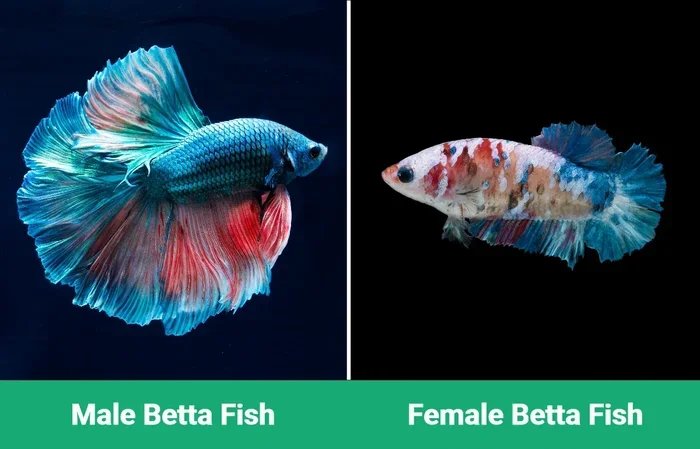
A male betta fish typically grows to about 2.5 to 3 inches in length. Their size depends on factors like tank size, diet, water quality, and genetics. Proper care and a well-maintained aquarium help your betta reach its full growth potential.
A male betta fish is one of the most popular pets in the aquarium world. Their vibrant colors, flowing fins, and curious personalities make them a joy to watch. But one question every new betta owner asks is, “how big does a male betta fish get?” The answer might surprise you. Most males reach about 2.5 to 3 inches in length. However, several factors can influence this. Let us dive deep into everything you need to know about betta fish size, growth stages, and how to help your fish thrive.
Understanding the male betta growth process is key to keeping your fish healthy. Many beginners underestimate what goes into raising a betta properly. Tank size, food quality, water conditions, and even genetics all matter. In this guide, we will cover each of these topics in detail. By the end, you will know exactly what your betta needs to grow to its full potential.
## What Is the Average Size of a Male Betta Fish?
When people ask about how big does a male betta fish get, they usually want a simple number. The average adult male betta fish measures between 2.5 and 3 inches from nose to tail tip. Some individual fish may stretch to 3.5 inches, but this is less common. The size depends heavily on care and environment.
### Growth Stages of a Male Betta Fish
A male betta fish goes through several growth stages during its life. Understanding these stages helps you provide the right care at each phase.
Stage 1: Fry (0 to 1 Month)
When a male betta fish is born, it is tiny. Fry are usually less than a quarter of an inch long. At this stage, they are very fragile. They need warm, clean water and tiny food like infusoria or baby brine shrimp. Growth during this stage is rapid, but the fish is still very small.
Stage 2: Juvenile (1 to 3 Months)
By the time a betta reaches the juvenile stage, it starts developing its color. The fins begin to grow longer. During this period, a male betta fish grows from about 0.5 inches to around 1 inch. This is a critical time for nutrition. High-quality food helps build a strong foundation for future growth.
Stage 3: Adolescent (3 to 6 Months)
The adolescent stage is when the real colors and finnage start showing. A male betta fish at this age is usually around 1.5 to 2 inches. You will notice the fins getting more dramatic and the body filling out. This is also when behavior changes become more noticeable.
Stage 4: Adult (6 Months and Beyond)
A male betta fish is considered fully adult at around 6 months. By this time, most fish have reached their full size of 2.5 to 3 inches. The colors are vibrant, and the fins are fully developed. Some fish may continue to fill out slightly even after this point.
## Factors That Affect Male Betta Fish Size
Not all betta fish grow at the same rate. Several factors determine how big your betta will get. Let us look at each one closely.
### Tank Size and Space
One of the biggest factors in betta fish growth is the tank size. Many people keep bettas in tiny cups or bowls. This is a common mistake. A small tank limits movement and raises stress levels, which can stunt growth. A male betta tank size of at least 5 gallons is recommended. Some experts even suggest 10 gallons for the best results.
A larger tank also means more stable water parameters. Stable water conditions reduce stress. Less stress means better growth. If you want your betta fish to grow properly, give it room to swim.
### Diet and Nutrition
What you feed your betta fish directly impacts its size. A poor diet leads to stunted growth and health problems. On the other hand, a balanced betta fish diet supports healthy development.
Here are some feeding tips:
- Use high-quality betta pellets as the staple food.
- Offer frozen or live foods like bloodworms and brine shrimp as treats.
- Feed small amounts 2 times a day.
- Avoid overfeeding, which can cause bloating and health issues.
- Skip feeding one day per week to help digestion.
A varied diet ensures your betta gets all the nutrients it needs. Think of food as fuel for growth. The better the fuel, the bigger and healthier your fish becomes.
### Water Quality and Parameters
Clean water is essential for a growing betta fish. Poor water quality can lead to diseases and slow growth. The ideal parameters for a male betta fish are:
- Temperature: 78 to 80 degrees Fahrenheit
- pH level: 6.5 to 7.5
- Ammonia: 0 ppm
- Nitrite: 0 ppm
- Nitrate: Below 20 ppm
Regular water changes of 25 to 30 percent per week help maintain these levels. A good filter also makes a big difference. Clean water keeps your fish healthy and promotes steady betta fish growth.
### Genetics and Breeding
Just like people, fish inherit traits from their parents. Some male betta fish are simply bred to be larger and more robust. Others may come from lines that stay smaller. You cannot control genetics, but you can control the environment. The best thing you can do is provide optimal care regardless of your fish’s genetic background.
### Age and Lifespan
The how long does a male betta fish live question is closely tied to size. A betta that lives longer has more time to grow. On average, a well-cared-for male betta fish lives 3 to 5 years. Some even reach 5 to 7 years with excellent care. During those years, steady growth happens in the first 6 months, followed by gradual filling out.
## How Big Should a Betta Fish Tank Be?
Tank size is one of the most discussed topics among betta keepers. Many pet stores sell bettas in tiny cups. This is not ideal. A male betta fish tank should be at least 5 gallons. Here is a quick comparison of tank sizes and what they offer:
| Tank Size | Suitable for Betta? | Benefits |
|---|---|---|
| 1-3 gallons | Not recommended | Too small, unstable water parameters |
| 5 gallons | Minimum recommended | Stable environment, room to swim |
| 10 gallons | Ideal | More space, better water stability |
| 20 gallons or more | Excellent | Room for plants, decor, and enrichment |
A bigger tank gives your betta room to explore and exercise. This directly supports healthy growth. If you are unsure about the right setup, check out our guide on how big a betta fish tank needs to be for detailed recommendations.
## How to Help Your Male Betta Fish Grow to Its Full Size
Helping your betta reach its full size comes down to a few simple practices. Follow these tips to give your fish the best chance at healthy growth.
- Provide a tank of at least 5 gallons. This gives your fish space to move and explore.
- Feed a balanced diet. Mix pellets, flakes, and occasional live or frozen foods.
- Keep the water clean. Perform regular water changes and test parameters often.
- Maintain stable temperatures. Use a heater to keep the water between 78 and 80 degrees Fahrenheit.
- Add plants and hiding spots. Live plants create a natural environment that reduces stress.
- Avoid aggressive tank mates. Stress from other fish can stunt your betta’s growth.
These steps may seem simple, but they make a huge difference. Consistency is key. A stable, clean environment is the foundation of a healthy, well-sized betta fish.
## Common Mistakes That Stunt Betta Fish Growth
Many well-meaning owners accidentally hold back their betta’s growth. Here are the most common mistakes to avoid.
Keeping Your Betta in a Tiny Bowl
A small bowl might look cute, but it is harmful to your fish. Tiny volumes of water fluctuate in temperature and chemistry quickly. This stress stunts growth and shortens lifespan. Always aim for at least a 5-gallon tank.
Overfeeding
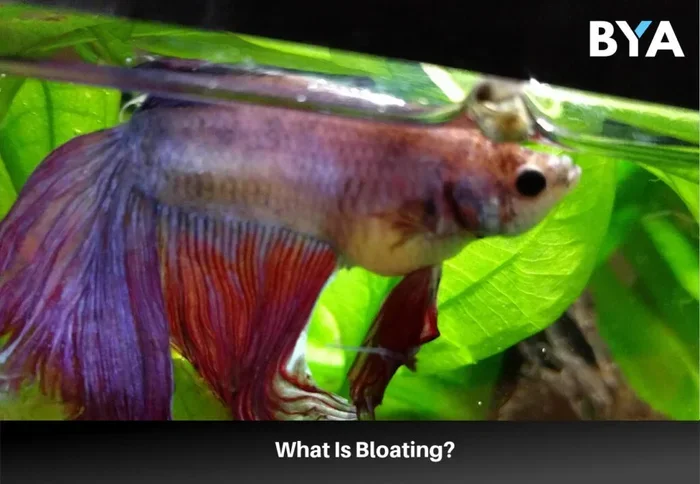
It is tempting to feed your betta too much. Overfeeding leads to obesity and digestive problems. A bloated betta fish may look bigger, but that is not healthy growth. Feed small amounts twice a day and skip one day each week.
Neglecting Water Changes
Dirty water contains harmful toxins. These toxins weaken your fish and slow its growth. A regular maintenance schedule keeps the water clean and safe.
Skipping Enrichment
Bettas are curious fish. A boring tank with no plants or decorations can lead to boredom and stress. Add some plants, caves, or gentle decorations to keep your fish active and engaged.
## Expert Insights on Male Betta Fish Size
Experienced betta keepers agree that environment plays the biggest role in size. According to many breeders, a well-kept male betta fish in a spacious tank with a good diet consistently outperforms those kept in small containers. The betta fish size you see in pet stores is often a result of limited care. Once you give your fish proper space and nutrition, you will see a noticeable difference.
One breeder shared, “I have seen bettas double in size when moved from a small bowl to a 10-gallon tank with a proper diet. The change is remarkable.” This insight shows just how much the environment matters.
## Quick Tips for a Healthy Male Betta Fish
Quick Tips:
- Always use a heater in your betta tank.
- Test water parameters weekly.
- Rotate food types for a balanced diet.
- Keep the tank away from direct sunlight and drafts.
- Watch for signs of stress like faded colors or clamped fins.
- Consider adding live plants for natural filtration and enrichment.
## Conclusion
So, how big does a male betta fish get? The answer is clear: most males reach 2.5 to 3 inches in length when properly cared for. The journey to that size depends on tank size, diet, water quality, genetics, and overall care. By following the tips in this guide, you can help your betta fish reach its full potential. A well-cared-for male betta fish is a healthy, vibrant, and beautiful addition to any home.
If you want to learn more about caring for your betta, check out our article on how to take care of a betta male fish for even more detailed advice. Remember, a happy betta is a healthy betta, and a healthy betta grows to its full size. Give your fish the best environment, feed it well, and enjoy watching it thrive for years to come.
Key Takeaways
- Average Size: Male betta fish grow to about 2.5 to 3 inches long, with some reaching slightly larger sizes.
- Growth Factors: Tank size, diet, water quality, and genetics all play a role in how big your betta gets.
- Tank Requirements: A minimum tank size of 5 gallons is recommended for a single male betta fish.
- Diet Matters: Feeding a balanced diet of high-quality pellets, flakes, and occasional treats supports healthy growth.
- Lifespan Connection: A well-cared-for male betta fish can live 3 to 5 years, giving it time to reach full size.
- Common Mistakes: Overcrowding tanks and poor nutrition are the biggest reasons bettas stay small.
Frequently Asked Questions
How big does a male betta fish get in inches?
A male betta fish typically grows to about 2.5 to 3 inches in length. Some individuals may reach slightly larger sizes depending on their care and genetics.
What is the maximum size a male betta fish can reach?
The maximum size for a male betta fish is usually around 3.5 inches. This is rare and typically only seen in fish that receive excellent care, a large tank, and a high-quality diet.
How long does it take for a male betta fish to reach full size?
A male betta fish reaches its full size within 6 to 8 months of age. During this time, rapid growth happens in the first few months, followed by gradual filling out.
Can tank size affect how big a betta fish gets?
Yes, tank size plays a significant role in betta fish growth. A tank that is too small can cause stress and stunt growth. A tank of at least 5 gallons is recommended for healthy development.
Does diet affect the size of a male betta fish?
Absolutely. A balanced diet of high-quality pellets, flakes, and occasional live or frozen foods supports proper growth. Overfeeding or underfeeding can negatively impact size and health.
How does a male betta fish’s lifespan relate to its size?
A male betta fish that lives longer has more time to grow. With proper care, bettas can live 3 to 5 years, giving them enough time to reach their full size of 2.5 to 3 inches.