Can a Black Moor Goldfish Live with a Betta Fish
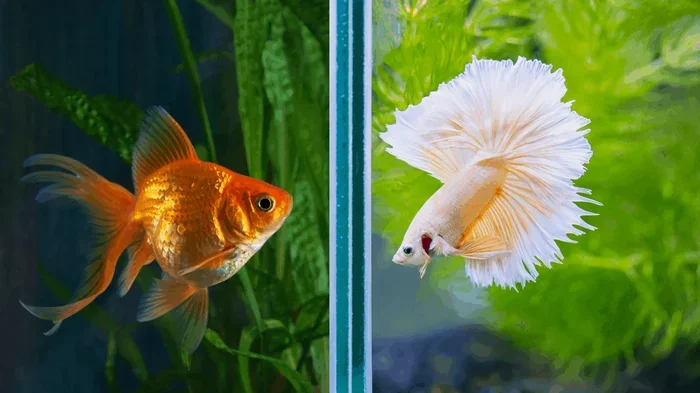
Can a black moor goldfish live with a betta fish? It is generally not recommended because these two species have very different temperature needs, behavior styles, and waste output levels. While some hobbyists have tried it, the risks of stress, disease, and aggression are high. This guide breaks down everything you need to know before putting them together.
Many fish keepers dream of creating a beautiful community tank that combines the stunning flowing fins of a betta with the unique, telescope-eyed charm of a black moor goldfish. The idea is tempting. These two fish look incredible on their own, and imagining them swimming together in one tank can feel like the perfect aquatic setup. But before you fill that tank and add both fish, you need to understand the real risks involved.
The short answer to whether a black moor goldfish live with a betta fish is possible is: technically yes, but it is not ideal. The long answer involves water temperature, temperament, tank size, and a whole lot of monitoring. In this guide, we will walk through every factor you need to consider. By the end, you will know whether this pairing is right for your aquarium or whether you should choose a different setup.
If you have been searching for “can a black moor goldfish live with a betta fish,” you are in the right place. This article covers everything from water parameters to compatibility tips. Let us dive in and get you the answers you need.
Key Takeaways
- Temperature clash: Black moors need cooler water (65-72°F) while bettas thrive in warmer water (76-82°F), making shared tanks difficult.
- Different swimming levels: Black moors are top-to-mid dwellers, while bettas also prefer the upper levels, causing territorial conflicts.
- Waste production: Goldfish produce significantly more waste than bettas, which can spike ammonia levels quickly.
- Fin nipping risk: Bettas may attack the flowing fins of black moors, and goldfish may nibble on betta fins too.
- Tank size matters: A minimum of 30 gallons is needed if you attempt to house them together.
- Alternative tank mates: There are better options for both species if cohabitation is not ideal.
- Monitoring is essential: If you do try it, constant observation and water testing are non-negotiable.
📑 Table of Contents
Understanding the Black Moor Goldfish
The black moor goldfish is one of the most popular fancy goldfish varieties. Known for its deep black color and protruding telescope eyes, this fish adds a dramatic look to any tank. But what many new fish keepers do not realize is that black moors have specific needs that can clash with other species.
Physical Characteristics and Behavior
Black moors typically grow between 6 and 8 inches in captivity. They are slow swimmers compared to many other fish. Their telescope eyes actually limit their vision, which makes them vulnerable to faster tank mates. They tend to swim in the middle to upper parts of the tank, which is a key detail we will come back to when discussing betta compatibility.
These goldfish are generally peaceful. They do not show aggression toward other fish in most cases. However, their slow swimming speed means they may struggle to compete for food. This is an important factor when housing them with more active or aggressive species.
Water Temperature Preferences
Black moors are coldwater fish. They thrive in temperatures between 65 and 72 degrees Fahrenheit. This is significantly cooler than what most tropical fish need. The cooler water range is one of the biggest challenges when trying to pair a black moor with a betta fish.
Goldfish in general are hardy, but they still need stable conditions. Sudden temperature swings can cause stress and lead to illness. If you are serious about keeping a black moor, you need to maintain consistent water parameters. You can read more about goldfish care and compatibility in our guide on can betta fish live with black moors.
Understanding the Betta Fish
The betta fish, also known as the Siamese fighting fish, is one of the most popular freshwater aquarium fish in the world. Their vibrant colors and flowing fins make them a favorite among hobbyists. But bettas have a reputation for being territorial, and this reputation is well-earned.
Betta Temperament and Aggression
Male bettas are particularly aggressive toward fish with long, flowing fins. They see these fish as rivals. This instinct can trigger fin nipping and chasing behavior. Female bettas are generally less aggressive, but they can still show territorial tendencies, especially in smaller tanks.
Bettas prefer warmer water temperatures, typically between 76 and 82 degrees Fahrenheit. This is a fundamental difference from black moors, and it creates a significant challenge for any attempt at cohabitation.
Betta Fish Tank Mates
Not all fish make good companions for bettas. The best tank mates are species that occupy different swimming levels, have short fins, and thrive in similar water conditions. When you look at the betta fish tank mates landscape, goldfish rarely make the list. The temperature and behavioral differences are simply too large. For a deeper look at goldfish compatibility with bettas, check out our article on can betta fish live with a goldfish.
Can a Black Moor Goldfish Live with a Betta Fish?
This is the question at the heart of this guide. The honest answer is that it is risky and not recommended for most fish keepers. However, understanding exactly why helps you make an informed decision.
The Temperature Problem
The temperature difference between black moors and bettas is the biggest obstacle. Black moors prefer cooler water around 65 to 72°F. Bettas need warmer water around 76 to 82°F. Keeping a tank at a temperature that satisfies both species is nearly impossible. If you set the temperature for the betta, the black moor may become sluggish and develop health issues. If you set it for the goldfish, the betta may become stressed and develop fin rot or other illnesses.
Some hobbyists try to split the difference, aiming for around 74°F. While this might seem like a compromise, it is not ideal for either fish. Both species thrive best in their preferred temperature range, and pushing them outside that range can shorten their lifespan.
The Swimming Level Conflict
Both black moors and bettas tend to swim in the upper and middle parts of the tank. This overlap in territory can lead to constant encounters and stress. Bettas are known to claim the upper sections of a tank as their territory. When another fish, especially one with long fins like a black moor, enters that space, the betta may respond with aggression.
Black moors are also slow swimmers. This means they cannot easily escape a chasing betta. The result can be a stressed goldfish that stops eating, hides constantly, or develops physical injuries from chasing.
Waste Production and Water Quality
Goldfish are messy eaters and produce a lot of waste. A single black moor goldfish can produce more ammonia than a betta fish in the same tank. Ammonia spikes are dangerous for both species, but bettas are particularly sensitive to poor water quality.
If you attempt this pairing, you need a powerful filtration system and a large tank. A tank of at least 30 gallons is recommended, though bigger is always better. Regular water changes of 25 to 30 percent per week are essential. You should test the water parameters frequently to catch any ammonia or nitrite spikes early.
Risks of Housing a Black Moor with a Betta
Before you decide to put these two fish together, it is important to understand the specific risks involved. This is not a beginner-friendly pairing, and even experienced aquarists should think carefully before attempting it.
Fin Damage and Fin Rot
Bettas may nip at the long, flowing fins of a black moor goldfish. This behavior can cause physical damage that leads to infections and fin rot. Fin rot is a bacterial infection that can be fatal if left untreated. Even if the betta does not directly attack the goldfish, the stress of being chased can weaken the goldfish’s immune system, making it more susceptible to disease.
Stress and Reduced Lifespan
Chronic stress is one of the biggest dangers of keeping incompatible fish together. A stressed fish is more prone to illness, has a weaker immune response, and may not eat properly. Over time, this can significantly shorten the lifespan of both the black moor and the betta. A healthy black moor can live 10 to 15 years in the right conditions, and a betta can live 3 to 5 years. Stress undermines both of those timelines.
Disease Transmission
Goldfish and bettas can carry different diseases that may not affect their own species but can be harmful to the other. Goldfish are more prone to certain parasites and bacterial infections that thrive in cooler water. When these pathogens are introduced into a warmer tank environment, they can spread quickly and become difficult to treat.
If you ever need to treat one fish for illness, you will need to quarantine it. Treating fish in a shared tank can harm the other fish, especially since medications may affect goldfish differently than bettas.
Better Tank Mate Options for Each Species
If you are set on keeping a black moor or a betta but want a safer community setup, there are much better options available.
Best Tank Mates for Black Moors
- Other fancy goldfish: Black moors do well with other slow-swimming fancy goldfish like orandas, ranchus, and telescope goldfish.
- White cloud mountain minnows: These small fish prefer cooler water and are fast enough to avoid goldfish attention.
- Zebra danios: They are active but peaceful and can tolerate cooler temperatures.
Best Tank Mates for Betta Fish
- Neon tetras: They stay in the lower and middle parts of the tank and prefer warmer water.
- Corydoras catfish: These bottom dwellers stay out of the betta’s territory and are peaceful.
- Ghost shrimp: They are low-maintenance and rarely bother bettas.
For a more complete guide on betta companions, you can explore our article on can betta fish live in a tank with goldfish to understand why goldfish are generally not the best choice.
What If You Still Want to Try It?
Some aquarists are determined to attempt this pairing despite the risks. If you are one of them, there are steps you can take to reduce the danger. However, you should go in with realistic expectations and be prepared to separate the fish at any time.
Tank Setup Recommendations
- Start with a large tank: At least 30 gallons, ideally 40 gallons or more. More space means less territorial conflict.
- Add plenty of plants and decorations: Live plants and caves give both fish places to hide and claim as their own territory.
- Use a strong filter: A canister filter or hang-on-back filter rated for a tank larger than yours will help manage the goldfish waste.
- Monitor water parameters daily: Test for ammonia, nitrite, and nitrate levels every day, especially in the first few weeks.
- Feed separately: Make sure the black moor gets enough food without competition from the betta. Use sinking pellets for the goldfish and floating pellets for the betta.
Signs You Need to Separate the Fish
- The betta constantly chases the black moor.
- The black moor stops eating or hides all the time.
- You notice fin damage on either fish.
- Water parameters become unstable despite regular maintenance.
- Either fish shows signs of illness like clamped fins, lethargy, or loss of color.
If you notice any of these signs, separate the fish immediately. It is always better to be safe than sorry when it comes to the health of your fish.
Final Thoughts on Black Moor Goldfish and Betta Fish Together
The idea of a black moor goldfish sharing a tank with a betta fish sounds beautiful in theory. In practice, it is a challenging pairing that requires careful planning, constant monitoring, and a willingness to separate the fish if things go wrong. The temperature differences alone make this a difficult combination to maintain successfully.
For most fish keepers, especially beginners, it is better to choose tank mates that share similar water parameter needs and behavior patterns. Both black moors and bettas are wonderful fish on their own. Giving each species the right environment will help them thrive and live longer, healthier lives.
Remember, the goal of keeping fish is to create a safe and enjoyable environment for them. Sometimes that means accepting that certain fish are better off in separate tanks. If you have any experience with this pairing, we would love to hear about it in the comments below.
For more information on compatible fish options, check out our guide on can a goldfish live with a betta fish for additional insights and tips.
Frequently Asked Questions
Can a female betta fish live with a black moor goldfish?
Female bettas are generally less aggressive than males, which makes them a slightly better candidate for community tanks. However, the temperature difference between female bettas and black moors remains a significant challenge. Even with a female betta, you would still need to manage water parameters carefully and monitor interactions daily.
What size tank do I need if I want to keep a black moor and a betta together?
A minimum of 30 gallons is recommended for this pairing. A larger tank, around 40 gallons or more, gives both fish more space to establish their own territories and reduces the chances of constant confrontation. More water volume also helps dilute waste and maintain stable water parameters.
Do black moors and bettas eat the same food?
Both species are omnivores, so they can eat similar foods. However, black moors are slow swimmers and may struggle to compete for floating food. It is best to feed sinking pellets to the goldfish and floating pellets to the betta to ensure both fish get enough to eat without conflict.
Can a black moor goldfish live with a betta fish in a pond?
Outdoor ponds can offer more space and natural conditions that may help reduce stress. However, temperature fluctuations in outdoor ponds can be unpredictable, and the fundamental needs of these two species still differ. If you live in a climate with mild temperatures, a large pond setup might work better than an indoor tank, but caution is still advised.
How can I tell if my betta is stressed by the black moor?
Signs of stress in bettas include clamped fins, loss of color, hiding frequently, refusing to eat, and aggressive flaring at the goldfish. If you notice any of these behaviors, it is important to monitor the situation closely and consider separating the fish to prevent long-term health issues.
Are there any goldfish that are better suited to live with bettas?
Generally, goldfish and bettas are not ideal tank mates due to temperature and behavioral differences. However, if you are set on mixing the species, smaller goldfish varieties like celestial eye goldfish or tosakin goldfish may pose slightly fewer risks due to their size and swimming patterns. Still, careful research and preparation are essential before attempting any goldfish-betta pairing.