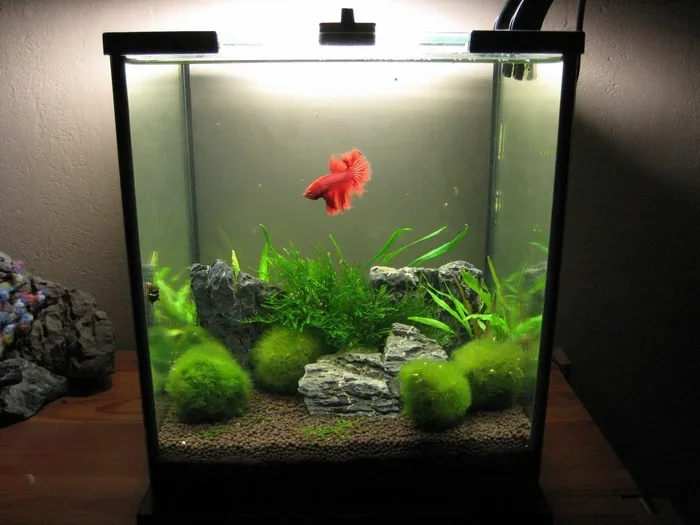
Can 2 Betta Fish Live in a 5 Gallon Tank
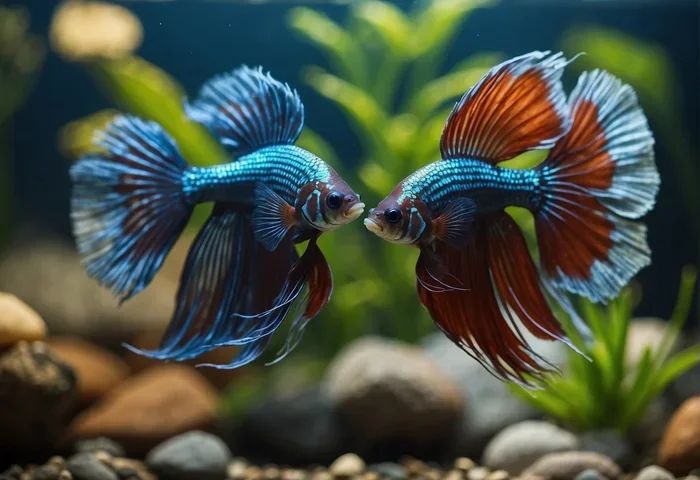
So, can 2 betta fish live in a 5 gallon tank? The short answer is it depends. While a 5 gallon tank is a popular choice for a single betta, housing two bettas in this space can be risky. Betta fish aggression, limited swimming room, and poor water quality are real concerns. In this guide, we break down everything you need to know about betta fish housing, compatibility, and how to set up the best tank for your fish.
So you are wondering if you can keep two betta fish in a 5 gallon tank? Maybe you just bought a cute little tank and want to add a second fish. Or perhaps you heard that female bettas can live together and thought, why not? Before you rush out and buy another betta, there are some important things you need to know.
The truth is, can 2 betta fish live in a 5 gallon tank is not a simple yes or no question. It depends on the gender of the fish, their personalities, the tank setup, and how well you manage the water. In this guide, we will walk you through every detail so you can make the best decision for your fish.
We will cover why tank size matters, what happens when bettas fight, and how to set up a tank that gives your fish the best chance at living together peacefully. Let us dive right in.
Key Takeaways
- Two male bettas cannot coexist in a 5 gallon tank: Male bettas are highly territorial and will fight aggressively in small spaces.
- A female betta sorority may work in a 5 gallon tank: However, it is risky and requires careful planning, plenty of hiding spots, and close monitoring.
- Tank size matters for betta happiness: A 5 gallon tank meets minimum requirements for one betta but is tight for two fish.
- Water quality degrades faster with more fish: Two bettas in a small tank produce more waste, leading to ammonia and nitrite spikes.
- Proper tank setup can help: Heavy planting, plenty of hiding spots, and careful fish selection improve success rates.
- A larger tank is always better: If you want two bettas, consider upgrading to at least 10 gallons for safer cohabitation.
- Not all betta pairs are compatible: Individual temperament plays a big role in whether two bettas can live together peacefully.
📑 Table of Contents
- Why Tank Size Matters for Betta Fish
- Can Two Male Betta Fish Live Together in a 5 Gallon Tank?
- Can Female Betta Fish Live Together in a 5 Gallon Tank?
- Water Quality Concerns with Two Bettas in a Small Tank
- Better Alternatives to a 5 Gallon Tank for Two Bettas
- Tips for Keeping Two Betta Fish Together Successfully
- Common Mistakes People Make When Housing Two Bettas
- Expert Insights on Betta Fish Housing
- Conclusion: Can 2 Betta Fish Live in a 5 Gallon Tank?
Why Tank Size Matters for Betta Fish
Betta fish may be small, but they need space. A 5 gallon tank is often recommended as the minimum size for a single betta. That gives one fish enough room to swim, explore, and claim a territory without feeling cramped.
But when you add a second betta into the mix, things get tight. Each fish needs its own space to retreat to. Without enough room, stress levels go up and aggression flares fast.
The Problem with a 5 Gallon Tank for Two Fish
A 5 gallon tank gives roughly 192 square inches of surface area. That sounds okay for one fish. But two bettas need room to establish territories. In a small tank, there is nowhere to escape. One betta will corner the other constantly.
Here are some specific issues with keeping two bettas in a 5 gallon tank:
- Limited swimming space: Bettas are active swimmers. They need room to move around freely.
- No escape routes: A small tank offers no hiding spots that are far enough away from an aggressive fish.
- Territory overlap: In a tiny space, two bettas will have overlapping territories. This leads to constant confrontation.
- Stress and health problems: Stressed bettas stop eating, fade in color, and become more prone to diseases like ich and fin rot.
If you are set on keeping more than one betta, many experts recommend checking out can a betta fish live in a 30 gallon tank for ideas on larger setups that give your fish much more room to thrive.
Can Two Male Betta Fish Live Together in a 5 Gallon Tank?
The short answer is no. Two male betta fish should never be kept together in a 5 gallon tank. Or any tank, for that matter. Male bettas are known as Siamese fighting fish for a reason. They are born to fight.
Why Male Bettas Fight
Male bettas are extremely territorial. In the wild, each male claims a small patch of water and defends it fiercely. When you put two males together, they see each other as intruders. They will flare their gills, display their fins, and attack until one fish is badly injured or dead.
Even in a large tank, two male bettas rarely get along. In a 5 gallon tank, the fighting is even worse because there is no space to separate. One fish will not be able to get away from the other.
What Happens When They Fight
Betta fights can be quick and brutal. Here is what you might see:
- Fin nipping: One or both fish will bite off pieces of each other’s fins.
- Biting: Bettas will bite each other, sometimes drawing blood.
- Chasing: One fish will relentlessly pursue the other around the tank.
- Stress marks: The losing fish may develop dark vertical bars on its body, a sign of extreme stress.
- Death: In the worst cases, one fish may not survive the encounter.
Even if the fight seems minor at first, it almost always escalates. Do not leave two male bettas unsupervised in any tank, especially a 5 gallon one.
Can Female Betta Fish Live Together in a 5 Gallon Tank?
Now we get to the trickier part. Female bettas are often called betta sorority fish because they can sometimes live together in groups. But can two female bettas live in a 5 gallon tank?
The honest answer is it is risky. Some experienced keepers have managed it, but it requires the perfect setup and a lot of monitoring. A 5 gallon tank is really on the smaller side for even a female betta pair.
The Challenges of a Female Betta Pair
Female bettas are less aggressive than males, but they can still fight. Here are the main challenges:
- Personality differences: Some female bettas are naturally more aggressive. There is no way to know until they are in the tank together.
- Limited hiding spots: A 5 gallon tank does not leave much room for plants, caves, and decorations that break line of sight.
- Pecking order battles: Even friendly female bettas will establish a pecking order. This can involve chasing and nipping.
- Injury risk: If one fish is significantly more dominant, the other may be bullied constantly.
How to Improve the Odds
If you still want to try keeping two female bettas in a 5 gallon tank, here are some tips to give them the best chance:
- Add plenty of plants: Live or fake plants break up the tank visually. This helps reduce territorial behavior.
- Use caves and hiding spots: Add at least two or three caves so each fish has a retreat.
- Feed well: A well-fed betta is less likely to fight over food. Feed multiple small meals throughout the day.
- Watch closely: Monitor the fish for at least the first few hours every day. Look for signs of bullying or injury.
- Have a backup plan: Always have a spare tank ready in case one fish needs to be removed immediately.
For more information about keeping bettas in different tank sizes, you might find can betta fish live in a one gallon tank helpful for understanding minimum space needs.
Water Quality Concerns with Two Bettas in a Small Tank
One of the biggest problems with keeping two bettas in a 5 gallon tank is water quality. More fish means more waste. And in a small tank, waste builds up fast.
The Nitrogen Cycle in a Small Tank
Every fish produces waste that turns into ammonia. In a healthy tank, beneficial bacteria convert ammonia into nitrite and then into nitrate. But this process takes time. In a 5 gallon tank, the nitrogen cycle is much more fragile.
With two bettas, the bioload is essentially doubled. Here is what can happen:
- Ammonia spikes: Ammonia is toxic to fish, even in small amounts. It burns the gills and damages organs.
- Nitrite buildup: Nitrite is less toxic than ammonia but still harmful. It reduces the blood’s ability to carry oxygen.
- Nitrate accumulation: Nitrates are less dangerous but still cause stress and health problems at high levels.
- Algae blooms: Excess nutrients feed algae, which can cloud the water and consume oxygen at night.
How to Maintain Water Quality
If you keep two bettas in a 5 gallon tank, you need to stay on top of water maintenance:
- Test water weekly: Use a liquid test kit to check ammonia, nitrite, nitrate, and pH levels.
- Do partial water changes: Change 25-50% of the water every week. In a small tank, this makes a huge difference.
- Vacuum the gravel: Remove debris from the substrate during water changes.
- Do not overfeed: Uneaten food decays and adds to the waste load. Feed only what the fish can eat in two minutes.
- Consider a small filter: While bettas can live without filters, adding a gentle filter helps with water quality in a busy tank.
For more on this topic, check out how long do betta fish live in a 5 gallon tank for insights on maintaining healthy water conditions.
Better Alternatives to a 5 Gallon Tank for Two Bettas
If you really want two bettas, the best thing you can do is upgrade the tank. A larger tank gives your fish more space, better water quality, and more room for decorations. Here is a comparison of tank sizes and what they offer:
| Tank Size | Best For | Two Bettas? |
|---|---|---|
| 5 gallons | One betta | Not recommended |
| 10 gallons | One betta or female sorority | Possible with setup |
| 20 gallons | Female sorority | Good option |
| 30 gallons | Community or sorority | Best option |
Why a 10 Gallon Tank Is a Better Choice
A 10 gallon tank doubles the space. This gives each betta enough room to claim a territory without constantly bumping into the other. You can also add more plants, caves, and visual barriers to break up sight lines.
Water quality is also easier to maintain. The extra water volume dilutes waste more effectively, giving you a bigger buffer against ammonia and nitrite spikes.
What About a Community Tank?
Another option is to keep one betta in a community tank with other peaceful fish. Species like neon tetras, corydoras catfish, and snails can coexist with bettas. This gives your betta plenty of space while adding tank mates for entertainment.
If you are curious about compatible tank mates, read which fish can live with betta fish in a tank for a comprehensive guide.
Tips for Keeping Two Betta Fish Together Successfully
If you have decided to try keeping two bettas together, here are some expert tips to maximize your chances of success.
1. Choose the Right Pair
Not all bettas are the same. Some are naturally calm, while others are feisty from birth. If possible, observe the fish before adding them together. A calm betta paired with another calm betta has the best chance of coexisting.
2. Set Up the Tank Before Adding Fish
Make sure the tank is fully cycled and decorated before you introduce any bettas. A cycled tank means the beneficial bacteria are already established. Plenty of plants and decorations reduce aggression by breaking up territories.
3. Introduce Them Carefully
Do not just drop two bettas into a tank and walk away. Here is a better approach:
- Use a divider: Place the fish on opposite sides of the tank with a clear divider. Let them see each other without physical contact for a few days.
- Feed at the same time: This creates a positive association with the other fish’s presence.
- Remove the divider gradually: After a few days, remove the divider and watch closely for signs of aggression.
- Be ready to intervene: Keep a net nearby. If one fish is being attacked, remove it immediately.
4. Monitor Daily
Even after the initial introduction, keep watching your fish every day. Look for these warning signs:
- Clamped fins: A stressed betta holds its fins close to its body.
- Hiding constantly: If one fish never comes out, it is being bullied.
- Color fading: Stressed bettas lose their vibrant colors.
- Bites and wounds: Any visible injury means the fish need to be separated.
- Not eating: A fish that stops eating is in serious trouble.
5. Maintain Excellent Water Conditions
Two bettas in a small tank need extra attention to water quality. Test the water at least twice a week. Perform regular water changes. A clean, healthy tank keeps your fish calm and reduces the chance of disease.
Common Mistakes People Make When Housing Two Bettas
Many beginners make avoidable mistakes when trying to keep two bettas together. Here are the most common ones to watch out for.
Buying Two Males
This is the biggest mistake. Two male bettas in any tank will fight. It is not a matter of if but when. Never put two male bettas together, regardless of tank size.
Using a Tank That Is Too Small
A 5 gallon tank is already tight for one betta. Adding a second fish makes it worse. Always err on the side of a larger tank if you plan to keep more than one betta.
Ignoring Early Warning Signs
Many people see the first chase or flare and think it is normal. While some initial posturing is expected, ongoing aggression is not. Do not ignore the signs. Separate the fish before serious injury occurs.
Overcrowding With Other Fish
Some people add two bettas and then throw in extra fish to fill the tank. This is a recipe for disaster. A 5 gallon tank is already at capacity with two bettas. Adding more fish creates toxic water conditions and massive stress.
Neglecting Water Changes
A busy tank needs more frequent water changes. If you are not willing to do weekly 30-50% water changes, you should reconsider keeping two bettas in a small tank.
Expert Insights on Betta Fish Housing
Professional aquarists and betta breeders generally advise against keeping two bettas in a 5 gallon tank. Most recommend at least a 10 gallon setup for any attempt at cohabitation. Some experienced keepers even prefer 20 gallon long tanks for a betta sorority.
The main reason is predictability. In a larger tank, you can create distinct territories. Each fish has its own zone with plants, caves, and feeding spots. This reduces conflict significantly. In a 5 gallon tank, there is simply not enough room to create those boundaries.
One well-known aquarist once said, “A happy betta is a healthy betta, and a healthy betta needs space.” This simple truth should guide all your decisions about tank size and housing.
Conclusion: Can 2 Betta Fish Live in a 5 Gallon Tank?
So, can 2 betta fish live in a 5 gallon tank? The answer depends on your situation. Two male bettas should never share any tank. Two female bettas might survive, but the risk is high in a 5 gallon space.
The best approach is to give your bettas the space they deserve. A 10 gallon or larger tank makes a huge difference. You can still keep two bettas, but you need the right setup, careful monitoring, and a willingness to separate them if things go wrong.
Remember, your fish depend on you for their well-being. Do not let a small tank limit their quality of life. Make the smart choice, set up the tank properly, and enjoy watching your bettas thrive.
Frequently Asked Questions
Can two male betta fish survive in a 5 gallon tank together?
No, two male betta fish should never be kept together in any tank size. Male bettas are highly territorial and will fight aggressively. In a 5 gallon tank, there is no room to escape, making the fighting even more dangerous. One fish may be seriously injured or killed.
Are two female bettas safer in a 5 gallon tank than males?
Female bettas are less aggressive than males, but keeping two in a 5 gallon tank is still risky. They may chase, nip, or bully each other. The small space leaves no room for a weaker fish to hide. If you try this, add plenty of plants and watch the fish closely at all times.
What is the minimum tank size for two betta fish?
Most experts recommend at least a 10 gallon tank for two bettas. A 10 gallon tank gives enough space for territories, hiding spots, and better water quality. A 5 gallon tank is really only suitable for a single betta. If you want two bettas, upgrading the tank is the safest option.
How can I tell if my bettas are getting along?
Healthy betta behavior includes exploring the tank, eating well, displaying bright colors, and swimming freely. Signs of stress include clamped fins, hiding all the time, fading colors, not eating, and visible bite marks. If you see any of these, separate the fish immediately and reassess your setup.
Can I use a divider to keep two bettas in a 5 gallon tank?
A divider can work as a temporary solution. It lets the fish see each other without direct contact. However, in a 5 gallon tank, even with a divider, each side is still very small. The fish may still feel stressed by the constant proximity. A larger tank with a removable divider is a much better option.
What other fish can live with bettas in a small tank?
In a small tank, it is best to stick with one betta only. However, some peaceful species like ghost shrimp, snails, or a single corydoras catfish can sometimes coexist with a betta in a 5 gallon tank. Always research compatibility before adding any tank mates. For more options, check can betta fish live in a tank with other fish for detailed guidance.