Are Longer Fishing Rods Better
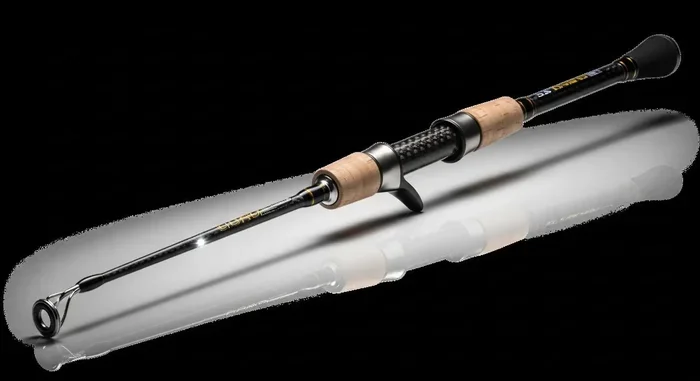
Longer fishing rods give you more casting distance and better line control, but they are not always the best choice for every situation. The right rod length depends on where you fish, what species you target, and your personal casting style. This guide covers everything you need to know about choosing between longer and shorter rods.
Fishing rods come in all shapes and sizes. One question anglers ask more than any other is whether longer rods really perform better. The answer is not a simple yes or no. Rod length changes how you cast, how you fight fish, and how comfortable you feel on the water.
If you have ever stood on a shoreline wondering whether you should upgrade to a longer setup, you are in the right place. This guide breaks down everything about fishing rod length. We will look at the real benefits, the hidden drawbacks, and how to pick the right size for your next trip.
Many beginners grab whatever rod is on sale without thinking about length. That is a mistake. The length of your rod affects your casting distance, your accuracy, and even the type of fish you can catch. Shorter rods give you precision. Longer rods give you reach. Both have a place in your tackle box.
## What Makes Fishing Rod Length Matter So Much?
The length of a fishing rod changes everything about how it performs. A longer rod acts like a longer lever. It gives you more power and more casting distance. A shorter rod acts like a shorter lever. It gives you more control and better accuracy.
When you hold a longer rod, your hands are farther apart. This extra leverage helps you pull line off the reel faster. It also lets you set the hook with more force. That matters when you are fighting a strong fish like a bass or a catfish.
But length is not just about power. It also changes how your rod bends. A longer rod has a different rod action than a shorter one. The bend affects how your lure moves through the water. It changes how sensitive the rod feels. Understanding this connection is the first step toward choosing the right gear.
### How Rod Length Affects Your Casting Distance
Longer rods cast farther. This is one of the most well-known facts in fishing. A rod that is 7 feet or longer can launch a lure much further than a 6-foot rod. The extra length builds more energy during your cast. That energy transfers directly into distance.
This matters when you are fishing open water. If fish are holding 40 yards from shore, a longer rod helps you reach them. It also helps when you need to get your lure past obstacles like rocks or fallen trees.
But distance comes with a trade-off. Longer rods are harder to control. Your casts may sail past your target. You need more practice to make long rods accurate. If you are fishing tight cover, a rod over 7 feet might feel clumsy.
### How Rod Length Affects Sensitivity
Rod sensitivity is another big reason length matters. Longer rods let you feel more of what is happening at the end of your line. You can detect subtle bites that shorter rods might miss. This is especially true when you are fishing with soft plastics or live bait.
The reason is simple physics. A longer rod has more surface area. It picks up vibrations from the water more easily. Those vibrations travel up the blank and into your hands. You feel every nibble, every bump, and every movement.
For anglers who want to stay connected to the fish, longer rods are a real advantage. They give you a better sense of what is happening below the surface. This is why many baitcasting setup enthusiasts prefer longer rods for finesse techniques.
## The Advantages of Longer Fishing Rods
Longer rods are not just for distance casters. They offer a wide range of benefits that many anglers overlook. Let us look at the biggest advantages of going with a longer rod.
### Greater Casting Distance
This is the number one reason people choose longer rods. If you fish from the bank or a high pier, extra distance can be a game changer. You can reach spots that are impossible with a short rod. A telescopic fishing rod in the 8 to 10 foot range is popular for this purpose.
Longer rods also help you get your lure into the strike zone faster. When fish are scattered in open water, reaching them quickly saves time. More casts in less time means more chances to hook up.
### Better Line Control
Longer rods give you more control over your line. You can guide your lure with greater precision over long distances. This is helpful when you are working a crankbait along a shoreline or dragging a jig over deep structure.
The extra length also helps you manage your line during fights. When a fish runs, a longer rod absorbs more of the shock. It gives you more leverage to steer the fish away from structure. This reduces the chance of losing your catch.
### Improved Hook Setting
Longer rods set hooks harder. The extra leverage means you can drive the hook deeper with less effort. This is a big advantage when you are fishing with circle hooks or when the fish are biters. A quick, strong hook set saves you from losing fish at the critical moment.
For species that require a firm hook set, like walleye or pike, a longer rod can make a real difference. You feel more connected to the strike, and your hook penetration is stronger.
## When Shorter Rods Actually Win
Longer rods are great, but they are not always the best choice. There are plenty of situations where a shorter rod outperforms a longer one. Smart anglers know when to switch to a shorter setup.
### Better Accuracy in Tight Spaces
Shorter rods are more accurate. When you are fishing under overhanging trees or along a narrow creek bank, you need precision. A rod that is 6 feet or shorter lets you place your lure exactly where you want it. You can work tight cover without getting snagged.
Kayak anglers especially benefit from shorter rods. A shorter rod kayak fishing setup gives you better maneuverability inside the boat. You have more room to move, and your casts stay controlled. If you have ever tried casting a 9-foot rod from a tiny kayak, you know how cramped it can get.
### Easier Handling for Beginners
New anglers often do better with shorter rods. They are lighter and easier to handle. You do not need as much strength or technique to make a good cast. Shorter rods build confidence. They let beginners focus on their form without feeling overwhelmed by a long, unwieldy setup.
Kids also do well with shorter rods. A compact rod matches their height and arm length. It makes learning to cast much more fun and less frustrating.
### Better for Short-Range Techniques
Some fishing techniques do not need distance at all. Drop shotting, ned rigging, and shaking jigs work best at close range. A shorter rod gives you the control you need for these finesse techniques. You can make precise presentations without overshooting your target.
Are more guides on a fishing rod better? This is a related question many anglers ask. More guides on a shorter rod can improve line flow and reduce friction. It is another reason shorter setups work well for detailed techniques.
## How to Choose the Right Rod Length for You
Choosing the right rod length depends on several factors. There is no one-size-fits-all answer. Here is how to think about it.
### Consider Where You Fish
Where you fish is the first thing to consider. If you fish from the bank of a wide river, a longer rod gives you the reach you need. If you fish from a small boat or a narrow creek, a shorter rod keeps things manageable.
Are shorter rods better for kayak fishing? Many kayak anglers prefer rods in the 6 to 7 foot range. This length offers a good balance of casting distance and boat control. You can reach out when needed without feeling crowded.
### Think About Your Target Species
The fish you are chasing also matters. If you are targeting species that hold far from shore, go longer. If you are fishing heavy cover for bass, a shorter rod gives you the control to work lures through tight spots.
For baitcasting rods for massive fish, longer setups in the 7 to 8 foot range are popular. They give you the leverage and distance needed to handle big fish in open water.
### Match the Rod to Your Technique
Your preferred fishing technique should guide your choice. Long casting calls for a long rod. Finesse fishing calls for a shorter rod. Surf fishing demands length. Pitching and flipping demand short, stout rods.
Think about what you do most often on the water. Build your rod collection around those techniques. Over time, you will have the right tool for every situation.
## Common Mistakes Anglers Make With Rod Length
Even experienced anglers sometimes pick the wrong rod length. Here are the most common mistakes to avoid.
### Choosing Based on Price Alone
Many anglers buy the most expensive rod they can afford and assume it is the best. But price does not tell you if the length is right for your style. A 9-foot premium rod is useless if you fish in tight streams where a 6-footer would shine.
### Ignoring Rod Power and Action
Length is only one piece of the puzzle. Rod power and action matter just as much. A long rod with the wrong power feels terrible in your hands. Always consider length, power, and action together before making a purchase.
### Overlooking Your Physical Comfort
A longer rod is heavier and harder to hold for hours. If you fish all day, a rod that is too long can cause fatigue and even injury. Choose a length that feels comfortable for your body type and fishing style.
### Copying What the Pros Use
Professional anglers use long rods for a reason. They fish in open water and need every bit of casting distance. But their setup may not work for you. Fish from different spots, target different species, and use different techniques. Your ideal rod length may be completely different.
## Expert Tips for Getting the Most From Your Rod
Here are some practical tips to help you get the best performance from whatever rod length you choose.
Match your rod to your reel. A longer rod pairs best with a higher speed reel. This combination gives you the retrieve rate you need to control your lure at distance.
Practice your casting. Longer rods take more practice to master. Spend time at the range or on calm water before you take a long rod out on a real fishing trip.
Check your rod guides. More guides on a longer rod help the line flow smoothly. This reduces friction and improves casting distance. If you are wondering are bigger guides on a fishing rod better, the answer is often yes for longer setups.
Store your rod properly. Longer rods are more prone to damage. Use a rod tube or a proper rack to keep them safe when you are not on the water.
Consider a multi-rod setup. Many anglers carry both a long rod and a short rod on every trip. This lets them switch based on conditions and target species. Versatility is the key to consistent success.
## Conclusion
So are longer fishing rods better? The honest answer is: it depends. Longer rods give you more casting distance, better line control, and improved hook-setting power. They excel in open water and when targeting species that hold far from shore. But shorter rods win when accuracy, maneuverability, and comfort matter most.
The best approach is to understand your fishing style and match your rod length to it. Think about where you fish, what you target, and how you like to cast. With the right length in your hands, every trip will feel more natural and more productive.
Take the time to try different rod lengths. You might be surprised at how much your fishing improves with the right fit. The perfect rod is out there waiting for you.
Key Takeaways
- Longer rods cast farther: They give you extra distance when casting lures or bait to distant spots.
- Shorter rods offer more accuracy: They are easier to control in tight spaces like brushy shorelines or small boats.
- Rod length affects sensitivity: Longer rods transmit more feel from the water, helping you detect subtle bites.
- Your fishing style matters most: Kayak anglers and fly fishers often prefer shorter setups for better maneuverability.
- There is no universal best length: The ideal rod depends on your target species, fishing environment, and technique.
Frequently Asked Questions
What is the best fishing rod length for beginners?
Most beginners do well with a rod between 6 and 7 feet. This length is easy to handle, comfortable to cast, and versatile enough for many fishing situations. It gives you a good starting point while you learn your preferred fishing style.
Can a longer fishing rod help me catch bigger fish?
A longer rod gives you more leverage and casting distance, which can help you reach big fish in open water. However, rod length alone does not determine catch size. Your technique, bait choice, and fishing location matter just as much.
Are longer rods harder to use than shorter ones?
Longer rods can feel awkward at first, especially if you are used to a short setup. They require more space to cast and more control to keep accurate. With practice, most anglers become comfortable with longer rods and appreciate the extra casting distance and sensitivity.
What rod length is best for surf fishing?
Surf anglers typically use rods between 9 and 12 feet long. The extra length helps you cast past the breaking waves and reach the fish holding in deeper water beyond the surf zone. Longer surf rods also give you better leverage when fighting fish in strong currents.
Should I choose a longer rod for freshwater or saltwater fishing?
It depends on your technique and location. Freshwater anglers fishing open lakes often benefit from longer rods for casting distance. Saltwater anglers surf fishing or fishing from piers also prefer longer setups. But inshore anglers and those fishing tight cover may do better with shorter rods.
How does rod length affect lure action?
Longer rods create a wider sweeping arc, which gives your lure more action and movement through the water. Shorter rods create a tighter, more controlled action. This affects how your lure behaves and can make a real difference in triggering strikes from fish.