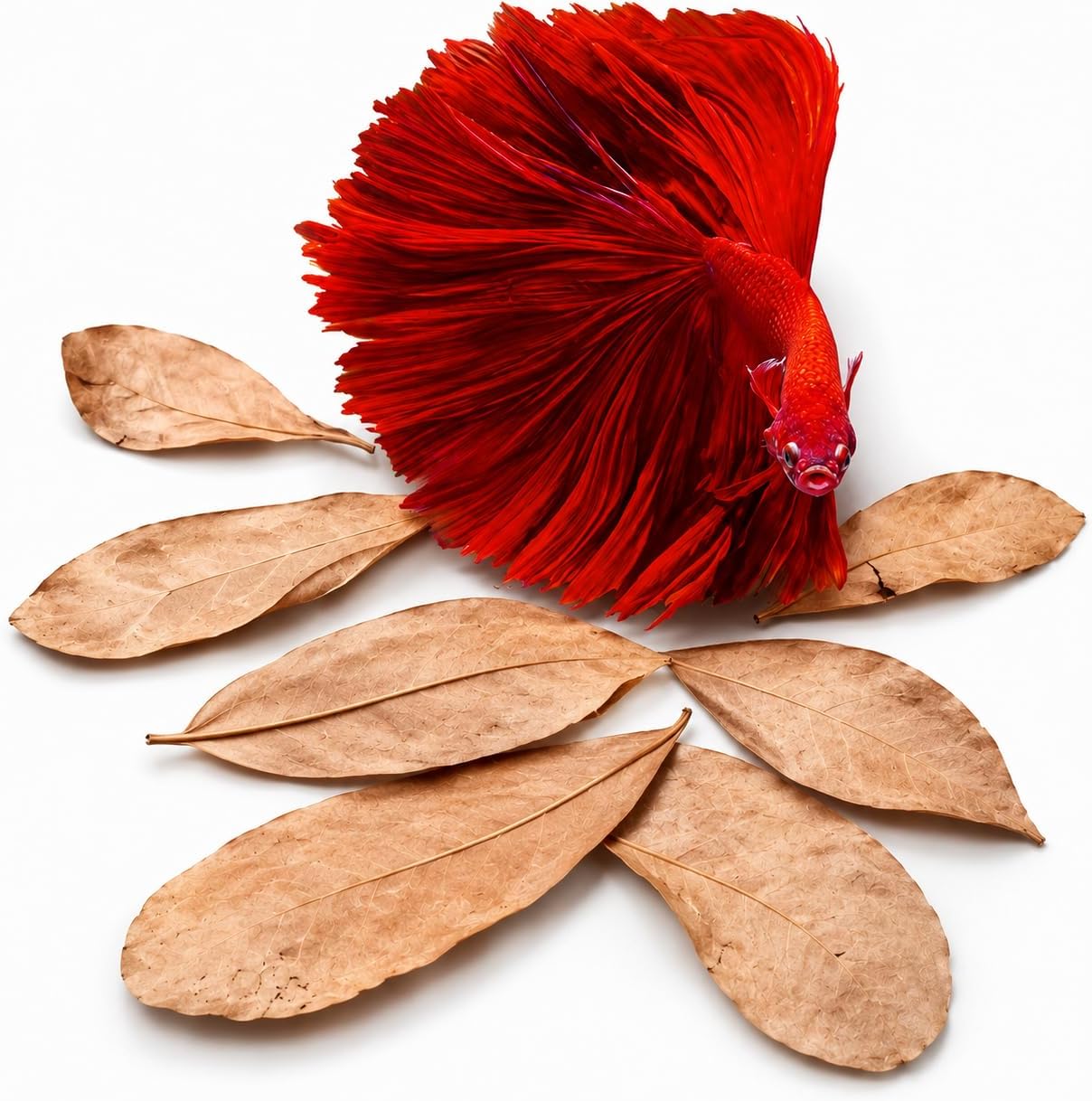
Are Female Bettas Good Community Fish

So, are female bettas good community fish? The short answer is yes — female bettas are often much calmer and more social than males, making them a popular choice for community tank setups. With the right tank mates and proper planning, a female betta can thrive alongside other peaceful freshwater fish species.
Key Takeaways
- Female bettas are less aggressive: Unlike males, female bettas can often coexist peacefully with other fish in a community tank.
- Tank mates matter: Choosing the right companions is critical to keeping the aquarium ecosystem balanced and stress-free.
- Space and hiding spots are essential: A well-planned betta habitat with plenty of cover helps reduce betta aggression.
- Female bettas can live in groups: A sorority of female bettas can work, but it requires careful setup and monitoring.
- Avoid pairing with fin-nippers: Species like tiger barbs or serpae tetras can harm a betta’s flowing fins.
- Monitor behavior closely: Even peaceful setups need observation to catch any signs of stress or conflict early.
📑 Table of Contents
What Makes Female Bettas Different?
Before we dive into whether are female bettas good community fish, let’s talk about what sets them apart from their male counterparts. Male bettas are famous — or maybe infamous — for their aggressive behavior. They are the ones you see flaring up at their own reflection in a glass. Female bettas, on the other hand, tend to be much more relaxed and social.
This difference in betta aggression levels comes down to biology. Male bettas are territorial by nature. They need to defend their space in the wild, so they are wired to fight. Females don’t have that same drive. They can still show some aggression, but it is usually mild and short-lived.
Another big difference is color and fin size. Male bettas tend to have brighter colors and longer fins. Females often have shorter fins and more subdued coloring, though some varieties can be just as vibrant. Don’t let their smaller fins fool you, though. Female betta fish are just as full of personality as males.
Female Betta Fish Personality
Betta fish personality can vary from one fish to the next, but females are generally more curious and exploratory. They like to patrol their tank, investigate new plants or decorations, and interact with their surroundings. Some owners even report that their female bettas seem to recognize them and come to the front of the tank when they approach.
This curious nature is one reason they can work so well in a community aquarium. They are less likely to hide in a corner and more likely to explore alongside other species.
Understanding Female Betta Behavior
To answer the question, are female bettas good community fish, you first need to understand their natural behavior. Female betta behavior is complex and often misunderstood. Many people assume all bettas are aggressive and should be kept alone. That is simply not true for females.
How Female Bettas Interact With Other Fish
In the wild, female bettas live in shallow, warm waters across Southeast Asia. They interact with other species daily. While they are predators, they are not constantly fighting. They hunt, they hide, they rest, and they coexist. This natural behavior translates well to a community tank setup at home.
In a home tropical fish tank, a female betta will usually establish a small territory. She may claim a favorite plant or a specific corner of the tank. But unlike a male, she is unlikely to attack anything that enters her space. Instead, she might display a quick flare or a brief chase and then move on.
Signs of Stress in Female Bettas
Even though females are more easygoing, they can still feel stressed. Watch for these warning signs:
- Clamped fins — fins held close to the body instead of being spread out.
- Hiding constantly — staying under plants or behind decorations all day.
- Color fading — a once-vibrant betta losing her color intensity.
- Rapid breathing — gasping at the surface or breathing faster than normal.
- Loss of appetite — refusing food or eating very little.
If you notice any of these signs, it is time to evaluate your betta tank mates and tank setup. Stress can lead to illness, so catching it early is important.
Female Betta Sororities
One interesting aspect of female betta social behavior is that they can sometimes live together in groups. This is called a sorority. A group of female bettas can coexist in a large enough tank with plenty of hiding spots and visual barriers.
However, sororities are not guaranteed to work. Some females are simply more dominant than others. You need a large tank, at least 20 gallons, and lots of plants to break lines of sight. It takes patience and careful monitoring, but it can be a rewarding setup.
So, Are Female Bettas Good Community Fish?
Now let us get to the big question. Are female bettas good community fish? The honest answer is yes, in most cases. Female bettas are far more tolerant of other species than males. They can share a tank with a variety of peaceful freshwater fish and even some invertebrates.
This does not mean every female betta will be a perfect roommate. Betta compatibility depends on several factors, including the individual fish, tank size, and how you introduce them. But overall, females have a much higher success rate in community aquarium environments.
If you have read articles like Are Bettas Good Community Fish, you already know that males are a different story entirely. Males should almost always be kept alone. Females, though, open up a world of possibilities for aquarists who want a lively, diverse tank.
What Makes Females Different From Males in Community Tanks?
The key difference comes down to territorial behavior. A male betta will see almost any other colorful or finned fish as a threat. He will attack, chase, and fight until one of them is removed. A female is much less likely to do this.
Females can show betta aggression, especially when first introduced to a new tank or when competing for food. But this aggression is usually brief. A quick flare, a short chase, and then things settle down. This makes them suitable for community tank setup with careful planning.
When Female Bettas May Not Work
There are situations where a female betta might not be a good fit for a community tank:
- If she is overly aggressive or territorial from the start.
- If the tank is too small, under 10 gallons.
- If there are too many fish causing overcrowding.
- If the tank lacks hiding spots and visual barriers.
- If she is sick or recovering from an illness.
Every fish is an individual. Some female bettas are simply more feisty than others. It is always a good idea to research and plan before adding a female betta to a community setup.
Best Tank Mates for Female Bettas
Choosing the right betta tank mates is the most important part of making a community tank work. You want species that are peaceful, not too large, and not interested in nipping at fins. If you are unsure about compatibility, check out our detailed guide on What Fish Are Good With Male Bettas for additional ideas on species that work well with bettas.
Top Picks for Female Betta Companions
- Neon Tetras — Small, colorful, and stay in the upper levels of the tank.
- Corydoras Catfish — Peaceful bottom dwellers that keep to themselves.
- Harlequin Rasboras — Calm schooling fish that add movement and color.
- Amano Shrimp — Excellent algae eaters and completely peaceful.
- Kuhli Loaches — Nocturnal, shy, and non-confrontational.
- Ghost Shrimp — Low-cost, easy to care for, and great for cleaning.
- Snails (Nerite or Mystery) — Hard workers that help keep the tank clean.
Fish to Avoid
Not every fish is a good match. Avoid these species with a female betta:
- Tiger Barbs — Known fin-nippers that can harass bettas.
- Serpae Tetras — Another aggressive schooling fish.
- Betta Splendens Males — Never house two male bettas together.
- Goldfish — Too large, messy, and prefer cooler water.
- Oscars or Large Cichlids — Will see a betta as food.
Comparison Table: Good vs. Bad Tank Mates
| Fish Species | Compatibility | Notes |
|---|---|---|
| Neon Tetras | High | Peaceful, stay in upper water levels |
| Corydoras Catfish | High | Bottom dwellers, very peaceful |
| Amano Shrimp | High | Great algae cleaners, no aggression |
| Tiger Barbs | Low | Fin-nippers, avoid at all costs |
| Serpae Tetras | Low | Aggressive, harass slower fish |
| Male Betta | Very Low | Territorial, will fight any male |
How to Set Up a Community Tank for Female Bettas
Setting up the right betta habitat is crucial for success. A poorly planned tank leads to stress, aggression, and health problems. A well-planned one gives every fish a safe and comfortable space.
Tank Size
For a community tank with a female betta, aim for at least 10 gallons. A 20-gallon tank is even better because it gives everyone more room. The more space there is, the less likely conflicts become. A small bowl or tiny tank is not suitable for any community setup.
Plants and Decorations
Live or silk plants are your best friends in a community aquarium. Plants serve multiple purposes:
- They break lines of sight so fish cannot stare each other down.
- They provide hiding spots for shy species.
- They offer resting places near the surface for bettas, who like to lounge.
- They help maintain water quality by absorbing nitrates.
Driftwood and caves also help. The goal is to create a tank with many visual barriers. Every fish should feel like it has its own retreat.
Water Parameters
Most tropical community fish thrive in similar conditions. Keep the water between 75 and 80 degrees Fahrenheit. Maintain a pH between 6.5 and 7.5. A good filter and regular water changes will keep the aquarium ecosystem healthy for all inhabitants.
Adding Tank Mates
When introducing new fish, follow these steps for the best results:
- Add the female betta first and let her settle in for at least a week.
- Introduce one new species at a time.
- Watch behavior closely for the first 48 hours after each addition.
- Separate any fish that show persistent aggression.
- Feed the tank well so no one feels food-threatened.
This gradual approach gives your female betta time to adjust. It also helps you catch problems before they escalate.
Common Mistakes to Avoid
Even experienced aquarists can make mistakes when setting up a community tank setup with bettas. Here are some common pitfalls to watch out for.
Overcrowding the Tank
One of the biggest mistakes is adding too many fish. A cramped tank leads to stress, poor water quality, and increased aggression. Follow the general rule of one inch of fish per gallon, but remember that bettas need extra space because of their territorial nature.
Ignoring Water Quality
Dirty water affects every fish in the tank. Ammonia and nitrite spikes can weaken a betta’s immune system. Test your water regularly and perform weekly partial water changes. A clean environment is the foundation of a healthy community tank setup.
Skipping the Quarantine
New fish should always be quarantined before adding them to the main tank. A two-week quarantine period helps prevent the spread of disease. Are Bettas Prone To More Disease Than Other Fish? They can be, so keeping new arrivals isolated protects everyone.
Choosing the Wrong Betta
Not every female betta is suited for community life. If your betta shows extreme aggression from day one, it may be best to keep her alone. Forcing a hostile betta into a community tank is unfair to her and to the other fish. Learn more about managing difficult bettas in our article Are You Able To Make Female Betta Fish Nice Again.
Quick Tips for Success
- Start with a large tank, at least 10 gallons, ideally 20 gallons.
- Add plenty of live plants and hiding spots.
- Introduce your female betta first and let her claim her space.
- Choose peaceful, non-fin-nipping species as tank mates.
- Feed the tank well to reduce food competition.
- Monitor behavior daily, especially during the first few weeks.
- Keep water parameters stable and within range.
- Have a backup plan, like a separate tank, if things go wrong.
Expert Insights
Professional aquarists and breeders consistently point to one piece of advice when it comes to are female bettas good community fish: observe your individual fish. General rules help, but every betta has its own temperament. A female who is shy and calm in the pet store may turn out to be bold and curious in your tank. The reverse is also true.
Experts also recommend starting with a well-established tank. If the aquarium ecosystem is already balanced with beneficial bacteria and stable water chemistry, new additions have a much better chance of thriving. Cycling your tank before adding fish is one of the most important steps you can take.
Another expert tip is to buy from reputable sources. A female betta fish raised in a healthy environment is more likely to adapt well to a community setting. Poor breeding conditions can lead to behavioral and health issues that are hard to fix later.
Conclusion
So, are female bettas good community fish? Yes, they absolutely can be. Female bettas offer a unique advantage over their male counterparts. They are calmer, more social, and far more willing to coexist with other species. With the right tank mates, proper tank setup, and careful monitoring, a female betta can be the centerpiece of a beautiful and thriving community aquarium.
Remember that success comes down to planning. Choose your betta tank mates wisely, provide plenty of space and hiding spots, and keep water quality high. Watch your fish closely, especially in the early days. If you do these things, you will create a safe and enjoyable home for your female betta and her companions.
Now you have the knowledge to make it happen. Start planning your community tank setup today and enjoy the rewarding experience of keeping these amazing freshwater fish together in harmony.
Frequently Asked Questions
Can a female betta live with other fish in a community tank?
Yes, a female betta can live with other fish in a community tank. Unlike males, females are generally less territorial and can coexist with peaceful species like tetras, corydoras, and shrimp. However, proper planning and monitoring are essential for success.
What are the best tank mates for female bettas?
The best tank mates for female bettas include neon tetras, harlequin rasboras, corydoras catfish, amano shrimp, ghost shrimp, and snails. These species are peaceful, stay in different areas of the tank, and are unlikely to bother your betta or nip at her fins.
How can I tell if my female betta is stressed in a community tank?
Common signs of stress include clamped fins, constant hiding, color fading, rapid breathing, and loss of appetite. If you notice any of these behaviors, check your water parameters first, then evaluate your tank mates. Remove any aggressive species if needed.
Can two female bettas live together?
Two female bettas can live together, but it works best in larger tanks of at least 20 gallons with plenty of plants and hiding spots. This setup is sometimes called a sorority. Not all female bettas get along, so close monitoring is necessary during the first few weeks.
Are female bettas less aggressive than male bettas?
Yes, female bettas are significantly less aggressive than males. Males are highly territorial and should almost always be kept alone. Females can show mild aggression, especially during introductions, but they are generally much more tolerant of other fish in a shared space.
What tank size is recommended for a female betta community setup?
A minimum of 10 gallons is recommended for a female betta community setup. A 20-gallon tank is even better because it provides more space and reduces the chances of territorial conflicts. The key is to give every fish enough room to establish its own territory without overlapping too much.