Are Betta Fish Picky Eaters
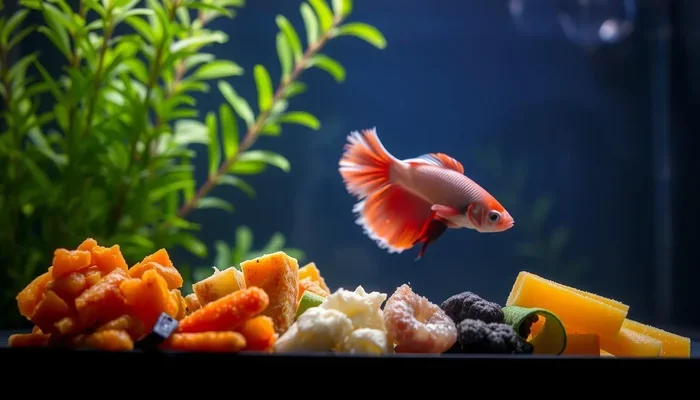
Are betta fish picky eaters? Yes, many bettas can be very selective about what they eat, which can worry any fish owner. Understanding their natural betta fish feeding habits and offering the right betta fish diet makes all the difference. This guide covers the signs of a picky betta, the best foods to offer, and simple tips to keep your fish healthy and well-fed.
Key Takeaways
- Betta fish can be picky eaters due to instinct, boredom, or health issues
- Offering variety in food types prevents refusal and improves nutrition
- Overfeeding is a common mistake that leads to appetite loss and health problems
- Tank conditions matter — poor water quality can suppress your betta’s appetite
- Live and frozen foods often trigger eating responses better than dry flakes alone
- Consistency in feeding schedule helps bettas feel secure and eat reliably
- Watch for warning signs like prolonged refusal, which may indicate illness
📑 Table of Contents
Why Are Betta Fish Picky Eaters?
So, you dropped some flakes into your tank and your betta just stared at them like they were alien objects. Sound familiar? You are not alone. Many betta owners face this frustrating situation. Are betta fish picky eaters? The short answer is yes, and there are real reasons behind it.
Bettas in the wild hunt for their food. They eat small insects, larvae, and tiny crustaceans. This means their betta fish diet is naturally varied and protein-rich. When you offer them the same thing every day, they can get bored. Think about it — would you eat the same plain cracker for every meal? Probably not.
Another big factor is instinct. Bettas are carnivores by nature. They need meat-based protein to thrive. Many cheap betta fish flakes are filled with fillers like wheat and corn. Your betta knows the difference, even if you do not. They will spit out food that does not smell or taste right to them.
Stress also plays a role. A betta fish tank that is too small, too bright, or too noisy can make your fish anxious. An anxious betta often loses interest in food. This ties into their overall betta fish behavior and well-being. A stressed fish is a picky fish.
The Role of Natural Instincts
In their native habitats in Southeast Asia, bettas eat whenever prey is available. They do not get three meals a day on a schedule. Instead, they graze and hunt throughout the day. When you feed them at set times, it can feel unnatural to them. This mismatch between wild instincts and home life is a big reason for picky eating in bettas.
Bettas also have a short betta fish lifespan of about three to five years. During their life, their nutritional needs change. Young bettas need more protein for growth. Older bettas may become less interested in food. Understanding this helps you adjust their betta fish diet over time.
How Boredom Affects Eating Habits
Imagine eating the same breakfast every single day for years. You would eventually lose interest. The same thing happens with bettas. If you only offer one type of betta fish food types, your fish may start refusing it. This is not defiance — it is boredom.
Rotating foods keeps mealtimes exciting. Try alternating between flakes, pellets, frozen bloodworms, and brine shrimp. This variety mimics what they would eat in the wild and keeps their betta fish appetite strong.
Signs Your Betta Fish Is a Picky Eater
Not sure if your betta is truly picky or if something else is going on? Look for these clear signs. Recognizing them early helps you fix the problem before it affects your fish’s health.
Betta fish not eating is the most obvious sign. If your betta ignores food for more than two days, pay attention. Some fish are naturally grazers and may skip a meal here and there. But consistent refusal is a red flag.
Watch how your betta reacts when food hits the water. A healthy betta will swim up eagerly. A picky betta may hover in place, turn away, or hide behind plants. Some bettas will spit out food repeatedly before swimming off. This is their way of saying, “This is not what I want.”
Another sign is weight loss. A healthy betta should have a rounded, slightly plump body. If you notice your betta looking thin or its sides caving in, the picky eating in bettas may be affecting its nutrition. Check the water temperature for bettas too — cold water slows digestion and reduces appetite.
Changes in betta fish color can also signal nutritional problems. A well-fed betta shows vibrant colors. A betta that is not eating enough may look faded or dull. This is because proper nutrition directly affects pigment and overall health.
Behavioral Clues to Watch For
Beyond just refusing food, watch for changes in betta fish behavior. A picky eater may become lethargic or spend more time resting at the bottom of the tank. Some bettas become aggressive at feeding time, flaring at the food or even at you. Others may swim to the surface but not actually take the food.
Keep a feeding journal if you can. Write down what you offered, how much, and whether your betta ate it. Over time, patterns emerge. You might notice your betta loves pellets but hates flakes, or that it eats better in the morning than in the evening.
Best Foods for Betta Fish
Finding the right food is the biggest step in solving picky eating in bettas. Not all fish foods are created equal. Some are packed with nutrition, while others are basically filler. Here is what works best for bettas.
Betta fish pellets are often the top choice. High-quality pellets sink slowly and are easy for bettas to find. Look for pellets where the first ingredient is whole fish or fish meal. Avoid pellets with lots of fillers. These are the backbone of a good betta fish diet.
Betta fish flakes are convenient and widely available. However, they tend to break apart quickly and can cloud the water. If you use flakes, choose a premium brand with high protein content. Soak them for a few seconds before adding them to the tank. This prevents your betta from swallowing air, which can lead to betta fish constipation.
Frozen food for bettas is excellent. Bloodworms, brine shrimp, and daphnia are all great options. Frozen foods retain nutrients better than freeze-dried versions. They also smell more natural, which triggers a betta’s hunting instinct. Your betta is much more likely to eat something that smells like real food.
Live food for betta fish is the closest thing to their natural diet. Mosquito larvae, blackworms, and live brine shrimp are all fantastic choices. Many bettas that refuse everything else will go wild for live food. Just make sure you source live food from a reputable supplier to avoid parasites.
How Often Should You Feed Your Betta?
Feeding frequency matters just as much as food type. Are you supposed to feed betta fish every day? Yes, but not too much. A good feeding schedule for betta fish is two small meals per day. Each meal should be about two to three pellets or a small pinch of flakes. This prevents overfeeding betta fish, which is one of the most common problems fish owners face.
Overfeeding leads to bloating, constipation, and poor water quality. Uneaten food decays in the tank and raises ammonia levels. This affects your betta’s betta fish health in serious ways. A clean, well-maintained tank with proper filtration supports a healthy appetite. If you are wondering about filtration, check out are water filters necessary for betta fish to learn more.
Foods to Avoid
Not all foods are safe for bettas. Stay away from goldfish flakes. They lack the protein bettas need. Avoid bread, crackers, or human food scraps. These offer zero nutrition and can make your betta sick. Also, skip freeze-dried foods as the sole diet. They can expand in the stomach and cause bloating. Always soak freeze-dried foods before feeding.
How to Encourage Your Betta to Eat
If your betta is turning its nose up at food, do not panic. There are several effective strategies you can try. These methods work with your betta’s natural instincts and preferences.
First, try fasting. This sounds counterintuitive, but it works. Skip one or two feedings and then offer fresh food. Bettas in the wild sometimes go days between meals. Fasting resets their appetite and makes them hungrier at the next feeding. Just do not fast for more than three days at a time.
Second, try different food brands. What works for one betta may not work for another. Some bettas prefer certain pellet brands over others. Experiment with two or three high-quality options. You might find your picky eater has very specific tastes.
Third, make feeding time interactive. Use tweezers to hold a pellet or drop food near your betta. Some bettas are curious and will investigate. This also gives you a chance to bond with your fish. Watch for the moment your betta notices the food — that is when you drop it in.
Fourth, consider tank mates. A peaceful community tank can sometimes reduce stress and improve appetite. Snails, for example, are great companions. They do not bother bettas and they help clean the tank. If you are wondering about adding snails, check out are snails good with betta fish for a full guide. A calm, comfortable environment encourages better eating.
The Power of Food Soaking
Soaking dry food before adding it to the tank is a simple trick that makes a big difference. Dry flakes and pellets float on the surface. Bettas sometimes have trouble finding floating food, especially if they prefer to eat in the middle or bottom of the tank. Soaking the food for a few seconds makes it sink slowly, which mimics natural feeding behavior.
Soaking also prevents the food from expanding inside your betta’s stomach. Dry pellets can absorb water and swell after being eaten. This causes bloating and discomfort. A few seconds of soaking before feeding keeps things comfortable for your fish.
Creating a Feeding Routine
Bettas thrive on routine. Feed them at the same times every day. Many owners find that morning and evening feedings work best. This consistency helps your betta feel secure and anticipate mealtimes. Over time, your betta will start watching for food when it is feeding time.
If you travel or are away from home often, an automatic feeder can help. These devices release small amounts of food at set intervals. Just make sure to test the feeder before you leave. You do not want it to jam or overfill the tank. For more information on automated feeding, read up on are seven day feeders good for betta fish to see if they are a good fit for your setup.
Common Feeding Mistakes to Avoid
Even the best-meaning betta owners make mistakes. Knowing what not to do is just as important as knowing what to do. Here are the most common errors that lead to picky eating in bettas and poor health.
The first mistake is overfeeding. This is the number one killer of pet bettas. A betta’s stomach is tiny — about the size of its eye. Feeding too much causes bloating, constipation, and swim bladder problems. Uneaten food also rots in the tank, polluting the water. Keep portions small and remove any leftover food after a few minutes.
The second mistake is offering a monotonous diet. Flakes alone are not enough. Bettas need variety to get all the nutrients they require. A diet that relies on just one food type leads to nutritional gaps and picky eating. Rotate between pellets, frozen foods, and occasional live foods for the best results.
The third mistake is ignoring water quality. A dirty tank makes bettas lose their appetite. Ammonia and nitrite spikes stress the fish and suppress hunger. Regular water changes and proper filtration are essential for maintaining a healthy environment. If you are unsure about your setup, learn more about are you supposed to feed betta fish everyday to build a routine that supports both feeding and tank maintenance.
The fourth mistake is feeding at random times. Bettas do not like surprises when it comes to meals. Irregular feeding schedules create stress and uncertainty. Stick to a consistent routine and your betta will eat more reliably.
Quick Tips for Better Feeding
- Feed small amounts twice a day rather than one large meal
- Soak dry food for a few seconds before adding it to the tank
- Rotate between at least three different food types weekly
- Remove uneaten food within five minutes of feeding
- Keep the tank clean with regular water changes
- Maintain a steady water temperature for bettas between 78 and 80 degrees Fahrenheit
- Observe your betta during feeding to catch problems early
When to Worry About Your Betta Not Eating
Occasional fasting is normal. But if your betta refuses food for more than three days, it is time to investigate. A prolonged loss of appetite often signals an underlying problem that needs attention.
Check your water parameters first. Test for ammonia, nitrite, and nitrate levels. Any ammonia or nitrite detected is dangerous and can suppress appetite. Also check the temperature. Bettas are tropical fish and need warm water to digest food properly. Cold water slows their metabolism and makes them want to eat less.
Look for physical symptoms too. Is your betta bloated? Are its fins clamped close to its body? Is there any discoloration or white spots? These are signs of illness, not just pickiness. Common conditions like betta fish constipation, swim bladder disease, and ich can all cause appetite loss.
If you suspect illness, isolate your betta in a quarantine tank and treat it promptly. The sooner you address the problem, the better the chances of recovery. A healthy betta that is simply a picky eater will still have bright colors and active behavior, even if it is selective about food.
Consulting a Fish Veterinarian
When in doubt, consult a veterinarian who specializes in fish. They can diagnose underlying health issues and recommend proper treatment. Many betta owners skip this step, but a professional opinion can save your fish’s life. Do not wait until your betta is visibly weak before seeking help.
Conclusion
Are betta fish picky eaters? Yes, they absolutely can be. But pickiness is manageable with the right approach. Understanding your betta’s natural instincts, offering a varied and high-quality diet, and maintaining a clean, stress-free tank all contribute to healthy eating habits.
Remember that every betta is an individual. What works for one fish may not work for another. Patience and observation are your best tools. Try different foods, stick to a consistent schedule, and watch your betta’s behavior closely. Over time, you will learn exactly what your fish likes and how to keep it happy and well-fed.
A well-fed betta is a vibrant, active, and beautiful companion. By avoiding common mistakes and following the tips in this guide, you set your betta up for a long, healthy life. Keep experimenting, keep learning, and enjoy the journey of caring for your betta fish.
Frequently Asked Questions
Why is my betta fish not eating but acting normal?
Your betta may be bored with its current food or experiencing mild stress. Try offering a different food type, such as frozen bloodworms or live brine shrimp. Also check the water temperature — if it is below 76 degrees Fahrenheit, your betta’s appetite may decrease even if it otherwise seems fine.
How long can a betta fish go without eating?
A healthy adult betta can survive up to two weeks without food, but this is not recommended. Going three to four days without eating occasionally can actually help reset their appetite. If your betta refuses food for more than three days regularly, investigate potential health or environmental issues.
Can overfeeding cause a betta to stop eating?
Yes, overfeeding can lead to bloating and constipation, which makes bettas lose their appetite. If your betta has eaten too much, skip the next meal and offer a smaller portion afterward. Soaking food before feeding helps prevent this problem and keeps digestion smooth.
What is the best food to tempt a picky betta?
Most picky bettas respond well to frozen or live bloodworms, brine shrimp, and daphnia. These foods smell natural and trigger a betta’s hunting instinct. High-quality pellets are also a staple, but offering variety is the key to keeping a picky betta interested in its meals.
Does water temperature affect a betta’s appetite?
Absolutely. Bettas need warm water between 78 and 80 degrees Fahrenheit to digest food properly. Cold water slows their metabolism and makes them less interested in eating. If your tank is too cool, your betta may refuse food even if it is hungry.
Should I worry if my betta spits out its food?
Occasional spitting is normal and often means your betta is breaking down the food before swallowing. However, if your betta spits out food consistently and refuses to eat, try offering a different food type or soaking the food longer. Persistent refusal over several days may indicate a health issue that needs attention.