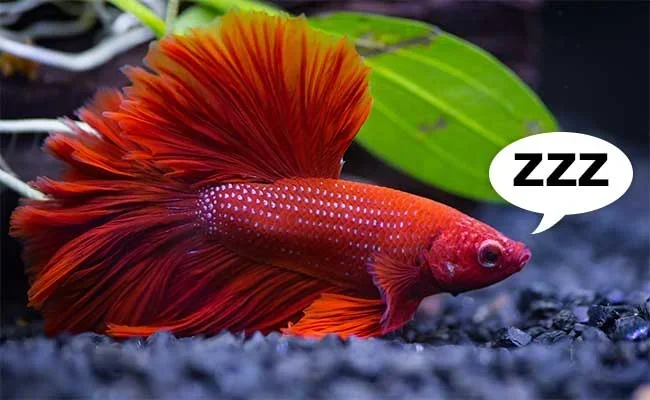
What Does It Mean When Betta Fish Flare Their Gills

When betta fish flare their gills, it is a natural behavior tied to territory, aggression, or excitement. Understanding why betta fish flare their gills helps you keep your fish healthy and stress-free. This guide covers every reason behind gill flaring and what you should do about it.
If you have ever watched your betta fish flare their gills, you know it is a pretty dramatic sight. Their gills puff out wide, their body tightens, and they look like a tiny underwater warrior. But what does it actually mean?
Why do betta fish flare their gills? The short answer is that gill flaring is a natural behavior. It serves many purposes, from defending territory to showing off during mating. However, it can also signal stress or discomfort. Understanding the reasons behind this behavior is one of the best things you can do as a betta owner.
In this guide, we will walk you through every reason your betta might be flaring. We will also cover when flaring is normal and when it becomes a problem. By the end, you will feel confident reading your betta’s body language like a pro.
Key Takeaways
- Territorial Behavior: Betta fish flare their gills to claim space and warn off rivals or perceived threats.
- Mating Display: Males flare to attract females during the breeding process.
- Stress Signal: Excessive or prolonged flaring can indicate stress, poor water conditions, or illness.
- Mirror Flaring: Flaring at their own reflection is common but can lead to exhaustion if overdone.
- Health Indicator: How often and how long your betta flares tells you a lot about their overall well-being.
- Simple Solutions: Small tank changes and environmental adjustments can reduce unnecessary gill flaring.
- Know When to Act: Persistent flaring paired with other symptoms may mean a vet visit is needed.
📑 Table of Contents
- What Does It Mean When Betta Fish Flare Their Gills?
- Why Does My Betta Fish Flare at Me?
- How to Tell if Gill Flaring Is Normal or a Problem
- Common Causes of Excessive Gill Flaring
- How to Reduce Unnecessary Gill Flaring
- What to Do When Your Betta Flares Constantly
- Quick Tips for Betta Gill Flaring
- Expert Insights on Betta Gill Flaring
- Conclusion
What Does It Mean When Betta Fish Flare Their Gills?
Gill flaring is when a betta spreads its gill plates wide open. This makes the fish look much larger than it actually is. Bettas have a special muscle that controls their gill plates, and they use it on purpose.
Think of it like a dog puffing up its fur when it feels threatened. The betta is trying to look bigger and more intimidating. This behavior is deeply wired into their instincts. It has been shaped over thousands of years of evolution.
Most of the time, gill flaring is perfectly normal. It becomes a concern only when it happens too often or lasts too long. Let us break down the main reasons behind this behavior.
Territorial Defense
Betta fish are naturally territorial. In the wild, they claim small patches of water and defend them fiercely. When another fish or even a shadow enters their space, they flare their gills to say, “This is my area.”
This is one of the most common reasons for gill flaring. A betta in a tank with reflective glass might flare at its own reflection thinking it is a rival. Similarly, adding new decorations or changing the tank layout can trigger a territorial response.
Mating and Courtship
Male bettas also flare their gills during mating. When a male sees a female, he may flare to show off his strength and health. This is part of the courtship dance that leads to bubble nest building.
When betta fish flare their gills during breeding, it looks different from aggressive flaring. The body is more relaxed, and the flaring is paired with other courtship behaviors like following the female or building a nest.
Stress and Fear Response
Not all gill flaring is confident or aggressive. Sometimes, it is a fear response. A betta may flare its gills when it feels scared or cornered.
Common stressors include:
- Sudden changes in water temperature
- Bright lights shining directly into the tank
- Loud noises or vibrations near the tank
- Other fish tapping on the glass
- Poor water quality
If your betta is flaring constantly without an obvious cause, check these factors first. Removing the stressor often solves the problem quickly.
Why Does My Betta Fish Flare at Me?
Many betta owners notice their fish flaring right at them during tank maintenance or feeding time. This can feel a little startling, but it is usually nothing to worry about.
Your betta likely sees your hand or face as a large object entering its space. It is reacting the same way it would to another fish. Why does my betta fish flare at me? Most often, it is simply a territorial response to something new in its environment.
Over time, most bettas learn to recognize their owner. The flaring usually decreases as your fish becomes familiar with you. Some bettas even flare less once they associate your hand with feeding time.
The Mirror Test
Some people use mirrors to watch their betta flare. While this can be entertaining, it is not great for your fish. Flaring at a reflection tricks your betta into thinking there is a permanent rival in its tank.
Why do betta fish flare their gills at mirrors? Because they cannot tell the reflection is themselves. They see a rival fish that never goes away. This can cause prolonged stress and exhaustion. Limit mirror sessions to just a minute or two, and only do them occasionally.
How to Tell if Gill Flaring Is Normal or a Problem
This is one of the most important questions for any betta owner. Not all gill flaring is bad. The key is knowing the difference between healthy, natural flaring and flaring that signals trouble.
Normal Flaring
Normal gill flaring is short-lived. Your betta flares for a few seconds, then returns to its normal behavior. You might notice this during:
- Feeding time
- Tank maintenance
- Brief encounters with other fish or reflections
- Morning stretching or exploration
Normal flaring is brief and does not seem to exhaust the fish. After flaring, your betta should swim around normally and show interest in food.
Problematic Flaring
Problematic flaring lasts for long periods. Your fish may flare continuously for minutes or even hours. You might notice other signs alongside the flaring:
- Clamped fins held close to the body
- Loss of appetite
- Hiding in corners or behind decorations
- Rapid gill movement even when not flaring
- Color fading or loss of vibrancy
If you see these signs together with constant gill flaring, it is time to investigate further. Persistent flaring wears your betta out physically and mentally.
Common Causes of Excessive Gill Flaring
Sometimes gill flaring becomes a frequent behavior rather than an occasional one. Here are the most common culprits.
Poor Water Conditions
Betta fish are sensitive to water quality. When ammonia, nitrite, or nitrate levels rise, your fish becomes stressed. One of the first signs of water problems is increased gill flaring.
Keep your tank parameters in check with regular testing. A good baseline for betta tanks is:
- Temperature: 76-82°F
- pH: 6.5-7.5
- Ammonia: 0 ppm
- Nitrite: 0 ppm
- Nitrate: under 20 ppm
Tank Too Small
A tiny tank gives your betta no room to establish territory. Even in a filtered aquarium, a cramped space can make your fish feel constantly threatened. This leads to frequent and aggressive gill flaring.
The minimum tank size for a single betta is 5 gallons. Larger tanks give your fish more space to swim and reduce territorial tension significantly.
Tank Mates That Trigger Flaring
Not all fish make good tank mates for bettas. Brightly colored fish with long fins often trigger territorial responses. Even peaceful fish can cause your betta to flare if they swim too close to the betta’s claimed area.
If you notice constant flaring after adding tank mates, consider separating the fish. Your betta’s well-being always comes first.
Illness or Disease
In some cases, gill flaring is a symptom of a health problem. Gill parasites, bacterial infections, or fin rot can cause discomfort that triggers flaring behavior.
Watch for additional symptoms like:
- White spots on the body or gills
- Redness or inflammation around the gills
- Difficulty breathing or rapid gill movement
- Lethargy and loss of color
If you suspect illness, isolate your betta in a quarantine tank and treat the water. Early intervention makes a big difference in recovery.
How to Reduce Unnecessary Gill Flaring
While you cannot eliminate gill flaring entirely, you can reduce excessive flaring with a few simple steps.
Optimize the Tank Environment
Start with the basics. Keep the water clean, warm, and well-filtered. Add plants and hiding spots so your betta feels secure. Live plants like java fern or anubias work great for betta tanks.
A well-decorated tank gives your fish places to retreat when it feels threatened. This naturally reduces the need to flare as a defense mechanism.
Avoid Sudden Changes
Bettas thrive on routine. Avoid sudden changes to the tank environment. If you need to rearrange decorations, do it gradually over several days.
Also, try to keep the area around the tank quiet. Loud music, TV sounds, or tapping on the glass can all trigger stress flaring.
Limit Mirror and Reflection Exposure
If your betta flares at its own reflection, try to reduce the triggers. Cover reflective tank sides with a background decal. Move the tank away from windows that create glare.
Some owners place a small piece of paper on the outside of the glass near the reflection line. This simple trick can stop unnecessary flaring episodes.
Feed a Balanced Diet
A healthy betta is a less stressed betta. Feed high-quality betta pellets as the staple diet. Supplement with frozen or live foods like bloodworms and brine shrimp a few times a week.
Good nutrition supports overall health and reduces stress-related behaviors like excessive gill flaring.
What to Do When Your Betta Flares Constantly
If your betta is flaring almost all the time, you need to take action. Constant flaring is not normal and can lead to health problems over time.
Start by checking the water parameters. Test for ammonia, nitrite, and nitrate levels. Do a partial water change if anything looks off. Next, look at the tank setup. Are there too many bright lights? Are other fish bothering your betta?
Sometimes the simplest fix works best. Move the tank to a quieter location. Reduce lighting intensity. Remove any fish that seem to trigger the flaring.
If the flaring continues despite these changes, observe your betta more closely. Look for signs of illness or physical discomfort. A betta that flares constantly and stops eating may need medical attention.
Remember that when betta fish flare their gills, they are communicating something. Your job is to figure out what they are trying to say and respond appropriately.
Quick Tips for Betta Gill Flaring
- Do not panic if your betta flares occasionally. It is natural behavior.
- Watch the duration. Short flaring bursts are fine; constant flaring is a red flag.
- Check water quality first when flaring increases suddenly.
- Provide hiding spots like caves and plants to reduce territorial stress.
- Limit mirror time to one or two minutes at most.
- Observe body language alongside flaring to get the full picture.
- Consult a fish vet if flaring is paired with loss of appetite or color changes.
Expert Insights on Betta Gill Flaring
Experienced betta keepers often share a common observation: gill flaring is a window into your fish’s emotional state. A betta that flares occasionally during feeding or tank maintenance is showing healthy territorial instincts. A betta that flares nonstop is telling you something is wrong in its environment.
Many breeders use gill flaring as an indicator of a male betta’s vigor and health. A strong, confident flare is a good sign in breeding programs. However, they also know that prolonged flaring sessions can be harmful, which is why they carefully manage breeding environments.
The key takeaway from experienced keepers is simple: pay attention to context. A flaring betta during feeding time is completely different from a flaring betta that hides and refuses food. Context tells you whether the behavior is natural or a cry for help.
Conclusion
What does it mean when betta fish flare their gills? In most cases, it means your betta is being a healthy, territorial fish doing what comes naturally. Whether it is defending space, showing off during courtship, or reacting to a perceived threat, gill flaring is a normal part of betta behavior.
However, excessive or constant flaring is a warning sign. It tells you that something in your betta’s environment needs attention. Poor water quality, an overcrowded tank, illness, or too much stress can all drive this behavior.
The best thing you can do as a betta owner is to observe your fish closely. Learn what is normal for your individual betta. When you notice changes in flaring patterns, act quickly to address the root cause. A calm, well-maintained tank leads to a happy betta that flares only when it truly needs to.
With the knowledge you have gained from this guide, you are now better equipped to understand your betta’s behavior. Trust your instincts as an owner, keep the tank clean, and your betta will thrive for years to come.
Frequently Asked Questions
Is it normal for betta fish to flare their gills every day?
Yes, occasional daily flaring is completely normal. Bettas flare during feeding, when they see their reflection, or when they are exploring their tank. As long as the flaring is brief and your betta acts normal afterward, there is no cause for concern.
Can gill flaring hurt my betta fish?
Occasional flaring does not harm your betta. However, constant or prolonged flaring can exhaust your fish and weaken its immune system. This makes your betta more vulnerable to illness. If flaring becomes frequent, take steps to reduce the triggers.
Why does my betta flare its gills at night?
Betta fish may flare at night if they see movement or shadows near the tank. Their vision is adapted to detect movement in low light. A sudden shadow from a passing person or a turning light can trigger a nighttime flaring response. Keep the area around the tank dim and quiet after dark.
Should I be worried if my betta stops flaring altogether?
A sudden stop in flaring can sometimes indicate lethargy or illness, especially if paired with other symptoms like loss of appetite or clamped fins. However, some bettas are naturally less territorial and flare less often. Know your fish’s baseline behavior to judge what is normal.
How can I tell if my betta is flaring out of aggression or excitement?
Watch the body language. Aggressive flaring comes with a tightened body, raised fins, and a focused stare. Excited or courtship flaring looks more relaxed, often with a slightly curved body and swimming toward the object of interest. Context also helps, as flaring during feeding or breeding is usually excitement-based.
Do female betta fish flare their gills too?
Yes, female bettas do flare their gills, though they tend to flare less frequently than males. Females flare during territorial disputes, when establishing a hierarchy in a sorority tank, or during courtship with males. Their flaring is usually less dramatic than a male’s full display.