Are Betta Fish Happy Alone

Are betta fish happy alone? The short answer is yes — bettas are solo fish by nature and can live happily on their own. With the right tank setup, enrichment, and care, a single betta can thrive for years without a companion.
Key Takeaways
- Bettas are naturally solitary: In the wild, bettas prefer to live alone and defend their own territory.
- Signs of a happy solo betta: Look for vibrant colors, active swimming, bubble nests, and a healthy appetite.
- Tank setup matters: A 5-gallon tank or larger with plants and hiding spots keeps your betta stimulated and content.
- Enrichment prevents boredom: Adding decorations, gentle water flow, and varied diets helps keep your betta mentally engaged.
- Avoid common mistakes: Overcrowding, tiny bowls, and poor water quality are the fastest ways to make a betta unhappy.
- Regular care routines: Consistent feeding, water changes, and tank maintenance are essential for long-term betta happiness.
📑 Table of Contents
Are Betta Fish Happy Alone?
If you own a betta fish, you have probably wondered at some point whether your little friend gets lonely. The question “are betta fish happy alone” comes up all the time in fishkeeping communities. And the answer might surprise you.
Betta fish are naturally solitary creatures. In their native habitats across Southeast Asia, bettas live alone in rice paddies, slow-moving streams, and shallow pools. They are called Siamese fighting fish for a reason — males especially are territorial and prefer to have their own space. So when you ask, “are betta fish happy alone,” the science and the experience of seasoned aquarists both point to a clear yes.
That said, keeping a betta alone does not mean just tossing them in a tiny bowl and forgetting about them. There is a lot you can do to make sure your solo fish thrives. From tank size to enrichment, every detail matters when it comes to your betta’s well-being.
Understanding Betta Fish Behavior in the Wild
To truly answer the question “are betta fish happy alone,” we need to look at how bettas live in the wild. Wild bettas inhabit warm, shallow waters in Thailand, Cambodia, Vietnam, and surrounding regions. These environments are often crowded with plants and debris but not with other fish.
Male bettas build bubble nests and guard their territory fiercely. Female bettas, while slightly less aggressive, also maintain their own space. This solitary lifestyle is deeply wired into their DNA. So a betta in a home aquarium is not experiencing loneliness the way a social mammal might.
That does not mean bettas have no feelings or preferences. They can experience stress, boredom, and discomfort. But they do not need tank mates to be content. Understanding this is the first step toward being a great betta owner.
Signs Your Betta Fish Is Happy and Healthy
How do you know if your betta is doing well on its own? There are several clear signs of a happy betta fish that every owner should watch for. These indicators tell you that your solo setup is working.
Vibrant Colors and Fins
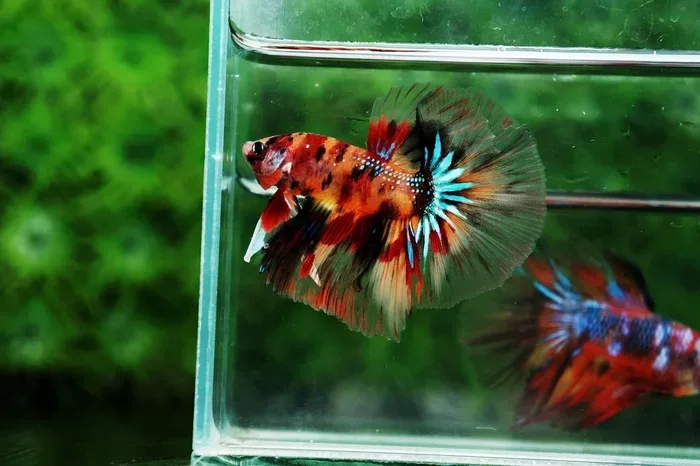
A happy betta displays bright, vivid colors and full, flowing fins. If your fish’s colors seem dull or faded, that could be a sign of stress or illness. When a betta is content, its colors pop. The fins should be spread out and elegant, not clamped or torn.
Active Swimming
Watch how your betta moves around the tank. A happy betta swims actively, exploring every corner and flaring its fins now and then. If your fish barely moves or spends all day hiding, something might be off. Some laziness is normal, especially during rest periods, but constant lethargy is a red flag.
Bubble Nest Building
Male bettas build bubble nests at the surface of the water. This behavior is one of the strongest indicators that a betta feels safe and content. If your male betta is building a nest, that is a great sign. It means he is in a comfortable environment and feeling his best. To learn more about what bubble nests mean, check out this guide on do betta fish bubble nests mean they are happy.
Healthy Appetite
A happy betta is a hungry betta. If your fish comes to the surface eagerly when you offer food, that is a positive sign. Loss of appetite often signals stress or health problems. Make sure you are feeding high-quality food in appropriate amounts.
Setting Up the Perfect Solo Tank
Now that you know bettas can be happy alone, let’s talk about how to set up their home properly. The tank environment plays a huge role in your betta’s overall mood and health. A well-designed solo tank is the foundation of a content betta.
Tank Size Matters
Many beginners make the mistake of keeping a betta in a tiny bowl. While bettas can survive in small containers, they truly thrive in larger spaces. A 5-gallon tank is the minimum recommended size. A 10-gallon tank is even better, as it gives your betta room to explore and swim freely.
Think about it this way: imagine living in a tiny closet your whole life versus having a comfortable room with space to move around. The difference is obvious, and your betta feels it too. If you want to learn more about tank sizes, here is an article on can betta fish be happy in a 2 gallon tank.
Plants and Decorations
Bettas love having places to explore and hide. Live or silk plants, caves, driftwood, and gentle decorations create a stimulating environment. Avoid sharp or rough decorations that could tear your betta’s delicate fins.
Live plants are especially beneficial. They help maintain water quality, provide natural hiding spots, and make the tank look beautiful. Some great options include java fern, anubias, and Amazon sword plants.
Water Quality and Temperature
Clean, warm water is essential for a happy betta. Keep the temperature between 76 and 82 degrees Fahrenheit. Use a gentle filter to avoid strong currents, since bettas are not strong swimmers and prefer calm water.
Regular water changes are critical. A 25-30% water change every week helps keep ammonia and nitrite levels at zero. Poor water quality is one of the fastest ways to make a betta unhappy and unhealthy.
Can Betta Fish Get Lonely?
This is where the question “are betta fish happy alone” gets interesting. Some owners swear their bettas seem sad when kept by themselves. Others notice no difference at all between a solo betta and one in a community tank.
The truth is that bettas do not experience loneliness in the same way humans or social animals do. They are not school fish that need companionship to feel secure. However, bettas can experience boredom and stress if their environment is boring or poorly maintained.
So while your betta may not get “lonely,” it can definitely get understimulated. This is where enrichment becomes important. We will cover that in the next section.
If you are curious about whether bettas do better with or without tank mates, you can read more about this topic in our article on do betta fish do better alone.
How to Keep a Solo Betta Mentally Stimulated
A happy betta is an engaged betta. Even though they live alone, they still need mental stimulation. Here are some practical ways to keep your solo fish entertained and content.
Add a Mirror Sparingly
Showing your betta its reflection for a few minutes a day can trigger natural behaviors like fin flaring. This provides mental stimulation and can even help exercise your fish. However, do not overdo it. Too much mirror time can cause chronic stress.
Introduce Novelty
Betta fish are curious creatures. Occasionally rearranging tank decorations or adding a new element can spark their interest. Just be careful not to change too much at once, as this can stress your fish.
Feed a Varied Diet
Offering different types of food keeps mealtimes exciting. High-quality betta pellets should be the staple, but you can also offer frozen or live foods like brine shrimp and bloodworms as treats. Variety in diet supports both physical and mental health.
Create a Viewable Environment
Place the tank in an area where your betta can observe activity in the room. Bettas are naturally curious and enjoy watching what goes on around them. Just make sure the tank is not in direct sunlight or near drafts.
Common Mistakes That Make Solo Bettas Unhappy
Even with the best intentions, many betta owners unknowingly make mistakes that affect their fish’s happiness. Here are the most common ones to avoid.
Keeping Them in Tiny Bowls
This is the number one mistake. Tiny bowls lack filtration, heating, and space. A betta in a small bowl may survive but will not thrive. If you care about your fish’s happiness, upgrade to a properly sized tank.
Overcrowding the Tank
While bettas can live alone, some owners try to add too many tank mates. Aggressive fish, fin-nippers, and overly active species can all stress a betta out. If you want to keep other fish with your betta, choose peaceful, non-fin-nipping species carefully.
Inconsistent Feeding
Overfeeding is a common problem. It leads to obesity and poor water quality. Underfeeding is equally bad. Stick to a consistent feeding schedule and offer appropriate portions.
Neglecting Water Changes
Dirty water causes stress, illness, and shortened lifespan. Even with a filter, regular water changes are non-negotiable. Your betta depends on you to maintain a clean environment.
Are Betta Fish Happy Alone? The Final Verdict
So, are betta fish happy alone? Yes, absolutely. Bettas are built to live solo lives. They do not need companions to be happy. What they do need is a well-maintained tank, proper nutrition, mental stimulation, and a caring owner.
If you provide these essentials, your betta can live a full, happy life all on its own. In fact, keeping a betta solo is often the safest choice. It eliminates the risk of fighting, fin nipping, and stress from incompatible tank mates.
Remember that every betta has its own personality. Some are bold and curious, while others are shy and laid-back. Getting to know your individual fish and responding to its unique needs is the best thing you can do. A happy betta is a visible betta — one that shows off its colors, swims with purpose, and greets you at feeding time.
For more insights on betta happiness and behavior, you might also enjoy our article on are betta fish happy which covers the broader picture of betta well-being.
Owning a betta fish is a rewarding experience. These beautiful, resilient creatures bring joy to any home. And the best part is that you do not need a second fish to make that happen. A single betta, in a well-set-up tank, with proper care, can be one of the most satisfying pets you will ever have.
Frequently Asked Questions
Do betta fish get lonely if kept alone?
No, bettas do not get lonely in the way social animals do. They are solitary by nature and prefer to have their own territory. A well-cared-for solo betta can be perfectly content without tank mates.
What is the best tank size for a single betta fish?
A 5-gallon tank is the minimum recommended size for a single betta. A 10-gallon tank offers even more space and makes it easier to maintain stable water parameters. Avoid keeping bettas in bowls or containers smaller than 3 gallons.
How can I tell if my solo betta is unhappy?
Signs of an unhappy betta include faded colors, clamped fins, lethargy, loss of appetite, and hiding constantly. If you notice these behaviors, check your water parameters and tank setup to identify potential issues.
Can I keep two female bettas together?
Female bettas can sometimes live together in a group called a sorority, but this requires a large tank (20 gallons or more) with plenty of hiding spots. It is not always successful and should only be attempted by experienced fishkeepers.
Do bettas need tank mates to be stimulated?
No, bettas do not need tank mates for stimulation. You can keep a solo betta mentally engaged with plants, decorations, mirror sessions, varied diets, and occasional rearrangement of the tank environment.
Are male betta fish happier alone than with other fish?
Male bettas are generally happier and safer alone. Keeping a male betta with other fish risks aggression, fin damage, and stress. A well-set-up solo tank is often the best option for a male betta’s well-being.