Are Betta Fish for Beginners
Are betta fish for beginners? Absolutely! Betta fish are one of the most popular choices for new fish owners because they are colorful, hardy, and relatively easy to care for. In this guide, you will learn everything you need to know about betta fish care, including tank setup, feeding, water conditions, and common mistakes to avoid.
Key Takeaways
- Betta fish are ideal for beginners: They are hardy, colorful, and adaptable to various living conditions, making them a great starter pet.
- A proper tank setup is crucial: A minimum 5-gallon tank with a heater and filter keeps your betta healthy and happy.
- Water quality matters most: Regular water changes and monitoring of temperature and parameters prevent disease and stress.
- Feeding requires balance: High-quality pellets or flakes, supplemented with live or frozen food, provide the best nutrition.
- Avoid common mistakes: Small bowls, cold water, and aggressive tank mates are the top errors new betta owners make.
- Live plants enhance well-being: Plants like java fern and anubias provide hiding spots and improve water quality naturally.
- Betta fish can live 3-5 years with proper care: Following a consistent maintenance routine is the key to longevity.
📑 Table of Contents
- Are Betta Fish for Beginners? Your Complete Guide
- Why Betta Fish Are Perfect for Beginners
- Setting Up the Perfect Betta Tank
- Water Quality and Maintenance
- Feeding Your Betta Fish
- Tank Mates and Compatibility
- Common Mistakes Beginners Make
- How Long Do Betta Fish Live?
- Quick Tips for Success
- Final Thoughts
Are Betta Fish for Beginners? Your Complete Guide
So you are thinking about getting a betta fish for beginners and you are not sure where to start? That is a great place to be. Betta fish (also known as Siamese fighting fish) are among the most popular tropical fish in the world. And for good reason. They are stunningly beautiful, full of personality, and much hardier than many people realize.
But here is the thing. Just because bettas are beginner-friendly does not mean they need zero effort. A lot of new owners buy a betta, toss it into a tiny bowl, and hope for the best. That is not going to end well. This guide will walk you through everything you need to know. From tank setup and feeding to water quality and common mistakes, we have got you covered.
By the end, you will know exactly what it takes to keep a healthy, happy betta. Let us get into it.
Why Betta Fish Are Perfect for Beginners
Let us talk about why betta fish for beginners is such a popular search term. There are several solid reasons these fish make the top of every beginner list.
They Are Hardy and Forgiving
Bettas are tropical fish that can tolerate small changes in water conditions. They are not as fragile as some other species. This does not mean you should neglect water quality. But it does mean you have a little breathing room while you learn. If you make a minor mistake with temperature or a slight water parameter shift, your betta will likely be just fine.
They Are Incredibly Colorful
Let us be honest. One of the biggest draws is the look. Male bettas come in a wild range of colors. Think deep blues, fiery reds, purples, greens, and even metallic gold. Their flowing fins look like silk in the water. You simply cannot beat that visual appeal, especially in a well-decorated tank.
They Have Big Personalities
Bettas are not just pretty faces. They are curious and interactive. Many owners report their fish recognizing them, swimming to the front of the tank when they approach, or even flaring at their own reflection. This betta behavior makes them entertaining to watch and keeps you engaged with your pet.
They Do Not Need a Massive Tank
While a 5-gallon tank is the minimum recommended size, that is still much smaller than what a community aquarium requires. A properly set up 5-gallon betta tank is manageable in terms of space, cost, and maintenance. This makes it a realistic option for people living in small apartments or dorm rooms.
Setting Up the Perfect Betta Tank
This is where most beginners trip up. Getting the betta fish care basics right from day one makes everything else easier. A proper tank setup is not optional. It is essential.
Tank Size: Go Bigger Than a Bowl
Here is a common myth. Many people think bettas are fine in tiny cups or round bowls. They are not. A small container limits movement, stresses the fish, and makes water quality nearly impossible to maintain. Aim for at least a 5-gallon tank. A 10-gallon tank gives even more room and allows for more decoration and potential tank mates.
If you are unsure what supplies you need, check out this what you need for a betta fish beginners guide for a complete shopping list.
Heating the Water
Bettas are tropical fish. They need warm water. Room temperature is often too cold, especially in winter. A small aquarium heater set to 76-82°F (24-28°C) is a must. Cold water weakens the immune system and leads to illness. Do not skip this step. An aquarium heater is one of the most important purchases you will make.
Filtration
Bettas are not strong swimmers. So you need a filter that does not create a heavy current. A gentle sponge filter or a small hang-on-back filter with adjustable flow works great. To learn more about filtration options, read our article on are water filters necessary for betta fish.
Lighting
Bettas do not need super bright lights. But a standard aquarium light on a regular schedule (about 8-10 hours a day) helps keep the tank cycle and makes colors pop. If you are wondering about LED options, our guide on are LED lights okay for betta fish covers everything you need to know.
Substrate and Décor
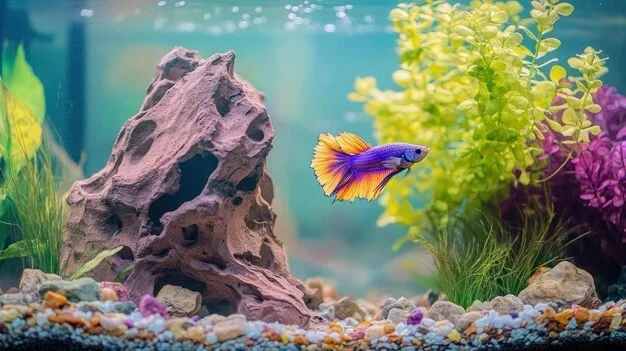
Use fine gravel or sand as substrate. Add plants, caves, and driftwood to create hiding spots. Bettas love places to rest and explore. A well-decorated tank reduces stress and keeps your fish active and interested.
Water Quality and Maintenance
Clean water is the backbone of betta fish care Without good water quality, nothing else matters. Even the most beautiful tank will fail if the water is toxic.
Cycle Your Tank Before Adding a Betta
This is a step many beginners skip, but it is critical. Tank cycling means building up beneficial bacteria that break down harmful ammonia and nitrite. This process takes 4-6 weeks. Use a liquid test kit to monitor ammonia, nitrite, and nitrate levels. Do not add your betta until ammonia and nitrite are at zero.
Water Changes
For a 5-gallon tank, do a 25-50% water change every week. Use a gravel vacuum to remove waste from the substrate. Always treat new water with a water conditioner to remove chlorine and chloramine. Match the temperature of the new water to the tank water before adding it in.
Test Regularly
Invest in a good test kit. Test water at least once a week. Watch for spikes in ammonia or nitrite. Early detection saves lives. Consistent water quality monitoring is what separates healthy bettas from stressed ones.
Feeding Your Betta Fish
Feeding is one of the most fun parts of owning a betta. But it is also where overfeeding becomes a real problem. Let us break down the basics of betta food and nutrition.
What to Feed
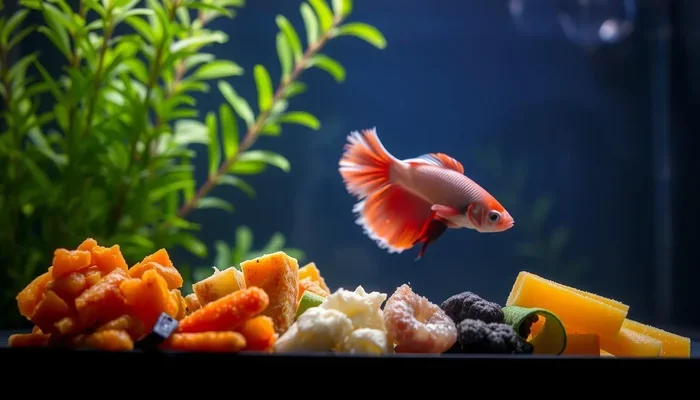
High-quality pellets should be the staple diet. Look for pellets specifically made for bettas, as they have the right protein levels and sinking speed. You can also offer frozen or live foods like brine shrimp, bloodworms, and daphnia as treats.
If you are debating between pellets and flakes, our article on are pellets or flakes better for betta fish gives you a detailed comparison to help decide.
How Often and How Much
Feed your betta 2-3 small meals per day. Two pellets per meal is a good starting point for adults. Skip one feeding day per week to let the digestive system rest. Overfeeding leads to bloating, constipation, and dirty water. It is the number one beginner mistake.
Quick Feeding Tips
- Only feed what your betta can finish in 2-3 minutes.
- Vary the diet with frozen or live foods once or twice a week.
- Avoid cheap flake foods that float and are hard for bettas to eat.
- Never feed your betta exclusively freeze-dried food. It expands in their stomach and can cause serious issues.
Tank Mates and Compatibility
One question beginners always ask is whether bettas can live with other fish. The short answer is: it depends. Male bettas are known for their aggressive betta behavior towards other colorful or long-finned fish. But some tank mates can work.
Good Tank Mates for Bettas
- Snails: Mystery snails and Nerite snails are peaceful and help clean algae.
- Shrimp: Ghost shrimp and amano shrimp can coexist with bettas in larger tanks.
- Corydoras: Small cory catfish are bottom dwellers and stay out of the betta’s way.
Bad Tank Mates to Avoid
- Other bettas: Two male bettas will fight to the death.
- Guppies: Their bright colors trigger aggression.
- Angelfish: They are too large and territorial.
- Goldfish: They produce way too much waste and need cold water.
If you want to add plants to your betta habitat, live plants can be a great choice. Check out our guide on are live plants safe for betta fish to learn which varieties are safe and beneficial.
Common Mistakes Beginners Make
Even the most enthusiastic new owners can stumble. Here are the most common mistakes and how to avoid them when keeping betta fish for beginners.
Using a Bowl Instead of a Tank
A bowl is not a home. It lacks filtration, heating, and space. Your betta will survive in a bowl for a while, but it will not thrive. Upgrade to a proper tank as soon as possible.
Skipping the Heater
Room temperature is not warm enough for tropical fish. Cold water leads to lethargy, disease, and a shortened betta lifespan. Always use a heater.
Overfeeding
We cannot stress this enough. Overfeeding is the fastest way to ruin water quality and make your betta sick. Feed small amounts and skip a day each week.
Not Cycling the Tank
Adding a betta to an uncycled tank exposes it to toxic ammonia. This is one of the leading causes of early betta death. Be patient. Cycle first, then add your fish.
Ignoring Signs of Illness
Watch for clamped fins, loss of color, lethargy, or white spots. These are signs of stress or disease. Act quickly. Early treatment makes a huge difference. For more on recognizing health issues, our article on are betta fish easy to care for covers common health problems in detail.
How Long Do Betta Fish Live?
The average betta lifespan is 3 to 5 years with proper care. Some lucky fish live longer. What you do from day one determines how long your betta lives. Here is a quick comparison of factors that affect longevity:
| Factor | Short Lifespan (1-2 years) | Long Lifespan (3-5+ years) |
|---|---|---|
| Tank Size | Small bowl or cup | 5+ gallon tank |
| Heating | No heater | Heater set to 78-80°F |
| Feeding | Overfed or poor diet | Balanced, moderate meals |
| Water Changes | Rare or never | Weekly 25-50% changes |
| Enrichment | Empty tank | Plants, caves, décor |
As you can see, the difference is dramatic. Making the right choices from the start gives your betta the best shot at a long, healthy life.
Quick Tips for Success
- Always quarantine new fish before adding them to the main tank.
- Keep a maintenance log to track water changes and feeding schedules.
- Do not place the tank in direct sunlight. It promotes algae growth and temperature swings.
- Observe your betta daily. Early detection of problems saves lives.
- Keep a spare air pump and heater on hand for emergencies.
- Choose a tank with a lid. Bettas can jump out of open tanks.
Final Thoughts
So, are betta fish for beginners a good choice? Without a doubt. They are beautiful, engaging, and much more manageable than many other tropical species. But they still deserve proper care, respect, and attention. A 5-gallon tank, a heater, a gentle filter, quality food, and clean water are all part of the deal.
Avoid the common pitfalls. Do not skip the cycle. Do not overfeed. Do not keep your betta in a bowl. Follow the tips in this guide, and you will be rewarded with a vibrant, interactive companion for years to come. Betta fish care is not hard once you know the basics. Now go set up that tank and enjoy the journey.
Frequently Asked Questions
Are betta fish easy to care for?
Yes, betta fish are considered one of the easiest tropical fish to care for. They are hardy, colorful, and do not require a massive tank. However, they still need proper heating, clean water, and a balanced diet to truly thrive.
Can betta fish live in a bowl?
Technically they can survive, but they should not live in a bowl. Bowls lack filtration, heating, and swimming space. A 5-gallon tank is the minimum recommended size for a healthy, happy betta.
What is the best food for betta fish?
High-quality betta pellets should be the staple diet. Supplement with frozen or live foods like brine shrimp and bloodworms once or twice a week. Avoid overfeeding and stay away from cheap flake foods.
How long do betta fish live?
With proper care, betta fish typically live 3 to 5 years. Factors like tank size, water quality, heating, and diet all play a role in determining their lifespan. Neglect can shorten this significantly.
Can betta fish live with other fish?
It depends. Male bettas are aggressive toward colorful and long-finned fish. However, they can coexist with peaceful species like snails, ghost shrimp, and small corydoras in a large enough tank. Always monitor behavior closely.
Do betta fish need a heater?
Absolutely. Bettas are tropical fish and need warm water between 76-82°F. Room temperature is usually too cold and can lead to illness, lethargy, and a shortened lifespan. A small aquarium heater is essential.