Are Pellets or Flakes Better for Betta Fish

Choosing the right food can make or break your betta’s life. Pellets offer consistency and nutrition, while flakes provide variety and ease of use. This guide breaks down the benefits of each so you can feed your betta with confidence.
Key Takeaways
- Nutrition balance: High‑quality pellets usually contain a more complete protein profile than most flakes.
- Water quality: Pellets sink slower, reducing waste floating on the surface, which helps keep the tank cleaner.
- Feeding control: Pellets are easier to portion, preventing over‑feeding and obesity.
- Variety & enrichment: Flakes can be mixed with freeze‑dried treats for a more stimulating diet.
- Tank setup matters: Bettas in heavily planted tanks may benefit from sinking pellets that reach the bottom.
- Age and health: Fry and recovering bettas often need softer, easily digestible flakes.
- Cost & convenience: Flakes are typically cheaper and store longer, but premium pellets are worth the investment for long‑term health.
📑 Table of Contents
- Introduction: Why Food Choice Matters for Betta Fish
- Understanding Betta Nutrition Basics
- Pellets: The Powerhouse Option
- Flakes: The Classic Choice
- Mixing Pellets and Flakes: A Balanced Approach
- Impact on Tank Environment
- Special Situations: Fry, Sick, and Senior Bettas
- Conclusion: Making the Best Choice for Your Betta
Introduction: Why Food Choice Matters for Betta Fish
Betta fish are tiny, colorful swimmers with big personalities. Because they are labyrinth fish, they breathe air from the surface and have a high metabolism. This means the food they eat directly impacts their color, fin condition, and overall vigor. If you’ve ever wondered whether to pour a handful of flakes or a pinch of pellets into the tank, you’re not alone. Many new owners start with flakes because they’re cheap and familiar, only to discover that their betta’s fins become ragged or the water turns cloudy.
In this article we’ll compare pellets and flakes side by side, look at the science behind each, and give you practical tips for feeding a healthy, happy betta. By the end, you’ll know exactly which option (or combination) fits your tank, budget, and lifestyle.
Understanding Betta Nutrition Basics
What a Betta Needs
A betta’s diet should be rich in:

Visual guide about Are Pellets or Flakes Better for Betta Fish
Image source: mbarendezvous.com
- Protein: 30‑40% of the diet, from insects, crustaceans, or fish meal.
- Fats: Essential for vibrant colors and energy.
- Vitamins & minerals: Especially A, D, and B‑complex for eye health and immunity.
- Fiber: Small amounts help digestion.
Both pellets and flakes can meet these needs, but the way ingredients are processed changes their nutritional profile.
How Processing Affects Quality
Pellets are usually extruded under heat and pressure, which can lock in nutrients and create a dense, uniform bite. Flakes are baked or toasted, which may cause some loss of heat‑sensitive vitamins unless they’re fortified after cooking. Knowing this helps you read labels with a critical eye.
Pellets: The Powerhouse Option
Pros of Feeding Pellets
- Complete nutrition: Premium brands formulate a balanced protein‑fat‑vitamin mix in every bite.
- Reduced waste: Pellets sink slowly, giving bettas time to eat before they dissolve, which means less leftover food floating and fouling the water.
- Portion control: It’s easy to count 2–3 pellets per feeding, which prevents over‑feeding.
- Consistency: Each pellet looks and tastes the same, so your betta knows what to expect.
Cons of Feeding Pellets
- Cost: High‑quality pellets can be 2‑3 times more expensive than basic flakes.
- Harder for fry: Very small fry may struggle to bite a hard pellet.
- Potential for over‑compression: If pellets are too dense, they may sit on the bottom and become a breeding ground for bacteria.
Best Pellets for Bettas
Look for brands that list “whole insect protein” or “cricket meal” as the first ingredient and include added astaxanthin for color enhancement. A good rule of thumb is to choose products with less than 10% filler (like wheat or soy).
How to Feed Pellets Correctly
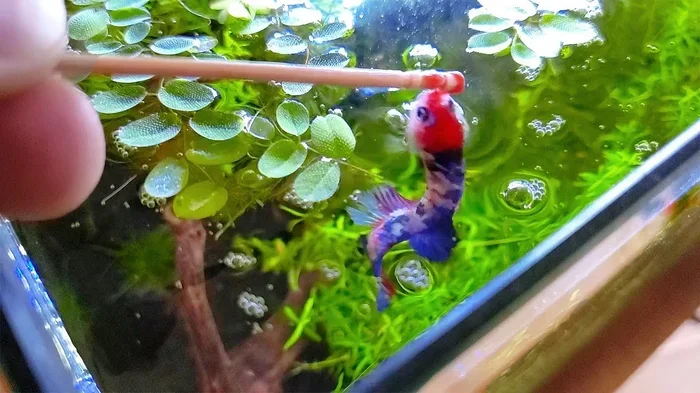
- Shake a pinch of pellets into the water once or twice daily.
- Observe your betta: if it eats all within 2‑3 minutes, you’ve given the right amount.
- Remove any uneaten pieces after 5 minutes to keep water clear.
- Rotate with a high‑quality frozen or live treat once a week for enrichment.
Flakes: The Classic Choice
Pros of Feeding Flakes
- Convenient and cheap: Flakes are easy to store and scooping them out of the bag is quick.
- Surface feeding: Bettas naturally come to the surface, so flakes are readily available.
- Variety: Many brands blend shrimp, bloodworm, and algae, giving a broader taste spectrum.
Cons of Feeding Flakes
- Water quality risk: Flakes dissolve quickly, creating a cloud of particles that can spike ammonia.
- Less precise nutrition: Some low‑cost flakes contain high filler levels that dilute protein.
- Over‑feeding temptation: It’s easy to pour too much because flakes look like “snow.”
Choosing High‑Quality Flakes
Pick flakes that list “whole shrimp” or “bloodworm” near the top of the ingredient list. Avoid those with “fish meal” as the sole protein source and look for added vitamins (A, D3, B12).

Visual guide about Are Pellets or Flakes Better for Betta Fish
Image source: i.pinimg.com
Feeding Tips for Flakes
- Sprinkle a pinch (about the size of a pea) onto the water surface.
- Watch your betta eat; if food remains after 2 minutes, scoop it out.
- Combine flakes with a small amount of frozen daphnia 2‑3 times a week for texture.
Mixing Pellets and Flakes: A Balanced Approach
Why a Hybrid Diet Works
Just like humans benefit from a varied diet, bettas thrive when they get both the steady nutrition of pellets and the sensory stimulation of flakes. A hybrid approach can:
- Provide complete protein from pellets.
- Offer texture and surface feeding excitement from flakes.
- Help prevent picky eating habits.
Sample Feeding Schedule
| Day | Morning | Evening |
|---|---|---|
| Mon‑Fri | 2 small pellets | Pinch of flakes |
| Sat | 2 pellets + frozen brine shrimp | Pinch of flakes |
| Sun | Pinch of flakes | 2 pellets |
Monitoring Health Indicators
Watch for bright coloration, smooth fins, and active swimming. If you notice cloudy water, excess waste, or a loss of color, adjust the ratio—perhaps more pellets and fewer flakes.
Impact on Tank Environment
Water Quality Considerations
Both food types can affect ammonia and nitrate levels, but pellets tend to break down slower, giving your filter a better chance to process waste. In heavily planted tanks—like those described in Which Live Plants Are Good For Betta Fish—sinking pellets are less likely to disturb the substrate and plant roots.
Cleaning and Maintenance
- Perform a 25% water change weekly, especially if you feed mostly flakes.
- Vacuum the substrate to remove any pellet fragments that have settled.
- Use a fine mesh net to skim floating flakes after feeding.
Temperature and Feeding
Betta metabolism speeds up in warmer water (around 78‑80°F). In such conditions, feed slightly less to avoid over‑loading the system. For exact temperature guidelines, see What Temperature Should Water Be For A Betta Fish.
Special Situations: Fry, Sick, and Senior Bettas
Feeding Fry
Newly hatched bettas need infusoria or finely crushed high‑protein flakes. Pellets are too large until they are at least a month old.
Recovering from Illness
When a betta is under the weather, soft, easily digestible flakes or a gelatin‑based diet are recommended. Pellets can be softened in a drop of tank water before offering.
Senior Bettas
Older fish often lose appetite. A small amount of high‑fat pellet can entice them, while occasional frozen bloodworms provide a scent that triggers feeding.
Conclusion: Making the Best Choice for Your Betta
There is no one‑size‑fits‑all answer to “are pellets or flakes better for betta fish.” The ideal diet blends the nutritional consistency of pellets with the surface‑feeding convenience of flakes, adjusted for your betta’s age, health, and tank setup. By monitoring water quality, observing your fish’s behavior, and rotating high‑quality treats, you’ll give your betta the tools to stay vibrant and active for years.
Remember, the most important factor is consistency—pick a reliable brand, feed the right amount, and keep the tank clean. Your betta will thank you with dazzling colors and graceful fins.
Frequently Asked Questions
Are pellets more nutritious than flakes?
Generally, high‑quality pellets contain a more balanced protein‑fat‑vitamin profile because the ingredients are compacted and fortified, while many cheap flakes rely on fillers.
Can I feed only flakes to my betta?
It’s possible, but you’ll need to choose premium, low‑filler flakes and monitor water quality closely to avoid excess waste.
How often should I change the water after feeding?
A 25% water change once a week is sufficient for most bettas; increase frequency if you notice cloudy water after feeding flakes.
Do pellets help keep the tank cleaner?
Yes, because pellets sink slowly and are less likely to float and decompose on the surface, reducing ammonia spikes.
What should I feed a betta fry?
Use finely crushed high‑protein flakes or live infusoria until the fry are large enough to handle softened pellets.
Is it okay to mix live food with pellets or flakes?
Absolutely. Adding a small amount of frozen or live treats once or twice a week provides enrichment and boosts color.