Are Betta Fish Compatible with Other Fish

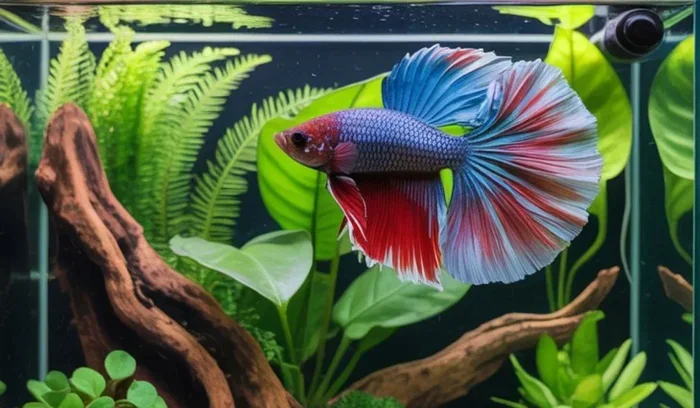
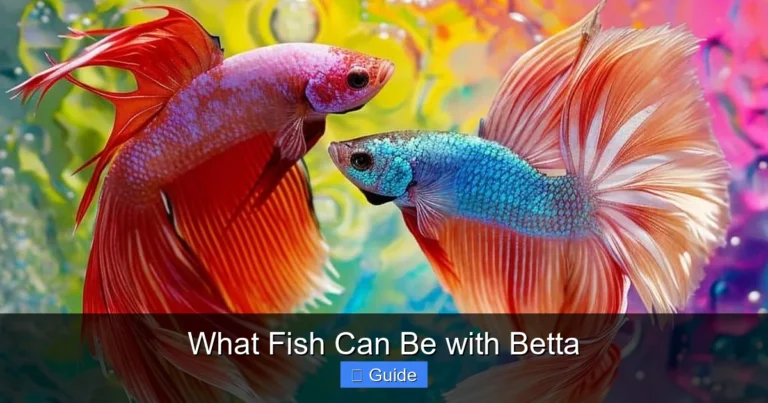
Are betta fish compatible with other fish? The answer depends on your betta’s personality, tank setup, and the species you choose. While some bettas live peacefully with compatible tank mates, others prefer to live alone due to their territorial nature. In this guide, we break down everything you need to know about betta fish compatibility with other species.
Key Takeaways
- Not all bettas are the same: Each betta has a unique personality that affects how well they get along with other fish.
- Tank size matters: A larger aquarium gives your betta space to retreat, improving betta fish compatibility with tank mates.
- Avoid fin-nippers: Species like tiger barbs and serpae tetras can irritate bettas and trigger aggression.
- Great tank mates exist: Corydoras, snails, and certain shrimp can coexist peacefully with bettas.
- Watch for stress signs: Flaring, hiding, or loss of appetite means your betta may not be compatible with other fish in the current setup.
- Female bettas handle company better: Female bettas can sometimes live in small groups, unlike aggressive males.
- Always plan ahead: Research and proper introduction make a huge difference in whether your betta thrives with tank mates.
📑 Table of Contents
- Are Betta Fish Compatible With Other Fish? Everything You Need to Know
- Understanding Betta Fish Behavior
- Factors That Affect Betta Fish Compatibility
- Best Tank Mates for Betta Fish
- Fish to Avoid Keeping With Betta Fish
- Can You Keep a Betta Fish With Other Fish? A Step-by-Step Guide
- Setting Up the Perfect Community Tank for Bettas
- Expert Insights on Betta Fish Compatibility
- Common Mistakes When Keeping Bettas With Other Fish
- Conclusion
Are Betta Fish Compatible With Other Fish? Everything You Need to Know
Keeping a betta fish is one of the most rewarding experiences for aquarium lovers. These colorful fish are beautiful, entertaining, and surprisingly full of personality. But if you are wondering are betta fish compatible with other fish, the honest answer is: it depends. Some bettas live happily alongside other species. Others attack anything that swims near their territory. Understanding betta fish compatibility is the key to building a thriving aquarium.
In this guide, we will cover everything about betta fish tank mates. You will learn which species work well, which to avoid, and how to set up your tank for success. Whether you are a new betta owner or a seasoned hobbyist, this article has practical advice to help you make the right choices.
Understanding Betta Fish Behavior
Why Betta Fish Can Be Aggressive
Betta fish are territorial by nature. In the wild, they guard small patches of water full of food and hiding spots. When something enters their space, they react. This is why betta fish aggression is so common in home aquariums. Males are especially territorial. They flare their gills, display bright colors, and will fight other bettas or similar-looking fish. This behavior is sometimes called “betta fish fighting,” and it is important to understand it before adding any tank mates.
Female bettas are generally less aggressive. They can sometimes live in small groups called “sororities.” However, even females can show territorial behavior if the tank is too small or lacks hiding spots. So, are betta fish compatible with other fish? It really comes down to individual temperament and environment.
Signs Your Betta Is Stressed
Not sure if your betta is comfortable with other fish in the tank? Watch for these signs:
- Constant flaring: Your betta flares at every fish that passes by.
- Hiding excessively: A stressed betta hides behind plants or decorations.
- Loss of color: A healthy betta is vibrant. Dull colors often signal stress.
- Clamped fins: Fins held close to the body mean your betta is uncomfortable.
- Loss of appetite: A betta that stops eating needs attention.
If you notice these behaviors, it may be time to rethink your betta fish compatibility setup. Sometimes, removing tank mates is the kindest choice for your fish.
Factors That Affect Betta Fish Compatibility
Tank Size
Tank size is one of the biggest factors in betta fish compatibility. A small bowl or tank makes it nearly impossible for a betta to share space peacefully. In a cramped environment, your betta has nowhere to retreat. This leads to stress and aggression. A minimum 5-gallon tank is recommended if you plan to keep betta fish with other fish. Larger tanks give everyone more room and help reduce territorial disputes.
Tank Layout
A well-planned aquarium layout makes a huge difference. Plants, caves, driftwood, and decorations break up sight lines. This gives your betta places to claim as territory and escape routes if needed. When the tank has plenty of cover, are betta fish compatible with other fish? The answer becomes more likely yes. Open tanks with no hiding spots are a recipe for disaster. Always create multiple territories so no single fish dominates the whole tank.
Water Conditions
Bettas prefer warm water between 76°F and 82°F. They also like slightly acidic to neutral pH levels. When water quality drops, stress increases. A stressed betta is more likely to be aggressive toward tank mates. Regular water changes and proper filtration keep everyone healthy and calm. Good water parameters benefit all species in the tank, not just your betta.
Individual Personality
Here is something many beginners do not realize: every betta is different. Some are naturally calm and tolerate other fish easily. Others are feisty from day one. You cannot always predict how a betta will react. This is why gradual introductions and close observation are so important. If your betta shows consistent aggression, it may be best to keep it alone. Not every betta needs tank mates to live a happy life.
Best Tank Mates for Betta Fish
Choosing the right betta fish tank mates can transform your aquarium into a peaceful community. Here are some of the best options that work well with bettas.
Corydoras Catfish
Corydoras catfish are one of the top choices for betta fish compatibility. These bottom-dwellers stick to the lower parts of the tank. They rarely bother bettas and keep the substrate clean. Corydoras are peaceful, social, and do well in small groups. A small school of pygmy corydoras adds activity to your tank without triggering betta fish aggression. Just make sure the tank is at least 10 gallons to accommodate both species comfortably.
Snails
Snails are excellent tank mates for bettas. They are slow, peaceful, and stay small. Mystery snails and nerite snails are popular choices. They eat algae and leftover food, helping keep the tank clean. Most bettas ignore snails entirely. However, some bettas may harass slow-moving snails. For this reason, are snails compatible with betta fish? Generally yes, but always monitor the first few days after introduction. If your betta shows persistent interest in the snail, consider a different option. For more details, check out our guide on are snails compatible with betta fish.
Shrimp
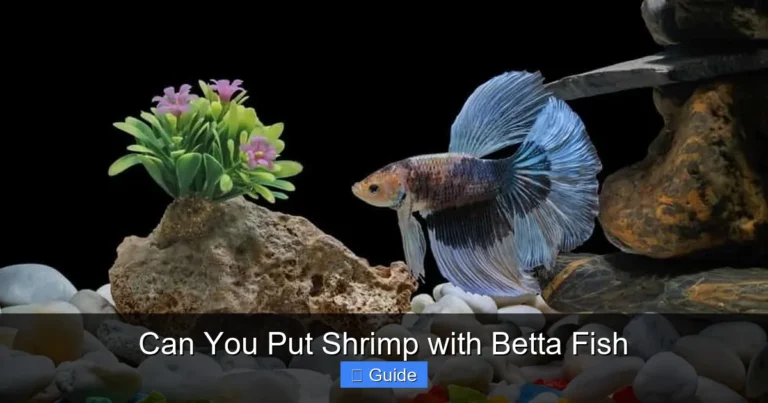
Shrimp can be great tank mates depending on the species. Ghost shrimp and amano shrimp are usually safe. They are fast enough to avoid most bettas and stay low-maintenance. However, are betta fish compatible with shrimp? It varies. Cherry shrimp are colorful but can be vulnerable because they are slow. Your betta may see them as food. If you want to try shrimp, start with hardier species and provide plenty of plants for cover. Learn more about this topic in our article on are betta fish compatible with shrimp.
Tetras
Not all tetras work, but some species are excellent betta fish compatibility choices. Ember tetras and harlequin rasboras are small, peaceful, and stay in the middle of the tank. They do not provoke bettas easily. Avoid neon tetras, as they tend to be nippy. Always choose tetras that occupy different areas of the tank to reduce conflict with your betta.
Other Peaceful Bottom Dwellers
Kuhli loaches and otocinclus catfish can also work well. They stay near the bottom and keep busy at night. These species rarely interact with bettas during the day. As long as the tank has enough space and hiding spots, these tank mates can coexist peacefully.
Fish to Avoid Keeping With Betta Fish
Fin-Nippers
Some fish see betta fins as toys. Fin-nipping fish are a definite no-go. Tiger barbs, serpae tetras, and certain danios fall into this category. They chase bettas and nip at their beautiful fins. This causes injury, stress, and frustration. If you love these species, keep them in a separate tank away from your betta.
Other Bettas
Can two bettas live together? Generally, no. Two male bettas will fight, sometimes to the death. Are male betta fish compatible with other fish? Other bettas top the danger list. Are male betta fish compatible with other fish? This is a common question, and the short answer is that housing two males together almost always leads to aggression. Two female bettas can sometimes live together, but it is risky. Even female bettas can fight over territory. If you want to try a sorority, use a large tank with many hiding spots and multiple feeding areas. For more guidance, read our article on are male betta fish compatible with other fish.
Bright or Flowy Fish
Bettas can be jealous. Fish with bright colors or long fins may trigger territorial behavior. Guppies, angelfish, and goldfish should be avoided. Guppies are colorful and finned, which can make your betta flare constantly. Are male betta fish compatible with guppies? No, most experts advise against this pairing. Guppies also breed quickly, leading to overpopulation. Goldfish produce too much waste for a betta tank. Angelfish are aggressive and may outcompete your betta for food.
Large or Aggressive Fish
Any fish bigger or more dominant than your betta is a risk. Cichlids, oscars, and large gouramis will see your betta as prey or competition. Even some community fish like bettas can become aggressive in close quarters. Always research before adding anything new to the tank.
Can You Keep a Betta Fish With Other Fish? A Step-by-Step Guide
If you are ready to try adding tank mates, follow these steps for the best chance of success.
Step 1: Prepare the Tank
Set up a tank of at least 5 gallons. Add plants, caves, and decorations to create territories. Make sure the water is clean and at the right temperature. A well-established tank is much safer than a brand-new one.
Step 2: Choose Compatible Species
Research any species before adding it. Stick with peaceful, bottom-dwelling, or mid-level swimmers. Avoid anything that looks too similar to your betta. Fish that share the same swimming area and food source are more likely to conflict.
Step 3: Introduce Slowly
Do not add multiple new fish at once. Introduce one tank mate at a time. Watch how your betta reacts. If aggression is mild and short-lived, that is a good sign. If your betta attacks nonstop, remove the new fish and try a different species. For more details on this process, explore our guide on which fish are compatible with betta fish.
Step 4: Monitor Closely
Observation is key. Watch your betta and tank mates for several hours after each introduction. Look for signs of stress or bullying. Make adjustments as needed. Sometimes a simple rearrangement of decorations can solve territorial problems.
Step 5: Have a Backup Plan
Always be ready with a backup tank or divider. If things go wrong, you need to separate fish quickly. Keep a quarantine tank on hand for sick or stressed fish. Being prepared saves time, money, and most importantly, lives.
Setting Up the Perfect Community Tank for Bettas
Choosing the Right Aquarium
A 10-gallon tank is ideal for a betta community. It gives your betta enough space and room for tank mates. Smaller tanks can work, but they are harder to manage. In a 5-gallon tank, one betta and one or two small tank mates can be fine. Just keep an eye on water quality. More fish means more waste, so invest in a good filter.
Planting and Decorating
Live plants are the best addition for a community betta tank. Plants like java fern, anubias, and amazon sword provide cover and reduce stress. They also improve water quality by absorbing nitrogen compounds. Driftwood and rocks create natural territories. Arrange decorations to break up lines of sight. Your betta should feel secure, and other fish should have enough open swimming space.
Feeding in a Community Tank
Feeding time can cause conflict. Betta pellets sink slowly, which is perfect for your betta. Add sinking wafers for bottom dwellers like corydoras and snails. Feed small amounts multiple times a day rather than one large meal. This reduces competition. Always make sure every fish gets enough food. A hungry betta is a grumpy betta.
Expert Insights on Betta Fish Compatibility
Experienced aquarists agree that betta fish compatibility is not a one-size-fits-all answer. Many experts recommend starting with a solo betta and observing its behavior before introducing tank mates. Some bettas do better alone. Others thrive in communities. The key is patience and observation. Expert hobbyists also suggest using a tank divider at first. This lets your betta see and get used to other fish without physical contact. After a few weeks, you can remove the divider and see how things go. This method greatly reduces the risk of sudden aggression.
Quick Tips for Success
- Start with a peaceful betta: Choose a betta with calm body language.
- Add tank mates first: Sometimes it is easier to add other fish first and introduce the betta last.
- Use a large tank: More space means less conflict.
- Feed well: A well-fed betta is a calm betta.
- Never overcrowd: Stick to a manageable number of fish.
- Remove bullies: If one fish is aggressive, separate it immediately.
Common Mistakes When Keeping Bettas With Other Fish
Many beginners make avoidable mistakes when setting up a betta fish community. Here are the most common ones to watch out for.
- Too small of a tank: A tiny bowl is not a home for multiple fish. Upgrade to at least 5 gallons.
- Ignoring personality: Some bettas simply do not want company. Respect your fish’s individuality.
- Adding too many fish at once: This overwhelms your betta and causes stress. Introduce slowly.
- Skipping research: Every species has different needs. Always check betta fish compatibility before buying.
- Wrong water temperature: Cold water stresses bettas and weakens their immune system. Keep heaters on.
- Overfeeding: Extra food pollutes the water and makes fish lazy. Feed small, regular meals.
Conclusion
Are betta fish compatible with other fish? Yes, they can be, but it takes planning, patience, and observation. The right tank mates can make your aquarium come alive. Peaceful bottom dwellers, small tetras, and certain invertebrates are all great options. On the other hand, fin-nippers, aggressive species, and other bettas should be avoided. Every betta has its own personality. What works for one betta may not work for another. Always watch your fish closely and be ready to make changes. A successful community tank is built on research, proper setup, and a genuine love for your aquatic friends. Apply what you have learned, start small, and enjoy the journey of creating a beautiful betta fish community.
Frequently Asked Questions
Can a betta fish live with other fish permanently?
Yes, many bettas can live with compatible tank mates permanently. Species like corydoras, snails, and ember tetras can share a tank with a betta. However, you must monitor the tank closely. Some bettas prefer to live alone, and that is perfectly normal too.
What is the best tank mate for a betta fish?
The best betta fish tank mates include corydoras catfish, mystery snails, ghost shrimp, and ember tetras. These species stay peaceful, occupy different areas of the tank, and rarely provoke aggression. Always introduce them slowly and watch for any signs of stress.
Can female bettas live with other fish?
Yes, female bettas are generally less aggressive than males. They can sometimes live with peaceful tank mates like small tetras, snails, and shrimp. Female bettas can even live in groups. However, proper tank size and hiding spots are essential for success.
Why is my betta fish aggressive toward tank mates?
Betta fish aggression usually comes from territorial behavior. A small tank, lack of hiding spots, or the presence of fin-nipping fish can trigger this. Sometimes, a betta simply does not want company. Try rearranging decorations or separating the aggressive fish temporarily.
Are dwarf gouramis compatible with betta fish?
This is a tricky pairing. Are dwarf gouramis compatible with betta fish? Both species are colorful and can be territorial. They may fight over territory, especially in smaller tanks. If you want to try this combination, use a large tank with plenty of plants and break up sight lines. Monitor closely during the first few weeks.
What should I do if my betta attacks a new tank mate?
Remove the attacked fish immediately. Give your betta time to adjust before trying again. Rearrange the tank layout to reset territories. If your betta continues to show aggression, it may be best to keep it solo. Not every betta needs tank mates to be happy.