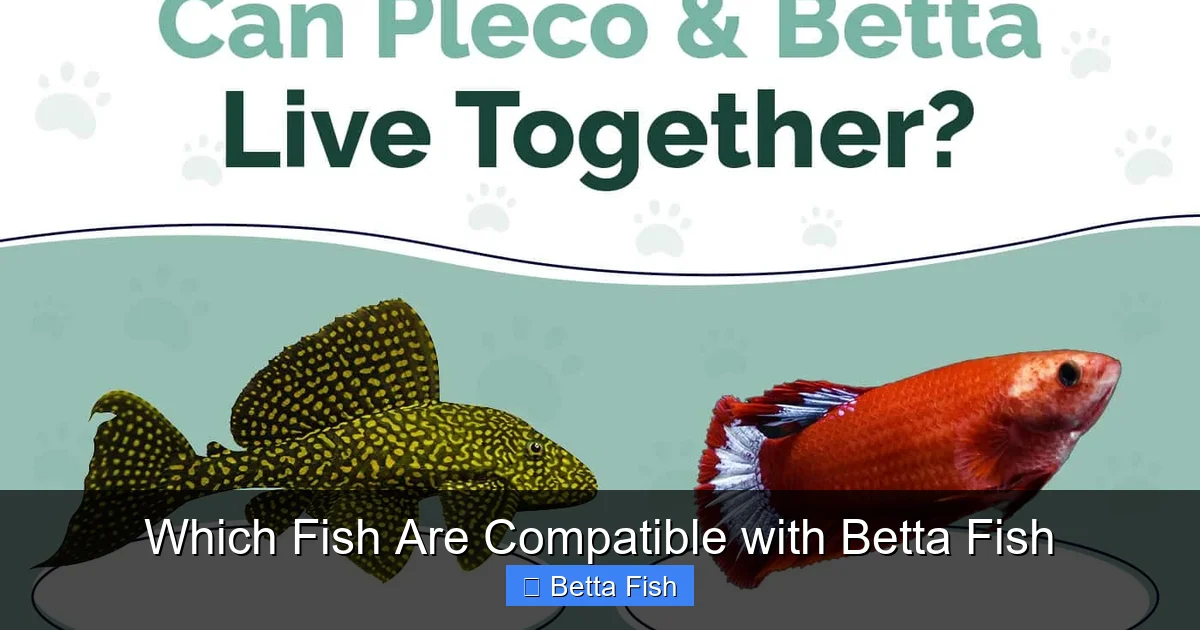
Which Fish Are Compatible with Betta Fish
Choosing compatible tank mates for your betta fish is crucial for a peaceful aquarium. Success depends on your betta’s individual temperament, a properly sized and decorated tank (minimum 20 gallons), and selecting species that are non-aggressive, lack bright fins, and occupy different tank levels. Always introduce new fish slowly and monitor closely for signs of stress or aggression. When in doubt, a species-only betta tank is the safest and most beautiful option.
So you’ve fallen in love with a betta fish. That flowing veil of a half-moon tail, the intense gaze as it flares at you from the glass, the stunning array of colors from deep royal blue to fiery red. It’s a captivating pet, a living jewel for your home. But then a thought creeps in: “Can I put anything else in there with him?” The question of which fish are compatible with betta fish is one of the most common—and most complex—in the aquarium hobby. The short, frustrating answer is: it depends. The longer, more helpful answer is what this entire guide is about. We’re going to unpack the myth of the “betta community tank,” dive deep into the factors that determine compatibility, and give you a clear, actionable roadmap for creating a peaceful, thriving underwater world that includes your magnificent betta.
First, let’s address the elephant in the room: the Siamese fighting fish’s notorious reputation. The name isn’t a metaphor. Male bettas were historically bred for aggression, and that instinct runs deep. However, that doesn’t mean they are destined to live in solitary confinement. Many bettas can live with carefully selected companions. The keyword is carefully. Success isn’t about finding a magical “betta-friendly” fish; it’s about understanding your betta, designing the right environment, and following a meticulous process. Your goal is to minimize stress and territorial triggers for your betta while providing tank mates that are robust, peaceful, and uninterested in provoking a fight. Let’s start with the most important factor of all: your specific betta’s temperament.
Key Takeaways
- Your Betta’s Personality is Key: Some bettas are naturally more aggressive than others. There is no universal compatibility list; you must observe your specific fish.
- Tank Size is Non-Negotiable: A minimum of 20 gallons is strongly recommended for any community tank with a betta to provide ample space and reduce territorial disputes.
- Choose Tank Mates with Care: Ideal mates are peaceful, have dull coloration, short fins, and prefer different swimming levels (bottom or mid-water) to avoid the betta’s space.
- Avoid Fin-Nippers and Flashy Fish: Fish with long, flowing fins (like guppies) or bright colors often trigger a betta’s aggression and should be avoided.
- The Introduction Process is Critical: Always quarantine new fish, use a divider or acclimation box for the first introduction, and be prepared to separate them if fighting occurs.
- Plants and Hiding Spots are Essential: Live or silk plants, caves, and driftwood break line of sight and provide security for all fish, significantly reducing stress and aggression.
- Be Ready to Rehome: Have a backup plan (a separate tank or a trusted store) if the betta and tank mate are not compatible, as some bettas will never tolerate other fish.
📑 Table of Contents
Understanding Betta Temperament: It’s a Personality Thing
If you listen to seasoned betta keepers, you’ll hear one story after another. One person’s male betta lives peacefully with a school of neon tetras for years. Another’s flares at its own reflection endlessly. A third gets along with a single mystery snail but attacks any fish that comes near. This variability is the core truth of betta compatibility. Your betta is an individual.
The Myth of the “Friendly” Betta
There is no such thing as a universally “friendly” or “aggressive” betta breed or color. A vibrant red half-moon can be a docile soul, while a plain-looking plakat (the short-finned, active variety) might be a tank bully. Do not choose a tank mate based on your betta’s color or fin type. Instead, you must observe your betta in its current setup. How does it react when you put a finger near the glass? Does it flare (puff up its gills and extend its fins) immediately and persistently, or does it give a brief flare and then lose interest? A betta that flares at everything is a poor candidate for a community tank. A betta that is mostly indifferent to outside movement has a much higher chance of success. Spend a week just watching before you even consider adding another creature.
Sex Matters: Male vs. Female Bettas
This is a critical distinction. Male bettas are almost always kept alone with other fish due to their strong territorial instincts towards other males and their tendency to see other brightly colored or finned fish as rivals. Female bettas, while less commonly kept, can sometimes be housed in small groups called “sororities” (5+ females in a heavily planted 40+ gallon tank) and are often (but not always) less aggressive towards other species. However, a female betta can still be a fierce individual. The guidelines for choosing tank mates for females are similar to those for males, but the aggression level can be lower on average, making them slightly more predictable community candidates. For this guide, when we say “betta,” we are primarily referring to the standard, solitary male betta, as that is the most common pet store variety.
The Ideal Tank Setup: Foundation for Peace
You can have the most peaceful betta in the world, but if you put it in a 5-gallon glass bowl with a plastic plant and a neon tetra, you are setting the stage for disaster. The environment is your most powerful tool for managing betta behavior. A proper setup reduces stress, provides escape routes, and breaks up the betta’s line of sight, making it harder for it to claim the entire tank as its exclusive kingdom.
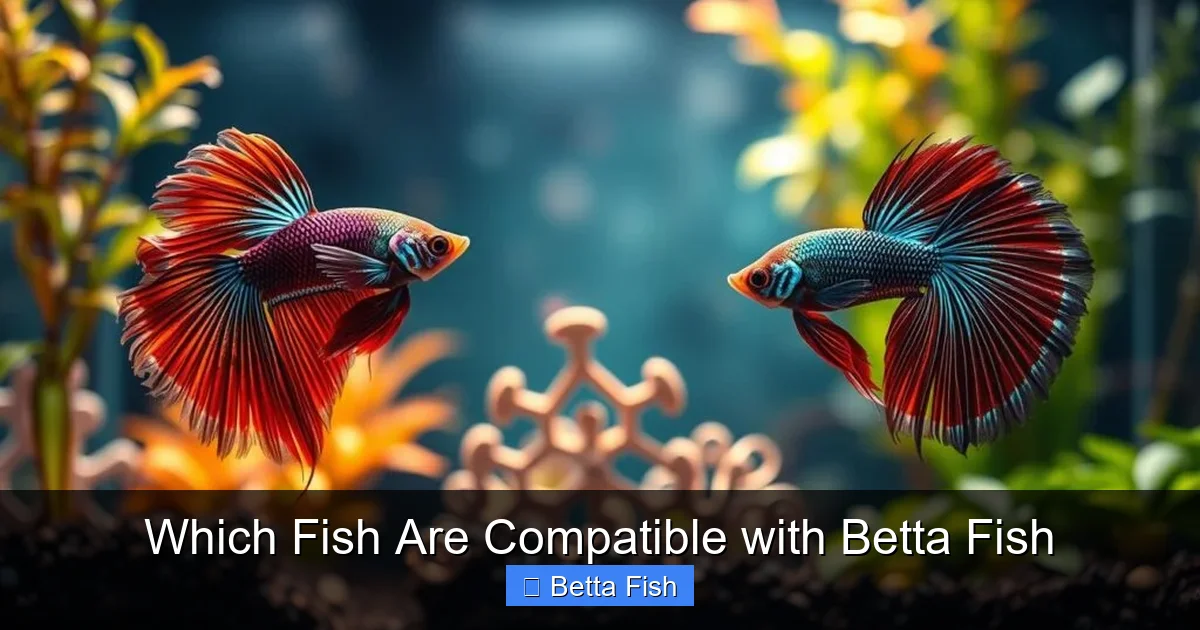
Visual guide about Which Fish Are Compatible with Betta Fish
Image source: koibettafish.com
Tank Size: Bigger is Infinitely Better
Let’s be unequivocal: the tiny “betta vase” or 1-2 gallon “desktop tank” is unsuitable for any tank mate. Period. A solitary betta can, with immense effort, survive in 5 gallons, but it will not thrive. For a community tank, you need space. The absolute minimum recommended tank size for a betta with tank mates is 20 gallons (long or regular). A 20-gallon long tank provides a crucial 30 inches of horizontal swimming space, which is far more important than depth. This gives a betta a clear territory at one end and allows other fish to inhabit the other end without constant intrusion. Larger is always better. A 29 or 55-gallon tank provides even more stability and options. The extra water volume dilutes any aggression and provides more hiding spots. Never attempt a community betta tank in anything less than 20 gallons.
Aquascaping: Creating a Stress-Reducing Maze
Your tank should look like a lush, underwater jungle, not an empty arena. The goal is to obstruct the betta’s view so it cannot see the entire tank at once. This prevents it from seeing another fish as an intruder in its space.
- Plants: Use live plants (like Java fern, Anubias, Amazon swords, Cryptocorynes) or high-quality silk plants. Floating plants (like dwarf water lettuce or frogbit) are golden. They create a canopy at the surface, which bettas naturally love, and block the view from above. Avoid plastic plants with sharp edges that can tear delicate betta fins.
- Hardscape: Driftwood, rock caves, and ceramic pots provide solid hiding places. Ensure all decorations are aquarium-safe and have no sharp edges.
- Substrate: A soft, sandy or fine-gravel substrate is best for the sensitive betta barbels and for bottom-dwelling tank mates.
The more visual barriers you create, the more secure everyone will feel. A betta that can dart behind a plant to avoid a boisterous tetra is a betta that is less likely to attack.
Water Parameters: The Non-Negotiable Baseline
All fish need stable, clean water. Bettas are tropical fish from the warm, shallow waters of Thailand. They require:
- Temperature: 76-82°F (24-28°C). Use a reliable heater. A stable temperature is crucial for immune health.
- Filtration: A gentle filter is a must. Sponge filters are excellent for bettas as they provide bio-filtration without a strong current that can stress their long fins. If using a hang-on-back (HOB) or canister filter, baffle the outflow with a sponge or direct it towards the tank wall.
- Water Quality: Zero ammonia and nitrite, very low nitrate (<20 ppm). A cycled tank is essential. Perform regular water changes (25-50% weekly) to maintain pristine conditions.
Any fish you introduce must be compatible with these parameters. Most common tropical community fish are, but it’s your first check.
Top Compatible Species: The Most Successful Candidates
Now for the list you’ve been waiting for. Remember, these are candidates, not guarantees. Each fish on this list has traits that make it a lower-risk companion for a betta. We’ll break them down by the level of the tank they inhabit, as this spatial separation is a key strategy for success.
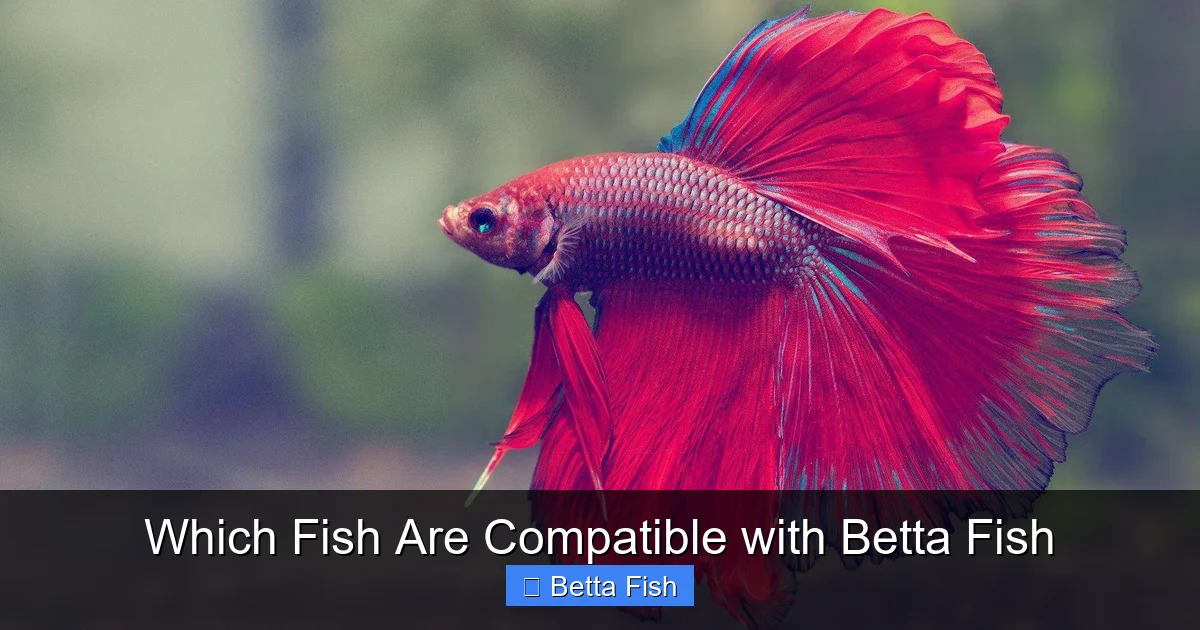
Visual guide about Which Fish Are Compatible with Betta Fish
Image source: wallpapers.com
Bottom-Dwellers: The Peaceful Clean-Up Crew
These fish occupy the substrate, a zone the betta rarely visits. They are often armored, slow-moving, and have no flowing fins to trigger aggression. They are the safest first choice for a betta companion.
- Corydoras Catfish (Cories): The absolute gold standard for betta tank mates. These small, armored catfish are adorable, social, and must be kept in groups of 5 or more. They sift through the sand for food, are completely peaceful, and their bony plates protect them from any curious betta nibble. Popular types include Peppered, Panda, and Bronze corys. They are hardy and fun to watch.
- Kuhli Loaches: These fascinating, eel-like loaches are masters of camouflage, spending the day burrowed or hiding under decorations. They are completely harmless, nocturnal, and add a unique dynamic. Keep them in groups of 3-5.
- Bristlenose Plecos (Ancistrus): A small species of plecostomus (stay away from common plecos, which get huge). They are algae eaters with a distinctive mustache-like tentacles. They are primarily nocturnal and stick to the glass or wood. They have heavy armor. Ensure your tank is large enough (20+ gallons) and has driftwood for them to graze on.
- Otocinclus Catfish (“Otos”): The smallest and most delicate of the bunch. These tiny algae grazers are excellent for a well-planted tank with established algae growth. They are very sensitive to water quality, so only add them to a mature, stable tank. They are best kept in small schools of 3-5.
Mid-Level Schoolers: The Dazzling Distraction
These are small, peaceful, schooling fish that create a beautiful, moving barrier in the middle of the water column. Their key traits are: they are fast swimmers, they are non-nippers, and they have dull or very small coloration (no long fins). They must be kept in proper schools (6+ minimum) to feel secure and behave naturally.
- Harlequin Rasboras (Trigonostigma heteromorpha): Perhaps the single best mid-level schooler for a betta tank. They have a subtle, beautiful orange/red triangle on their tail, but it’s not flashy enough to trigger most bettas. They are active, hardy, and stay in a tight school. The larger “giant” harlequin rasbora is also an excellent choice.
- Celestial Pearl Danios (Danio margaritatus): Also called Galaxy Rasboras. These tiny, stunning fish have a speckled, starry pattern. They are shy and prefer densely planted tanks. Their small size and pattern make them unlikely targets. Keep in groups of 8+.
- Ember Tetras (Hyphessobrycon amandae): As the name suggests, they are a glowing, fiery orange-red. This could be a problem, but their tiny size (under 1 inch) and hyperactive, schooling nature often make them successful. They are so small and move so fast that a betta often just ignores them. A large school (10+) is essential.
- Neon/Green Neon Tetras: This is a classic, but it comes with a major caveat. Their bright blue/red stripe is a classic betta trigger. Some bettas will ignore them, others will hunt them relentlessly. Only attempt this with a proven, calm betta in a large, heavily planted tank (30+ gallons preferred) with a large school (12+). The green neon tetra (Paracheirodon simulans) is slightly less flashy and may be a better option.
- Cherry Barbs: Choose the females for a community tank. Males are red and can trigger aggression. Females are a duller olive/brown with a slight red tint. They are active, hardy schoolers. Keep a group of 6+ with 2-3 females for every male if you do include males.
Surface & Middle Dwellers: Proceed with Extreme Caution
This is the danger zone. These fish swim at or near the surface where the betta reigns. Only the most non-threatening, dull-colored options should be considered.
- White Cloud Mountain Minnows (WCMMs): A cold-water fish (prefers 64-72°F) that can sometimes coexist with a betta if your room temperature is on the cooler side of the betta’s range (around 76°F). They are active, silvery, and have a small red tail fin. They are not tropical but are often hardy. This is a borderline choice; temperature mismatch is a risk, but their drab color and speed can work.
- Dwarf Rasboras (Boraras maculatus, B. brigittae): Tiny, hyperactive, and schooling. Their coloration is more of a muted red/brown with a spot. Their minute size and frantic movement make them difficult for a betta to focus on. Require a group of 10+ in a planted tank.
A general rule: any fish that is bright red, blue, or has large, flowing fins is an automatic “no.”
Fish to Avoid: The Usual Suspects
Just as important as knowing who might work is knowing who will not. This list is more definitive than the “compatible” list. Steer clear of these fish at all costs.
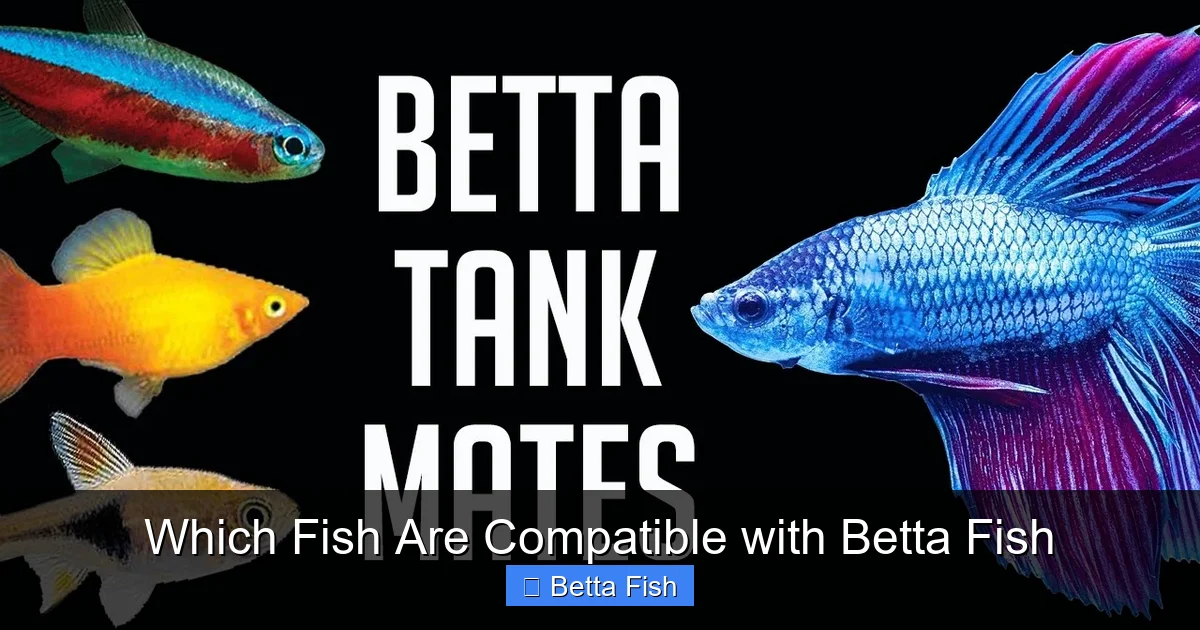
Visual guide about Which Fish Are Compatible with Betta Fish
Image source: i.ytimg.com
Fin-Nippers and Fin-Eaters
These fish have a genetic or behavioral tendency to bite at the long, flowing fins of a betta. They will turn your majestic half-moon into a ragged, torn mess.
- Tetras: Most tetras (Neon, Cardinal, Rummy-nose, etc.) are notorious fin-nippers, especially when not kept in a large enough school. The stress of a betta’s presence can exacerbate this behavior.
- Barbs: Tiger barbs, cherry barbs (males), and rosy barbs are classic fin-nippers. Avoid entirely.
- Some Danios: Zebra danios can be boisterous and nippy, especially towards slow-moving, long-finned fish.
Fish with Long, Flowing Fins (The Mirror Problem)
To a betta, a fish with a large, flowing tail is a rival male betta. It will flare, chase, and often attack these fish relentlessly.
- Fancy Guppies: The absolute worst choice. Male guppies have huge, colorful caudal fins. A betta will see it as the ultimate challenge and likely kill it.
- Fancy Goldfish: They are cold-water fish with different temperature requirements, and their flowing fins (like orandas or veiltails) are a major trigger. Plus, goldfish are messy and produce a lot of ammonia, which is toxic to bettas.
- Betta Splendens: Never put two male bettas together. They will fight to the death. Female bettas can sometimes be kept in sororities, but it’s a complex, high-risk endeavor requiring expert-level tank setup and monitoring. Never house a male and female together long-term except for controlled breeding.
- Gouramis: Other members of the gourami family (dwarf gouramis, kissing gouramis, pearl gouramis) are labyrinth fish like bettas and often have similar temperaments. They can be territorial and will likely spar with the betta. Avoid.
Slow, Fancy, or Delicate Fish
These fish are too slow to escape a curious or aggressive betta and may be seen as food or easy targets.
- Fancy Slow-Moving Fish: Angelfish (too large and can eat a betta), fancy goldfish (as above), some long-finned swordtails.
- Delicate Species: Many wild-caught or extremely sensitive fish will not tolerate the stress of a betta’s presence. Stick to hardy, robust community fish.
The Introduction Process: Slow and Steady Wins the Race
You have your 20-gallon long tank, heavily planted with Java fern and driftwood. You’ve chosen a school of 8 harlequin rasboras and 6 corydoras. Your betta, “Bubbles,” has been living happily alone for a month and mostly ignores your movements. Now what? The introduction is the most critical phase and must never be rushed.
Step 1: Quarantine
Before a single new fish sees your display tank, it must go through a 4-6 week quarantine in a separate, filtered tank. This is to ensure it is not carrying any diseases (like ich, velvet, or internal parasites) that could infect your betta. A healthy fish is a resilient fish. Treat any issues during quarantine before considering the move.
Step 2: The Acclimation Box (Highly Recommended)
Do not simply net the new fish and drop them in. The safest method is to use an acrylic or mesh divider (like a “breeder box” or a DIY tank divider) placed inside the display tank. Place the new fish in the divider section for at least 24-48 hours. This allows them to see and be seen by the betta in a physically separated space. The betta can flare and establish its “territory” against the barrier without being able to harm anyone. During this time, observe Bubbles. Is he constantly flaring at the divider, or does he lose interest after a few minutes? Persistent, aggressive flaring is a bad sign.
Step 3: The First Release (At Dusk)
If the betta’s reaction during the divider phase was mild (brief flares, then ignoring), you can proceed. Release the new fish at night, just before you turn off the lights. This gives them the cover of darkness to find hiding spots and reduces the immediate confrontational energy. Do not release them directly in front of the betta’s favorite spot. Instead, lower them near a plant or decoration on the opposite side of the tank.
Step 4: The 72-Hour Observation Period
For the next three days, you are a full-time aquarium security guard.
- Watch for the betta chasing the new fish relentlessly, cornering them, or biting at fins.
- Watch for the new fish hiding constantly, not eating, or having torn fins.
- Some initial curiosity (a slow approach, a brief flare) is normal. Sustained aggression is not.
If you see sustained aggression, be prepared to immediately re-divide the tank or remove the betta to a hospital tank. Sometimes, a slightly more aggressive betta will calm down after a few days once a pecking order is established, but you cannot rely on this. If fighting is happening, separate them. It is not worth the stress and potential death of the other fish.
Special Cases and Final Advice
What about shrimp? Snails? What if your betta is just too mean? Let’s cover the edge cases.
Invertebrate Tank Mates: Shrimp and Snails
These are often the safest, most low-maintenance companions for a betta.
- Shrimp: Amano shrimp are the best bet. They are large (2 inches), hardy, and mostly plant-eaters/algae eaters. They are too big to be seen as food and don’t have much “meat” on them. Ghost shrimp or Cherry shrimp are smaller and colorful. A hungry or particularly aggressive betta may view them as snacks. It’s a gamble. Some bettas ignore them completely; others will hunt them. Start with a few and observe. Shrimp also provide a useful cleaning service.
- Snails: Nerite snails are the top choice. They have a hard, bumpy shell that a betta cannot eat, and they do not reproduce in freshwater (so no snail explosion). They are excellent algae eaters. Mystery/Apple snails are large and also safe, but they produce a lot of waste and may eat live plants. Ramshorn snails can reproduce quickly if you overfeed. Snails are generally ignored by bettas as they are not a threat and are not particularly appetizing.
The “When to Avoid” List
Sometimes, the most compatible choice is no tank mate at all. Avoid a community tank if:
- Your betta is housed in a tank smaller than 20 gallons.
- Your betta flares at its own reflection constantly.
- Your betta has a history of attacking tank mates (you’ve tried and failed before).
- Your tank is sparsely decorated with few plants/hiding spots.
- You are a beginner who is not comfortable monitoring fish behavior closely or setting up a hospital/quarantine tank.
A species-only betta tank is not a punishment; it’s a celebration of that one spectacular fish. With a well-planted 10+ gallon tank, a gentle filter, and pristine water, a solitary betta will display its full, glorious colors and personality. It is a complete and beautiful aquarium on its own.
The Ultimate Takeaway: Patience and Observation
The journey to a successful betta community is a marathon, not a sprint. It starts with accepting that your betta is an individual with its own mind. It continues with providing a tank that is a sanctuary, not a battleground. It relies on choosing tank mates based on behavior and habitat need, not just looks. And it culminates in a slow, methodical introduction process where you are the constant observer and referee.
Begin with the lowest-risk options: a group of corydoras or a school of harlequin rasboras in a large, planted tank. If that goes well for a month, you might cautiously consider adding a shrimp or snail. But always, always be prepared to say, “This isn’t working,” and have a plan B. The reward for getting it right is a dynamic, peaceful, and breathtaking community where your betta holds its court not through fear, but through sheer, stunning presence, coexisting with other fascinating creatures in a balanced slice of the natural world. Good luck, and may your betta’s fins flow long and un-torn.
Frequently Asked Questions
Can I keep a male betta with a female betta?
No, not long-term. Male and female bettas will breed, but the male may become aggressive and attack the female, especially if she is not ready to spawn. Breeding should only be done by experienced keepers with a dedicated, large, and heavily planted tank, and the pair should be separated after spawning. For a permanent community, never house a male and female together.
Are shrimp safe to keep with betta fish?
It’s a calculated risk. Large, hardy shrimp like Amano shrimp have the highest success rate. Small, colorful shrimp like Cherry shrimp are often viewed as food by bettas and may be eaten. It depends entirely on your betta’s individual prey drive. Always introduce shrimp after the betta is settled and be prepared for them to become snacks.
Will a betta kill a snail?
Almost never. Snails have a hard shell that a betta cannot eat and are not seen as a territorial threat. Nerite snails are an excellent and safe addition to almost any betta tank. They help clean algae and are completely ignored in most cases.
What is the absolute minimum tank size for a betta with tank mates?
20 gallons is the absolute minimum, and even then, you must be very selective with tank mates (e.g., only bottom-dwellers like corydoras) and have an exceptionally calm betta. A 20-gallon long tank is strongly preferred over a 20-gallon tall. Anything smaller than 20 gallons is unsuitable for any other fish.
How do I know if my betta is stressed by tank mates?
Signs of a stressed betta include: constant, frantic flaring at specific fish; hiding all the time and refusing to come out; loss of appetite; faded or clamped (tight against the body) fins; lethargy; and excessive rubbing against objects (a sign of irritation or parasites from stress). If you see these, you need to reassess the community immediately.
Can I keep more than one female betta together (a sorority)?
Yes, but it is an advanced setup, not for beginners. A female betta sorority requires a minimum of 40-55 gallons, at least 5-7 females (never an odd number), an extremely heavily planted tank with many visual barriers, and careful monitoring. aggression and hierarchy establishment can be severe, and fatalities are common. It is not a beginner project and is not recommended as an easy alternative to a male betta community.