Snails can often live peacefully with betta fish when you choose the right species and provide proper tank conditions. Key factors include tank size, hiding places, and monitoring the betta’s temperament. Follow our guide to create a harmonious home for both.
Key Takeaways
- Species matters: Not all snails are safe; choose peaceful varieties like nerite or mystery snails.
- Tank size is crucial: A minimum of 5‑10 gallons gives both betta and snails enough space.
- Provide hiding spots: Live plants, driftwood, and caves reduce stress for both inhabitants.
- Watch feeding habits: Betta may ignore snails, but some will nip at soft‑bodied ones.
- Water parameters must match: Keep temperature, pH, and hardness within ranges suitable for both.
- Regular monitoring: Observe behavior for signs of aggression or stress, especially after new additions.
- Clean-up crew benefits: Snails help control algae and detritus, improving overall tank health.
📑 Table of Contents
- Introduction: Why You Might Want Snails With Your Betta
- Understanding Betta Temperament
- Choosing the Right Snail Species
- Setting Up the Tank for Harmony
- Feeding Both Residents Properly
- Monitoring Behavior and Health
- Benefits of Adding Snails to a Betta Tank
- Common Mistakes and How to Avoid Them
- Conclusion: Making the Decision
- Further Reading
Introduction: Why You Might Want Snails With Your Betta
Betta fish are famous for their bright colors and dramatic fins, but many hobbyists soon discover that a single betta can feel a bit lonely in a barren bowl. Adding a few snails can bring movement, help clean the tank, and give your betta something interesting to watch. The big question many beginners ask is, are snails compatible with betta fish? The short answer is yes—if you choose wisely and set up the environment correctly.
In this article we’ll walk through everything you need to know: the best snail species, tank size, water chemistry, feeding, and how to spot trouble early. By the end you’ll feel confident whether a snail‑betta combo is right for your home aquarium.
Understanding Betta Temperament
Betta personalities vary
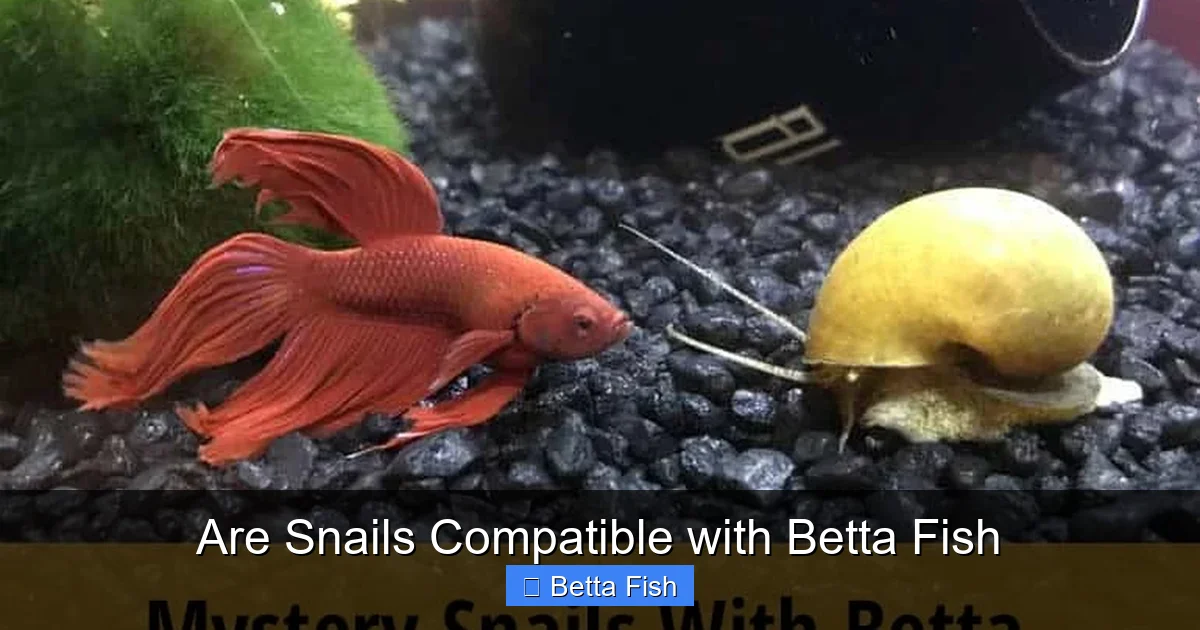
Not every betta behaves the same. Some are calm and will ignore slow‑moving tank mates, while others are territorial and may chase anything that looks like a rival. Males are generally more aggressive than females, especially when the tank is small.
Visual guide about Are Snails Compatible with Betta Fish
Image source: zooawesome.com
How bettas view snails
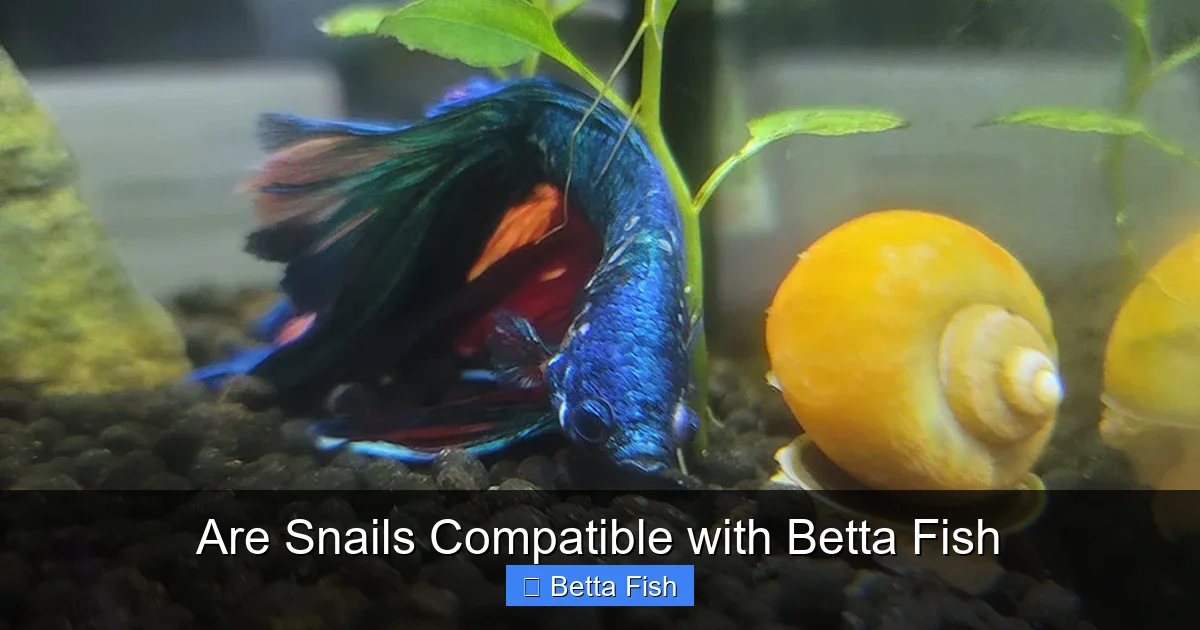
Because snails move slowly and lack bright colors, many bettas treat them like background décor. However, a curious betta might nip at a soft‑bodied snail, especially if it resembles a small shrimp or worm. Understanding your betta’s personality is the first step to a successful community tank.
Choosing the Right Snail Species
Top compatible snails
Here are the most betta‑friendly snails:
Visual guide about Are Snails Compatible with Betta Fish
Image source: allourcreatures.com
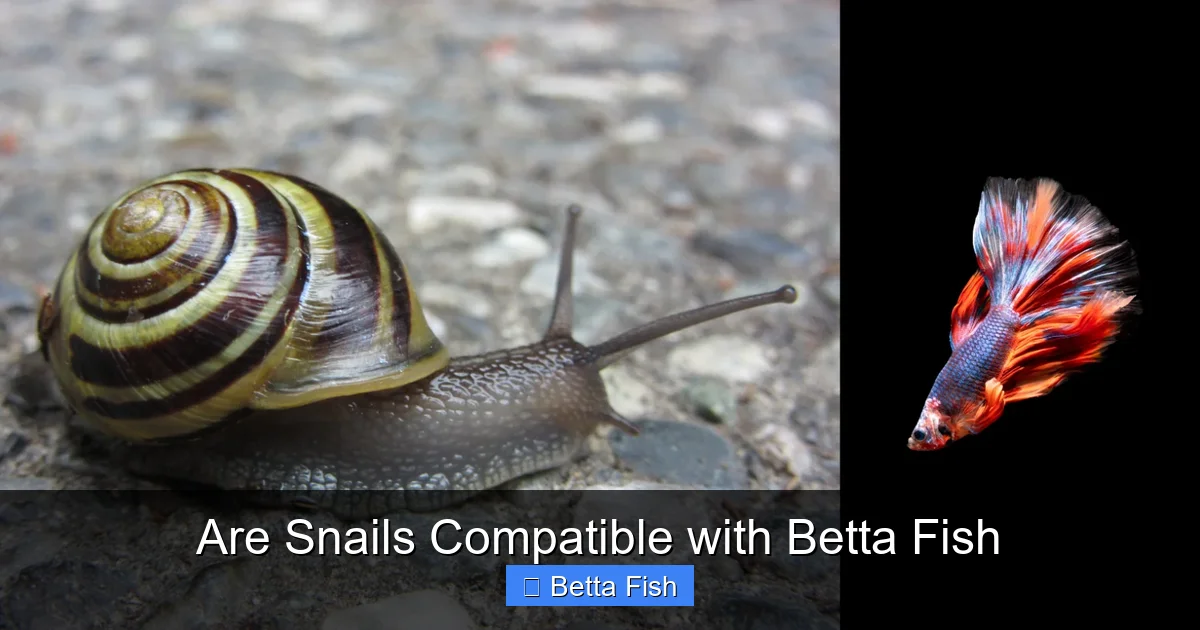
- Nerite Snails: Hard shells, excellent algae eaters, and they rarely reproduce in freshwater, keeping population under control.
- Mystery (Apple) Snails: Larger, with a protective shell; they’re generally ignored by bettas but need calcium supplements.
- Ramshorn Snails: Small and active; they can be a bit more tempting for a betta to chase, so watch closely.
Snails to avoid
Try to stay away from very soft‑bodied snails like pond snails or those that reproduce rapidly, as they can become a nuisance and may attract unwanted attention from an inquisitive betta.
Setting Up the Tank for Harmony
Tank size and layout
A minimum of 5‑10 gallons is recommended. This gives enough swimming room for the betta and enough floor space for snails to graze. A larger tank also dilutes any aggressive encounters.
Visual guide about Are Snails Compatible with Betta Fish
Image source: edelalon.com
Hiding places and décor
Live plants (Java fern, Anubias), driftwood, and ceramic caves provide essential shelter. Snails love to hide under leaves, while bettas enjoy vertical spaces to rest.
Water parameters
Both bettas and most snails thrive in:
- Temperature: 76‑82 °F (24‑28 °C)
- pH: 6.5‑7.5
- Hardness: 4‑12 dGH
Keeping these ranges stable prevents stress and disease.
Feeding Both Residents Properly
What bettas eat
Bettas are carnivores. High‑quality pellets, frozen or live brine shrimp, and occasional bloodworms keep them healthy.
What snails need
Snails graze on algae, bio‑film, and decaying plant matter. Supplement with algae wafers or blanched vegetables (zucchini, spinach) a few times a week.
Feeding tips to avoid conflict
Scatter food in different spots. This reduces competition and keeps the betta from associating the feeding area with the snail’s location.
Monitoring Behavior and Health
Signs of stress in bettas
Faded colors, clamped fins, or frantic swimming indicate stress. If you notice these after adding snails, consider a larger tank or a different snail species.
Snail health indicators
Check shells for cracks, slime buildup, or lethargy. A healthy snail will retract into its shell when disturbed but will emerge to feed.
What to do if aggression occurs
1. Re‑arrange décor to break line of sight.
2. Add more hiding spots.
3. If aggression persists, consider a separate tank for the snail.
Benefits of Adding Snails to a Betta Tank
Natural clean‑up crew
Snails consume excess algae, uneaten food, and detritus, helping maintain water quality. This reduces the frequency of water changes.
Enrichment for betta
Watching snails crawl can stimulate a betta’s natural hunting instincts in a harmless way, preventing boredom.
Educational value
For beginners, caring for both a fish and a snail teaches the basics of water chemistry, feeding schedules, and tank maintenance.
Common Mistakes and How to Avoid Them
Overcrowding the tank
Adding too many snails or a second betta can quickly lead to poor water quality and stress. Stick to 1‑2 snails per 5 gallons.
Ignoring water quality
Snails are sensitive to ammonia and nitrite spikes. Perform weekly tests and change 20‑30 % of water regularly.
Choosing the wrong snail
Research each snail’s size and temperament before purchase. For a small betta, a tiny ramshorn might be too tempting to chase.
Conclusion: Making the Decision
So, are snails compatible with betta fish? In most cases, yes—provided you select peaceful snail species, maintain a suitably sized tank, and keep an eye on behavior. The right combination can lead to a thriving, low‑maintenance aquarium where both residents benefit.
If you’re still unsure, start with a single nerite snail and observe for a few weeks. Adjust décor and feeding as needed, and you’ll soon see whether your betta enjoys the company. Happy fish‑keeping!
Further Reading
For more details on compatible tank mates, check out what fish are compatible with betta fish and can you have snails with betta fish. You’ll also find useful tips on preventing aggression in will betta fish eat snails.
Frequently Asked Questions
Can a betta fish eat snails?
Yes, some bettas may nip at soft‑bodied snails, but most will ignore hard‑shelled varieties like nerites and mystery snails.
Do snails help keep a betta tank clean?
Snails graze on algae and leftover food, acting as a natural clean‑up crew and reducing the need for frequent water changes.
What is the minimum tank size for a betta and snails?
A 5‑gallon tank is the smallest recommended size; larger tanks (10 gallons or more) provide more space and stability.
How many snails can I keep with one betta?
One or two small snails per 5 gallons is a safe rule. Adding more can increase waste and potential aggression.
Do snails need special water conditions?
Snails thrive in the same temperature and pH range as bettas, but they also need calcium for healthy shell growth.
What signs show my betta is stressed by snails?
Look for faded colors, clamped fins, or constant chasing of the snail. If these appear, adjust tank setup or remove the snail.

