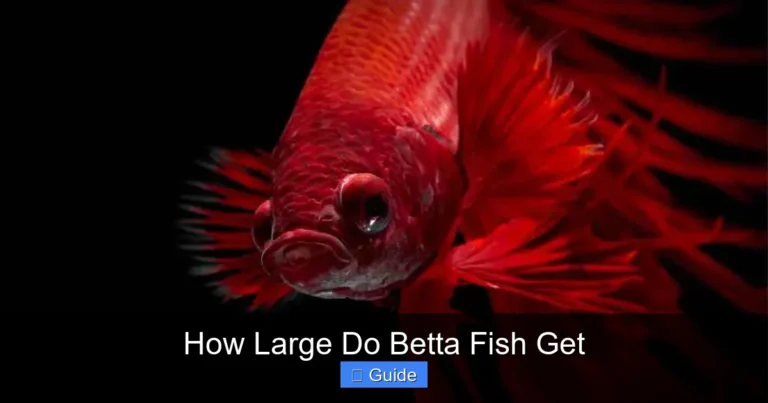
Are Betta Fish Carnivores

Yes, betta fish are carnivores. They thrive on a protein-rich diet that mimics what they eat in the wild. This guide covers everything from betta food types and feeding schedules to common mistakes owners make with their captive betta fish diet.
Are betta fish carnivores? The short answer is yes. But there is so much more to understand about what these beautiful fish need to thrive. Many new fish owners assume bettas can survive on a few flakes a day. That could not be further from the truth. Betta fish diet plays a huge role in their color, energy, and overall lifespan.
In the wild, bettas hunt insects, larvae, and small crustaceans. Their bodies are built to process protein-rich foods. When you understand this, feeding your betta becomes much easier. This guide will walk you through everything you need to know about betta nutrition, the best foods to offer, and how to avoid common feeding mistakes.
Whether you just brought home your first captive betta fish or you have had them for years, this article will help you make smarter feeding choices. Let us dive in.
Key Takeaways
- Betta fish are true carnivores: They need a diet high in protein, not plant matter or flakes alone.
- Variety is essential: A mix of pellets, live food, frozen foods, and occasional treats keeps bettas healthy and active.
- Overfeeding is a common mistake: Feed small amounts once or twice a day to avoid health problems.
- Wild bettas eat insects and larvae: Replicating this diet in captivity leads to better color and longer lifespan.
- Not all betta foods are equal: Look for high-quality, protein-dense options designed for carnivorous fish.
- Feeding frequency matters: Consistency and portion control are key to maintaining betta fish health.
📑 Table of Contents
Why Betta Fish Are Carnivores
Betta fish belong to a group of fish called carnivores. This means their bodies need animal-based protein to function properly. Unlike omnivore fish that eat both plants and meat, bettas are built to digest meat efficiently.
In their natural habitat in Southeast Asia, bettas live in warm, shallow waters like rice paddies and slow-moving streams. They hunt small insects, mosquito larvae, and tiny crustaceans. Their short digestive tract is designed specifically for processing protein-rich animal matter, not plant material.
The Betta’s Natural Diet
Understanding what bettas eat in the wild helps you choose the right betta food at home. In nature, a wild betta diet consists of:
- Mosquito larvae and other insect larvae
- Small insects that fall on the water surface
- Tiny crustaceans and zooplankton
- Occasional small worms
Notice that none of these are plant-based. This is why betta fish are carnivores and not herbivores. Their bodies simply do not process plant matter the way omnivores do. Feeding them foods high in plant content can lead to digestive issues and poor nutrition.
Best Foods for Betta Fish
Now that you know bettas need a meat-based diet, let us look at the best betta food options available. Not all foods are created equal. Some are much better than others for keeping your fish healthy and vibrant.
High-Quality Betta Pellets
Betta pellets are the staple of most captive betta fish diets. They are specially formulated to meet the nutritional needs of carnivorous fish. Look for pellets where the first ingredient is a real source of animal protein, such as fish meal or shrimp meal.
Not all pellets are created equal, though. Some cheap brands fill their pellets with fillers and plant-based proteins. These do not give your betta the nutrition it needs. If you are unsure about a brand, check out our guide on are pellets bad for betta fish to learn what to look for.
Live and Frozen Foods
Live food for bettas is the closest thing to their natural diet. Here are some excellent options:
- Bloodworms — a favorite treat for most bettas, rich in protein
- Brine shrimp — excellent for boosting color and providing protein
- Daphnia — a natural treat that aids digestion
- Mosquito larvae — the closest match to what wild bettas eat
Frozen versions of these foods work great too. They are convenient and still packed with nutrients. You can also check out our article on Omega One shrimp pellets for a high-quality pellet option that many betta owners love.
Other Food Options
Beyond pellets and live food, there are a few other options worth considering:
- Betta flakes — okay as an occasional supplement, but not a staple
- Freeze-dried foods — convenient and long-lasting, but soak them before feeding
- Wafers and tablets — better for bottom-dwelling tankmates, not ideal for bettas
The key is variety. Rotating between different food types ensures your betta gets a well-rounded betta nutrition profile.
How Often Should You Feed Betta Fish?
Feeding frequency is just as important as food quality. Overfeeding is one of the most common problems betta owners face. So how often should you feed your betta fish?
The Ideal Feeding Schedule
Most experts recommend feeding adult bettas once or twice a day. Each feeding should be small — just two to four pellets per meal. This mimics the way bettas would eat in the wild: small meals throughout the day rather than one large feast.
For younger bettas, you may need to feed them slightly more often since they are still growing. But even then, portion control is critical. If you want more detailed guidance on feeding schedules, our article on are you supposed to feed betta fish everyday covers this topic in depth.
Signs of Overfeeding
Watch for these warning signs that you are feeding your betta too much:
- Food left uneaten after five minutes
- Cloudy water from excess food decay
- Betta appearing bloated or constipated
- Loss of appetite over time
Remember, bettas have small stomachs. They are not going to eat until their belly is full like a dog would. In the wild, they eat small amounts frequently. Replicating this pattern at home is the best approach.
Common Feeding Mistakes to Avoid
Even well-meaning betta owners make mistakes when it comes to feeding. Here are the most common ones and how to avoid them.
Feeding Only Flakes
Many people buy generic tropical fish flakes and assume they are enough for bettas. The problem is that most flakes are designed for omnivorous fish, not carnivores. They often contain too much plant matter and not enough protein. Betta fish are carnivores, so flakes alone will not meet their dietary needs.
Overfeeding
This is the number one mistake. It is tempting to dump a bunch of food in the tank, especially when your betta comes swimming up to the surface looking hungry. But remember, their stomach is about the size of their eye. A few pellets are all they need.
Skipping Variety
Feeding the same food every day might seem convenient, but it leads to nutritional gaps. Just like humans, bettas benefit from a varied diet. Rotate between pellets, frozen foods, and occasional live treats to keep your fish healthy and engaged.
Ignoring Feeding Frequency
Some owners feed their bettas once a week or skip days thinking it is natural. While bettas can survive short periods without food, a consistent feeding schedule is better for their overall health and well-being.
How Diet Affects Betta Fish Health
What you feed your betta directly impacts its quality of life. A poor diet can lead to a range of health problems, while a proper one can help your betta live a long, vibrant life.
Color and Vibrancy
One of the most visible effects of betta nutrition is color. Bettas fed a high-quality, protein-rich diet tend to display brighter, more vivid colors. Foods rich in carotenoids and animal proteins help enhance reds, blues, and greens.
Energy and Behavior
A well-fed betta is an active betta. You will notice your fish exploring its environment, building bubble nests, and showing off its fins. On the other hand, a malnourished betta may become lethargic, hide, or lose interest in its surroundings.
Lifespan
The average betta fish lifespan is around three to five years, but with proper betta fish care and a great diet, some bettas live even longer. Nutrition is one of the biggest factors in how long your fish will thrive.
Can Betta Fish Eat Other Foods?
You might wonder if it is okay to share some of your own food with your betta. The answer is: it depends. Here is a quick look at some common foods and whether they are safe.
- Human food: Small amounts of cooked, unseasoned meat like chicken or fish are okay as an occasional treat. Avoid anything with salt, oil, or seasoning.
- Vegetables: Bettas are carnivores, so vegetables should only be a tiny part of their diet. A small piece of boiled pea can help with constipation.
- Tropical fish food: Generic tropical food works in a pinch but is not ideal for long-term betta nutrition.
Always prioritize foods designed specifically for carnivorous fish. Your betta will be healthier and happier as a result.
Quick Tips for Feeding Your Betta
Here are some fast, practical tips to keep in mind every time you feed your betta fish:
- Feed small amounts twice a day, not one large meal.
- Remove uneaten food after five minutes to keep the water clean.
- Rotate between pellets, frozen, and live foods for variety.
- Soak freeze-dried foods before feeding to prevent bloating.
- Watch your betta’s behavior and adjust portions as needed.
- Do not rely on seven day feeders as a regular feeding solution — they are meant for emergencies only.
- Keep a consistent feeding schedule to reduce stress and build trust.
Conclusion
Are betta fish carnivores? Yes, absolutely. Understanding this is the first step toward becoming a better betta owner. These stunning fish need a protein-rich, meat-based diet to truly thrive. From high-quality pellets to live and frozen foods, there are plenty of options to keep your betta healthy and happy.
Avoid the common mistakes of overfeeding and relying on low-quality flakes. Instead, focus on variety, portion control, and consistency. Your betta will reward you with vibrant colors, active behavior, and a long, healthy life. Take the time to get the betta diet right, and you will see the difference every single day.
Feeding your betta properly is one of the simplest yet most impactful things you can do as an owner. Start today, and your fish will thank you for it.
Frequently Asked Questions
Are betta fish carnivores or omnivores?
Betta fish are carnivores. Their bodies are designed to digest animal-based protein, not plant matter. While they may occasionally nibble on plant material in the wild, their primary nutrition comes from insects, larvae, and small crustaceans.
Can betta fish survive on flakes alone?
Technically yes, but flakes alone are not ideal. Most tropical fish flakes are formulated for omnivorous fish and lack the protein levels bettas need. A diet of pellets, frozen, or live foods is much better for long-term betta fish health.
How many times a day should I feed my betta?
Feed your betta once or twice a day with small portions. Two to four pellets per meal is a good starting point. Consistency and portion control matter more than the quantity you offer at each sitting.
What is the best food for betta fish?
The best betta food is high-quality pellets made for carnivorous fish, supplemented with occasional frozen or live foods like bloodworms and brine shrimp. Look for brands where animal protein is the first ingredient.
Can I feed my betta human food?
Small amounts of plain, cooked, unseasoned meat are safe as an occasional treat. Avoid anything with salt, oil, garlic, or seasoning. Human food should never replace a proper betta nutrition plan.
Do betta fish need to fast?
Some owners fast their bettas once a week to help prevent bloating and constipation. A single fasting day per week is generally safe and can support better digestion. Just make sure the rest of the week follows a consistent feeding schedule with proper portions.