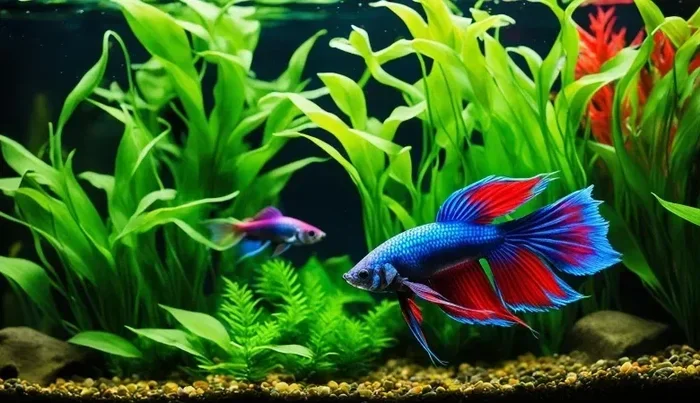
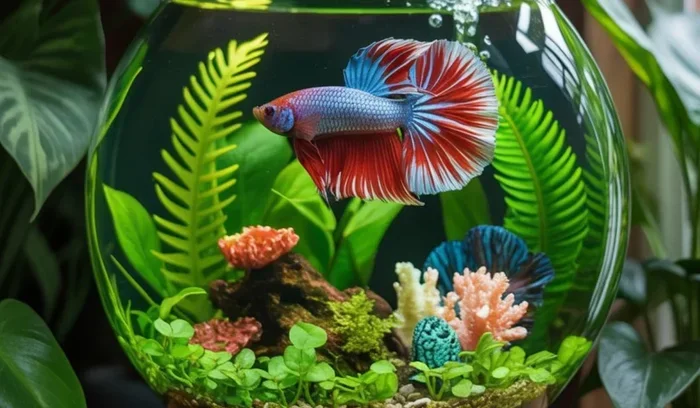
Are Betta Fish Active Swimmers

Are betta fish active swimmers? Yes, they can be, but their activity level depends on several factors like tank setup, water conditions, and overall health. Betta fish swimming behavior varies from fish to fish, with some being energetic and others more laid-back. Understanding what drives their activity levels helps you create a better environment for your pet.
Have you ever watched your betta fish glide through the water and wondered if it is getting enough exercise? The question of whether are betta fish active swimmers comes up a lot among fish keepers. The answer is more nuanced than a simple yes or no. Bettas are built for swimming, but their activity level depends on many things. This guide covers everything you need to know about betta fish movement, energy, and how to keep your fish healthy and happy.
Betta fish come from the warm, slow-moving waters of Southeast Asia. In the wild, they swim through rice paddies, streams, and shallow ponds. Their long, flowing fins make them beautiful to watch, but those same fins also affect how they move. Understanding your betta’s natural behavior is the first step toward being a great fish parent.
Key Takeaways
- Betta fish are natural swimmers: They have the ability and instinct to swim actively when conditions are right.
- Tank size matters a lot: A proper tank setup encourages healthy movement and exercise.
- Water quality affects energy levels: Poor water conditions can make bettas lethargic and inactive.
- Some bettas are naturally lazy: Not all bettas are high-energy swimmers, and that is perfectly normal.
- Enrichment keeps them engaged: Adding plants, caves, and toys promotes natural swimming behavior.
- Watch for signs of lethargy: A sudden drop in activity could signal a health problem that needs attention.
📑 Table of Contents
Understanding Betta Fish Swimming Behavior
Betta fish are not just decorative pets sitting in a bowl. They are living creatures with natural instincts to explore, hunt, and move around. When you understand their swimming patterns, you can better care for them.
How Do Betta Fish Swim?
Betta fish use their caudal fin (the tail fin) to propel themselves forward. Their other fins help with steering and balance. Unlike some fish that dart around quickly, bettas tend to swim with a smooth, graceful motion. They like to glide through the water rather than rush around constantly.
Here are some key points about how bettas move:
- They swim in short bursts: Bettas often move around in bursts of energy followed by rest periods.
- They prefer the middle and top levels: Bettas are not bottom-dwellers. They like to explore the upper and middle parts of the tank.
- They can be curious: Many bettas like to investigate new objects or plants in their tank.
- They respond to movement outside the tank: Bettas often swim toward the glass when they see their owner approaching.
When you ask yourself are betta fish active swimmers, remember that each fish has its own personality. Some are energetic explorers, while others prefer to float lazily near the surface. Both behaviors are normal and healthy.
Factors That Affect Betta Fish Activity Levels
Not all bettas swim the same way. Several factors influence how active your fish will be. Let’s break down the most important ones.
Tank Size and Setup
A small, cramped tank can make any fish feel stressed and inactive. Bettas need room to swim. A tank of at least 5 gallons is recommended for a single betta. Larger tanks, like 10 or 20 gallons, give your fish even more space to explore.
Here is what a good tank setup looks like for an active betta:
- Enough open swimming space: Leave open areas in the tank for your betta to move freely.
- Live or silk plants: Plants give your betta places to explore and rest between swims.
- Hiding spots and caves: These help your fish feel safe, which encourages more movement.
- A gentle filter: Strong water flow can tire out a betta quickly. Use a filter with adjustable flow.
If you want to learn more about how tank size affects your fish, check out our article on Are Betta Fish Very Active for deeper insights.
Water Quality and Temperature
Bettas are tropical fish, and they need warm, clean water to stay active. Poor water conditions can quickly drain a betta’s energy. Here are the ideal parameters:
- Temperature: Keep the water between 76°F and 82°F (24°C to 28°C).
- pH level: Aim for a pH between 6.5 and 7.5.
- Ammonia and nitrite: Both should be at 0 ppm. Even small amounts can make your betta sick.
- Nitrate: Keep nitrates below 20 ppm through regular water changes.
When water quality drops, bettas become lethargic. They may stop swimming and spend most of their time resting at the bottom or floating near the top. This is not laziness, it is a sign that something is wrong.
Diet and Nutrition
What you feed your betta directly impacts its energy levels. A well-fed betta is a more active betta. Here are some tips:
- Feed high-quality pellets: These should be the staple of your betta’s diet.
- Add variety with frozen or live foods: Brine shrimp, bloodworms, and daphnia make great treats.
- Do not overfeed: Too much food can cause bloating and lethargy. Feed small amounts twice a day.
- Follow a feeding schedule: Consistency helps regulate your betta’s energy and digestion.
For more details on feeding routines, visit our guide on Are You Supposed To Feed Betta Fish Everyday.
Are Some Betta Fish Naturally Lazy?
Yes, some bettas are just less active than others. This is completely normal. Just like dogs and cats, individual fish have different energy levels. Some bettas are sprightly and curious, while others prefer to take it easy.
If you notice your fish is not swimming much, it might not be a cause for concern. Some bettas are just calm by nature. However, you should always rule out health issues if the change in behavior is sudden.
For more on this topic, read our article about Are Some Betta Fish Lazy. It covers the differences between a naturally relaxed betta and one that is inactive due to health problems.
How to Tell If Your Betta Is Just Calm or Actually Unhealthy
This is an important distinction. Here are some signs that your betta is just a relaxed swimmer:
- Still swims during feeding time: A calm betta will still come to eat when food is offered.
- Maintains good color: Healthy bettas keep their vibrant colors even when they are less active.
- Explores occasionally: Even lazy bettas will swim around a bit, especially at certain times of the day.
- Responds to stimuli: They may watch you or react when you tap the glass gently.
On the other hand, signs of a sick or stressed betta include:
- Refusing food for more than a day or two
- Clamped fins held close to the body
- Labored breathing or gasping at the surface
- Visible spots, lesions, or unusual swelling
- Staying at the bottom of the tank and not moving
How to Encourage More Activity in Your Betta
If you want your betta to be a more active swimmer, there are several things you can do. These tips help create an environment that promotes natural betta fish behavior and keeps your fish engaged.
Add Enrichment to the Tank
Bettas get bored in empty tanks, just like any pet. Adding enrichment items encourages them to explore and move around. Try these ideas:
- Live plants: They create a natural environment and give your betta places to swim through.
- Decorations and caves: These provide stimulation and make the tank more interesting.
- A mirror trick: Briefly placing a mirror near the tank can trigger your betta’s natural flaring and swimming behavior. Do this only for a few minutes at a time.
- Floating logs or leaves: Bettas love to rest on these, but they also swim to and from them.
Create a Natural Day-Night Cycle
Bettas are most active during the day when there is light. At night, they need darkness to rest properly. Here is how to set up a healthy light cycle:
- Use a timer for your tank light: Set it to turn on for 8 to 10 hours a day.
- Turn off the light at night: This helps your betta maintain a natural sleep schedule.
- Avoid sudden light changes: Gradual dimming is better than flipping the light off suddenly.
Want to know more about when your betta is most active? Check out our article on When Are Betta Fish Most Active for a detailed breakdown of betta activity patterns throughout the day.
Consider Tank Mates
Having compatible tank mates can encourage your betta to swim more. The presence of other fish creates a more dynamic environment. However, not all fish get along with bettas. Choose peaceful species that do not nip at your betta’s fins.
If you are considering adding tank mates, our guide on Are There Other Fish That Can Go With A Betta will help you make the right choice.
Common Mistakes That Reduce Betta Activity
Many fish keepers unknowingly do things that make their bettas less active. Avoid these common mistakes to keep your fish healthy and energetic.
Keeping Your Betta in Too Small a Tank
This is probably the biggest mistake people make. A tiny bowl or vase restricts movement and lowers your betta’s quality of life. Bettas need at least 5 gallons of space, and more is always better. A larger tank also means more stable water parameters, which keeps your fish healthier and more active.
Ignoring Water Changes
Dirty water stresses bettas and drains their energy. Perform regular water changes, typically 25 to 30 percent every week. This keeps ammonia and nitrate levels low and helps your betta stay active.
Overfeeding
It is easy to give your betta too much food. Overfeeding leads to bloating, obesity, and lethargy. Stick to a consistent feeding schedule and remove any uneaten food after a few minutes.
Placing the Tank in a Stressful Location
Bettas get stressed by loud noises, constant vibrations, and direct sunlight. Place the tank in a quiet area where the water temperature stays stable. A stressed betta will be an inactive betta.
When to Be Concerned About Your Betta’s Activity
Sometimes, low activity is a warning sign. If your betta suddenly becomes very inactive, it is time to investigate. Here are some situations that call for immediate attention:
- Your betta stops eating entirely: This could indicate illness or poor water conditions.
- Your betta stays at the bottom and does not move: While resting at the bottom occasionally is normal, staying there constantly is not.
- Your betta shows signs of labored breathing: Rapid gill movement or gasping at the surface suggests oxygen deficiency or disease.
- Your betta’s fins are clamped or torn: This often signals stress, infection, or poor water quality.
If you notice any of these signs, test your water parameters first. Then observe your fish closely for other symptoms. Sometimes a simple water change makes a huge difference. Other times, you may need to treat your fish for an illness.
If you are worried about whether your betta is floating or resting normally, our article on Do Betta Fish Float When They Are Dead can help you understand the difference between normal resting behavior and concerning signs.
Key Takeaways
- Betta fish are natural swimmers: They have the ability and instinct to swim actively when conditions are right.
- Tank size matters a lot: A proper tank setup encourages healthy movement and exercise.
- Water quality affects energy levels: Poor water conditions can make bettas lethargic and inactive.
- Some bettas are naturally lazy: Not all bettas are high-energy swimmers, and that is perfectly normal.
- Enrichment keeps them engaged: Adding plants, caves, and toys promotes natural swimming behavior.
- Watch for signs of lethargy: A sudden drop in activity could signal a health problem that needs attention.
Frequently Asked Questions
Are betta fish active swimmers by nature?
Yes, betta fish are natural swimmers. In the wild, they swim through rice paddies, streams, and shallow waters. However, their activity level varies from fish to fish based on genetics, environment, and overall health.
Why is my betta fish not swimming much?
There are several reasons a betta might be less active. Poor water quality, incorrect temperature, overfeeding, or illness can all cause lethargy. If the change is sudden, test your water and observe for other symptoms. Sometimes a stressed betta just needs a better environment to thrive.
How can I tell if my betta is healthy but just calm?
A healthy but calm betta will still eat when food is offered, maintain its vibrant color, and occasionally explore the tank. It will respond to stimuli like your presence or feeding time. A sick betta, on the other hand, will refuse food, lose color, and show physical symptoms like clamped fins or labored breathing.
What tank size is best for keeping betta fish active?
A minimum of 5 gallons is recommended for a single betta. Larger tanks, such as 10 or 20 gallons, give your fish more room to swim and explore. A bigger tank also helps maintain stable water parameters, which supports higher energy levels and better overall health.
Does the time of day affect betta fish activity?
Yes, bettas are most active during daylight hours when they can see and explore their surroundings. At night, they naturally rest and become less active. Maintaining a consistent day-night cycle with 8 to 10 hours of light helps regulate their activity patterns and keeps them healthy.
Can adding tank mates make my betta more active?
In some cases, yes. Compatible tank mates create a more stimulating environment that encourages bettas to swim and explore. However, not all fish work well with bettas. Choose peaceful species carefully, as aggressive or fin-nipping fish can cause stress and reduce activity levels.
=== CONCLUSION ===
The answer to the question are betta fish active swimmers depends on many factors, but the short answer is yes, they absolutely can be. With the right tank setup, clean water, proper nutrition, and a little enrichment, your betta can be a lively and engaging companion. Remember that every betta is an individual, and some will naturally be more active than others.
Pay attention to your fish’s behavior and learn what is normal for your specific pet. A sudden change in activity level is always worth investigating. By following the tips in this guide, you give your betta the best chance to live a healthy, active, and fulfilling life. Keep swimming, and keep learning about your beautiful betta fish.