How to Keep Betta Fish Warm Without a Heater

Keeping your betta fish warm without a heater is absolutely possible with the right approach. You can use room temperature control, warm water changes, and smart tank placement to maintain a cozy environment. This guide covers every practical method to ensure your betta stays healthy and comfortable year-round.
Betta fish are tropical creatures that thrive in warm water. But what happens when you don’t have a heater? Many betta owners face this challenge, especially those on a budget or living in cooler climates. The good news is that you can absolutely keep your betta fish warm without a heater. It takes a little effort, but it’s entirely doable.
In this guide, we’ll walk you through every practical method to maintain the right betta fish temperature without relying on electric equipment. Whether you’re dealing with a power outage, a broken heater, or you simply prefer a natural approach, you’ll find everything you need right here.
How to keep betta fish warm without a heater comes down to understanding your fish’s needs and making smart environmental choices. Let’s dive in.
Key Takeaways
- Room temperature matters most: Keeping your betta tank in a warm room (76-80°F) is the simplest way to maintain warmth without a heater.
- Warm water changes work wonders: Replacing cold tank water with slightly warm water helps regulate temperature naturally.
- Tank placement is critical: Avoid drafty areas, windows, and cold floors to keep your betta comfortable.
- Signs of cold stress are obvious: Clamped fins, lethargy, and loss of appetite signal your betta needs warmth.
- Natural heat sources exist: Lighting, blankets, and insulation can supplement warmth effectively.
- Prevention beats treatment: Consistent monitoring and simple habits prevent temperature problems before they start.
📑 Table of Contents
Why Betta Fish Need Warm Water
Betta fish originate from the warm, shallow waters of Southeast Asia. They are tropical fish that need consistent warmth to stay healthy. Cold water can weaken their immune system and make them susceptible to disease.
Here’s what you need to know about betta fish temperature:
- Ideal range: 76°F to 80°F (24°C to 27°C)
- Minimum safe temperature: 72°F (22°C)
- Danger zone: Below 70°F (21°C)
- Lethal temperature: Below 65°F (18°C)
When the water drops below the ideal range, your betta’s metabolism slows down. They become sluggish, stop eating, and their body struggles to fight off infections. This is why how to keep betta fish warm without a heater is such an important topic for every betta owner.
Many people wonder, can a betta fish live without a heater? The short answer is yes, but only if you can maintain stable warm temperatures through other means. Bettas in cold water may survive for a while, but their quality of life drops significantly.
How to Keep Betta Fish Warm Without a Heater
Now let’s get into the practical methods. These are the strategies that actually work to maintain warmth in your betta tank without using a heater.
1. Control the Room Temperature
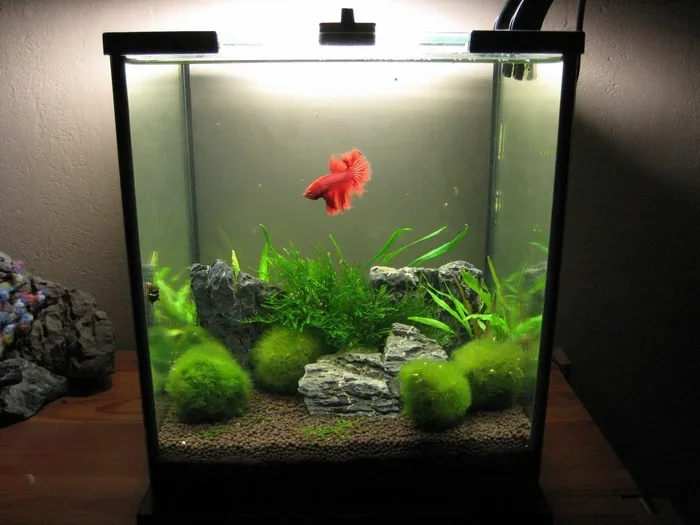
The simplest and most effective method is to control the temperature of the room where your betta tank sits. If the room is warm, the water stays warm naturally.
Here’s what to do:
- Move your betta tank to a room with a consistent temperature of 76°F or higher.
- Close windows and doors to prevent cold drafts from reaching the tank.
- Use a room thermometer to monitor the ambient temperature throughout the day.
- Consider using a space heater in the room during colder months.
This method works best for people who live in naturally warm climates or who can dedicate a warm room to their fish. It’s the foundation of how to keep my betta fish warm without a heater and costs nothing extra.
2. Use Warm Water Changes
One of the easiest ways to keep your betta’s water warm is to adjust the temperature of the water you add during water changes. Instead of using cold tap water, warm it up slightly before adding it to the tank.
Follow these steps:
- Let your tap water sit for 24 hours to remove chlorine.
- Test the water temperature with a thermometer.
- Warm the water to about 78°F to 80°F.
- Add it slowly to the tank to avoid temperature shock.
This technique works well for small tanks and bowls. It’s also one of the most practical answers to how to keep water warm for betta fish without any special equipment. Just be sure the water you add matches the tank temperature closely to avoid stressing your fish.
3. Insulate the Tank
Insulation helps retain heat in your betta tank. Think of it like putting a blanket on your fish’s home. This method is especially useful at night when room temperatures drop.
Try these insulation tricks:
- Wrap the back and sides of the tank with a towel or foam board.
- Place the tank on a foam mat to insulate from cold floors.
- Cover the tank with a lid to reduce heat loss from the surface.
- Use a tank cover made of insulating material.
Insulation alone won’t raise the temperature, but it slows down heat loss significantly. Combined with warm water changes, it creates a surprisingly effective system for maintaining betta tank warmth without a heater.
4. Leverage Household Heat Sources
Your home produces heat in many ways. You can use these natural sources to keep your betta tank warm. Place the tank near (but not directly on) heat-emitting areas of your home.
Good options include:
- Near a radiator or heating vent (but not directly on it).
- On a shelf above a warm appliance.
- Near a sunny window during the day.
- Close to a lamp or light fixture that generates warmth.
Be careful not to place the tank in direct sunlight all day, as this can cause temperature spikes and algae blooms. The goal is gentle, consistent warmth, not extreme heat. This approach ties directly into how to keep your betta fish warm using resources you already have at home.
5. Adjust Lighting to Generate Heat
Your tank light does more than illuminate your betta’s home. It also generates a small amount of heat. While a standard light bulb won’t heat a large tank, it can make a noticeable difference in small bowls and tanks.
Consider these lighting tips:
- Use an LED light with a low-wattage bulb that produces gentle warmth.
- Keep the light on for 8 to 10 hours a day to maintain steady warmth.
- Avoid placing the tank under intense lighting that could overheat the water.
- Use a timer to keep the light schedule consistent.
Lighting is a supplementary method, not a replacement for proper temperature control. But it does contribute to maintaining a stable environment. When combined with other methods, it supports warm betta tank conditions effectively.
Signs Your Betta Fish Is Too Cold
Knowing the warning signs of cold stress helps you act quickly. Bettas can’t tell you when they’re uncomfortable, so you need to watch for physical and behavioral cues.
Watch for these common signs:
- Clamped fins: The fish holds its fins close to its body instead of spreading them.
- Lethargy: Your betta stays at the bottom of the tank and barely moves.
- Loss of appetite: The fish refuses food or eats very little.
- Faded colors: The vibrant colors of your betta start to dull.
- Rapid breathing: Your betta breathes faster than normal, signaling stress.
- Resting on the bottom: The fish lies on the substrate instead of swimming actively.
If you notice any of these signs, check the water temperature immediately. Cold water weakens your betta’s immune system and opens the door to diseases like ich on a betta fish and fungal infections. Acting fast can prevent serious health problems.
Regular monitoring with a simple aquarium thermometer is the best way to catch temperature issues early. Make it a habit to check the temperature at least once a day.
Keeping Betta Fish Warm in Winter
Winter poses the biggest challenge for betta owners without heaters. Indoor temperatures drop, windows let in cold air, and the water in your tank can cool down fast. Here’s how to handle the cold season.
Move the Tank Away from Windows
Cold windows can drop the temperature near the tank significantly. Move your betta tank to an interior wall that doesn’t face outside. This simple change can make a big difference in maintaining betta fish warmth during winter months.
Use a Tank Cover
A tight-fitting lid reduces heat loss from the water surface. You can use a glass lid, plastic cover, or even a piece of styrofoam cut to fit the tank opening. Just make sure there’s still enough airflow for your betta to breathe.
Warm Water Changes Become Essential
During winter, you need to be even more careful with water changes. The replacement water is often colder because the pipes run through unheated spaces. Always test and warm the water before adding it to the tank.
Consider the Betta’s Natural Habitat
Remember that bettas live in warm, shallow rice paddies and slow-moving streams in their natural habitat. Mimicking these conditions means keeping the water consistently warm. Without a heater, you need to work harder to replicate this environment. That’s where how to keep betta fish warm in winter strategies become essential for your fish’s survival and comfort.
Common Mistakes to Avoid
Even well-meaning betta owners make mistakes when trying to keep their fish warm without a heater. Here are the most common ones to avoid.
Using Boiling Water
Never add boiling water directly to your betta tank. It can kill your fish instantly. Always warm water gradually and check the temperature with a thermometer before adding it.
Placing the Tank Near Drafts
Drafty doors and windows create cold spots that can drop the tank temperature quickly. Even a small draft can cause problems over time. Check the area around your tank for any cold air currents.
Relying on a Single Method
One method alone usually isn’t enough. The best approach combines room temperature control, warm water changes, and insulation. Using multiple strategies together creates a stable, warm environment for your betta.
Ignoring Temperature Fluctuations
Betta fish don’t like sudden temperature changes. Even if the water stays within the ideal range, rapid swings can stress your fish. Make any temperature adjustments gradually over several hours.
Avoiding these mistakes helps ensure your betta stays healthy and comfortable. It’s all about consistency and gentle, steady warmth.
Expert Insights on Betta Fish Warmth
Experienced betta keepers agree that maintaining warmth without a heater requires attention and routine. The most successful approach combines several small efforts into a consistent practice.
Here’s what the experts recommend:
- Check the water temperature twice a day, morning and evening.
- Keep a log of temperature readings to spot trends and problems early.
- Invest in a good thermometer. Cheap strip thermometers are inaccurate and unreliable.
- Plan ahead for seasonal changes. Prepare your warmth strategy before winter arrives.
- Consider how to keep a betta fish alive in challenging conditions by combining multiple warmth methods.
The key is to stay proactive. Don’t wait until your betta shows signs of cold stress. By then, the damage may already be done. Prevention and consistency are your best tools.
Quick Tips for Daily Betta Warmth Maintenance
Make warmth maintenance part of your daily routine with these quick tips:
- Check the tank temperature every morning when you feed your betta.
- Warm up replacement water in a separate container before adding it to the tank.
- Keep the tank lid closed to trap heat.
- Turn off any fans or air conditioning near the tank.
- Observe your betta’s behavior daily. Active, colorful fish means the temperature is right.
- Insulate the tank at night with a towel or foam cover.
These small habits add up over time. They make a huge difference in keeping your betta comfortable without a heater.
Conclusion
How to keep betta fish warm without a heater is a skill every betta owner should learn. Whether you’re dealing with a broken heater, a power outage, or you simply prefer a natural approach, the methods in this guide will help you maintain a warm, healthy environment for your fish.
The key is combining multiple strategies. Control the room temperature, use warm water changes, insulate the tank, and leverage household heat sources. Watch for signs of cold stress and avoid common mistakes. With consistent effort, your betta will thrive even without a heater.
Your betta fish depends on you for its comfort and well-being. By taking these steps, you’re giving your fish the warm, stable environment it needs to live a long, healthy life. Start implementing these methods today, and you’ll see the difference in your betta’s energy, color, and appetite.
Frequently Asked Questions
Can a betta fish survive in cold water without a heater?
A betta fish can survive in cold water for a short time, but prolonged exposure to temperatures below 72°F will weaken its immune system and lead to health problems. Without a heater, you need to use alternative warmth methods to keep the water in the ideal range of 76°F to 80°F.
What is the best room temperature for a betta fish tank without a heater?
The best room temperature for a betta tank without a heater is 76°F to 80°F. If your room stays consistently within this range, your betta’s water will remain warm naturally. Use a room thermometer to monitor the temperature throughout the day and night.
How often should I do warm water changes for my betta?
Perform a 25% water change every 7 to 10 days using warm water at 78°F to 80°F. Warm water changes help maintain a stable temperature in the tank. Always let tap water sit for 24 hours before adding it, and test the temperature before introducing it to the tank.
Is it safe to use a lamp to heat a betta tank?
A standard aquarium light can add a small amount of warmth to a betta tank, especially in small bowls. However, it should not be your only heat source. The light generates minimal heat and cannot reliably maintain the ideal temperature on its own. Use it as a supplement to other warmth methods.
How can I tell if my betta tank is losing heat too fast?
Check the water temperature twice a day with an accurate thermometer. If you notice the temperature dropping more than 2°F overnight, your tank needs better insulation. Add a tank cover, wrap the sides with a towel, or move the tank to a warmer location to reduce heat loss.
What should I do if my betta gets too cold suddenly?
If your betta gets cold suddenly, warm the water gradually by adding small amounts of slightly warm water over several hours. Avoid making rapid temperature changes, as this can shock your fish. Move the tank to a warmer room and monitor the temperature closely until it stabilizes.