How Often Feed Betta Fish Pellets
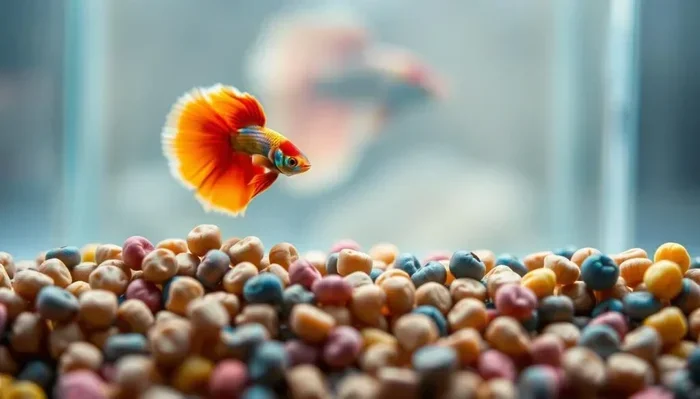
Knowing how often to feed betta fish pellets is one of the most important parts of betta care. Most bettas do best with two small feedings per day, but the right schedule depends on your fish’s age, size, and activity level. This guide covers everything from daily portions to common mistakes so you can keep your betta thriving.
Key Takeaways
- Feed betta fish pellets twice a day: Two small meals spaced 8-12 hours apart is the ideal routine for most adult bettas.
- Portion control matters: Give only what your betta can eat in 2 minutes to avoid overfeeding and water quality issues.
- Soak pellets before feeding: Dry pellets expand in the stomach and can cause bloating or constipation in bettas.
- Adjust for age and health: Baby bettas need more frequent feedings, while older or less active fish do better with slightly less food.
- Skip one day a week: A weekly fasting day helps your betta’s digestive system stay healthy and prevents constipation.
- Watch for overfeeding signs: Swollen belly, lethargy, and uneaten food in the tank are clear signals you’re feeding too much.
📑 Table of Contents
- How Often Feed Betta Fish Pellets: The Complete Guide
- Why Feeding Frequency Matters for Betta Fish
- How Many Times a Day Should You Feed Betta Fish Pellets
- How Many Pellets Should You Feed Per Meal
- Best Feeding Schedule for Betta Fish Pellets
- Common Feeding Mistakes to Avoid
- How to Know If Your Feeding Schedule Is Working
- Key Takeaways
- Conclusion
How Often Feed Betta Fish Pellets: The Complete Guide
Feeding your betta fish the right way can feel confusing at first. There are so many opinions online, and every fish seems to have its own quirks. But the truth is, how often you feed betta fish pellets comes down to a few simple principles. Once you understand those, feeding time becomes easy and stress-free for both you and your fish.
Betta fish pellets are one of the most popular food choices for betta owners. They are convenient, nutritionally balanced, and easy to portion. But convenience does not mean you should just toss a handful in the tank whenever you feel like it. Overfeeding is one of the most common problems betta fish face, and it can lead to serious health issues. This guide will walk you through everything you need to know about setting up the perfect betta fish feeding schedule.
If you have ever wondered whether you are feeding your betta too much or too little, you are not alone. Many new fish keepers struggle with this exact question. Let’s break it down step by step so you can feel confident about your betta’s meals.
Why Feeding Frequency Matters for Betta Fish
Betta fish are small creatures with short digestive tracts. Their bodies are not designed to process large amounts of food at once. This is why feeding frequency plays such a big role in their overall health. When you feed your betta too much at once, the extra food sits in the stomach and can cause bloating, constipation, and even swim bladder problems.
On the flip side, underfeeding can leave your betta weak and malnourished. A betta that does not get enough nutrients will lose its vibrant colors, become lethargic, and may develop health issues over time. Finding the right balance is the key to a long and healthy life for your fish.
Most experts agree that how often feed betta fish pellets should be guided by the natural eating patterns of bettas in the wild. In their native habitats, bettas eat small amounts of food throughout the day. They are opportunistic feeders, meaning they grab small meals whenever food is available. Replicating this pattern in a home aquarium is the goal.
The Digestive System of a Betta Fish
A betta’s digestive system is relatively short compared to other fish. This means food moves through their body quickly, but it also means they cannot handle large meals. When dry pellets expand after hitting water in the stomach, they take up more space than you might expect. This is why soaking pellets before feeding is so important.
Feeding your betta at regular intervals also helps regulate their metabolism. A consistent betta fish meal plan keeps their energy levels stable and supports healthy growth. Irregular feeding schedules can cause stress and unpredictable eating behavior.
How Many Times a Day Should You Feed Betta Fish Pellets
The standard recommendation for adult bettas is two feedings per day. This gives your fish a consistent routine and mimics their natural grazing behavior. Each feeding should be small enough that your betta can finish it within about two minutes.
But not all bettas are the same. Several factors can influence how often you should feed your specific fish:
- Age: Baby bettas under six months old grow quickly and need more frequent meals. You may need to feed them three to four times a day with smaller portions.
- Activity level: A betta that spends a lot of time swimming and exploring may need slightly more food than a lazier fish.
- Water temperature: Warmer water speeds up metabolism, which means your betta may digest food faster and need more frequent feedings.
- Overall health: Sick or recovering bettas may have different dietary needs. Always consult a vet if you are unsure.
If you are unsure about your betta’s specific needs, this detailed guide on betta feeding frequency covers the topic in depth and can help you fine-tune your routine.
What About Feeding Once a Day?
Some experienced fish keepers prefer feeding their bettas just once a day. This approach works for adult bettas that are not growing and have a more sedentary lifestyle. However, a single large feeding can put more strain on the digestive system. If you choose to feed once a day, make sure the portion is appropriate and that your betta is maintaining a healthy weight.
For most hobbyists, two feedings a day strikes the best balance between convenience and fish health. It also gives you two opportunities to observe your betta during feeding time, which is a great way to spot early signs of illness.
How Many Pellets Should You Feed Per Meal
Portion size is just as important as feeding frequency. Too many pellets at once will overwhelm your betta and foul the water. Too few, and your fish will go hungry.
A good rule of thumb is to offer two to three pellets per feeding for an adult betta. You can adjust based on the size of the pellets and the size of your fish. Larger pellets may need to be broken in half, especially for smaller bettas or baby fish.
Here is a simple way to gauge the right portion:
- Drop two pellets into the tank and watch your betta eat.
- If your betta finishes them quickly and seems hungry, add one more pellet.
- If there are pellets left after two minutes, you have given too much. Remove the uneaten food with a net or siphon.
For more specific guidance on pellet portions, check out how many pellets to feed betta fish daily for expert recommendations tailored to different fish sizes and ages.
Should You Soak Betta Pellets Before Feeding?
Yes, absolutely. Dry pellets expand significantly when they absorb water. If your betta eats dry pellets, they will swell inside the stomach, which can cause discomfort and digestive blockages. To avoid this, soak the pellets in a small cup of tank water for one to two minutes before offering them to your fish.
Soaking also helps the pellets sink to the right level in the tank. Bettas are labyrinth fish, which means they can breathe air from the surface. They often prefer to eat near the top of the tank, but sinking pellets can encourage more natural feeding behavior.
Best Feeding Schedule for Betta Fish Pellets
Consistency is the secret ingredient in a great betta fish feeding schedule. Bettas thrive on routine, and feeding them at the same times each day helps regulate their appetite and digestion. Here are two sample schedules you can follow:
Morning and Evening Schedule
- Morning feeding (around 8-9 AM): Offer two to three soaked pellets. Feed in small amounts and watch your betta eat.
- Evening feeding (around 6-7 PM): Offer the same portion size. This gives your betta a nice spread of meals throughout the day.
Split Schedule for Baby Bettas
- Early morning (7 AM): One to two tiny pellets or crushed pellets for fry and juveniles.
- Midday (12 PM): A small feeding to bridge the long gap between meals.
- Evening (6 PM): Two to three pellets for the main meal of the day.
- Optional late feeding (9 PM): A very small pinch for growing bettas that need extra nutrition.
Stick to whichever schedule you choose. Changing feeding times frequently can confuse your betta and disrupt its eating habits. If you need to travel or are away from home, consider using an automatic feeder or asking someone to feed your betta for you. You can learn more about feeding your betta while away in this helpful guide on how to feed my betta fish.
Common Feeding Mistakes to Avoid
Even the best-intentioned betta owners can make mistakes when it comes to feeding. Here are the most common errors and how to avoid them:
Overfeeding
Overfeeding is the number one mistake people make with betta fish. It is easy to think your fish is hungry every time it swims to the front of the tank, but bettas are opportunistic eaters and will beg for food even when they are full. Uneaten pellets decompose quickly in the water, raising ammonia and nitrite levels, which can be toxic to your fish.
Signs of overfeeding include:
- A swollen or bloated belly
- Long strings of waste hanging from the fish
- Food floating in the tank after feeding
- Lethargy or loss of interest in food
- Cloudy or dirty water shortly after feeding
Feeding the Wrong Type of Food
Not all pellets are created equal. Some cheap fish food brands fill their pellets with fillers like wheat and soy, which bettas cannot digest well. Always look for high-quality betta pellets where fish protein is listed as the first ingredient. If you are curious about other food options, this article on feeding betta fish flakes compares flakes and pellets to help you choose the best option.
Skipping Fasting Days
Many experienced betta keepers recommend fasting your fish one day per week. This gives the digestive system a chance to process any remaining food and clears out the gut. Skipping a feeding day once a week can help prevent constipation and bloating, which are common problems in bettas.
How to Know If Your Feeding Schedule Is Working
The best way to tell if your betta fish nutrition plan is on track is to observe your fish daily. A healthy betta should have a good appetite, bright colors, and an active swimming pattern. Here are some signs your feeding routine is working well:
- Your betta eats eagerly but stops when full
- The body is plump but not bloated
- Waste is solid and well-formed
- Colors remain vibrant and vivid
- Your betta maintains a healthy weight and energy level
If you notice any changes in appetite or behavior, it may be time to adjust your feeding frequency or portion size. Sometimes a simple change like switching pellet brands or adjusting the number of pellets per meal can make a big difference.
When to Consult a Vet
If your betta refuses food for more than two days or shows signs of distress after eating, it is time to seek professional advice. A veterinarian experienced with fish can help diagnose underlying issues that may be affecting your betta’s appetite or digestion. Persistent feeding problems can sometimes signal illness, stress, or poor water quality in the tank.
Key Takeaways
- Feed adult bettas twice a day with small portions of soaked pellets.
- Two to three pellets per meal is a good starting point for most adult bettas.
- Soak pellets before feeding to prevent digestive issues from expanding food.
- Skip one day a week to give your betta’s digestive system a break.
- Avoid overfeeding by removing uneaten food within a few minutes.
- Adjust for age and activity level to meet your specific betta’s needs.
Conclusion
Getting the feeding schedule right for your betta fish pellets does not have to be complicated. Stick to two small feedings per day, keep portions modest, and always soak the pellets before offering them to your fish. Watch your betta’s behavior and body condition, and adjust as needed. With a consistent routine and quality food, your betta will thrive for years to come.
Remember, every betta is unique. What works for one fish might not work perfectly for another. The key is to stay attentive, stay consistent, and never be afraid to make small adjustments along the way. Your betta will thank you with bright colors, energetic swimming, and a healthy appetite.
For more tips on how often feed betta fish pellets and other betta care topics, explore the rest of our guides. We cover everything from feeding schedules to tank setup, so you can become the best betta owner you can be.
Frequently Asked Questions
Can I feed my betta pellets every day?
Yes, feeding betta fish pellets every day is perfectly fine as long as you stick to the right portion size. Most adult bettas do well with two small feedings per day. Just make sure you are not overfeeding, and always soak the pellets before adding them to the tank.
How many pellets should I feed my betta fish at each meal?
Start with two to three pellets per feeding for an adult betta. If your betta finishes them quickly and seems hungry, you can add one more. If food is left after two minutes, you have given too much. Adjust the number based on your fish’s size and appetite.
What happens if I overfeed my betta fish pellets?
Overfeeding can cause bloating, constipation, and swim bladder issues in bettas. Uneaten pellets also decay in the water, which raises ammonia levels and can make your fish sick. Always remove any food your betta does not eat within a few minutes.
Should I soak betta pellets before feeding?
Yes, soaking pellets for one to two minutes in tank water before feeding is highly recommended. Dry pellets expand in the stomach and can cause digestive discomfort. Soaking also helps the pellets sink to a natural feeding level in the tank.
How often should I feed baby betta fish pellets?
Baby bettas need more frequent feedings than adults. You can feed them three to four times a day with small crushed pellets or very small whole pellets. As they grow, you can gradually reduce the frequency and increase the portion size.
Is it okay to skip a day of feeding my betta?
Yes, skipping one day per week is actually beneficial for betta fish. A fasting day helps the digestive system process any remaining food and prevents constipation. Many experienced betta keepers include a weekly fasting day as part of their regular care routine.