Can Algae Eaters Live with Betta Fish
Can algae eaters live with betta fish? The short answer is yes, but it depends on the species you choose and how you set up your tank. Algae eaters like otocinclus, nerite snails, and amano shrimp can make great betta tank mates when you follow a few simple rules. This guide covers everything you need to know about pairing algae control helpers with your betta safely.
Many fish keepers ask one question over and over: can algae eaters live with betta fish? The answer is not a simple yes or no. It depends on the type of algae eater, your tank setup, and the personality of your betta. Some combinations work beautifully. Others lead to stress, fighting, or even injury.
In this guide, we will walk you through everything you need to know. We will cover which algae eaters are safe, which ones to avoid, and how to set up your tank for success. Whether you are a beginner or a seasoned hobbyist, you will find practical tips that actually work. Algae control does not have to mean risking your betta’s health.
Key Takeaways
- Choose peaceful algae eaters: Otocinclus, nerite snails, and amano shrimp are the safest options for a betta community tank.
- Tank size matters: A tank of at least 10 gallons reduces aggression and gives both fish room to thrive.
- Watch for signs of stress: Clamped fins, hiding, or loss of appetite in your betta means the tank mate may not be a good fit.
- Feed properly: Algae alone is not enough. Both bettas and algae eaters need a balanced diet.
- Avoid aggressive species: Some algae eaters like plecos can be too big or territorial for bettas.
- Set up your tank first: Add algae eaters before or at the same time as your betta to reduce territorial behavior.
📑 Table of Contents
Why Algae Eaters and Bettas Can Work Together
Bettas and algae eaters can share a tank when both species have similar needs. Bettas prefer warm, calm water with gentle flow. Many algae eaters also thrive in these same conditions. The key is matching their temperaments and habitat needs.
Algae eaters help keep your tank clean. They nibble on green spots on glass, rocks, and plants. This reduces the amount of maintenance you need to do. Your betta benefits too, because a cleaner tank means healthier water.
Understanding Betta Temperament
Bettas are often called fighting fish for a reason. Male bettas can be aggressive toward other fish. They may flare their gills, chase tank mates, or nip fins. However, not all bettas are the same. Some are very docile and will ignore smaller creatures. Others are territorial and need to be housed alone.
Female bettas tend to be less aggressive than males. This makes them more open to community tank setups. If you have a female betta, you have more options for algae eater companions.
The Role of Algae Eaters in a Betta Tank
Algae eaters do more than just clean glass. They help balance the ecosystem in your tank. Here is what they do:
- Consume excess algae: This keeps nitrate levels lower and water cleaner.
- Reduce maintenance: Less algae means less scrubbing and fewer water changes.
- Add activity: Watching algae eaters move around the tank is calming and fun.
- Support live plants: Algae eaters help prevent algae from overtaking your plants, which benefits the whole tank.
Best Algae Eaters for Betta Fish
Not all algae eaters are created equal. Some species are peaceful and small enough to coexist with bettas. Others are too big, too boisterous, or too territorial. Here are the best options.
Otocinclus Catfish
Otocinclus catfish are small, peaceful, and excellent algae grazers. They grow to about 2 inches and stay in the mid-level of the tank. Bettas usually ignore them because they mind their own business. Otocinclus do best in groups of three to six, so you need a tank of at least 10 gallons.
Pro tip: Otocinclus can be sensitive to water quality. Make sure your tank is fully cycled before adding them. Stable water parameters are essential for their survival.
Nerite Snails
Nerite snails are one of the most popular algae eaters for betta tanks. They are small, peaceful, and very effective at removing algae from glass and decorations. They cannot reproduce in freshwater, which means you do not have to worry about overpopulation.
Nerite snails are too slow to bother your betta. Bettas may investigate them at first, but they usually lose interest. These snails are a low-risk, high-reward choice for any betta keeper.
Amano Shrimp
Amano shrimp are hardy and excellent algae consumers. They grow to about 2 inches and stay busy scavenging the tank floor. Bettas generally leave them alone because shrimp are too quick and small to be a threat.
Amano shrimp also eat leftover fish food and decaying plant matter. This makes them valuable members of any betta community tank. Just make sure to provide enough algae and food for them, especially if you have a heavy-feeding betta.
Mystery Snails
Mystery snails are gentle and slow-moving. They graze on algae and biofilm without disturbing your betta. They are large enough that bettas usually do not bother them. Mystery snails also add a fun visual element to your tank with their colorful shells.
One downside is that mystery snails can grow quite large. They need at least a 5-gallon tank on their own. Make sure your overall tank size can support both species comfortably.
Cherry Shrimp
Cherry shrimp are tiny and colorful. They are great at eating algae and biofilm. However, they are very small, and some bettas may see them as food. If your betta is calm and well-fed, cherry shrimp can work. But this is a riskier pairing than the options above.
If you choose cherry shrimp, provide plenty of hiding spots. Plants, caves, and driftwood give shrimp places to escape if your betta becomes curious or aggressive.
Algae Eaters to Avoid with Bettas
Some algae eaters seem like a good idea but can cause serious problems. Here are the ones to steer clear of.
Plecostomus (Common Pleco)
Common plecos grow to 12 inches or more. They need huge tanks and produce a lot of waste. They can also become territorial and may latch onto your betta, sucking on its slime coat. This causes stress and open wounds. Never put a common pleco in a betta tank.
Chinese Algae Eaters
Chinese algae eaters start out peaceful but become aggressive as they mature. They can bully bettas and even nip their fins. They also stop eating algae when they grow larger, which defeats their purpose. Avoid this species entirely for a betta fish tank.
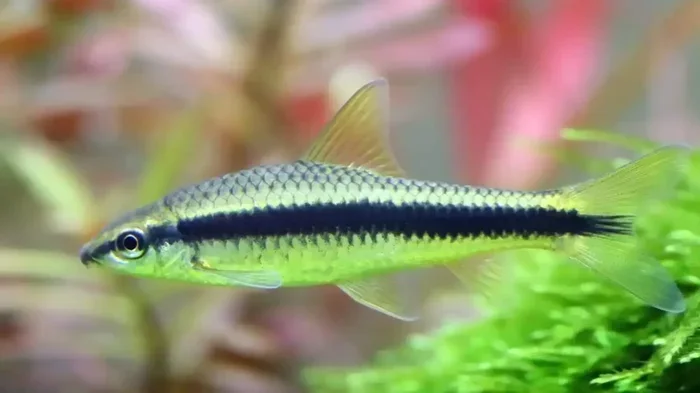
Siamese Algae Eaters
Siamese algae eaters are active swimmers and can be too energetic for bettas. They may stress out a passive betta by constantly moving around. They also grow to 6 inches and need a larger tank. While they are better than common plecos, they are not ideal for small betta setups.
How to Set Up a Tank for Bettas and Algae Eaters
A proper setup makes all the difference. If you want both species to thrive, follow these guidelines.
Tank Size
A minimum of 10 gallons is recommended. Bettas need at least 5 gallons on their own. Adding algae eaters requires extra space. A larger tank dilutes waste and reduces aggression. It also gives each species its own territory, which lowers stress.
Water Parameters
Both bettas and most algae eaters prefer similar conditions. Keep the water temperature between 76 and 82 degrees Fahrenheit. Maintain a pH between 6.5 and 7.5. Ammonia and nitrite should always be at zero. Nitrates should stay below 20 ppm. Regular testing and water changes keep everything stable.
Plants and Hiding Spots
Live plants are a great addition. They absorb nitrates, produce oxygen, and provide cover. Bettas love plants with broad leaves where they can rest. Algae eaters appreciate plants where algae grows naturally. Java moss, java fern, and anubias are excellent choices that work well for both species.
Add caves, driftwood, and decorations. These give algae eaters places to hide and graze. They also break up lines of sight, which reduces territorial behavior in bettas.
Feeding Both Species
A common mistake is assuming algae alone feeds everyone. Algae is not enough for a betta, and it may not be enough for your algae eater either. Feed your betta high-quality pellets or flakes once or twice a day. For algae eaters, supplement with algae wafers, blanched vegetables, or specialized shrimp food.
Feed the algae eater first or at the same time as the betta. This ensures the algae eater gets enough food before the betta gobbles everything up. A well-fed betta is also less likely to chase or harass tank mates.
Signs Your Betta and Algae Eater Are Not Getting Along
Even with the best setup, problems can arise. Watch for these warning signs:
- Your betta flares constantly: This means it sees the algae eater as a threat.
- The algae eater hides all the time: Stress from a territorial betta can make algae eaters reclusive.
- Fin nipping or chasing: Immediate signs of aggression that need to be addressed quickly.
- Loss of appetite in either fish: Stress suppresses the appetite in both bettas and algae eaters.
- Clamped fins: This is a clear sign of illness or stress in your betta.
If you notice any of these signs, remove the algae eater to a quarantine tank. Reassess the setup before trying again. Sometimes a simple change like adding more plants or rearranging decorations helps. Can your betta live with other fish? Yes, but compatibility depends on the individual fish and the environment.
Expert Tips for Long-Term Success
Keeping bettas and algae eaters together is absolutely doable. Here are expert tips that make a big difference:
- Quarantine new additions: Always quarantine algae eaters for two to four weeks before adding them to your betta tank. This prevents disease from spreading.
- Introduce the algae eater first: If possible, add the algae eater before the betta. This prevents the betta from claiming the entire tank as its territory.
- Observe behavior daily: Spend a few minutes each day watching how your fish interact. Early detection of problems makes them easier to fix.
- Keep the tank clean: Regular water changes and filter maintenance keep stress levels low for both species.
- Do not overstock: Adding too many fish leads to competition and aggression. Stick to one betta and one or two algae eaters max.
Remember, every betta has its own personality. What works for one betta may not work for another. Patience and observation are your best tools. Can betta fish and algae eaters live together? Yes, and with the right approach, they can form a harmonious and visually stunning aquarium.
Conclusion
Can algae eaters live with betta fish? Absolutely. The key is choosing the right species, setting up the tank properly, and monitoring behavior closely. Otocinclus, nerite snails, amano shrimp, mystery snails, and cherry shrimp are all excellent choices for a betta community tank. Avoid plecos, Chinese algae eaters, and overly aggressive species.
A well-planned tank benefits both your betta and your algae eaters. Your betta gets a cleaner, healthier environment. Your algae eaters get a peaceful home with plenty to eat. The result is a beautiful, low-maintenance aquarium that you can enjoy every day. Start small, watch closely, and adjust as needed. You will be rewarded with a thriving tank full of happy, healthy fish.
Frequently Asked Questions
What is the best algae eater for a betta fish tank?
Otocinclus catfish, nerite snails, and amano shrimp are the best options. They are peaceful, small, and effective at controlling algae. They rarely bother bettas and thrive in the same water conditions.
Can a betta fish live with an algae eater in a 5-gallon tank?
A 5-gallon tank is too small for most algae eaters. Bettas need at least 5 gallons alone. Adding another species requires at least a 10-gallon tank for comfortable living and stable water quality.
Will betta fish eat algae wafers meant for algae eaters?
Yes, bettas sometimes eat algae wafers. This can be a problem because it means the algae eater may not get enough food. Feed the algae eater separately to ensure it gets proper nutrition.
Can mystery snails live with betta fish?
Yes, mystery snails are peaceful and slow enough that bettas usually leave them alone. They are excellent algae eaters and add visual interest to the tank. Just make sure your tank is large enough to support both species.
How many algae eaters can you have with one betta?
One or two algae eaters is ideal. More than that can increase waste and competition for food. Stick to a small group to keep the tank balanced and reduce stress on your betta.
Do algae eaters help keep a betta tank clean?
Yes, algae eaters consume excess algae and biofilm. This helps maintain cleaner water and reduces the frequency of tank maintenance. However, they are not a replacement for regular water changes and filter cleaning.