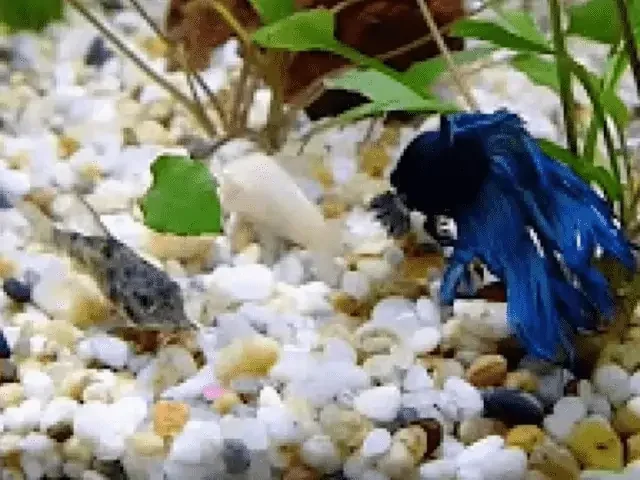
What Is the Best Water Temperature for Betta Fish

The best water temperature for betta fish is between 78°F and 82°F (25.5°C to 28°C). Betta fish are tropical creatures that thrive in warm, stable water conditions. Keeping your betta’s tank within this optimal temperature range is one of the most important things you can do for their health, color, and energy.
Key Takeaways
- Ideal range: Betta fish do best at 78°F to 82°F (25.5°C to 28°C) in their aquarium water.
- Temperature stability: Sudden swings in water temperature can cause stress and disease in bettas.
- Heaters are essential: Most betta tanks need a reliable aquarium heater to maintain consistent warmth.
- Cold water is dangerous: Room-temperature or cold water can weaken a betta’s immune system over time.
- Monitor regularly: Use a simple tank thermometer to check water conditions daily.
- Too hot is also bad: Water above 86°F can be just as harmful as water that’s too cold.
📑 Table of Contents
Why Water Temperature Matters for Betta Fish
If you want your betta fish to live a long, colorful, and active life, understanding the best water temperature for betta fish is where it all starts. These beautiful little swimmers are not just any fish. Betta splendens are tropical fish that come from warm, shallow waters in Southeast Asia. They need consistent warmth to stay healthy.
Water temperature affects almost everything about your betta’s life. It controls how fast they swim, how well they eat, how bright their colors look, and even how strong their immune system is. When the water gets too cold, your betta slows down. When it gets too hot, harmful bacteria can grow fast. Either extreme can lead to serious health problems.
Many new betta owners make the mistake of thinking these fish can survive in room-temperature water. The truth is, bettas kept in water that is too cool often get sick or die much earlier than they should. That is why learning how to manage your betta habitat properly is so important.
How Temperature Affects Betta Health
Your betta’s body works best within a specific temperature range. Here is a quick look at what different temperatures can do:
- Below 72°F (22°C): Your betta becomes sluggish, stops eating, and is more likely to develop fin rot or fungal infections.
- 72°F to 76°F (22°C to 24°C): Still too cold for long-term health. The fish may survive but will look dull and tired.
- 78°F to 82°F (25.5°C to 28°C): This is the sweet spot. Your betta stays active, eats well, and shows off vibrant colors.
- Above 86°F (30°C): Too hot. Oxygen levels drop in the water, and your fish can experience heat stress.
Keeping a stable temperature within the ideal range is the single biggest thing you can do for your betta’s well-being. If you are unsure about your current setup, check out this helpful guide on the best temperature for a betta fish tank to make sure you are on the right track.
The Ideal Water Temperature Range for Betta Fish
So what exactly is the best water temperature for betta fish? The short answer is 78°F to 82°F, which is about 25.5°C to 28°C. This range mirrors the warm, tropical waters where bettas naturally live. Let us break it down a bit more.
Understanding the Optimal Temperature
The optimal temperature for most betta fish sits right around 80°F (26.7°C). At this temperature, your betta feels comfortable, stays active, and processes food efficiently. Their colors tend to pop beautifully too. This is the number you should aim for every single day.
It is worth noting that not all bettas are the same. Some bettas may prefer the lower end of the range around 78°F, while others do better closer to 82°F. A few degrees usually does not make a big difference, but staying consistent matters a lot more than hitting the exact number.
For more details on specific temperature preferences, you can read about the ideal temperature for betta fish and how different factors play into the equation.
Room Temperature vs. Heated Water
Many people keep betta bowls or small tanks without any heating device. Room temperature water might feel fine to us, but it is usually between 68°F and 72°F. That is well below what a betta needs. Over time, cool water weakens their immune system and makes them prone to diseases like ich and fin rot.
Heated water, on the other hand, keeps your fish in a safe tropical environment all year round. Even in warm climates, outdoor temperatures can swing a lot during the day. A heater removes that risk completely.
How to Maintain the Best Water Temperature
Now that you know the target numbers, let us talk about how to actually keep your tank water at the right temperature. This part is easier than you might think.
Choosing the Right Aquarium Heater
An aquarium heater is the most reliable way to keep your betta’s water warm. There are a few types to choose from:
- Submersible heaters: These sit inside the water and are easy to install. They work well for most small betta tanks.
- Hang-on heaters: These attach to the back of the tank. They are a bit bulkier but still effective.
- Heater mats: These go under the tank and provide gentle warmth. They work better for larger setups.
For a standard betta tank of 2.5 to 5 gallons, a 25-watt submersible heater is usually enough. Make sure the heater has a built-in thermostat so it shuts off when the water gets too warm.
Using a Thermometer
You should always pair your heater with a simple thermometer. Stick-on thermometers are cheap and easy to read. Digital thermometers give more accurate readings. Either one works fine. Just check the temperature at least once a day to make sure everything stays on track.
Also, keep in mind that room temperature changes throughout the day. A sunny window or a cold draft from an air conditioner can shift things quickly. This is where the value of a good heater with a thermostat really shows.
Tips for Stable Water Conditions
Keeping the temperature steady is just as important as hitting the right number. Here are some practical tips:
- Place your tank away from windows, doors, and air vents to avoid sudden temperature changes.
- Do not change more than 25 percent of the tank water at once. Large water changes can shift the temperature fast.
- When doing a water change, make sure the new water is close to the same temperature as the tank water. You can use a thermometer to check this.
- If the power goes out, use a heating pad wrapped around the tank as a temporary backup.
These small habits add up. They help your betta live in a comfortable and safe environment day after day.
What About Water Quality?
Temperature is just one piece of the puzzle. Water quality matters too. Betta fish are sensitive to ammonia, nitrite, and chlorine. Always use a water conditioner before adding tap water to your tank. Test the water parameters regularly using a liquid test kit. Clean water at the right temperature keeps your betta in top form.
Common Mistakes When Managing Betta Water Temperature
Even experienced fish keepers sometimes slip up. Here are some common mistakes to watch out for when managing the best water temperature for betta fish.
Skipping the Heater
This is the number one mistake. Some people believe bettas can live in room-temperature water because they are “tough” fish. The truth is, bettas are tropical fish. They need warm water. Skipping the heater might save you a few dollars now, but it can cost your fish its health and lifespan.
Setting the Heater Too High
On the flip side, cranking the heater up too high can be just as bad. Water above 86°F creates a temperature shock that stresses your fish. It also reduces how much oxygen the water can hold. If you want to learn more about dangerous high temperatures, check out this resource on what temperature is too hot for a betta fish.
Ignoring Seasonal Changes
Your room temperature changes with the seasons. In winter, the water in your tank may drop several degrees without you noticing. In summer, the tank might heat up more than you expect. Always adjust your heater settings with the seasons to keep things consistent.
Not Monitoring Regularly
Heaters can break. Thermostats can malfunction. That is why you should never set your heater and forget it. Check the temperature daily. It only takes a few seconds and it could save your fish’s life.
Signs Your Betta Fish Water Temperature Is Off
Bettas are good at showing when something is wrong. Here are some clear signs that your water temperature might not be right.
Signs the Water Is Too Cold
- Your betta moves very slowly and stays near the bottom of the tank.
- The fish stops eating or eats much less than usual.
- Colors look faded or dull.
- Clamped fins (fins held close to the body).
- Your betta is more likely to develop diseases like ich, fin rot, or fungal infections.
If you notice any of these signs, check your thermometer right away. Raise the temperature slowly. Do not crank the heater up all at once. A gradual increase is much safer for your fish.
Signs the Water Is Too Hot
- Your betta gasps at the surface for air.
- The fish seems restless and swims erratically.
- Algae grows faster in the tank.
- The water feels noticeably warm to the touch.
Hot water holds less oxygen. That is why your betta may rush to the surface when things get too warm. Lower the temperature a few degrees at a time. Remove the heater temporarily if needed.
Behavioral Changes to Watch For
Sometimes the signs are subtle. Your betta might become more territorial, hide more often, or stop flaring like it used to. These behavioral shifts can all point to uncomfortable water conditions. A quick temperature check can often clear things up fast.
Quick Tips for Keeping Your Betta Comfortable
Here is a fast summary of everything we covered. Use these quick tips to keep your betta living in the perfect environment:
- Keep the water between 78°F and 82°F. This is the golden range for betta health and happiness.
- Use a reliable heater. A small submersible heater with a thermostat is your best friend.
- Check the temperature every day. A two-second glance at your thermometer can prevent big problems.
- Avoid large, sudden water changes. Match the temperature of new water to the tank water before adding it.
- Watch for warning signs. Lethargy, faded colors, and surface gasping are red flags.
- Keep the tank away from drafts and direct sunlight. External temperature swings can throw off your tank environment fast.
- Maintain good water quality. Clean, conditioned water at the right temperature is the ultimate combo for a thriving betta.
For more guidance on setting up the perfect home for your fish, you might want to explore articles about the best tank for betta fish to pair with your heating setup.
Conclusion
So what is the best water temperature for betta fish? The answer is clear. Keep the water warm, between 78°F and 82°F, and make sure it stays stable. Use a good heater, monitor daily, and watch for any signs of trouble. These simple steps go a long way.
Your betta fish deserves a comfortable home. Getting the water temperature right is the foundation of great betta care. It affects their energy, their colors, their appetite, and their overall lifespan. Do not underestimate the power of warm, consistent water.
Now that you know what to do, go check your tank. Adjust that heater if you need to. Your betta will thank you with vibrant fins and happy swimming.
Frequently Asked Questions
What is the best water temperature for betta fish?
The best water temperature for betta fish is between 78°F and 82°F (25.5°C to 28°C). This range keeps them active, healthy, and colorful. Most bettas do especially well around 80°F, which is close to the warm tropical waters they come from.
Can betta fish live in room temperature water?
Room temperature water is usually between 68°F and 72°F, which is too cold for bettas. While they might survive for a short time, long-term exposure to cool water weakens their immune system and leads to diseases. A small aquarium heater is strongly recommended.
What happens if my betta’s water gets too hot?
If the water goes above 86°F, your betta can experience heat stress. The water holds less oxygen, which makes your fish gasp at the surface. Prolonged exposure to very hot water can be dangerous. Always monitor the temperature and adjust your heater settings as needed.
Do I really need a heater for my betta tank?
Yes, a heater is very important unless you live in a consistently warm climate where room temperature stays at 78°F or above all year. Most people need a small submersible heater to keep the water at the right temperature. It is one of the most important pieces of betta equipment.
How can I keep the water temperature stable?
Use a heater with a built-in thermostat, place the tank away from windows and vents, and avoid large water changes that shift the temperature quickly. A thermometer on the tank wall helps you track things daily. Keeping conditions stable protects your betta from stress and illness.
Is a thermometer really necessary for a betta tank?
Yes, a thermometer is a must-have. Even with a good heater, things can go wrong. Thermostats can malfunction, and room temperature changes can affect your tank. A simple stick-on or digital thermometer takes the guesswork out of caring for your betta fish.