How to Teach Betta Fish Tricks

Teaching your betta fish tricks is easier than you think! With patience, the right treats, and a few simple techniques, you can train your betta to follow your finger, swim through hoops, and even play games. This guide covers everything from basic betta fish training methods to advanced tricks that will amaze your friends.
Have you ever watched your betta fish glide around its tank and thought, “You know what, you could do more than just swim”? You’re not alone. More and more fish keepers are discovering the joy of teaching betta fish tricks, and honestly, it’s one of the most rewarding parts of fish ownership. These colorful little fish are far smarter than they get credit for, and with a bit of time and patience, you can open up a whole new world of interaction with your pet.
If you’ve ever wondered whether betta fish training really works, the answer is a resounding yes. Bettas are curious creatures with distinct personalities. They recognize their owners, respond to stimuli, and can absolutely learn new behaviors. Whether you’re a complete beginner or someone who’s tried and failed before, this guide will walk you through everything you need to know. We’ll cover the basics, the best tricks to start with, and how to keep your fish happy and engaged throughout the process. If you want to dive deeper into whether bettas can truly learn, check out this guide on whether you can teach a betta fish tricks.
The beauty of teaching your betta fish to do tricks is that it strengthens the bond between you and your fish. Training sessions become a form of enrichment that keeps your betta mentally stimulated and physically active. Plus, it’s just plain fun to watch your fish do something clever. Let’s get into it.
Key Takeaways
- Betta fish are smarter than most people think: They can learn a variety of tricks with consistent training.
- Positive reinforcement works best: Use food rewards and gentle encouragement to build trust and speed up learning.
- Start with simple tricks first: Following your finger and swimming through hoops are great beginner tricks.
- Keep training sessions short: 3-5 minutes per session prevents stress and keeps your betta engaged.
- Patience is the key to success: Every betta learns at their own pace, so don’t rush the process.
- A healthy betta learns faster: Proper water quality and nutrition support better training results.
📑 Table of Contents
Understanding Betta Fish Intelligence
Before you start training, it helps to understand what’s going on inside that little fish brain. Bettas are not just pretty faces. They have a surprisingly developed capacity for learning and memory. In the wild, bettas must hunt for food, navigate complex environments, and remember territorial boundaries. This means their brains are wired for problem-solving and pattern recognition.
How Bettas Learn
Betta fish learn through a process called positive reinforcement. This means when your fish does something you want, you reward it. The reward is usually food. Over time, your betta starts to associate a specific action with a positive outcome. This is the same principle behind training betta fish to do tricks in professional aquarium settings.
Here are some key points about how bettas process information:
- Memory: Bettas can remember patterns and routines for weeks at a time.
- Recognition: They can learn to recognize their owner and respond differently to familiar vs. unfamiliar faces.
- Adaptation: Bettas quickly adjust their behavior based on what works and what doesn’t.
- Stimulation response: They react to light, sound, movement, and even specific colors.
Understanding this makes the training process much easier. You’re not fighting against your fish’s nature — you’re working with it. The more you understand about betta fish behavior, the better trainer you’ll become.
Getting Ready for Training
Training your betta isn’t something you just jump into on a whim. A little preparation goes a long way. Think of it like getting ready for a workout — you need the right setup, the right fuel, and the right mindset.
Step 1: Make Sure Your Betta Is Healthy
You can’t expect a sick or stressed fish to learn. Before you begin any betta fish training, make sure your fish is in good shape. Check the water parameters, feed a balanced diet, and watch for signs of illness. A healthy, active betta will always learn faster than a lethargic one. If you’re concerned about your fish’s health, read up on how to make your betta fish healthy again and address any issues first.
Step 2: Gather Your Supplies
You don’t need much to get started. Here’s what you’ll want to have ready:
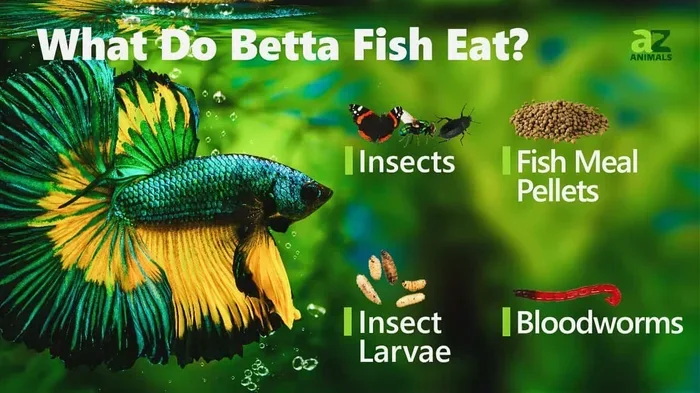
- High-value treats: Bloodworms, brine shrimp, or daphnia work great. These are foods your betta doesn’t get every day, so they feel extra special.
- A target stick: You can use a chopstick or a specially made aquarium target.
- A calm environment: Turn off loud music and dim the lights slightly to reduce distractions.
- Patience: This might be the most important supply of all.
Step 3: Choose the Right Time
Train your betta when it’s most active. Bettas tend to be most alert in the morning or early evening. Avoid training right after feeding, as a full belly makes them sluggish. Keep sessions to just 3-5 minutes. Short, frequent sessions work far better than long, infrequent ones.
Best Tricks to Teach Your Betta Fish
Now for the fun part. Not all tricks are created equal, and some are definitely easier to start with than others. Here’s a breakdown of the best tricks to teach your betta, ranked from easiest to more advanced.
Trick 1: Follow Your Finger
This is the ultimate beginner trick and the gateway to everything else. Hold your finger against the outside of the tank and wait. Your betta will eventually swim toward it. The moment it does, reward it with a treat. Repeat this daily, and within a few days, your betta will start following your finger on command.
Some fish learn this trick in just two or three sessions. Others take a week or more. Either way is perfectly fine. The key is consistency. If you want more fun interaction ideas, also check out how to play games with your betta fish for additional enrichment.
Trick 2: Swim Through a Hoop
Once your betta is following your finger reliably, you can introduce a hoop. You can make one from a pipe cleaner or buy a small aquarium hoop. Hold the hoop in the water and guide your fish through it with the target stick. Reward immediately when they pass through.
Start with the hoop near the surface and gradually lower it as your fish gets more comfortable. This trick requires a bit more coordination from your fish, so give it extra time.
Trick 3: Jump for Food
This one is a crowd-pleaser. Hold a treat just above the water surface. Your betta will eventually jump up to get it. With repetition, your fish will start associating the hand signal with jumping. Be careful not to overfeed during this process, and always keep the water level low enough that your betta can safely reach the surface.
Trick 4: Target Training
Target training is the foundation of almost all advanced tricks. You simply touch the target stick to your betta’s nose, and when they follow it, they get a reward. This creates a clear communication channel between you and your fish. From here, you can guide them to swim in circles, through tunnels, or to specific spots in the tank.
If you’re looking for a deeper dive into what’s possible, here’s a great resource on tricks you can teach a betta fish that covers advanced techniques.
Training Methods That Actually Work
Not all training approaches are created equal. Some methods produce faster results and keep your betta happier in the process. Let’s break down the most effective techniques.
Positive Reinforcement
This is the gold standard of betta fish training. The idea is simple: reward desired behavior, ignore unwanted behavior. When your betta does something right, give it a treat immediately. The quicker the reward, the stronger the association. Delaying the treat by even a few seconds can confuse your fish.
Here’s a quick comparison of different training approaches:
| Method | Effectiveness | Difficulty | Stress Level |
|---|---|---|---|
| Positive Reinforcement | High | Easy | Low |
| Negative Reinforcement | Low | Hard | High |
| Clicker Training | Very High | Medium | Low |
| Forced Repetition | Very Low | Easy | Very High |
As you can see, positive reinforcement is the clear winner. It’s effective, easy to implement, and keeps your fish stress-free. Forcing a fish to do tricks through repetition or punishment is not only ineffective but also harmful to their well-being.
Clicker Training for Bettas
Clicker training is a popular method among aquarium enthusiasts. The click sound becomes a signal that tells your betta, “That was exactly right.” You click, then immediately give a treat. Over time, your betta learns to associate the click with a reward, which makes communication much clearer.
You don’t need a fancy clicker — a small pen that makes a clicking sound works perfectly. Just be consistent with the timing. Click the moment your fish does the right thing, then deliver the treat within two seconds.
Common Mistakes to Avoid
Training your betta can be a wonderful experience, but there are some pitfalls that trip up even well-meaning fish owners. Here’s what to watch out for.
Training Sessions That Are Too Long
This is the number one mistake people make. Bettas have short attention spans. Anything beyond 5-7 minutes and your fish is done. Short, focused sessions are far more effective than marathon training marathons. Keep it fun and keep it brief.
Skipping the Warm-Up
Just like any workout, your betta needs a warm-up. Start each session by simply letting your fish get comfortable. Hold your hand near the tank and let your betta approach you on its own terms. This builds trust and sets the stage for a successful training session.
Inconsistent Rewards
If you reward your betta sometimes but not always, the training breaks down. Consistency is everything. Every correct behavior should be followed by a reward. This builds a clear connection between action and outcome.
Ignoring Your Fish’s Stress Signals
Watch your betta closely during training. If you see clamped fins, rapid gilling, or your fish hiding, it’s stressed. Stop the session immediately and try again later. Pushing through stress will set your training back significantly. For more on recognizing and managing stress, see how to treat a stressed betta fish.
Building a Strong Bond Through Training
Training isn’t just about tricks — it’s about building a relationship with your fish. When you train your betta regularly, you create a form of communication that goes beyond words. Your fish starts to recognize you, anticipate sessions, and even seem excited when you approach the tank.
This bonding experience is one of the most overlooked benefits of betta fish training. Many fish owners report that their bettas become more active, more curious, and more responsive after regular training. It’s a win-win: your fish gets mental stimulation and exercise, and you get a more engaging pet.
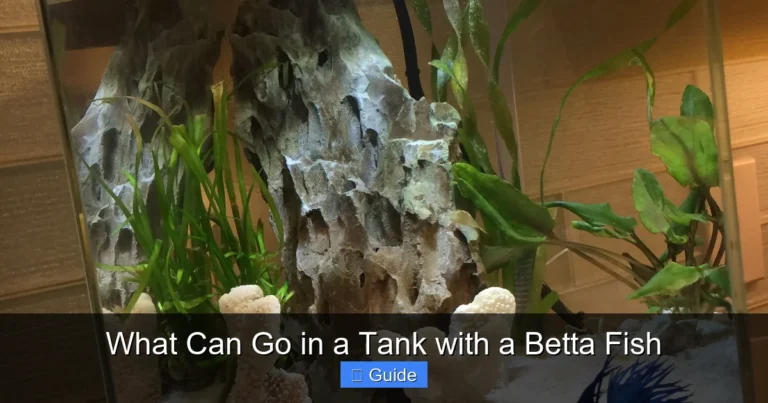
To support this bonding, make sure your tank setup is enriching. Add plants, caves, and open swimming space. A well-decorated tank gives your betta plenty of exploration opportunities, which complements the training you do outside the tank. If you’re setting up a new environment, here’s how to properly set up a fish tank for betta fish to create the perfect home.
Remember, every betta is different. Some will learn tricks quickly and seem to love the mental challenge. Others will take their time and prefer a more relaxed approach. Neither way is wrong. The goal is to enjoy the process and give your fish a happy, enriched life.
Training also helps keep your betta physically healthy. Swimming through hoops, following your finger, and jumping all provide gentle exercise that strengthens muscles and improves cardiovascular health. For tips on boosting your fish’s overall vitality, check out how to make your betta fish stronger.
The journey of teaching betta fish tricks is one of patience, discovery, and connection. You’ll learn more about your fish than you ever thought possible. And honestly, there’s nothing quite like the moment your betta does something new for the first time. It’s a small victory, but it feels huge. So grab those treats, roll up your sleeves, and get ready to be amazed by what your little fish can do.
Frequently Asked Questions
How long does it take to teach a betta fish tricks?
Most bettas can learn simple tricks like following your finger within one to two weeks of daily practice. More complex tricks like swimming through hoops may take three to four weeks. Every fish learns at its own pace, so be patient and consistent with your training sessions.
What is the best treat to use when training a betta fish?
High-value treats like bloodworms, brine shrimp, or daphnia work best for training. These are foods your betta doesn’t get every day, making them extra motivating. Avoid using regular flakes as rewards, as they are less enticing and can lead to overfeeding.
Can all betta fish learn tricks?
Most bettas can learn at least some tricks, but individual personality plays a big role. Some bettas are naturally more curious and active, making them faster learners. Even shy or older bettas can learn simple tricks with enough patience and a calm training environment.
How often should I train my betta fish?
One to two short sessions per day is ideal. Each session should last no more than 3 to 5 minutes. Over-training can stress your fish out and make them lose interest. Consistency matters more than duration, so short daily sessions are far better than long weekly ones.
Do betta fish get bored with the same tricks?
Yes, bettas can lose interest if you repeat the same trick over and over. Keep things fresh by introducing new variations or mixing up the order of tricks. Adding enrichment like new tank decorations or interactive games also helps prevent boredom.
Is clicker training safe for betta fish?
Yes, clicker training is completely safe and effective for bettas. The clicking sound doesn’t harm them, and it actually helps create clear communication during training. Just make sure to click at the exact moment of the desired behavior and follow up with a treat immediately for the best results.
=== CONCLUSION ===
Teaching betta fish tricks is one of the most enjoyable and rewarding aspects of fish keeping. It taps into your betta’s natural intelligence and gives them the mental stimulation they need to thrive. From simple tricks like following your finger to more impressive feats like jumping and hoop swimming, the possibilities are genuinely exciting.
Remember to keep sessions short, rewards consistent, and always watch for signs of stress. Your betta is an individual with its own personality and learning speed. Celebrate small victories, stay patient, and enjoy the journey. With the right approach, you’ll be amazed at what your betta fish can accomplish. Happy training!