How Often to Feed Betta Fish Pellets
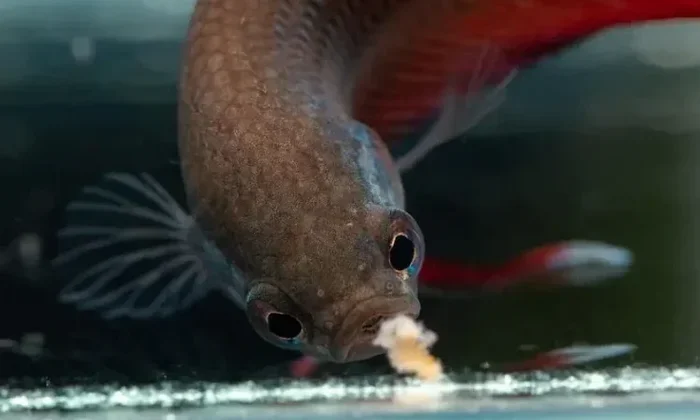
Knowing how often to feed betta fish pellets is the key to keeping your betta healthy and happy. Most bettas thrive on one to two small feedings per day, but the exact schedule depends on their age, size, and activity level. This guide covers everything you need to know about betta fish pellet feeding, from portion sizes to common mistakes.
Feeding your betta fish might seem simple, but it is one of the most important parts of betta care. Many new fish owners wonder, how often to feed betta fish pellets, and the answer is not always straightforward. A lot depends on your fish’s age, size, and overall health.
In this guide, we will walk you through everything you need to know about betta fish pellet feeding. You will learn the ideal feeding frequency, portion sizes, and the mistakes most people make. By the end, you will feel confident about your betta feeding schedule and know exactly how to keep your fish thriving.
Key Takeaways
- Feed betta fish pellets 1-2 times daily with small portions each time to match their tiny stomachs.
- Overfeeding is the most common mistake and can lead to serious health problems like bloating and swim bladder issues.
- A proper feeding schedule keeps your betta active, colorful, and living a longer, healthier life.
- Soak pellets before feeding to prevent them from expanding in your fish’s stomach and causing discomfort.
- Adjust feeding frequency based on age — fry, juveniles, and adult bettas all have different nutritional needs.
- Watch for signs of overfeeding or underfeeding so you can adjust portions and timing quickly.
📑 Table of Contents
- Why Feeding Frequency Matters for Betta Fish
- How Often Should You Feed Betta Fish Pellets?
- How Many Pellets Should You Feed Per Meal?
- Best Practices for Feeding Betta Fish Pellets
- Common Mistakes When Feeding Betta Fish Pellets
- Signs Your Betta Is Being Fed Correctly
- How to Adjust the Feeding Schedule When Needed
- Quick Tips for Perfect Betta Pellet Feeding
- Conclusion
Why Feeding Frequency Matters for Betta Fish
Betta fish have small stomachs. In fact, their stomach is roughly the size of their eye. This means they cannot handle large meals the way bigger fish can. Feeding betta fish pellets at the right frequency ensures they get nutrition without overwhelming their digestive system.
When you feed your betta too much, the excess food sinks to the bottom of the tank and decays. This spikes ammonia levels and harms your fish. On the flip side, underfeeding leaves your betta malnourished and weak. Finding the right balance is everything.
Most experts agree that how often to feed betta fish pellets should be once or twice a day. This mimics their natural eating pattern in the wild, where they graze on small meals throughout the day. A consistent betta fish feeding schedule also reduces stress and keeps your fish active.
The Science Behind Betta Digestion
Betta fish are carnivorous by nature. Their digestive systems are designed to process small amounts of protein-rich food frequently. Pellets are a staple food because they are packed with nutrients and are easy to portion out.
When pellets hit water, they expand. If your betta eats dry pellets, they can swell inside its stomach and cause bloating. This is why soaking pellets for a few seconds before feeding is so important. It makes the food easier to digest and prevents health issues.
How Often Should You Feed Betta Fish Pellets?
The short answer is once or twice a day. But the full answer depends on a few factors. Let us break it down.
Feeding Schedule for Adult Betta Fish
For adult bettas, two small feedings per day works best. Each feeding should be about two to three pellets. You can feed once in the morning and once in the evening. This gives your fish a steady supply of energy throughout the day.
If you are busy and can only feed once a day, that is fine too. Just make sure the portion is small. A good rule of thumb is to offer only what your betta can eat in two minutes. This prevents leftover food from polluting the tank.
Feeding Schedule for Juvenile and Fry Betta Fish
Young bettas and fry need more frequent meals. Feed betta fish fry three to four times a day with tiny portions. Their stomachs are even smaller than adult bettas, so they need more regular meals to support growth.
For juvenile bettas, two feedings a day with slightly larger portions works well as they mature. Gradually reduce the frequency as your fish grows into adulthood.
Feeding Schedule for Senior Betta Fish
Older bettas may not need as much food. Their metabolism slows down with age. You can reduce feedings to once a day with a smaller portion. Watch your fish closely and adjust if you notice weight loss or lethargy.
How Many Pellets Should You Feed Per Meal?
Portion control is just as important as frequency. Too many pellets at once can cause serious problems. As a general guideline, two to three pellets per feeding is enough for an adult betta.
If you are unsure about the right amount, check out our guide on how many pellets to feed betta fish daily for more detailed advice. The right portion keeps your betta healthy without overloading its digestive system.
Factors That Affect Portion Size
Several things influence how many pellets your betta needs:
- Fish size: Larger bettas can handle slightly more pellets than smaller ones.
- Activity level: Active bettas burn more energy and may need a bit more food.
- Water temperature: Warmer water speeds up metabolism, which can increase appetite.
- Pellet type: Some pellets are denser and more nutrient-rich, so fewer are needed.
Best Practices for Feeding Betta Fish Pellets
Feeding your betta is not just about dropping pellets in the tank. There is a right way and a wrong way. Following best practices ensures your fish stays healthy and enjoys every meal.
Soak Pellets Before Feeding
This is a tip many beginners overlook. Dry pellets expand in water, and they will expand inside your betta’s stomach if swallowed dry. Drop two to three pellets in a small cup of tank water and let them soak for 30 seconds before offering them to your fish.
Soaking also makes the pellets sink faster, which is important because bettas are top-dwelling fish. They prefer to eat from the surface, and sinking pellets can be harder for them to find.
Feed at the Same Times Every Day
Consistency is key. Bettas thrive on routine. Pick two times each day and stick to them. Morning and evening feedings work well for most owners because they fit naturally into daily schedules.
A regular betta fish feeding schedule also helps you monitor your fish’s appetite. If your betta refuses food at its usual time, that is a warning sign you should not ignore.
Remove Uneaten Food Promptly
After feeding, watch your betta for a few minutes. If there are leftover pellets, use a net or turkey baster to remove them within five minutes. Uneaten food decays quickly and releases ammonia into the water. This is one of the fastest ways to ruin your tank water quality.
If you struggle with this, consider reading our article on how to feed my betta fish for practical tips on managing feeding time effectively.
Common Mistakes When Feeding Betta Fish Pellets
Even experienced fish keepers make feeding mistakes. Knowing what to avoid saves you a lot of trouble.
Overfeeding Your Betta
Overfeeding is the number one mistake betta owners make. It is easy to think your fish is hungry, especially when it swims to the front of the tank and begs for food. But bettas are opportunistic eaters and will eat long after they are full.
Signs of overfeeding include:
- Bloated or distended belly
- Floating near the surface or struggling to swim
- Refusing food at the next feeding
- Cloudy water or excess waste
If you notice any of these signs, skip the next feeding and let your betta’s stomach settle. Adjust your portions going forward.
Feeding Too Many Pellets at Once
More pellets does not mean more nutrition. Dumping a handful of pellets into the tank overwhelms your fish and creates water quality problems. Stick to the two-to-three-pellet rule per feeding.
Relying on Pellets Alone
Pellets are a great staple food, but they should not be the only thing your betta eats. Variety improves nutrition and keeps your fish interested in food. Occasionally offer bloodworms, brine shrimp, or daphnia as treats.
Signs Your Betta Is Being Fed Correctly
How do you know your feeding routine is working? A well-fed betta shows clear signs of good health:
- Bright, vibrant colors: A healthy diet brings out the best colors in your betta.
- Active swimming: Your fish moves around the tank with energy and curiosity.
- Good appetite: Your betta eats eagerly at feeding time but does not overeat.
- Regular waste: Healthy digestion produces firm, dark waste.
- No bloating: Your fish’s belly should be a normal, slight size.
If your betta shows these signs, your feeding betta fish pellets routine is on track. If not, it is time to reassess your frequency and portions.
How to Adjust the Feeding Schedule When Needed
Sometimes your routine needs to change. Maybe you are going on vacation, or your betta seems less interested in food. Here is how to handle common situations.
Feeding When You Are Away
Bettas can survive one to two days without food without any issues. If you are going on a short trip, you do not need an automatic feeder. For longer trips, consider an automatic feeder or ask a friend to feed your fish. Just make sure they know the right portion size.
For more details, check out our guide on how to feed your betta fish while on vacation.
When Your Betta Refuses to Eat
A betta that refuses food can be concerning. This sometimes happens when the water temperature drops or when the fish is stressed. Try warming the water slightly and offering fresh pellets. If your betta still refuses food for more than three days, test your water parameters and look for signs of illness.
Changing From Flakes to Pellets
If you are switching your betta from flakes to pellets, do it gradually. Mix a small amount of pellets with the flakes and increase the pellet portion over a week. This prevents digestive upset and helps your fish adjust to the new food.
Quick Tips for Perfect Betta Pellet Feeding
Here is a quick reference list you can follow every day:
- Feed your betta once or twice a day with two to three pellets per meal.
- Soak pellets in tank water for 30 seconds before feeding.
- Feed at the same times each day to build a routine.
- Remove uneaten pellets within five minutes.
- Offer variety with occasional treats like bloodworms or brine shrimp.
- Watch for signs of overfeeding or underfeeding and adjust accordingly.
Following these simple steps keeps your betta healthy and your tank clean. For more details on how much to feed betta fish, you can also check out our dedicated guide on portion sizes.
Conclusion
How often to feed betta fish pellets comes down to consistency and portion control. Feed your adult betta one to two times a day with two to three soaked pellets per meal. Adjust frequency for younger and older fish. Avoid overfeeding at all costs, and always remove uneaten food promptly.
A good feeding routine is one of the simplest yet most powerful things you can do for your betta. It supports digestion, maintains water quality, and keeps your fish vibrant and active. Stick to the schedule, watch your fish closely, and you will have a happy, healthy betta for years to come.
Frequently Asked Questions
Can I feed my betta pellets every day?
Yes, feeding pellets every day is perfectly fine and actually recommended. Just make sure you are offering small portions at each feeding. Two to three pellets per meal, once or twice a day, is the ideal daily routine for most adult bettas.
What happens if I overfeed my betta fish pellets?
Overfeeding causes bloating, swim bladder issues, and poor water quality. Uneaten pellets decay in the tank and release ammonia, which is toxic to your fish. Always stick to small portions and remove any leftovers within a few minutes.
How many pellets should I feed my betta per day?
Most adult bettas do well with four to six pellets per day, split into two feedings. For exact portions, check out our guide on how many pellets to feed a betta fish. Adjust based on your fish’s size and activity level.
Should I soak betta pellets before feeding?
Yes, soaking pellets for 30 seconds in tank water is highly recommended. Dry pellets expand in the stomach and can cause discomfort or bloating. Soaking makes them easier to digest and helps them sink to the right feeding depth.
Can I feed my betta pellets and flakes together?
You can, but pellets should be the main staple because they are more nutrient-dense and less likely to cloud the water. Flakes can be offered occasionally as a treat, but they lack the same nutritional profile as quality betta pellets.
How long can a betta fish go without eating pellets?
A healthy adult betta can go two to three days without food without any problems. This is actually beneficial occasionally, as it gives the digestive system a rest. If your betta refuses food for longer than three days, check water parameters and look for signs of illness.