How Often Should a Betta Fish Eat
Knowing how often to feed your betta fish is one of the most important parts of betta fish care. Most experts recommend feeding adult bettas two small meals per day, while baby bettas need three to four feedings daily. Getting the feeding frequency right helps prevent overfeeding, keeps your fish active, and supports a long, healthy life.
If you own a betta fish, you probably wonder about the right feeding schedule. It is one of the first things every betta owner should learn. Getting the feeding routine right makes a huge difference in your fish’s health and happiness.
How often should a betta fish eat? The answer depends on your fish’s age, size, and overall health. Adult bettas generally do well with two meals a day. Younger bettas need more frequent feedings to support their growth. In this guide, we will walk you through everything you need to know about betta fish feeding. You will learn the best schedule, portion sizes, food types, and common mistakes to avoid.
By the end of this article, you will feel confident about setting up a feeding routine that keeps your betta thriving. Let us dive right in.
Key Takeaways
- Feed adult bettas twice a day: Morning and evening meals work best for a consistent feeding schedule.
- Portion control matters: Only give what your betta can eat in two minutes to avoid overfeeding.
- Baby bettas need more meals: Feed fry three to four times a day with smaller portions. Variety improves nutrition: Rotate between pellets, frozen, and live foods for balanced betta fish nutrition.
- Watch for warning signs: Loss of appetite or bloating can signal feeding problems or health issues.
- Consistency is key: Feeding at the same times each day helps regulate your betta’s digestion.
- Skip a day if needed: A weekly fasting day can help prevent constipation and bloating in bettas.
📑 Table of Contents
Understanding Betta Fish Eating Habits
Bettas are natural carnivores. In the wild, they eat small insects, larvae, and tiny crustaceans. Their stomachs are quite small, about the size of their eye. This means they do not need large amounts of food at each meal.
Understanding your betta’s natural eating patterns helps you create a better feeding schedule for betta fish. Bettas in the wild eat small meals throughout the day. They do not have a big breakfast and a big dinner like humans do. Instead, they graze on tiny food sources whenever they find them.
Your job is to recreate this pattern as closely as possible in a home tank. A consistent feeding routine helps your betta feel secure. It also makes it easier for you to monitor their appetite and health. Bettas that eat on a regular schedule tend to be more active and show better color.
One important thing to remember is that bettas can be stubborn eaters. They might beg for food even when they are full. This behavior often leads to overfeeding, which is one of the biggest problems betta owners face. We will talk more about this later.
How Often Should a Betta Fish Eat by Age
The feeding frequency changes as your betta grows. Here is a simple breakdown based on age groups.
Baby Bettas (Fry)
Baby bettas need to eat very frequently. Feed them three to four times a day. The portions should be tiny, almost like crumbles. Baby betta food or finely crushed pellets work great for fry. At this stage, their metabolism is fast, and they need constant fuel to grow properly.
Juvenile Bettas (1 to 6 months)
Young bettas can eat two to three times a day. You can start introducing betta pellets as their main food. Gradually add variety with frozen or live foods. This is also a good time to start building a regular feeding schedule.
Adult Bettas (6 months and older)
Adult bettas do best with two meals per day. One in the morning and one in the evening works well. This matches their natural feeding rhythm and keeps their digestion regular. If you are wondering can betta fish eat once a day, the answer is yes for some adults, but two smaller meals is generally better for their health and energy levels.
How Much Should You Feed Your Betta Fish
Frequency and portion size go hand in hand. Even if you feed the right number of times, too much food at each meal can harm your fish. How much a betta fish should eat depends on the type of food and your fish’s size.
A good rule of thumb is to feed only what your betta can consume in about two minutes. Start with two to three pellets per meal. If your betta finishes quickly, you can add one more. If there is leftover food after two minutes, you are giving too much.
Overfeeding is a serious risk. Uneaten food sinks to the bottom and decays quickly. This raises ammonia levels in the tank, which can make your betta sick. Bloating and constipation are also common problems caused by eating too much. A bloated betta may look swollen near the belly and swim awkwardly.
Underfeeding is less common but still possible. Signs include lethargy, faded colors, and weight loss. If your betta refuses food for a day or two, do not panic. Bettas can skip a meal without harm. But if the appetite loss continues, check the water temperature and tank conditions.
Best Foods for Betta Fish
Variety is important for a balanced betta fish diet. No single food provides all the nutrients your betta needs. Here are the best options to include in your betta’s meals.
Betta Pellets
High-quality pellets should be the staple of your betta’s diet. Look for pellets made specifically for bettas with a high protein content. Soak them before feeding to prevent them from expanding in your fish’s stomach.
Frozen Foods
Frozen brine shrimp, bloodworms, and daphnia are excellent treats. They mimic the live prey bettas eat in the wild. Thaw the food before dropping it into the tank. Use frozen foods as a supplement, not the main meal.
Live Foods
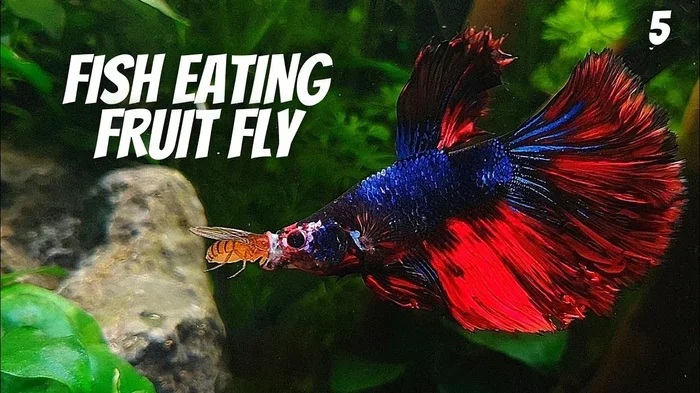
Live foods like brine shrimp and mosquito larvae are the most nutritious option. They encourage natural hunting behavior and boost your betta’s appetite. You can buy live foods from pet stores or raise your own at home.
Freeze-Dried Foods
Freeze-dried bloodworms and tubifex worms are convenient and long-lasting. Soak them before feeding to avoid digestive issues. They make great occasional treats but should not replace pellets.
Creating the Perfect Feeding Schedule
Consistency matters more than perfection. Bettas thrive on routine. When you feed them at the same times every day, they learn to expect food and become more active and responsive.
A simple betta feeding schedule might look like this:
- Morning (8:00 AM): Feed a small portion of soaked pellets.
- Evening (6:00 PM): Offer a mix of pellets and one frozen treat like a bloodworm.
This schedule gives your betta a balanced start and end to the day. It also leaves a long gap overnight for digestion. Bettas rest at night, so they do not need food right before lights out.
If your schedule does not allow for two exact feedings, try to keep the gap between meals consistent. Bettas do not need to eat at the exact minute every day. But a predictable pattern helps reduce stress and keeps their digestion on track.
Weekly Fasting Day
Consider skipping one feeding per week. A fasting day once a week gives your betta’s digestive system a break. This helps prevent constipation and bloating, which are common issues in captive bettas. Many experienced fish keepers swear by this simple practice.
On fasting days, your betta will be just fine. In fact, wild bettas sometimes go a full day without finding food. A weekly break mimics this natural cycle and supports better gut health. Just make sure your betta is eating well on the other six days.
Common Feeding Mistakes to Avoid
Even the best betta owners make feeding mistakes sometimes. Here are the most common ones and how to fix them.
Overfeeding
This is the number one mistake. It is easy to give too much food because bettas act hungry all the time. Remember that bettas have tiny stomachs. Excess food rots in the tank and pollutes the water. Always remove uneaten food after two minutes.
Feeding Too Often
Some owners think more food equals a healthier fish. This is not true. Feeding three or more times a day can overwhelm a betta’s digestive system. Stick to the recommended two meals for adults. If you are unsure, check our guide on how often you feed a betta fish for more details.
Using the Wrong Food
Not all fish food is created equal. Flakes designed for tropical community fish lack the protein bettas need. Always choose foods made specifically for bettas or carnivorous fish. Read the ingredient list and aim for a protein content of 30% or higher.
Ignoring Water Quality
Feeding is only part of the equation. Poor water quality can kill your betta faster than a bad diet. Make sure to change your betta fish water regularly and keep the tank clean. Dirty water suppresses appetite and causes illness.
Signs Your Betta’s Feeding Routine Needs Adjustment
Your betta will tell you if something is wrong with the feeding routine. Watch for these key signs and adjust accordingly.
Your Betta Is Always Hungry
If your betta begs for food right after eating, it might be a behavioral habit rather than true hunger. Bettas learn to associate their owner with food and will act hungry even when full. Reduce portion sizes slightly and stick to the schedule.
Your Betta Is Refusing Food
A betta that consistently refuses food may be stressed, sick, or bored with the same food. Try switching to a different food type or offering live food as a treat. If refusal continues for more than two days, check the water parameters and temperature.
Your Betta Looks Bloated
Bloating after meals is a clear sign of overfeeding. Reduce the portion size and consider adding a fasting day. If bloating persists, it could be a more serious condition like dropsy, and you should consult a fish vet.
Your Betta Is Losing Color
Poor nutrition can cause fading colors. Make sure your betta is getting enough protein and variety in its diet. Adding frozen or live foods often brings back vibrant colors within a few weeks.
Expert Tips for Optimal Betta Nutrition
Here are some extra tips from experienced betta keepers that can take your fish care to the next level.
Soak pellets for five minutes before feeding. This prevents them from expanding inside your betta’s stomach, which can cause discomfort and constipation. It is a small step that makes a big difference.
Rotate food types every week. Offer pellets one week, frozen brine shrimp the next, and live foods the week after. This rotation ensures your betta gets a wide range of nutrients and keeps mealtime interesting.
Feed in a calm environment. Turn off the tank filter temporarily if the current is strong, so your betta can eat without struggling. Bettas are slow swimmers and need time to find and consume their food.
Keep a feeding log. Write down what you feed and when. This helps you track patterns and spot problems early. It also comes in handy if you need to visit a vet or ask for advice in fish keeping forums.
Maintain proper water temperature. Bettas are tropical fish and need warm water to digest food properly. The ideal range is between 78 and 80 degrees Fahrenheit. Cold water slows digestion and can lead to health issues. If you need help setting the right temperature, check our guide on what temperature a betta fish tank should be.
Finally, remember that every betta is different. Some eat like machines, while others are picky eaters. Observe your individual fish and adjust the routine as needed. What works for one betta may not work for another, and that is perfectly normal.
Conclusion
So, how often should a betta fish eat? The answer is simple: twice a day for adults and three to four times a day for babies. Pair this frequency with proper portion sizes and high-quality food, and your betta will thrive. Keep the schedule consistent, watch for warning signs, and do not be afraid to adjust based on your fish’s needs.
A good feeding routine is one of the easiest ways to ensure your betta lives a long and healthy life. Combined with clean water, proper betta fish care, and a stress-free environment, the right diet makes all the difference. Start implementing these tips today and enjoy watching your betta flourish.
If you want to dive deeper into betta care, explore our other guides on tank cleaning frequency and water changes. Together, these practices will give your betta the best possible home.
Frequently Asked Questions
How many times a day should I feed my betta fish?
Adult bettas should be fed twice a day, once in the morning and once in the evening. Baby bettas under six months old need three to four feedings daily. Stick to small portions at each feeding to prevent overfeeding and keep your betta healthy.
Can I feed my betta fish once a day?
Yes, you can feed an adult betta once a day, but two smaller meals are generally better for their energy and digestion. If you choose once-a-day feeding, make sure the portion is enough to sustain your betta through the night without causing hunger-related stress.
What happens if I overfeed my betta fish?
Overfeeding causes bloating, constipation, and poor water quality. Uneaten food decays quickly and raises ammonia levels, which can make your betta seriously ill. Always feed only what your betta can finish in about two minutes.
Can betta fish go without food for a day?
Yes, bettas can easily skip a day without food. In fact, a weekly fasting day is beneficial for their digestive system. Wild bettas regularly experience gaps between meals, so a day without food is perfectly safe and even healthy.
What is the best food for betta fish?
High-quality betta pellets should be the foundation of their diet. Supplement with frozen or live foods like brine shrimp and bloodworms for variety and extra nutrition. Always choose foods with high protein content and avoid generic tropical flakes.
How do I know if my betta fish is getting enough food?
A well-fed betta will have vibrant colors, steady energy, and a healthy appetite. If your betta is losing weight, looking pale, or constantly begging for food, you may need to adjust the portion size or frequency. Monitor your fish daily and make changes as needed.