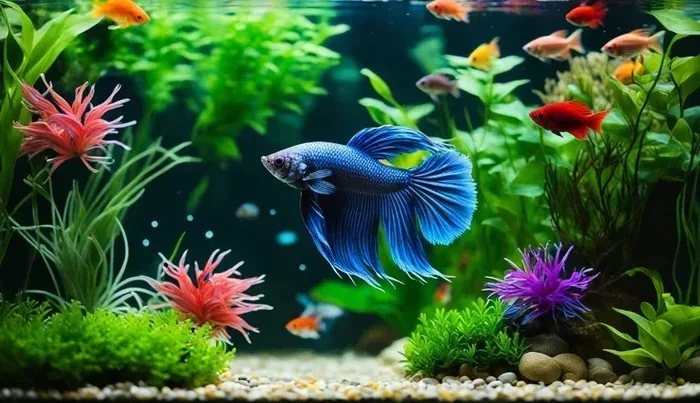
Is Purified Water Ok for Betta Fish

Is purified water ok for betta fish? The short answer is yes, but with important caveats. Purified water lacks essential minerals that betta fish need to thrive, so you must add supplements or remineralize it before use. Using the wrong water type can lead to health problems, stress, and even death. This guide covers everything you need to know about purified water for betta fish, including alternatives, testing methods, and best practices.
Keeping a betta fish healthy starts with one simple thing: the water. The water you put in your tank affects everything from your fish’s color to its energy levels. Many fish owners wonder whether is purified water ok for betta fish. It is a fair question, especially with so many water options available at the store.
Purified water is clean. It removes impurities, chemicals, and contaminants that could harm your fish. But clean does not always mean complete. Purified water goes through a process that strips away both bad stuff and good minerals. Your betta fish need certain minerals and trace elements to stay healthy. Without them, problems can develop over time.
In this article, we will break down everything you need to know. We will look at what purified water is, whether it is safe for bettas, how to use it properly, and what alternatives you have. By the end, you will feel confident about choosing the right water for your betta fish tank.
Key Takeaways
- Purified water is safe for betta fish only when remineralized: It strips away harmful chemicals but also removes essential minerals your fish need.
- Betta fish need specific water parameters: pH between 6.5 and 7.5, temperature around 78-80°F, and proper mineral levels.
- Tap water is the most common choice: But it requires a water conditioner to remove chlorine and chloramine before adding it to the tank.
- Reverse osmosis water is another popular option: It is very pure but needs remineralization just like purified water.
- Always test your water regularly: Use a liquid test kit to monitor pH, ammonia, nitrite, and nitrate levels in your betta tank.
- Water changes are essential: Perform 25-50% weekly water changes to keep your betta healthy and stress-free.
📑 Table of Contents
- What Is Purified Water?
- Is Purified Water Ok for Betta Fish?
- Comparing Water Types for Betta Fish
- The Role of Minerals in Betta Fish Health
- Common Mistakes People Make with Purified Water
- Alternatives to Purified Water for Betta Fish
- Quick Tips for Using Purified Water with Betta Fish
- Final Thoughts
What Is Purified Water?
Purified water is water that has been processed to remove impurities. These impurities include bacteria, chemicals, heavy metals, and dissolved solids. Several methods are used to purify water, and each one works differently.
Common Methods of Purification
- Reverse osmosis: Water is pushed through a semi-permeable membrane that filters out most contaminants.
- Distillation: Water is boiled, and the steam is collected and condensed back into liquid form.
- Deionization: Minerals and ions are removed using special resins and charged particles.
- Carbon filtration: Activated carbon absorbs chlorine, chemicals, and organic compounds from the water.
Each method produces very clean water. But they also remove beneficial minerals like calcium, magnesium, and potassium. These minerals matter for your betta fish. They help with osmoregulation, which is how your fish balances the water inside its body. Without proper mineral levels, your betta can become stressed or sick.
So when people ask is purified water ok for betta fish, the answer depends on what kind of purified water we are talking about and whether it has been remineralized. Not all purified water is the same, and not all methods remove the same things.
Is Purified Water Ok for Betta Fish?
The direct answer is yes and no. Purified water on its own is not ideal for betta fish because it lacks essential minerals. However, with some simple steps, you can make purified water safe and even great for your betta.
Why Purified Water Alone Is Not Enough
Betta fish live in warm, slow-moving waters in Southeast Asia. In the wild, they live in rice paddies, floodplains, and shallow streams. These environments contain natural minerals and trace elements. When you put a betta in purified water, you are essentially giving it a blank slate. There is nothing in the water to support its biological needs.
Here is what can go wrong if you use pure purified water without remineralizing it:
- Osmoregulatory stress: Your betta’s body works overtime to balance the lack of minerals in the water.
- Weakened immune system: Stressed fish are more prone to diseases and infections.
- Poor coloration: Minerals contribute to vibrant colors. Without them, your betta may look dull.
- Shortened lifespan: Long-term use of unmodified purified water can reduce your fish’s life expectancy.
How to Make Purified Water Safe for Bettas
The good news is that making purified water safe is straightforward. You just need to add back the minerals that were removed during purification. Here is how you do it:
- Start with purified water: Use store-bought purified water or water from your own RO (reverse osmosis) system.
- Add a remineralizer: Products like Seachem Replenish or API Cichlid Trace Minerals restore essential elements.
- Test the water: Use a liquid test kit to check pH, general hardness (GH), and carbonate hardness (KH).
- Adjust as needed: Aim for a pH of 6.5 to 7.5, GH of 3 to 4 dGH, and KH of 3 to 5 dKH.
- Acclimate your betta: Gradually introduce your betta to the new water over 15 to 30 minutes.
Once you remineralize purified water, it becomes a safe and healthy choice for your betta. Many experienced fish keepers prefer purified water because it gives them complete control over water quality. You know exactly what is in the water, and you can customize it for your fish’s needs.
Comparing Water Types for Betta Fish
Not all water types are created equal when it comes to betta fish care. Let us compare the most common options so you can make an informed choice.
| Water Type | Purity Level | Mineral Content | Needs Treatment? | Best For |
|---|---|---|---|---|
| Tap Water | Low | Variable | Yes, conditioner needed | Most beginners |
| Purified Water | High | None | Yes, remineralize | Controlled environments |
| Spring Water | Medium | Natural minerals | Sometimes | Emergency use |
| Distilled Water | Very High | None | Yes, remineralize | Advanced setups |
| RO Water | Very High | None | Yes, remineralize | Breeding and sensitive fish |
As you can see, purified water and distilled water are very similar. Both need remineralization before they are safe for bettas. Tap water is the easiest option for most people, but it requires a water conditioner to remove harmful chemicals. If you want more control over your water quality, purified water is a great choice.
For more details on the best water options, check out our guide on what kind of water is best for betta fish. It covers each water type in depth and helps you decide what works for your setup.
The Role of Minerals in Betta Fish Health
Minerals play a crucial role in your betta fish’s overall health. They are not just nice to have. They are essential for basic bodily functions. Let us look at the key minerals and what they do.
Calcium
Calcium supports bone growth and muscle function. It also helps with nerve transmission. Betta fish need a steady supply of calcium to stay active and healthy. Without enough calcium, your betta may become lethargic or develop skeletal deformities.
Magnesium
Magnesium helps with enzyme function and energy production. It works hand in hand with calcium to support muscle contractions. A lack of magnesium can lead to muscle weakness and poor coordination.
Potassium
Potassium regulates fluid balance in your betta’s body. It supports heart function and helps maintain proper pH levels. Without potassium, your fish’s internal systems start to break down.
Sodium and Chloride
These electrolytes help with osmoregulation. They control how water moves in and out of your betta’s cells. A proper balance of sodium and chloride keeps your fish hydrated and functioning properly.
This is exactly why is purified water ok for betta fish comes with a caveat. Purified water removes all of these minerals. You must replace them if you want your betta to thrive.
Common Mistakes People Make with Purified Water
Even well-meaning fish owners make mistakes when using purified water. Here are the most common ones and how to avoid them.
Using Purified Water Straight from the Bottle
This is the number one mistake. Many people buy purified water, open it, and pour it right into the tank. This is a bad idea because the water has zero minerals. Your betta will experience osmotic stress within hours. Over time, this can weaken its immune system and lead to serious health issues.
Forgetting to Test After Remineralizing
Adding a remineralizer is not enough on its own. You must test the water to make sure the parameters are correct. Different remineralizers work differently, and the dosage depends on the starting water. Always test before adding your betta to the tank.
Using the Wrong Remineralizer
Not all remineralizers are created equal. Some are designed for freshwater fish, while others target specific species. Make sure you use a product that is safe for betta fish. Avoid products meant for marine or reef tanks, as they contain different mineral ratios.
Neglecting Regular Water Changes
Even with purified water, you still need to perform regular water changes. Waste products build up in the tank over time. A 25 to 50 percent water change every week keeps the environment clean and your betta healthy.
If you are new to water changes, our article on can you use tap water for your betta fish has a step-by-step guide that makes the process easy and stress-free.
Alternatives to Purified Water for Betta Fish
If remineralizing purified water sounds like too much work, there are other options. Each has its own pros and cons, and the best choice depends on your situation.
Tap Water with Conditioner
Tap water is the most accessible option for most people. It contains minerals that betta fish need. However, it also contains chlorine and chloramine, which are harmful to fish. A good water conditioner removes these chemicals quickly and safely. This is the go-to choice for most betta fish owners.
Spring Water
Spring water contains natural minerals and is generally safe for bettas. However, the mineral content varies by brand and source. Always check the label and test the water before using it. Some spring waters are too hard or too soft for bettas, so testing is essential.
Reverse Osmosis Water
RO water is very similar to purified water. It goes through an additional filtration stage that removes almost everything. Like purified water, it needs remineralization. Many serious hobbyists prefer RO water because it offers the most control. If you are curious about whether RO water is a good choice, check out our article on is reverse osmosis water good for betta fish.
Well Water
Well water can work for bettas, but it depends on your local water quality. Some well water is high in iron or other minerals that can be harmful. Test well water thoroughly before using it in your betta tank. If the parameters are within range, it can be a good option.
The bottom line is that you have plenty of choices. The key is to understand what each option offers and how to prepare it properly for your fish.
Quick Tips for Using Purified Water with Betta Fish
- Always remineralize purified water before adding it to your betta tank.
- Use a liquid test kit instead of test strips for more accurate readings.
- Let the water sit for 24 hours after remineralizing to allow gases to dissipate.
- Match the temperature of the new water to your tank water before performing a water change.
- Keep a log of your water parameters so you can track changes over time.
- Buy purified water in glass containers when possible, as plastic can leach chemicals.
- Consult a veterinarian if your betta shows signs of stress after a water change.
Final Thoughts
So, is purified water ok for betta fish? Yes, it can be. But it requires a little extra effort. You need to remineralize the water and test the parameters before adding your betta to the tank. This extra step ensures your fish gets clean, safe, and balanced water.
Purified water is not the only option. Tap water with conditioner works well for most beginners. Spring water and RO water are also viable choices. The best water is the one that is properly treated and tested.
Remember that water quality is the foundation of good betta fish care. No matter which water type you choose, consistency and testing are the keys to success. Your betta fish will reward you with vibrant colors, active behavior, and a long, healthy life.
Take the time to learn about your water source. Invest in a good test kit. And never be afraid to make adjustments. Your betta fish depends on you for its environment, and getting the water right is the single best thing you can do for your pet.
Frequently Asked Questions
Can betta fish live in purified water without remineralization?
No, betta fish should not live in purified water without remineralization. Purified water lacks the essential minerals that bettas need for osmoregulation, immune function, and overall health. Without minerals, your fish will experience stress and may develop health problems over time.
How often should I change my betta fish water if I use purified water?
Perform a 25 to 50 percent water change every week, regardless of the water type you use. Regular water changes remove waste buildup and keep water parameters stable. This is just as important when using purified water as it is with any other water source.
Is distilled water the same as purified water for betta fish?
Distilled water and purified water are very similar. Both are stripped of minerals and contaminants. Both require remineralization before they are safe for betta fish. The main difference is the purification method used, but the end result is essentially the same.
What is the best remineralizer for betta fish water?
Seachem Replenish and API Cichlid Trace Minerals are popular choices. Look for products designed for freshwater aquariums. Always follow the dosage instructions on the label and test your water after adding the remineralizer to ensure the parameters are correct.
Can I use purified water for a betta fish tank during a fish-in cycle?
It is not recommended to use purified water during a fish-in cycle. Beneficial bacteria need some minerals to colonize and thrive. Use tap water with conditioner or remineralized purified water instead. This supports the nitrogen cycle and keeps your fish safer during the cycling process.
Does purified water affect betta fish coloration?
Yes, it can. Purified water lacks minerals that contribute to vibrant coloration. Over time, a betta kept in unremediated purified water may appear dull or faded. Remineralizing the water helps maintain rich, healthy colors and supports overall well-being.